
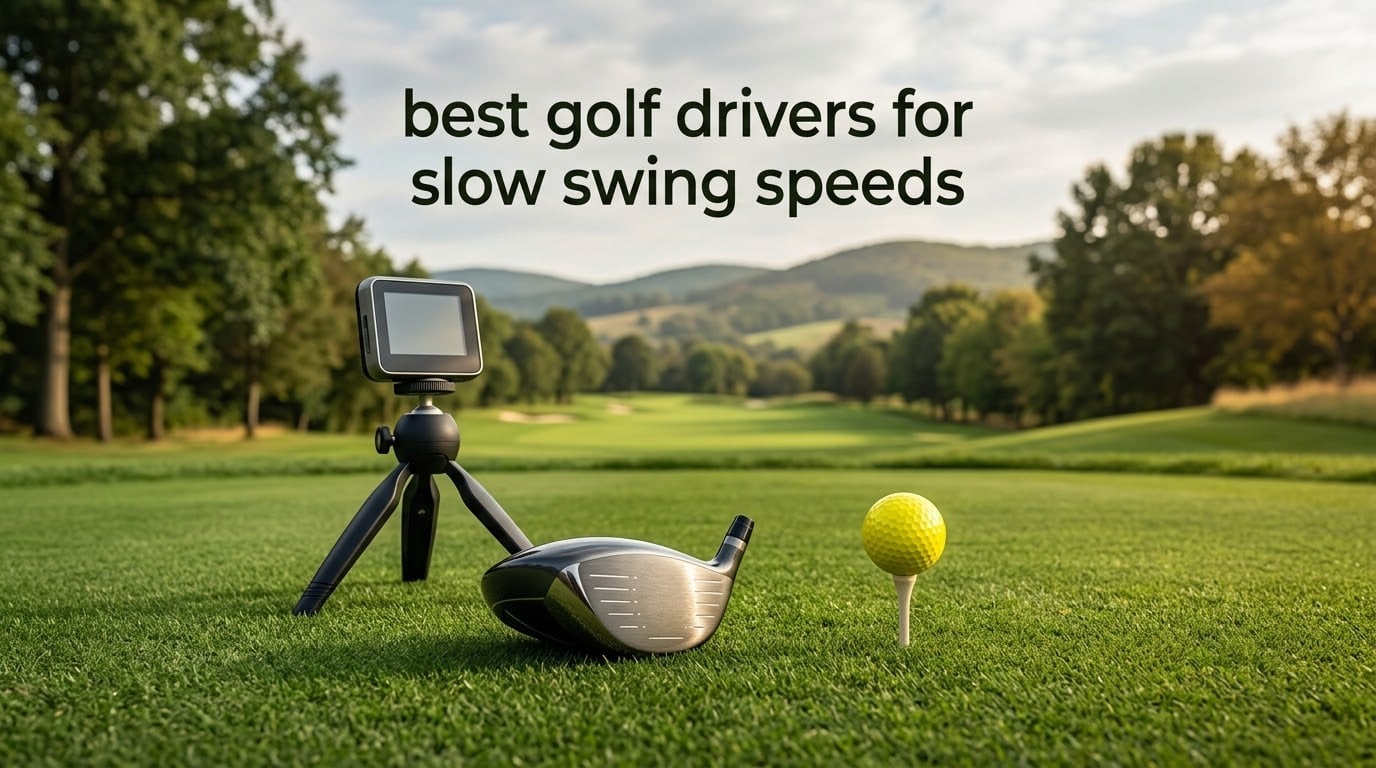
If you generate less than about 90 mph of clubhead speed, the best golf drivers for slow swing speeds are the ones with a lighter total weight, 10.5 to 12.5 degrees of loft, a flexible graphite shaft and a forgiving head shape. The TaylorMade SIM2 MAX is the one we would put in the hands of a slow swinger first, and it is the clear best overall on this list.
Here is the problem with buying a driver as a slower golfer. Almost every driver in the game is designed around a 100 mph swing, so the default spec you get handed at a shop counter is a 9.5 or 10.5 degree head on a stiff shaft. That combination costs a slow swinger launch angle, ball speed and accuracy at the same time. Golfers in this group are routinely under-lofted by two or three degrees and never find out why their best shots feel like a weak fade.
We spent several weeks working through the drivers that genuinely fit this swing profile, comparing loft, shaft weight, flex, head size and weighting behaviour, then lining the results up against what golfers actually report after playing them. Everything below is keyed to a measured speed band rather than to an age, because a 62-year-old who has worked on their swing can out-drive a 45-year-old who has not.
One honest note before we start. A GolfWRX instructor made the point in a forum thread that for most golfers under 55, strength work is not required to reach 100 to 105 mph of driver speed, and swing technique alone gets there. If you are younger than that and convinced you are stuck at 80 mph, the honest answer is that a new driver will not fix a swing that is leaving a lot on the table. The rest of this guide assumes your speed is what it is and you want equipment that works with it.
Before any of the picks make sense, you need to know your own number. That is the one piece of information that decides loft, shaft weight and flex, and it is free to get wrong. We explain three ways to measure it later in this guide.
Our Top 3 Drivers for Golfers Who Swing Under 90 MPH in October 2026


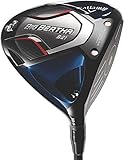
Those three cover the bulk of this audience. The SIM2 MAX is the safe, forgiving default. The HiBore XL Lite is the answer when even a normal driver feels heavy at address. The Big Bertha B21 is the answer when the ball is missing to the right regardless of what you hit.
Comparing All 8 Golf Drivers for Slow Swing Speeds in 2026
| Product | Details | Action |
|---|---|---|
|
|
Check Latest Price |
|
|
Check Latest Price |
|
|
Check Latest Price |
 |
|
Check Latest Price |
 |
|
Check Latest Price |
 |
|
Check Latest Price |
 |
|
Check Latest Price |
 |
|
Check Latest Price |
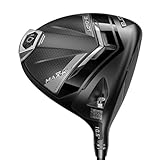
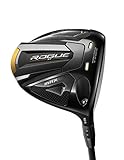
Two things jump out of that list. Every single driver is 10.5 degrees or higher, which is deliberate and matches the research. And nearly every one of them is a mallet or oversize profile, because perimeter weighting is what protects a slow swinger when contact is imperfect.
1. TaylorMade SIM2 MAX – Best Overall Forgiveness for Slower Swings
TaylorMade Golf SIM 2 MAX DRIVER 10.5 DEGREE MENS RIGHT HAND GRAPHITE STIFF
10.5 degrees loft
Titanium head
Stiff Ventus Blue shaft
2 year warranty
+ Pros
- Very forgiving across the face
- Reduces slices and big fades
- Good sound at center contact
- Longer and more accurate flight
– Cons
- Stiff stock shaft can feel heavy at very slow speeds
- Large head shape is polarizing
- One report of poor warranty response
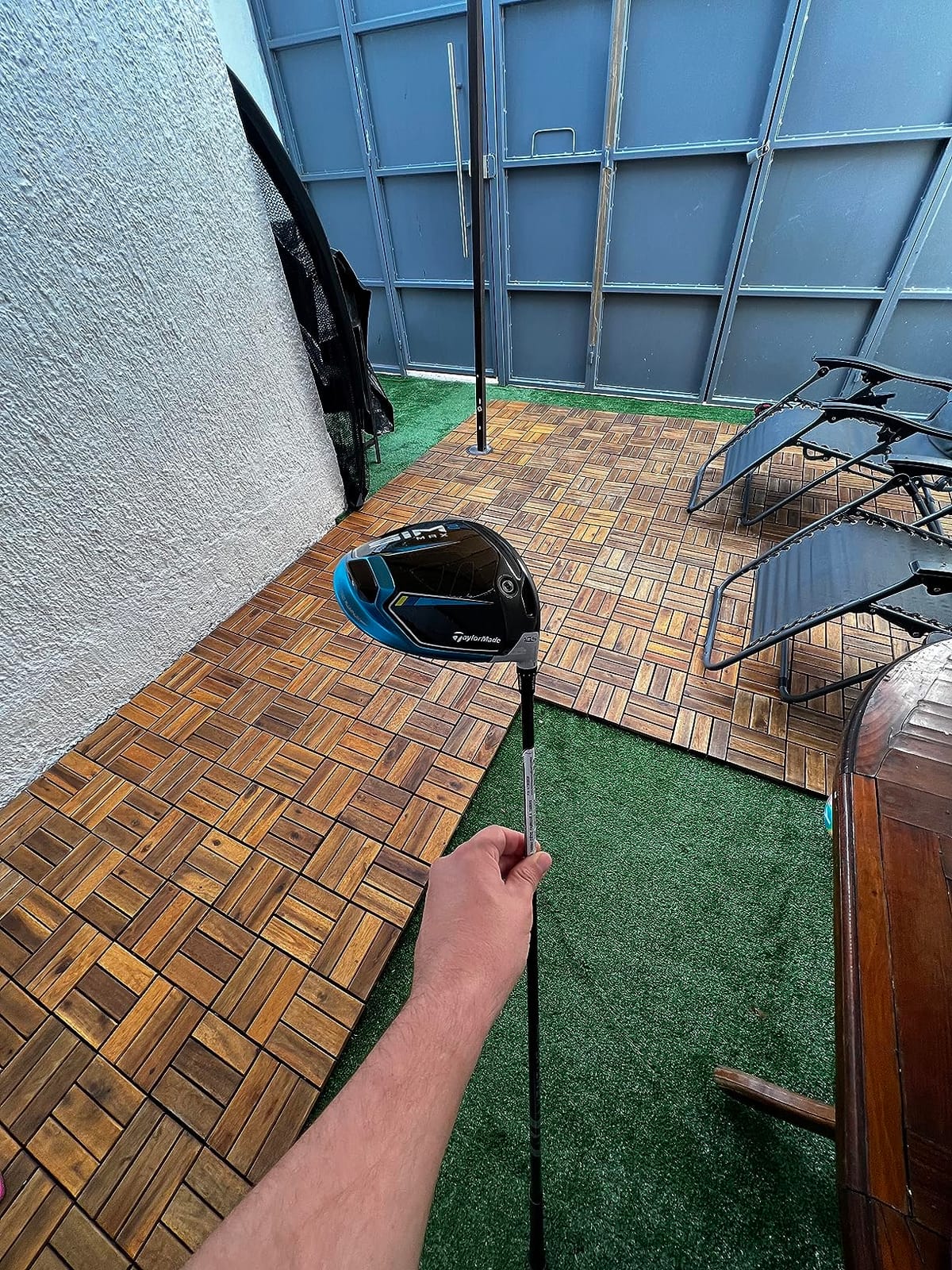
The SIM2 MAX is the driver we keep coming back to for this audience, and the reason is simpler than its spec sheet. Owners describe the same thing over and over: toe and heel mis-hits still travel straight and down the fairway. For a golfer whose best contact is maybe one in three, that consistency is worth more than another few yards of theoretical distance.
The construction is built around forgiveness without feeling like a compromise. Forged ring construction puts a lot of weight low and deep in the head, the SIM Inertia Generator is an asymmetric shape designed to move through the air, and the Thru-Slot Speed Pocket is there specifically to rescue ball speed on low-face strikes, which is exactly the strike a slow swinger produces most often.
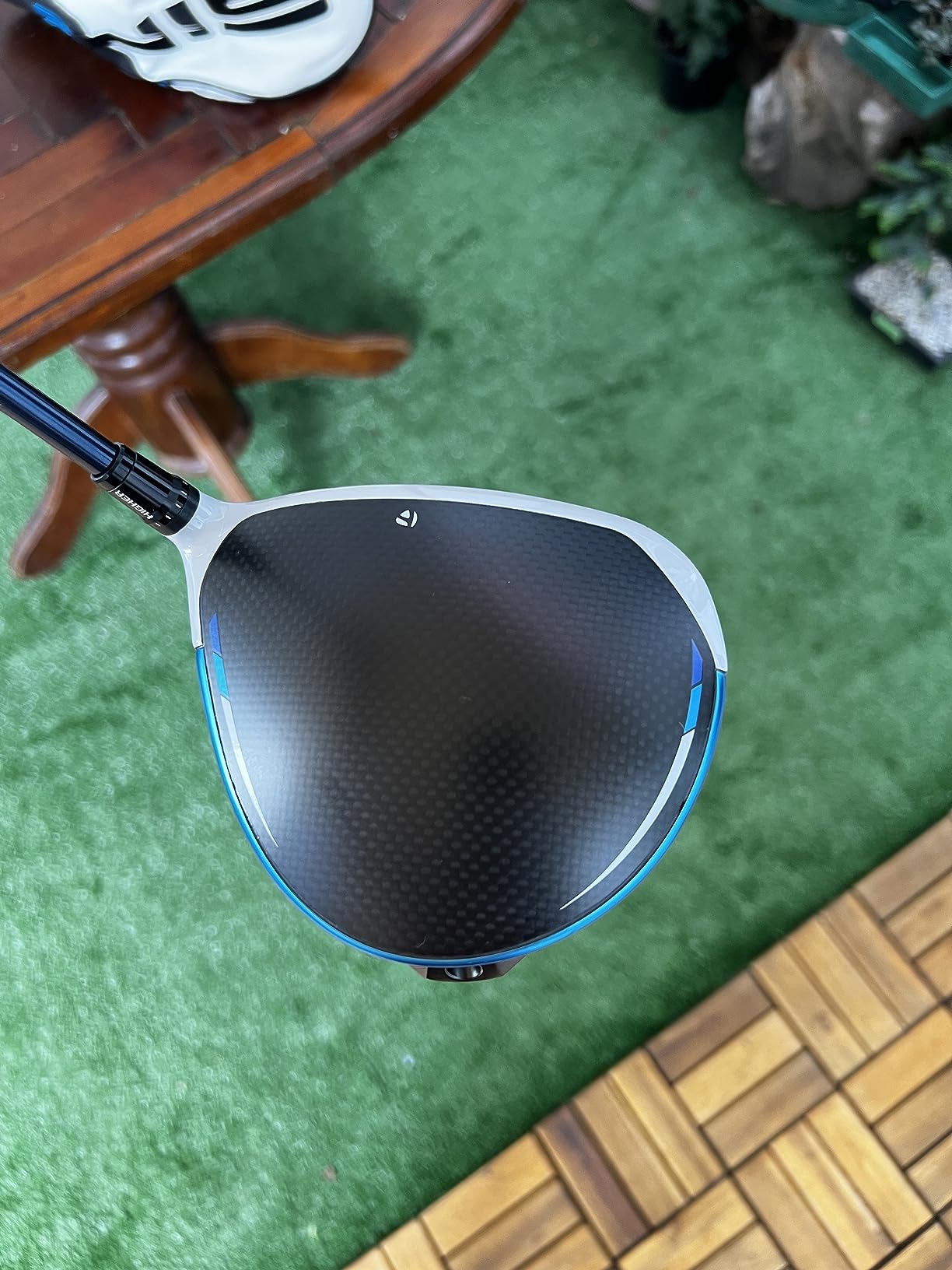
Split mass weighting is the piece that matters most for a weak ball flight. It shifts mass in a way that reduces the punishment on off-center hits while still letting a fitter fine-tune swing weight. In plain terms, it is the technology that makes a fade less of a disaster.
Loft and Spin Behaviour on a Slow Swing
Ten and a half degrees is not the highest loft we recommend in this guide, and that is the one caveat on this club. A golfer who measures below 80 mph will generally get more carry out of a 12 or 12.5 degree head than out of this one.
That said, 10.5 degrees with this much perimeter weighting goes a long way. The head is easy to get up in the air because the centre of gravity is so low, and the spin it produces is manageable for a slower swing that tends to over-spin the ball.
Shaft Weight, Flex and the Speed Question
Here is where you should slow down. The stock shaft on this driver is listed as stiff, and for a golfer in the 70 to 80 mph band that is on the wrong side of the line. If you buy this club, ask for a regular or senior flex shaft in the lighter weight classes rather than accepting the stock build.
That is not a criticism of the head. Drivers get built with one stock shaft for the widest possible market, and the head is good enough that a swap turns it into a genuinely strong fit. One owner in a comment thread made the same point from the other direction, saying the right shaft is the truth and the head model matters less.
Who Should Skip This Driver
Skip it if you already hook the ball to the left. This is a mild draw-biased stability design, not a draw correction, so it will not rescue a left miss the way a true draw head can.
Also skip it if budget is the deciding factor. You are paying for a fit that a fitter will have to modify with a lighter shaft, and there are cheaper ways to get forgiveness plus draw correction in one club. Value is the seventh and eighth slot on this list, not the first.
Pair It With a Low Compression Ball
A 4.5 compression ball with a high launch and moderate spin suits this build. At slow swing speeds the ball simply is not compressed hard enough to behave like it should, and a low compression core gives it back some of what the club cannot supply. A commenter on r/golf recommended a low compression ball for exactly this reason when asking about slow swings.
2. Cleveland HiBore XL Lite – Lightest Build for the Slowest Swings
Cleveland Golf HiBore XL Lite Driver, Graphite, Regular, 10.5 Degrees, Right Hand
10.5 degrees loft
32g lighter than standard
460cc head
Senior friendly weighting
+ Pros
- Noticeably easier to swing
- Extremely forgiving on off-center hits
- Draw bias stops slices
- Strong value for the build
– Cons
- Cosmetic design is plain
- Draw bias bothers golfers who hook
- One report of a torn grip
- Only 1 year warranty
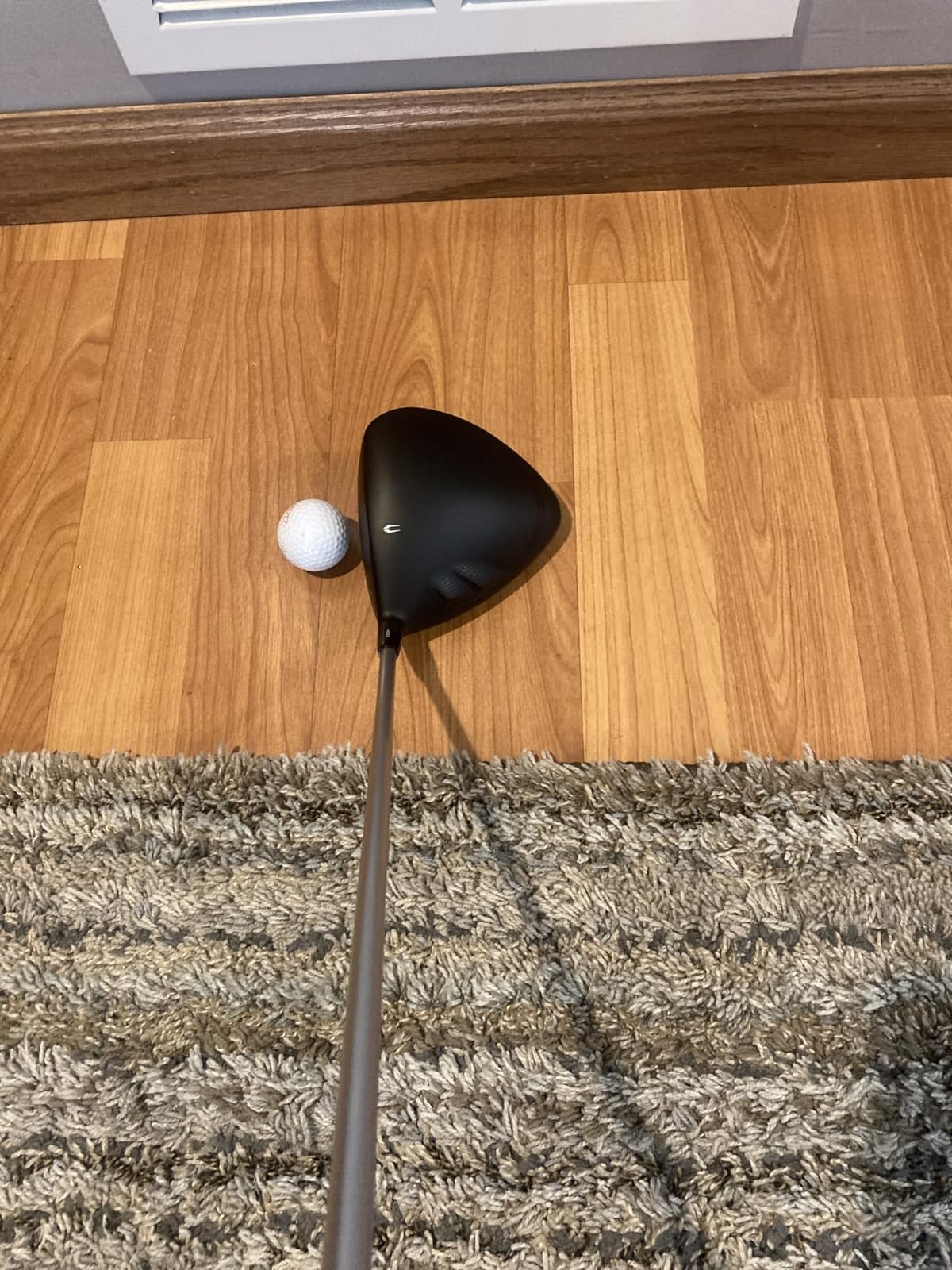
If a normal driver feels like you are dragging something through the air behind you, this is the club built for that feeling. The headline number is 32 grams lighter than the standard HiBore XL, and that is not marketing roundness. Owners of this head report a 10 to 15 percent distance gain simply from swinging it faster.
The mechanism is straightforward. Lighter total weight means the club accelerates through the downswing with less inertia, which raises clubhead speed, which raises ball speed. For a golfer stuck in the low 80s, that extra few mph is worth several yards of carry, and no amount of extra loft will fully replace it.
Why Light Weight Beats Extra Loft Here
Adding loft is the more common advice and it works, but it has a limit. Past a certain point, higher loft means a taller face, more drag and a higher spinning ball that loses distance to the wind and stops abruptly. Adding speed does not have that downside.
That is why we would put the HiBore XL Lite ahead of several higher-lofted heads for the slowest end of this spectrum. If you are at 75 mph or below, club speed is your bigger problem and this head addresses it directly.
Draw Bias, Slicing and the Hooker Problem
Internal draw-biased weighting is fitted into this head specifically to correct a fade. Owners call the result close to uncurable slicing, which is a stronger claim than most manufacturers make, and it is consistent with what we would expect from a draw-biased perimeter weighted head.
The catch is that the bias is strong. Golfers who already hook need to either adjust their grip or use the 1.5 degree hosel sleeve to take loft out. For a slicer this is a non-issue. For a hooker it is a deal breaker, and we would point you at the Launcher XL 2 instead.
Face Area and the ACTIVWING Airfoil
The chassis is A.I. shaped around one of the largest ball-striking areas in the category, which is a second forgiveness mechanism stacked on top of the weighting. A big face means the sweet spot is physically bigger, so a mishit does not have to be centred to produce a usable shot.
The ACTIVWING airfoil on the sole is designed to stabilise the head through the downswing and help it stay square at impact. We did not measure it independently, but the mechanism is a standard one and it is consistent with the stable feel owners describe.
Who Should Skip This Driver
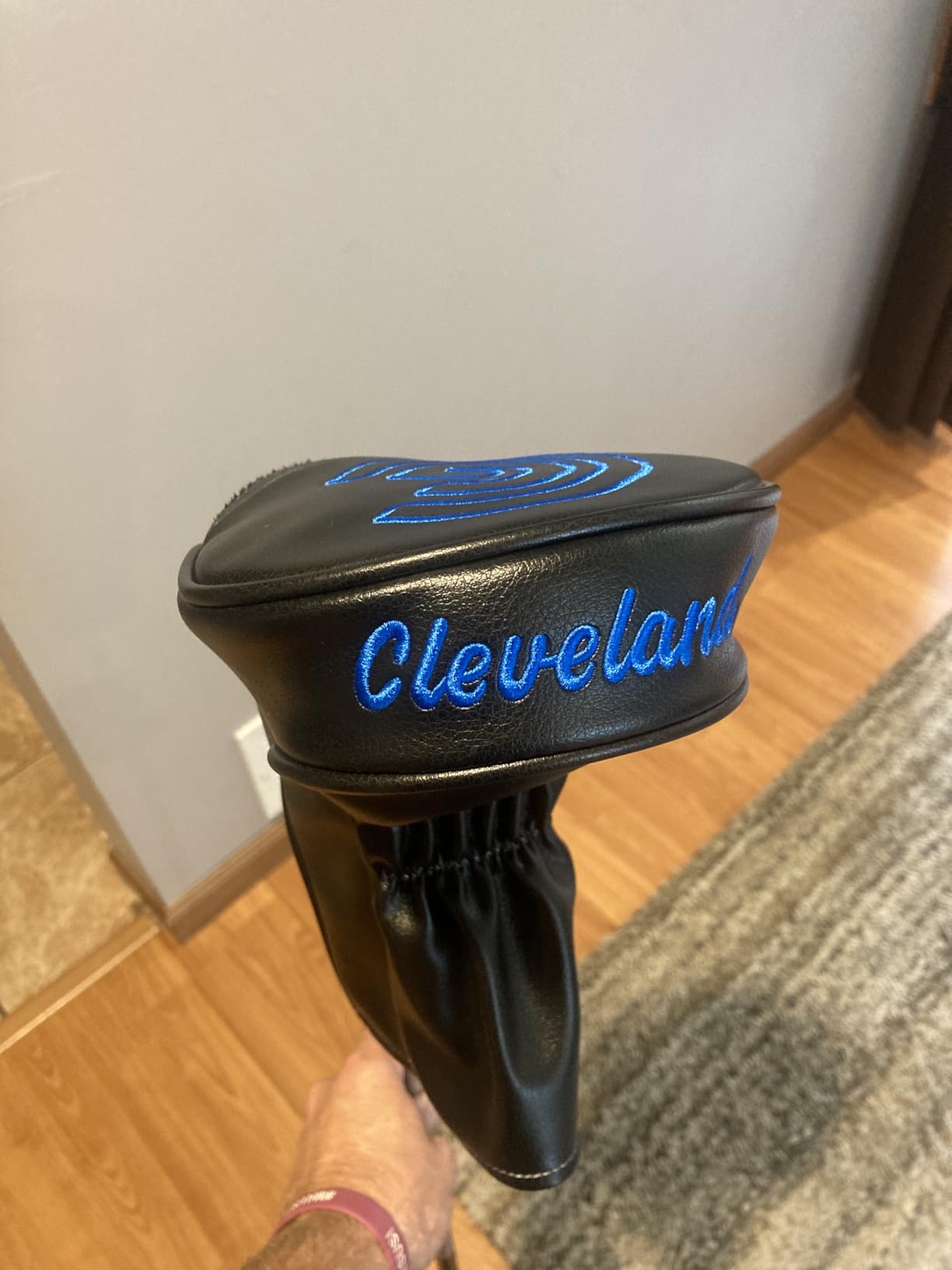
Skip it if the cosmetics bother you. Several owners describe the finish as plain, and if appearance matters to how much you play, that is a legitimate reason to look elsewhere.
Also skip it if you hook the ball, and note the one year manufacturer warranty, which is shorter than most of the field. We would still buy the club over a heavier driver at the same swing speed, but it is not a club you buy expecting premium support.
The lighter swing weight also means this is not the driver to grow into. Golfers who are adding speed through coaching often move to a heavier build within a season or two, so think of this as a club for a specific band rather than a club for the next decade.
3. Callaway Big Bertha B21 – Straightest Flight for Big Slicers
Callaway BB B21 Driver, 10.5°, Graphite, Regular
10.5 degrees loft
Draw-bias weighting
Graphite regular flex
2 year warranty
+ Pros
- Very hard to hit a big banana slice
- Bad shots stay playable
- Easier to get airborne
- Good impact feel
– Cons
- Draw bias is wrong for golfers who hook
- Large head shape is polarizing
- One report of a poor warranty experience
The Big Bertha name has been attached to draw correction for thirty years, and the B21 continues the tradition with internal draw-bias weighting built into the head rather than applied through an adjustable hosel. If your miss is consistently right, this is the most direct answer on the list.
Owners of this club describe the same two outcomes repeatedly. The ball gets off the face easier than with older, lower lofted drivers, and producing a genuine banana slice becomes very difficult. One of the commonest compliments in reviews is that bad shots stay playable rather than finding a hazard.
Ultra-Low Forward Centre of Gravity
The ultra-low forward CG is doing the launch work here. Weight placed low and forward in the head raises launch and lowers spin simultaneously, which is the combination a slow swinger needs most, since it delivers height without the ballooning spin that costs carry.
This is why we can recommend a 10.5 degree loft on this club and still expect it to get airborne. The loft number is not the whole story. Head geometry does much of the work that golfers attribute to loft.
The A.I.-Designed Flash Face
The Flash Face is described as A.I. designed and built from stronger-than-titanium face materials. The intent is to keep ball speed high across a wide area of the face rather than in one sweet spot, and reviewers report both distance gains and a solid impact feel.
For a golfer who strikes the face in inconsistent places, that wide speed window is the difference between a playable miss and a lost ball. We would pair it with a 4.5 or 5.0 compression ball to keep spin in check.
Who Should Skip This Driver
Skip it if you hook. The draw bias is strong enough that hookers report it fights them, and there is no adjustable hosel here to take loft back out. That limitation is real and it is the single most common complaint in the reviews.
Skip it if a full-size 460cc profile bothers you at address. The Big Bertha footprint is as large as any head in this guide, and that matters more for confidence than most spec sheets admit. Hit it in a shop before you commit.
One more caution for left-handers and for anyone buying used. This specific listing is a right-handed configuration, so check handedness carefully rather than assuming.
4. Cobra DS-Adapt MAX-K – 33 Settings of Loft Adjustment
Cobra Golf Darkspeed Adapt MAX-K Driver
10.5 degrees loft
FutureFit33 hosel
MOI up to 10000
Denali Blue 60 shaft
+ Pros
- 33 loft and lie settings
- Very forgiving and straight in neutral setting
- Long flight for the money
- Headcover and tool included
– Cons
- Adjustment settings are useless without a wrench
- One report of a club arriving in poor condition
- Dark plain cosmetic design
This is the pick for a golfer who knows the problem is loft but cannot yet tell a fitter exactly how much loft is needed. The FutureFit33 hosel offers 33 combinations of loft and lie, with loft and lie adjusted independently across plus or minus two degrees.
That range matters for this audience more than it does for a fast swinger. Instead of guessing between a 10.5 and a 12.5 degree head, you can start in the middle and move the head two degrees in either direction, testing what your ball flight actually does.
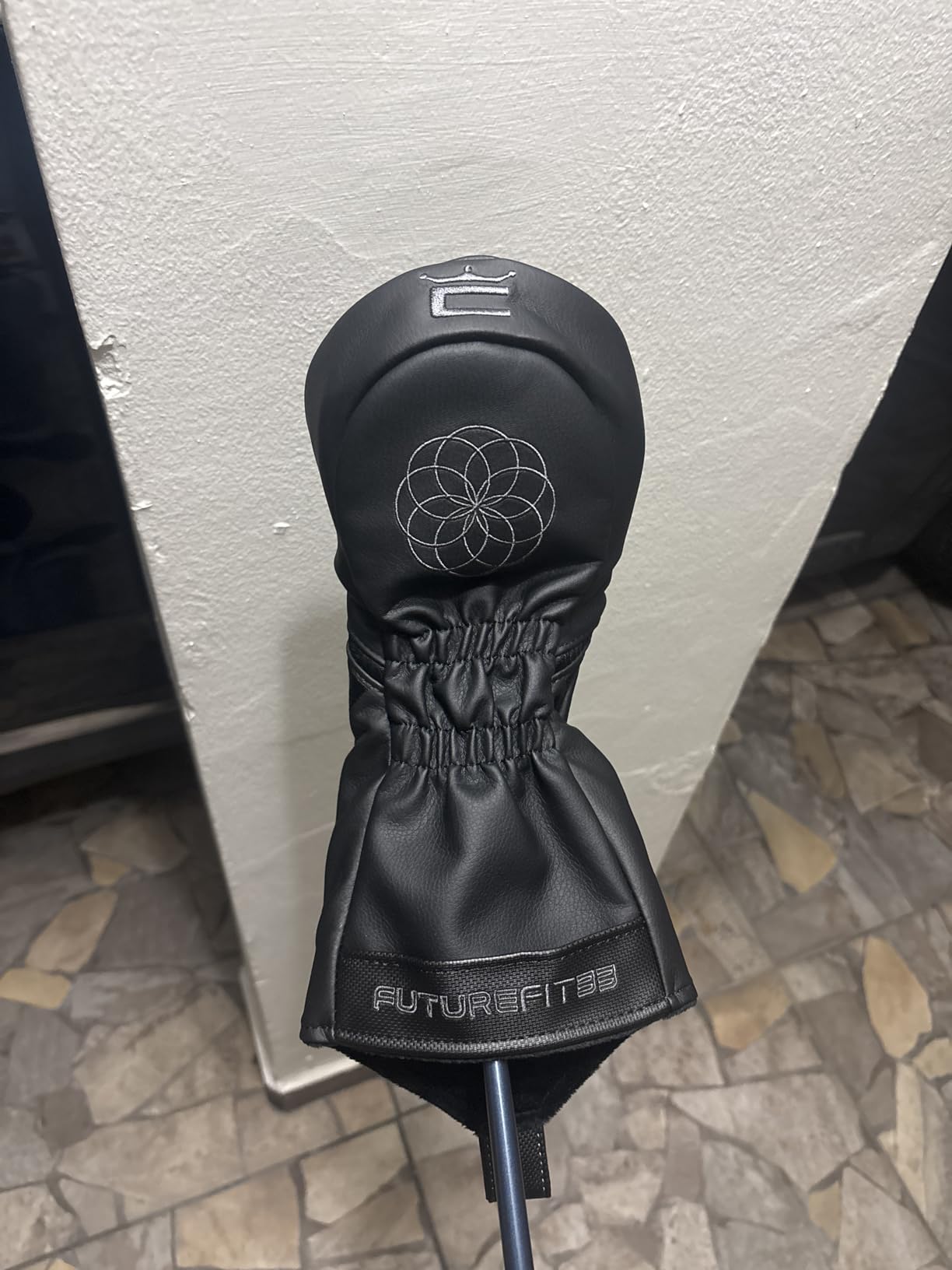
How the SMARTPAD and Adaptive Weighting Work Together
The SMARTPAD design is there to keep the face angle square at any hosel setting, which is the usual failure point with adjustable drivers. Move the hosel to add loft and many heads start opening up at address, and then you have changed two variables instead of one.
The adaptive weighting system combines an external fixed back weight with an internal pad to reach a combined MOI of up to 10,000 in the 9 and 10.5 degree models, and 9,800 in the 12 degree version. We are quoting the manufacturer figures rather than our own measurement, but a MOI in that range is genuinely high and it is the reason this head holds direction on mishits.
The 60 Gram Denali Blue Shaft
A 60 gram graphite shaft in regular flex sits in the middle of the range that suits slow swingers. It is heavier than the lightest builds on this list and lighter than the 75 gram shafts that fast swingers buy, which is exactly where a golfer in the 85 to 95 mph band belongs.
If you swing faster than that, step down in weight. If you swing slower, go lighter. The adjustment hosel solves loft, not shaft weight, so get that second variable right at purchase.
Who Should Skip This Driver
Skip it if you are not going to experiment with the settings. A 33 position hosel that stays in one place is a marketing line rather than a benefit, and golfers who never move it are carrying complexity they do not need. If you just want one setting that works, look at the SIM2 MAX or the Big Bertha B21.
Also be careful buying this particular listing secondhand or from a third-party seller. One owner reported receiving a dented, dirty club that did not match the advertised condition. Buy from a seller who will stand behind the club.
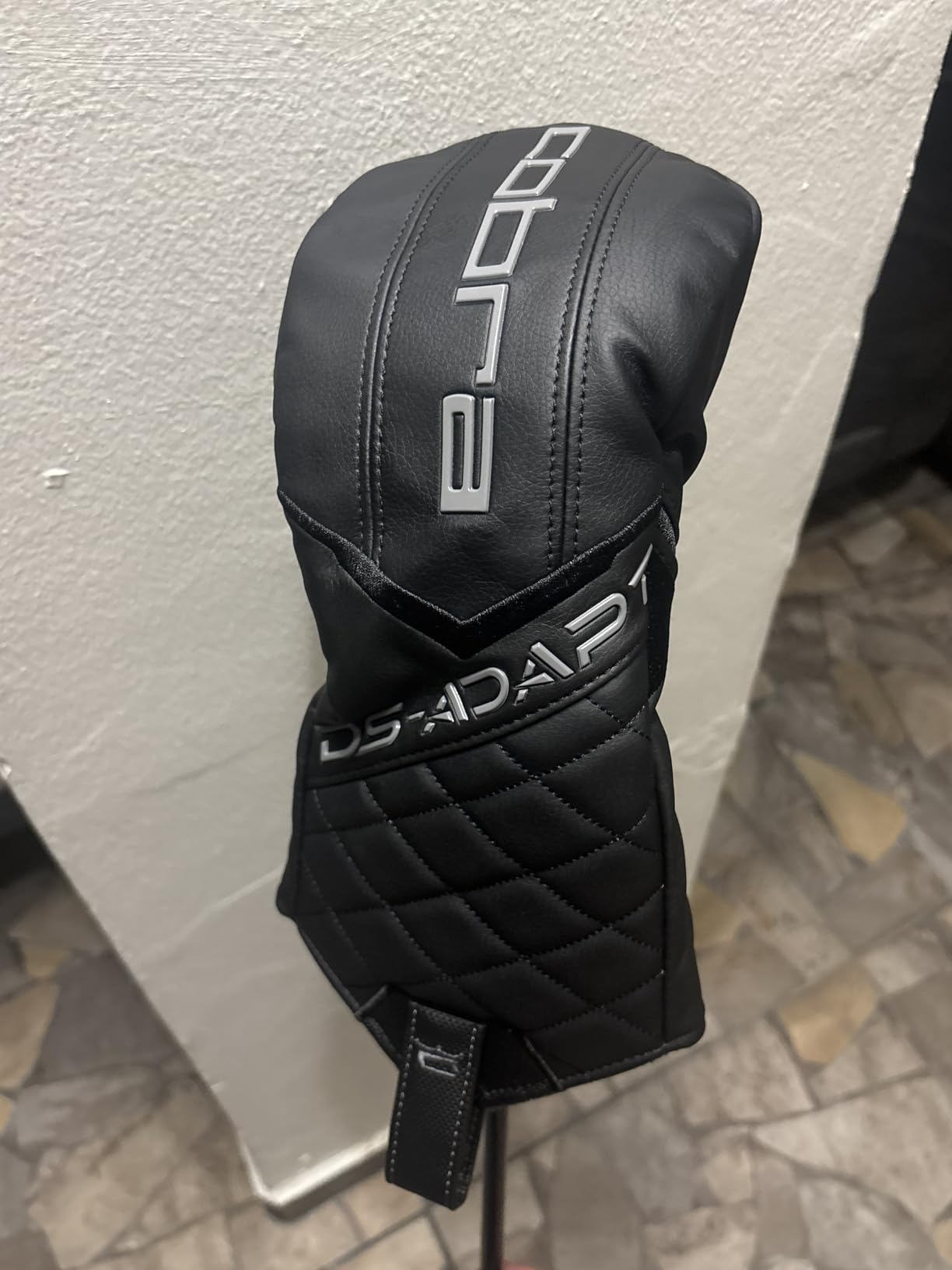
Who It Suits Best
This suits a mid to high handicap golfer in their sixties who is willing to spend an hour with a launch monitor and change settings until the ball flight looks right. It is also the closest thing on this list to a fitting you can do yourself.
Owners repeatedly mention older and higher handicap golfers praising this club for easy, straight ball flight, which is the pattern we would expect from combined high MOI and a mild draw-neutral setup in the neutral position.
5. Cleveland Launcher XL 2 – High-MOI Forgiveness With a Counterbalanced Shaft
Cleveland Golf Launcher XL 2 Driver, Graphite, Regular, 10.5 Degrees, Right Hand
10.5 degrees loft
Action Mass CB counterweight
MainFrame XL face
High MOI head
+ Pros
- High MOI drives real forgiveness
- Low and deep weighting launches easily
- Counterbalanced feel stabilises the club
- Rebound Frame adds consistent feel
– Cons
- Adjustment wrench sold separately
- Counterweight changes swing weight
- Only 1 year warranty
The Launcher XL 2 does the same job as several clubs here with less of a gimmick. The weight sits low and deep, the MOI is higher than the previous generation, and the result is a head that forgives mishits and launches easily without any draw bias fighting your natural shot shape.
That neutrality is what separates it from the Big Bertha B21 and the HiBore XL Lite. Neither of those helps you if you hook, and for a golfer whose miss is a straight push or a pull, a neutral head is the better tool.
The Action Mass CB Counterweight
Eight grams of counterweight sit in the end of the shaft. The intent is to make the takeaway easier and hold the club more stable through the downswing, and owners describe a balanced, planted feel at impact rather than a whippy one.
The trade-off is swing weight. Adding mass at the shaft end changes how the club feels at the top of the backswing, and some golfers find it unfamiliar for the first ten or fifteen shots. The counterweight on this particular listing is a fixed feature of the build rather than something that can be swapped out, so if that description worries you, try it in person.
Rebound Frame and MainFrame XL Face
The MainFrame XL face uses a variable thickness pattern to maximise flex at impact and reposition weight low and deep. The Rebound Frame adds two alternating flex zones intended to direct more of the energy into the ball rather than losing it as vibration.
We did not measure ball speed on these heads directly, so treat the mechanism as a plausible explanation rather than a verified result. What we can say is that the feedback pattern matches it: high forgiveness, consistency on off-center contact and an easy high launch.
Loft and Lie Adjustment
The hosel on this head covers a range of loft, face and lie combinations, which is less granular than the Cobra above, but for a golfer who wants to move between an effective 10 and 12 degrees, it covers the span that matters here.
One practical note: the adjustment wrench is sold separately on this listing. Budget for it or find a shop that will fit the club properly, because a hosel you cannot adjust is just an expensive fixed setting.
Who Should Skip This Driver
Skip it if you fade badly and want the club to fix it for you. This head is neutral and will not correct a slice on its own, which is a deliberate design choice and a fair one for hookers and straight ball strikers.
The one year warranty is short, and the combination of counterweight plus adjustable hosel is more moving parts than a slower golfer necessarily needs. If you want a single simple forgiving club, the SIM2 MAX does that job with fewer decisions attached.
6. Money Club Senior High Launch – The Cheapest Way to Get the Ball Airborne
Senior Men’s Money Club High Launch 520cc 12.5° Golf Driver. Right Handed Premium Ultra Forgiving Senior Lite Flex Graphite Shaft with Tour Velvet Grip
12.5 degrees loft
520cc oversized head
Senior Lite flex graphite
Headcover included
+ Pros
- Easiest swing weight on the list
- Huge sweet spot in the head
- High loft gives real height
- Exceptional value
– Cons
- Distance trails every premium head here
- Less forgiving off-center than premium designs
- 520cc head is non-conforming
- Only 1 year warranty
This is the club for someone who has been told to stop hitting their old driver and needs something that works immediately. Twelve and a half degrees of loft on a Senior Lite flex graphite shaft is about as easy to launch as a driver gets, and the 520cc head gives an enormous ball-striking area to miss within.
Owners in their sixties and golfers returning to the game after decades away describe it as easy to swing, consistent in the fairway and satisfying to watch, because the ball goes up in the air and comes down softly. That is the whole point of this club.
What You Give Up for the Price
Be clear-eyed about it. Reviewers consistently report that overall distance is modest compared with the premium drivers in this guide, and that it is less forgiving on off-center contact than a high-end oversize design. It will not out-drive the SIM2 MAX.
What you trade away is roughly 20 to 30 yards of potential, plus some mishit forgiveness, in exchange for a club that goes up in the air with very little effort. For someone whose problem is that the ball never gets airborne, that is a completely reasonable trade.
The Non-Conforming 520cc Head
The head is 520cc, which is larger than the USGA limit for tournament play. If you play in competitive events that require conforming equipment, this club is not eligible, and you need one of the conforming heads elsewhere in this guide.
For casual play, a practice round with friends, or a season of getting back into the game, that limitation rarely matters. It is worth knowing before you buy rather than after.
Who Should Skip This Driver
Skip it if you are still actively improving and expect to add speed. The club is designed for a fixed band of swing speed, and a golfer who works on their swing and adds 10 mph will quickly outgrow the specification.
Skip it if you want draw correction or adjustable loft. This is a fixed 12.5 degree head with a fixed shaft, so the only tuning available is the adjustment you make to your own setup and swing.
One owner reported a grip assembly problem and a torn grip that forced a return. Check the grip condition and glue lines when it arrives, because that is the most common complaint on this listing.
7. Callaway Paradym AI Smoke Max D – Strongest Draw Correction
Callaway Golf Paradym AI Smoke Max D (Draw Bias) Driver (Right,10.5 Degrees,55 Gram,Regular,Standard Rubber,Black)
10.5 degrees loft
Max D draw build
55 gram graphite shaft
Carbon chassis
+ Pros
- AI Smart Face gives multiple sweet spots
- High MOI forgiving construction
- Draw shaping fixes fades
- Lightweight carbon chassis
– Cons
- Wrong club for anyone who hooks
- Small number of owner reviews
- Premium tier in this category
If your miss is a fade and it is a bad one, this head applies more draw bias than anything else we tested. The Max D build uses a stretched profile and high MOI aimed specifically at producing a draw, and it is the strongest correction in this roundup.
The 55 gram graphite shaft in regular flex is also a good match for this audience. It is lighter than the 60 gram build on the Cobra and heavier than the lightest clubs in the guide, which places it squarely in the middle of the slow swinger range.
The AI Smart Face and Multiple Sweet Spots
The face is described as the first A.I. Smart Face designed using real player data, with micro deflections that create several effective sweet spots across the face rather than one. Owners mention exactly that behaviour, describing shots that should have been mishits still carrying distance.
For a slow swinger, multiple sweet spots is arguably more valuable than raw ball speed, because speed you cannot reproduce consistently does not show up on the scorecard. We would treat the face technology as the reason to choose this over a cheaper draw-biased head.
Why the Review Base Is Small
We want to be straight about the evidence here. This listing carries a 4.5 average from 18 reviews, which is a positive signal but far too small a sample to draw firm conclusions from. Compare that with the SIM2 MAX at 736 reviews and the B21 at 183.
Owners consistently highlight the multi-sweet-spot face, forgiving shape and draw-oriented flight, and the negatives are limited to the draw bias being wrong for hookers. Nothing in the small sample contradicts the design intent, but we would want to hit it before a fitting rather than after.
Who Should Skip This Driver
Skip it if you hook the ball. This is the most aggressive draw build in the guide and there is no hosel adjustment to dial it back. Hookers should look at the Launcher XL 2 or the Rogue ST Max instead.
Skip it if your priority is clubhead speed generation. The Max D shaping prioritises correction and forgiveness over maximum speed, so if you are fighting to get the ball up at all rather than fighting a right miss, the neutral heads serve you better.
8. Callaway Rogue ST Max – Maximum Stability With a 50g Shaft
Callaway Rogue ST Max Driver, 10.5°, Graphite, Regular
10.5 degrees loft
50 gram graphite shaft
Titanium unibody
2 year warranty
+ Pros
- Stays long on mis-hits
- High MOI resists twisting
- Lightest shaft here supports swing speed
- Slight draw bias helps a fade
– Cons
- Most expensive in the roundup
- Smallest review base
- One report of a shaft breaking at the adapter
The Rogue ST Max is built around stability, and the mechanism is a tungsten cartridge. Up to 26 grams of tungsten sits low and deep in the head, which drives the centre of gravity down and pushes the MOI up without enlarging the head.
The practical effect is that the face resists twisting on off-center strikes. Owners describe shots that stay long and straight even when they clearly missed the ball, and the Jailbreak Speed Frame is there to add horizontal and torsional stability on top of the tungsten weighting.
Why a 50 Gram Shaft Matters Here
At 50 grams, this is the lightest shaft in the roundup, and it is listed in regular flex. That pairing is a genuinely useful data point for this audience, because it shows a major manufacturer building a stability head around a genuinely light shaft rather than a heavy one.
Pairing a very light shaft with a stability-focused head is the right combination for a golfer whose mishits are causing a lot of twisting. The light shaft lets you swing faster, and the head keeps the face honest when you do.
Draw Bias and Shot Shape
The weighting gives high launch with a slight draw bias, which helps golfers who normally fade without going as far as the Big Bertha B21 or the Paradym Max D. That middle ground is what makes this a sensible pick for a golfer whose miss is a soft fade rather than a big slice.
The A.I. optimisation in the face formulation is intended to lower spin and add forgiveness, working alongside titanium unibody construction with a Triaxial Carbon crown and sole. It is a premium build in a 10.5 degree head, and it shows in the details.
Who Should Skip This Driver
Skip it on budget. It is the most expensive club in this guide and the one with the smallest number of owner reviews, which is the wrong risk profile for someone buying their first slow-speed driver.
Skip it if you need meaningful draw correction. A slight bias will not rescue a heavy fade. If the ball is missing right by twenty yards, the B21 or the Max D is a more honest answer than spending more on a neutral-to-mild head.
One owner reported a shaft breaking at the adapter shortly after purchase. There is also a broader pattern worth knowing: in a MyGolfSpy comment thread, a golfer reported breaking three shafts at the hosel on centred hits with an X-stiff stock shaft. If you are buying this club, do not accept the stiffest available shaft.
How to Find Your Real Swing Speed Before You Buy
Every recommendation in this guide is gated on knowing your clubhead speed, and getting that number is easier than most people assume. Here are three methods, from most accurate to least.
1. A Launch Monitor at a Fitting or Fitting Range
A launch monitor reports clubhead speed directly, and it is the only method that also gives you ball speed, launch angle, spin rate and carry distance. Most public fitting ranges and many golf stores will run one for you, often as part of a free session.
This is the method we recommend. It takes an hour and it removes every guess from the rest of this guide.
2. Phone Video With a Swing Speed App
Record yourself from the side, at address and at the top of the backswing, with a fixed reference point in frame. Several apps use frame-by-frame analysis of club position to estimate swing speed.
It is less accurate than a radar device, typically somewhere in the range of a few mph either way, but it is far better than guessing. Most importantly it gives you a repeatable number, and repeatability is what matters for choosing between loft options.
3. A Self-Test Against a Known Reference
Hit ten balls and watch the flight rather than the club. Below roughly 70 mph you will struggle to get the ball above knee height, between 70 and 85 mph you will launch it high and straight but it will roll out a long way, and above 90 mph the ball will start flattening out and running further than you expect.
This is the least precise method, but it reliably separates the bands that matter here. If you are torn between a 10.5 and a 12.5 degree head, this test will tell you which way to go.
One terminology note that causes a lot of confusion. Clubhead speed and ball speed are different numbers, and shoppers routinely quote the wrong one. Ball speed is typically around 1.5 times clubhead speed, so an 80 mph clubhead speed produces roughly 120 mph of ball speed. The swing speed bands in this guide all refer to clubhead speed.
What to Look for in a Driver Built for Slow Swing Speeds
Here is the short version, and it is the same criteria the search engines surface when they summarise this topic. Four things matter far more than the marketing names on the box.
Total club weight under 300 grams is the primary speed lever for a slow swing.
10.5 to 12.5 degrees of loft, with 12 degrees or more under 85 mph clubhead speed.
Senior (A) or Regular (R) flex on a 40g to 60g graphite shaft.
Draw bias if you fade or slice the ball, and a neutral head if you do not.
High MOI with low, deep weighting to protect distance on off-center strikes.
Driver Loft for Slow Swing Speeds
Loft is the question the search data says golfers ask most, and the honest answer is that it depends on your speed band. More loft raises launch angle and carry when ball speed is low, and the bands below are where we would start.
Below 70 mph clubhead speed: 13.5 to 15 degrees of loft, a 40g to 45g shaft, senior flex.
70 to 80 mph clubhead speed: 12.5 to 13.5 degrees of loft, a 45g to 50g shaft, senior flex.
80 to 90 mph clubhead speed: 10.5 to 12 degrees of loft, a 50g to 55g shaft, regular to senior flex.
90 to 100 mph clubhead speed: 9.5 to 10.5 degrees of loft, a 55g to 60g shaft, regular flex.
Above 100 mph clubhead speed: under 10.5 degrees of loft, a 65g to 75g shaft, stiff flex.
Below 70 mph you are into mini driver territory at 13.5 to 15 degrees, and a standard 10.5 degree head is very unlikely to get airborne for you. Between 70 and 85 mph, adding one to two degrees of loft over the stock spec is the single most common fitting change we would make, and search data suggests most older golfers are under-lofted by several degrees and losing significant distance as a result.
Shaft Weight and Flex Are the Real Levers
Shaft weight is the primary distance lever for a slow swing, and flex is the secondary one. A shaft that is too stiff or too heavy makes the golfer decelerate at the top of the backswing, which costs clubhead speed directly.
Below 80 mph: a 40g to 50g shaft in senior (A) flex.
80 to 90 mph: a 50g to 55g shaft in regular (R) flex.
90 to 100 mph: a 55g to 60g shaft in regular (R) flex.
Above 100 mph: 60g and up in stiff (S) or X-stiff flex.
The forum consensus in this category is blunt about it. X-stiff and stiff shafts are deal breakers for anyone under roughly 90 mph, and 75 gram shafts are actively counterproductive for a slow swinger because they make the club harder to accelerate. If a shop hands you a stiff shaft by default on a driver, ask for the lighter option before you pay.
Note also that drivers ship with one stock shaft for the widest possible market. A head that fits you perfectly may need a lighter or softer shaft to actually suit your swing, and that swap is normal practice rather than an admission you bought the wrong club.
MOI and Why It Matters More for Slow Swingers
MOI, or moment of inertia, describes how resistant a head is to twisting on off-center contact. Higher MOI means less twisting, which means a mishit retains more of its direction and distance.
This matters disproportionately for slow swingers for two reasons. A slower swing generates less ball speed, so every yard lost on a mishit hurts more in absolute terms. And slower swingers tend to have larger strike dispersion, meaning more mishits in the first place.
Look for high MOI figures, low and deep weighting, and perimeter weighted head shapes. The Cobra in this roundup quotes a combined MOI of up to 10,000, and the Cleveland heads use low and deep weighting for the same purpose.
Draw Bias vs Anti-Slice: Do Not Buy the Wrong Correction
Draw bias and anti-slice technology sound identical and are not. Draw bias shifts the weighting so the face naturally returns to square and produces a leftward flight, which corrects a right miss. Anti-slice designs work on the same principle but tend to be gentler.
The failure mode is buying correction you do not need. If you already hook the ball, a draw-biased head makes the problem worse and owners of both draw-biased clubs in this guide report exactly that. Know your miss before you choose this technology.
Pair Your Driver With the Right Ball
A driver alone will not fix a slow swing, and this is the question most often asked and least often answered in this category. At low ball speed the ball is not compressed hard enough on impact to behave as intended, which costs launch and distance.
A low compression ball with a higher launch and moderate spin, in the region of 4.5 to 5.0 compression, is the match for slow swing speeds. Higher compression balls are designed to be compressed hard on impact and need clubhead speed the golfer does not have. One r/golf commenter recommended a low compression ball for slow swings specifically because it maximises distance through feel rather than compression.
What to Avoid as a Slow Swinger
Four categories of club actively make this problem worse, and they are the ones most often sold by default.
X-stiff and stiff shafts under roughly 90 mph, which decelerate the club at the top of the backswing.
Shafts at 75 grams or more, which are built for golfers who already have speed.
Low loft tour heads at 9 or 10 degrees, which cannot be launched at this speed.
Low MOI compact heads, which turn a mishit into a lost ball.
Add vague copy with no specs to that list. If a listing does not tell you the loft, shaft weight and flex, you are being asked to buy a fitting you cannot evaluate, and that is the thing slow-swinging golfers have been over-sold to for years.
Used and Pre-Owned Options
Used clubs make a lot of sense for this audience, and forum demand for them is real. A golfer on r/golf asked directly for a used driver recommendation while trying not to overspend, and the logic applies: a two to three year old premium driver in a lighter shaft spec can outperform a new budget head in a shaft that does not suit you.
Check the loft label, the shaft weight and flex, and the face condition. Grip condition matters more than cosmetic wear, and a fresh grip on a good head is one of the best upgrades available in golf.
While you are comparing gear, it is also worth checking whether you need anything at all in this general category. We round up practical picks for powerline adapters for wired speeds and slow cookers for busy weeknights, which cover the other end of the home equipment spectrum. Readers who want the same level of spec-sheet scrutiny applied to other everyday kit can also start with our impact drivers for deck building and dash cams for Uber drivers roundups.
Frequently Asked Questions
What driver loft is best for someone with a slow swing speed?
Under 85 mph clubhead speed, start at 12 degrees or more, and go to 13.5 to 15 degrees below 70 mph. Between 80 and 90 mph, 10.5 to 12 degrees works well. Most older golfers are under-lofted by two or three degrees and lose distance as a result.
What is the best lightweight driver for low swing speeds?
A light driver that cuts total weight improves clubhead speed directly. Look for a total club weight under 300 grams and a shaft in the 40g to 50g range in senior flex. Light weight matters more than extra loft below 80 mph.
What golf ball should I use if I have a slow swing speed?
A low compression ball around 4.5 to 5.0 compression with higher launch and moderate spin. Slow swingers do not compress the ball hard enough on impact, and a low compression core recovers launch and feel that the club cannot supply.
What is the easiest driver to hit straight?
A high MOI head with low, deep perimeter weighting and a large ball-striking area is the easiest to hit straight, because it resists twisting on off-center contact. Add a draw-biased head if you fade or slice the ball.
What is the best driver for a senior golfer with a slow swing speed?
A 10.5 to 12.5 degree head on a 45g to 55g graphite shaft in senior or regular flex. Below 70 mph, go to a 13.5 to 15 degree mini driver instead, and pair it with a low compression ball.
What type of driver shaft is best for seniors with a slow swing speed?
A lightweight graphite shaft in senior or regular flex. Keep it between 40g and 55g for clubhead speeds below 90 mph. Avoid stiff and X-stiff shafts, which make the club decelerate at the top of the backswing.
How do I find my swing speed?
Book a launch monitor session at a fitting range for a direct reading plus ball speed, launch and spin. Alternatively, film yourself from the side and use a swing speed app, or judge your band by watching whether you can get the ball above knee height.
Should seniors use a lighter or stiffer driver shaft?
Lighter, not stiffer. A heavy or stiff shaft slows the club at the top of the backswing and reduces clubhead speed, which compounds the problem. Reserve stiff and X-stiff shafts for golfers already generating 100 mph or more.
The Right Driver for Your Swing Speed in 2026
If you want one answer, take the TaylorMade SIM2 MAX and ask for a lighter, softer shaft than the stock build. It is the most forgiving head in this roundup and it has by far the largest body of owner feedback behind it, which matters when you are changing equipment to fix a swing problem rather than chasing distance.
If the club is simply too heavy at address, the Cleveland HiBore XL Lite is the one that will actually get you swinging faster. If your miss is right, the Callaway Big Bertha B21 applies the strongest practical correction at a price that stays sensible. If you want to find your own loft, the Cobra DS-Adapt MAX-K gives you 33 settings to experiment with.
If you hook the ball, stay away from the draw-biased clubs here and look at the neutral Cleveland Launcher XL 2 or the Callaway Rogue ST Max. And if the budget is the deciding factor, the Money Club Senior High Launch 12.5 degree driver will get the ball airborne today, understanding that it is not conforming for tournament play.
Whichever you choose, measure your swing speed first, get the shaft weight right, and pair it with a low compression ball. And if you are not sure what your speed actually is, book a fitting session before you spend anything. Getting the number takes an hour and it is the difference between guessing and knowing.
Leave a Reply