Category: Buying Guide

  • 10 Best Travel Routers for RV Trips (October 2026) Tested

    10 Best Travel Routers for RV Trips (October 2026) Tested

    Finding the best travel routers for RV trips comes down to one question most product lists never answer: where does your internet actually come from? A pocket travel router has no cellular radio at all. It takes whatever you feed it, a phone hotspot, a USB 5G dongle, a Starlink Ethernet port or campground Wi-Fi, and rebroadcasts it as one private network. A cellular travel router has the modem and SIM slot built in, so it works standalone with no extra hardware to carry.

    We spent weeks pairing these ten units across different setups, reading through more than 27,000 owner reviews, and comparing the specifications that matter once you are parked in a metal-sided trailer with four people and two laptops asking for a movie. We focused on the details campers obsess over: how the unit draws power off 12V, whether it remembers a campground network between stays, how it handles public Wi-Fi security, and how many devices it will hold at once.

    Our top pick, the GL.iNet GL-MT3000 Beryl AX, wins because it pairs a 2.5G multi-gig WAN port with a VPN server and client running at the same time, which means you can secure campground Wi-Fi and still reach a device on your own network from the passenger seat. If your rig is a smaller camper van, the GL.iNet GL-MT300N-V2 Mango at 40 grams is the proven budget answer, and the TP-Link Roam 7 BE3600 is the one to buy when five people each have two devices connected. For a look at the units we use for hotel and campsite networks on the road, our travel router guide for hotels covers the same family of hardware in a different setting.

    One caution before we start. Most of the roundups in this category mix pocket routers and cellular hotspots into a single ranked list without explaining the difference, which makes the ranking meaningless. We keep the categories labelled, and the comparison table below shows which type each unit actually is.

    Our Top 3 Tested Travel Routers for RV Trips in 2026

    These three cover the most common RV setups. The Beryl AX suits a rig that already has a data plan and needs speed and security. The Mango suits anyone who wants a proven, tiny unit on a tight budget. The Roam 7 suits a coach full of connected devices.
    EDITOR'S CHOICE
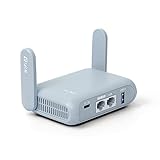
    GL.iNet GL-MT3000 Beryl AX

    GL.iNet GL-MT3000 Beryl AX

    ★★★★★★★★★★4.5/5
    • 2.5G multi-gig WAN
    • Wi-Fi 6 dual band
    • OpenWrt 21.02
    • VPN server and client at once
    BEST FOR LARGE HOUSEHOLDS
    TP-Link Roam 7 BE3600

    TP-Link Roam 7 BE3600

    ★★★★★★★★★★4.3/5
    • Wi-Fi 7 BE3600
    • Up to 90 devices
    • 2.5G WAN plus 1G LAN
    • USB-C power
    As an Amazon Associate we earn from qualifying purchases. CERTAIN CONTENT THAT APPEARS ON THIS SITE COMES FROM AMAZON. THIS CONTENT IS PROVIDED 'AS IS' AND IS SUBJECT TO CHANGE OR REMOVAL AT ANY TIME.

    Comparing the 10 Best Travel Routers for RV Travel in 2026

    Every unit below runs on 5V USB power except the Cudy LT500 Outdoor, which takes 24V passive PoE over a single Ethernet cable. None of the units except the Cudy LT500 and the TravlFi JourneyGo contain a cellular modem, which means the other eight need a phone hotspot, a USB 5G dongle, or a wired source such as Starlink.

    ProductDetailsAction
    Product
    GL.iNet GL-MT3000 Beryl AX
    • 2.5G multi-gig WAN
    • Wi-Fi 6 dual band
    • OpenWrt with VPN server and client
    • USB 3.0
    Check Latest Price
    Product
    GL.iNet GL-MT300N-V2 Mango
    • OpenWrt with OpenVPN client
    • 40 g body
    • Two Ethernet ports plus USB 2.0
    • Repeater mode
    Check Latest Price
    Product
    GL.iNet GL-SFT1200 Opal
    • AC1200 dual band
    • Two gigabit LAN plus gigabit WAN
    • Physical VPN toggle
    • Retractable antennas
    Check Latest Price
    Product
    TP-Link Roam 6 AX3000
    • AX3000 dual band Wi-Fi 6
    • 2.5G WAN or LAN plus 1G LAN
    • USB-C power
    • OpenVPN and WireGuard
    Check Latest Price
    Product
    TP-Link Roam 7 BE3600
    • BE3600 dual band Wi-Fi 7
    • Up to 90 devices
    • 2.5G WAN plus 1G LAN
    • Multi-Link Operation
    Check Latest Price
    Product
    Cudy LT500 Outdoor 4G
    • 4G LTE Cat.4 with nano SIM
    • IP65 weatherproof
    • 24V passive PoE
    • Four SMA antennas
    Check Latest Price
    Product
    Cudy TR3000
    • 2.5GbE on USB-C power
    • Wi-Fi 6 at 160 MHz
    • OpenWrt 24.10 with 256 MB RAM
    • Six operating modes
    Check Latest Price
    Product
    TravlFi JourneyGo LTE
    • Multi-network e-SIM
    • No contract prepaid plans
    • Private hotspot for the rig
    • US nationwide coverage
    Check Latest Price
    Product
    ASUS RT-AX57 Go
    • Wi-Fi 6 at 160 MHz for 70 devices
    • Tri-mode LTE and 5G tethering
    • AiMesh node compatible
    • 0.8 inch thin
    Check Latest Price
    Product
    ASUS RT-BE58 Go
    • Wi-Fi 7 up to 3600 Mbps
    • 18W USB-C Power Delivery
    • WISP mode toggle
    • Three year warranty
    Check Latest Price
    We earn from qualifying purchases. CERTAIN CONTENT THAT APPEARS ON THIS SITE COMES FROM AMAZON. THIS CONTENT IS PROVIDED 'AS IS' AND IS SUBJECT TO CHANGE OR REMOVAL AT ANY TIME.

    1. GL.iNet GL-MT3000 Beryl AX – Multi-Gig Speed in a Palm-Sized Body

    EDITOR'S CHOICE
    Product

    GL.iNet GL-MT3000 Beryl AX Wi-Fi 6 Travel Router, 2.5G WAN, VPN, OpenWrt

    ★★★★★★★★★★4.5 / 5

    Wi-Fi 6 dual band

    2.5G multi-gig WAN + 1G LAN

    USB 3.0

    OpenWrt 21.02

    196 g

    Check Price

    + Pros

    • 2.5G multi-gig WAN plus gigabit LAN and USB 3.0
    • VPN server and client run simultaneously
    • WireGuard throughput around 300 Mbps
    • Physical toggle for VPN or AdGuard Home
    • Tightest rating spread in the group at 4.5 stars

    – Cons

    • Only 64 MB of RAM limits heavy OpenWrt packages
    • Single gigabit LAN port alongside the 2.5G WAN
    • Needs a plug adapter rather than pure battery operation
    We earn a commission, at no additional cost to you. CERTAIN CONTENT THAT APPEARS ON THIS SITE COMES FROM AMAZON. THIS CONTENT IS PROVIDED 'AS IS' AND IS SUBJECT TO CHANGE OR REMOVAL AT ANY TIME.

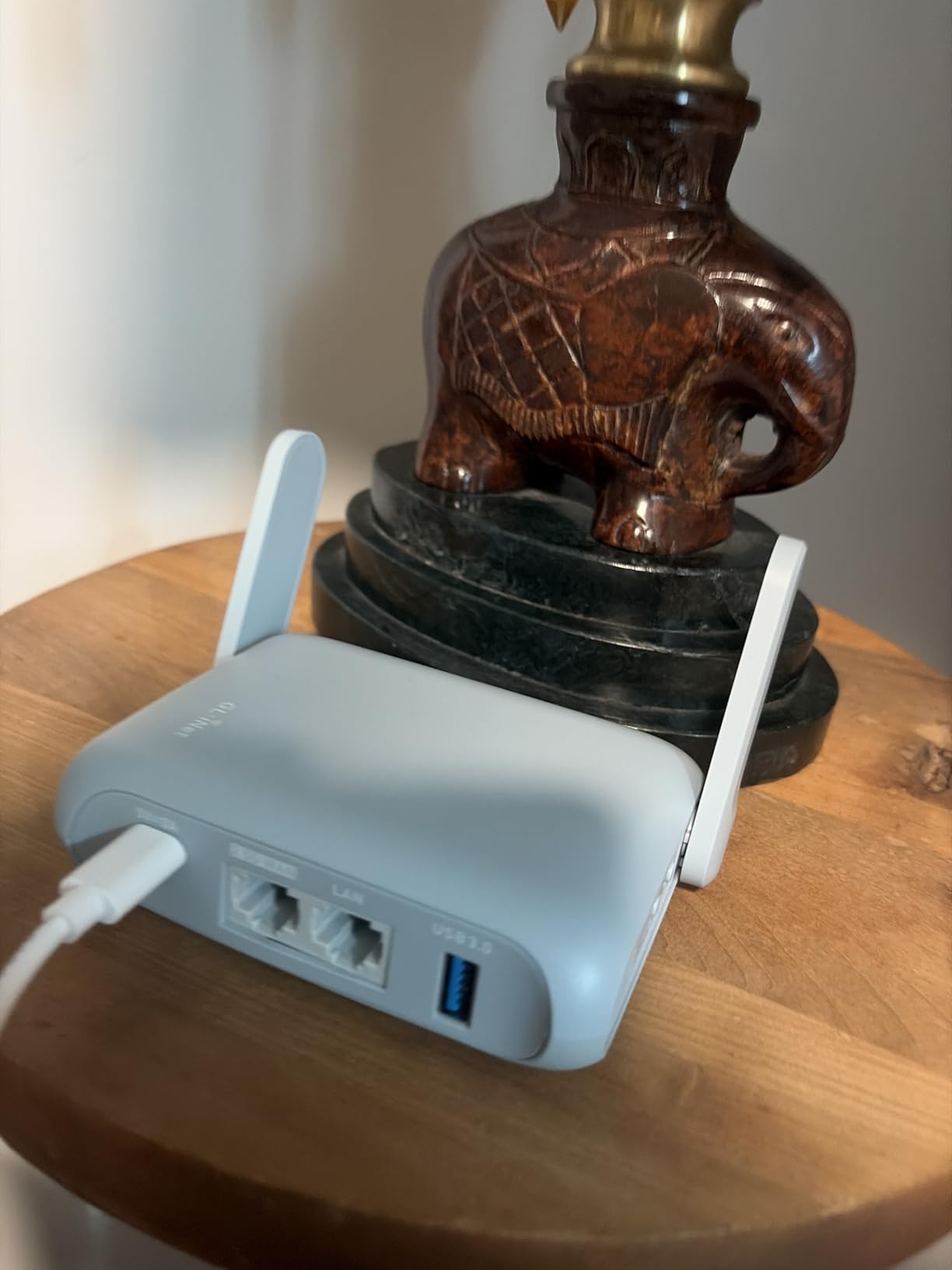
    The Beryl AX is the unit we keep reaching for, and the reason is simple: it runs a VPN server and a VPN client at the same time, so you can route your own traffic through a tunnel on public Wi-Fi and still reach a NAS, a printer or a camera on the local network from a phone in the back seat. That combination matters more in an RV than it does anywhere else.

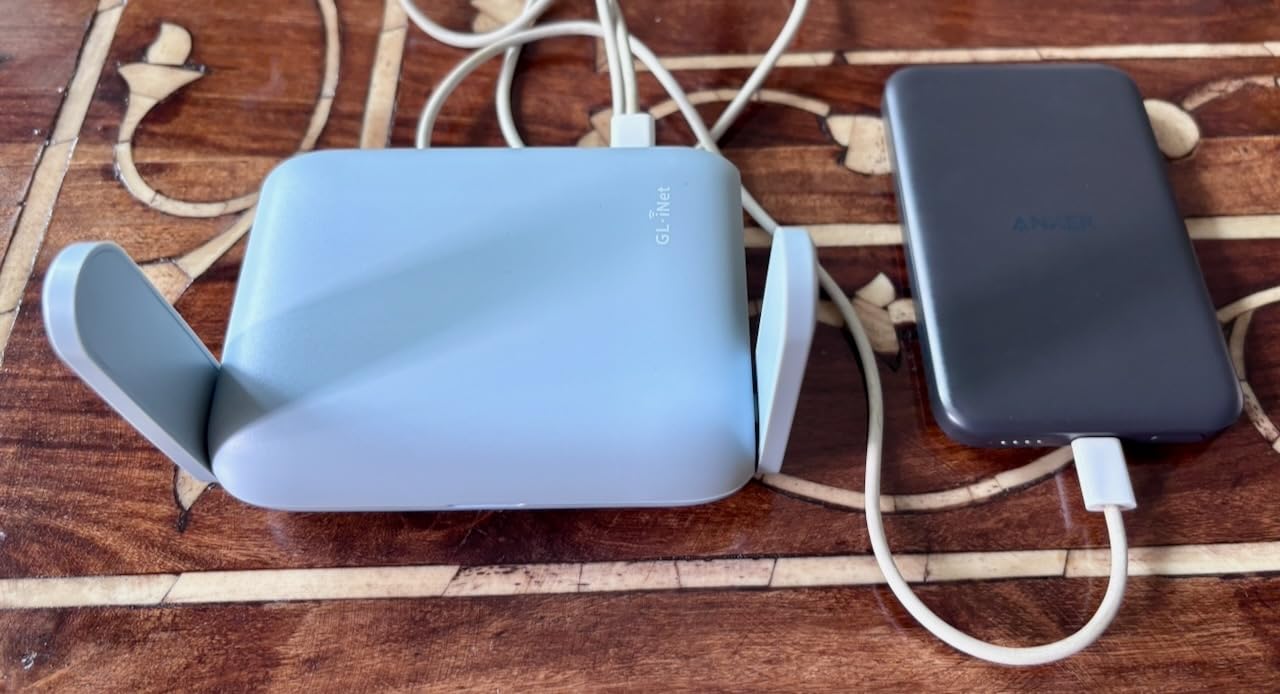
    At 196 grams and 4.17 by 3.27 by 1.3 inches, it disappears into a cabinet beside the entertainment centre, which matters when a coach interior already has three antennas competing for the same airspace. The 574 Mbps on 2.4 GHz and 2402 Mbps on 5 GHz Wi-Fi 6 radios are more than a phone hotspot can feed, so the extra headroom shows up on the devices that stay connected all day, laptops and smart TVs.
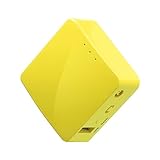
    GL.iNet GL-MT3000 Beryl AX Wi-Fi 6 Travel Router, 2.5G WAN, VPN, OpenWrt customer photo 1

    Where the 2.5G WAN Port Actually Helps

    Most travel routers stop at a gigabit WAN port, which means a Starlink feed or a fast 5G modem gets negotiated down. The multi-gig port on this unit keeps full speed, and the reviewers who use it with a 5G USB modem report the throughput ceiling is no longer the router. If your plan is to carry a phone hotspot and plug it into this box, that port is the reason it outruns cheaper alternatives.

    OpenWrt 21.02 and the Physical Toggle

    The firmware is genuine OpenWrt 21.02 with more than 5,000 plug-ins, and the side toggle switches between AdGuard Home, OpenVPN client and WireGuard client without opening a menu. Reviews note roughly 300 Mbps over WireGuard, which is fast enough that video calls stay steady even on a middling connection.

    The honest limitation is memory. 64 MB of RAM is the lowest in this roundup, and reviewers who tried loading heavy packages hit the ceiling. Out of the box, as a travel router, it never comes close to that limit.
    GL.iNet GL-MT3000 Beryl AX Wi-Fi 6 Travel Router, 2.5G WAN, VPN, OpenWrt customer photo 2

    For most RVers this is the router to buy: the best rating in the group, a 2.5G port most rivals lack, and VPN server and client in the same box. If you run older 2.4 GHz only devices in a camper van and want the smallest possible footprint, the Mango below does the same job for less.

    Check Latest Price on Amazon We earn a commission, at no additional cost to you. CERTAIN CONTENT THAT APPEARS ON THIS SITE COMES FROM AMAZON. THIS CONTENT IS PROVIDED 'AS IS' AND IS SUBJECT TO CHANGE OR REMOVAL AT ANY TIME.

    2. GL.iNet GL-MT300N-V2 Mango – The Most Proven Travel Router You Can Pack

    BEST VALUE

    + Pros

    • Deepest review history of any unit here
    • OpenWrt pre-installed with OpenVPN client for 30+ providers
    • 40 g body and 2.28 inch square footprint
    • Two Ethernet ports plus USB 2.0 for flexible sources
    • Two year warranty

    – Cons

    • Single 2.4 GHz band caps throughput at 300 Mbps
    • 100 Mbps LAN ports cap wired connections
    • Needs a separate 5V power adapter or laptop USB
    We earn a commission, at no additional cost to you. CERTAIN CONTENT THAT APPEARS ON THIS SITE COMES FROM AMAZON. THIS CONTENT IS PROVIDED 'AS IS' AND IS SUBJECT TO CHANGE OR REMOVAL AT ANY TIME.

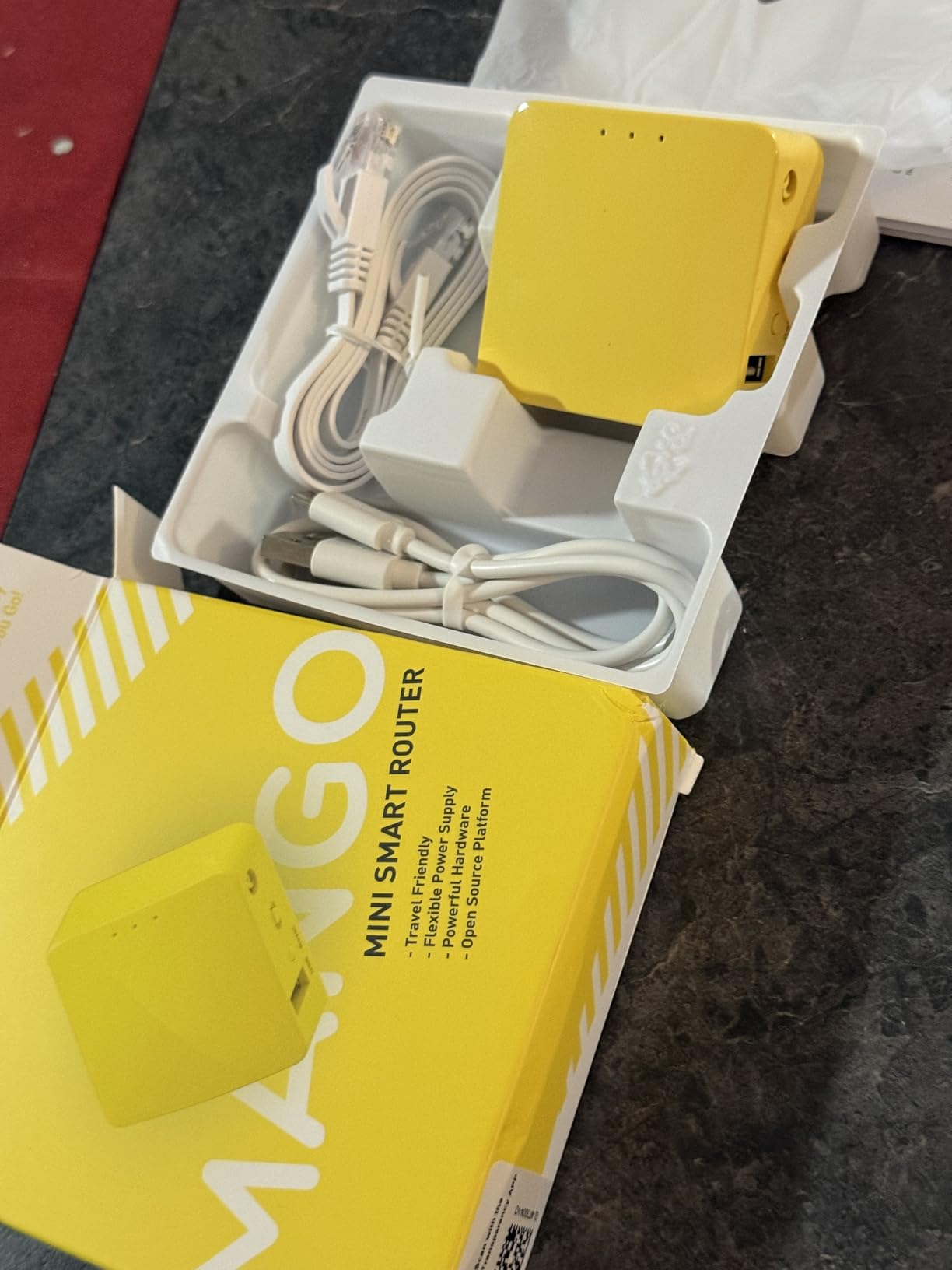
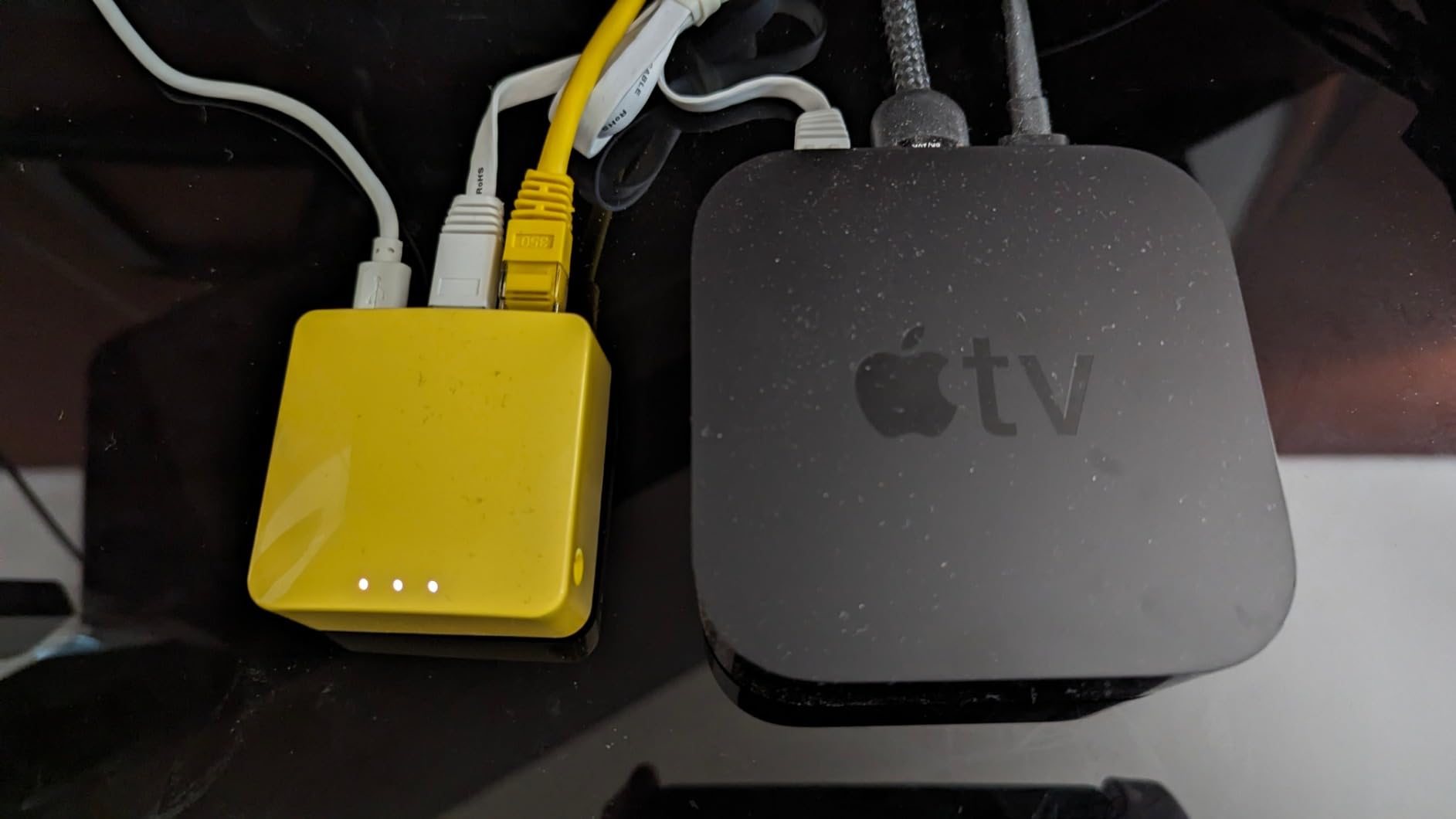
    Nothing else on this list has a longer public track record. With more than 13,000 ratings on file, the Mango is the travel router that has been through a decade of firmware updates, and users describe months of trouble-free service rather than a first-week impression. It weighs 40 grams, which is close to the weight of the cables in your RV cable drawer.

    For our money this is the answer for a couple who work from the road and need one secure network for two laptops and a phone. Point it at campground Wi-Fi through repeater mode, turn the VPN on, and the whole rig shares a private connection. It also runs comfortably off a small power bank, which makes it the simplest device here to keep alive during a long boondocking stop.
    GL.iNet GL-MT300N-V2 (Mango) Portable Mini Travel Wireless Pocket VPN WiFi Router - 2X Ethernet Ports | USB 2.0 | OpenWrt | OpenVPN/Wireguard for Public & Hotel Wi-Fi | Easy to Set up via Admin Panel customer photo 1

    OpenWrt Means You Are Never Locked Out

    The pre-installed OpenWrt firmware is the reason this unit has survived so long. The OpenVPN client works with more than 30 providers out of the box, the repeater mode turns a public network into your own, and the 128 MB of RAM plus USB disk extendability means it can be repaired or extended rather than replaced. For a device you might keep for five years, that flexibility is worth more than a faster radio.

    Where the Old Specs Bite

    The 2.4 GHz single band and 300 Mbps ceiling are real limits. Reviewers running this alongside newer gear note the drop when several 5 GHz devices connect at once, and the 100 Mbps Ethernet ports cannot carry a wired 5G modem at full speed. It is a network for a couple or a single remote worker, not for a family streaming on four screens.
    GL.iNet GL-MT300N-V2 (Mango) Portable Mini Travel Wireless Pocket VPN WiFi Router - 2X Ethernet Ports | USB 2.0 | OpenWrt | OpenVPN/Wireguard for Public & Hotel Wi-Fi | Easy to Set up via Admin Panel customer photo 2

    Pick the Mango if you want the cheapest reliable private network on the road and your device count is small. Pick the Beryl AX if that same network also has to serve smart TVs and newer laptops. Both are GL.iNet, both run OpenWrt, and both are two year warranty units.

    Check Latest Price on Amazon We earn a commission, at no additional cost to you. CERTAIN CONTENT THAT APPEARS ON THIS SITE COMES FROM AMAZON. THIS CONTENT IS PROVIDED 'AS IS' AND IS SUBJECT TO CHANGE OR REMOVAL AT ANY TIME.

    3. GL.iNet GL-SFT1200 Opal – Gigabit Ports and a Hardware VPN Switch

    BEST FOR SECURE PUBLIC WI-FI
    Product

    GL.iNet GL-SFT1200 Opal Travel Router, AC1200 Dual-Band Wi-Fi

    ★★★★★★★★★★4.2 / 5

    AC1200 dual band

    2 gigabit LAN + 1 gigabit WAN

    145 g

    Retractable antennas

    Check Price

    + Pros

    • Full gigabit WAN plus two gigabit LAN ports
    • Retractable antennas improve signal in RV parks
    • Physical toggle for OpenVPN and WireGuard
    • Runs OpenWrt with 30+ VPN providers
    • Thin 1.18 inch profile packs flat in a cabinet

    – Cons

    • No cellular modem
    • so a separate hotspot is still required
    • No easytethering support and needs manual tether setup
    • Toggle does nothing until assigned a function in the admin panel
    We earn a commission, at no additional cost to you. CERTAIN CONTENT THAT APPEARS ON THIS SITE COMES FROM AMAZON. THIS CONTENT IS PROVIDED 'AS IS' AND IS SUBJECT TO CHANGE OR REMOVAL AT ANY TIME.

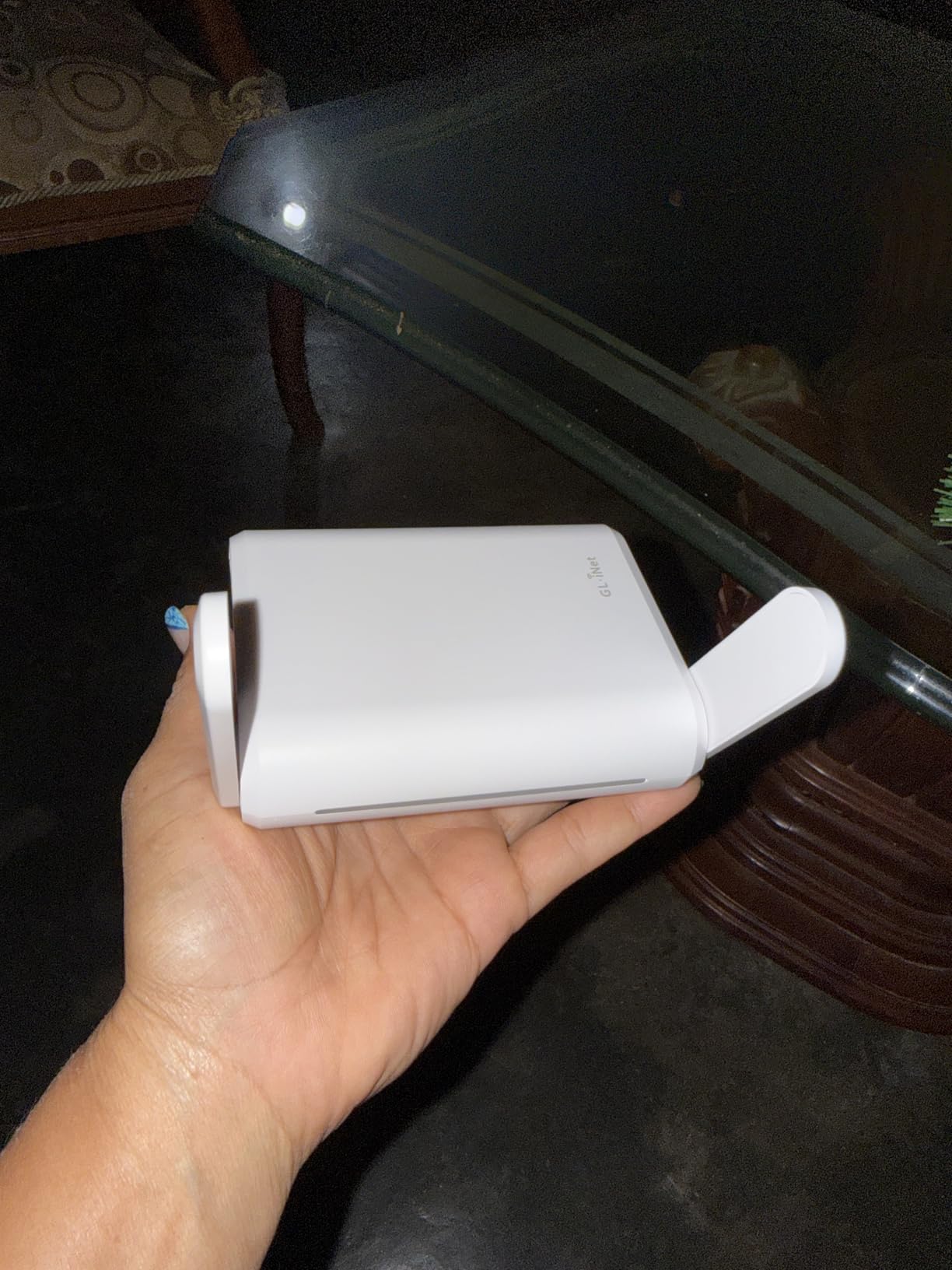
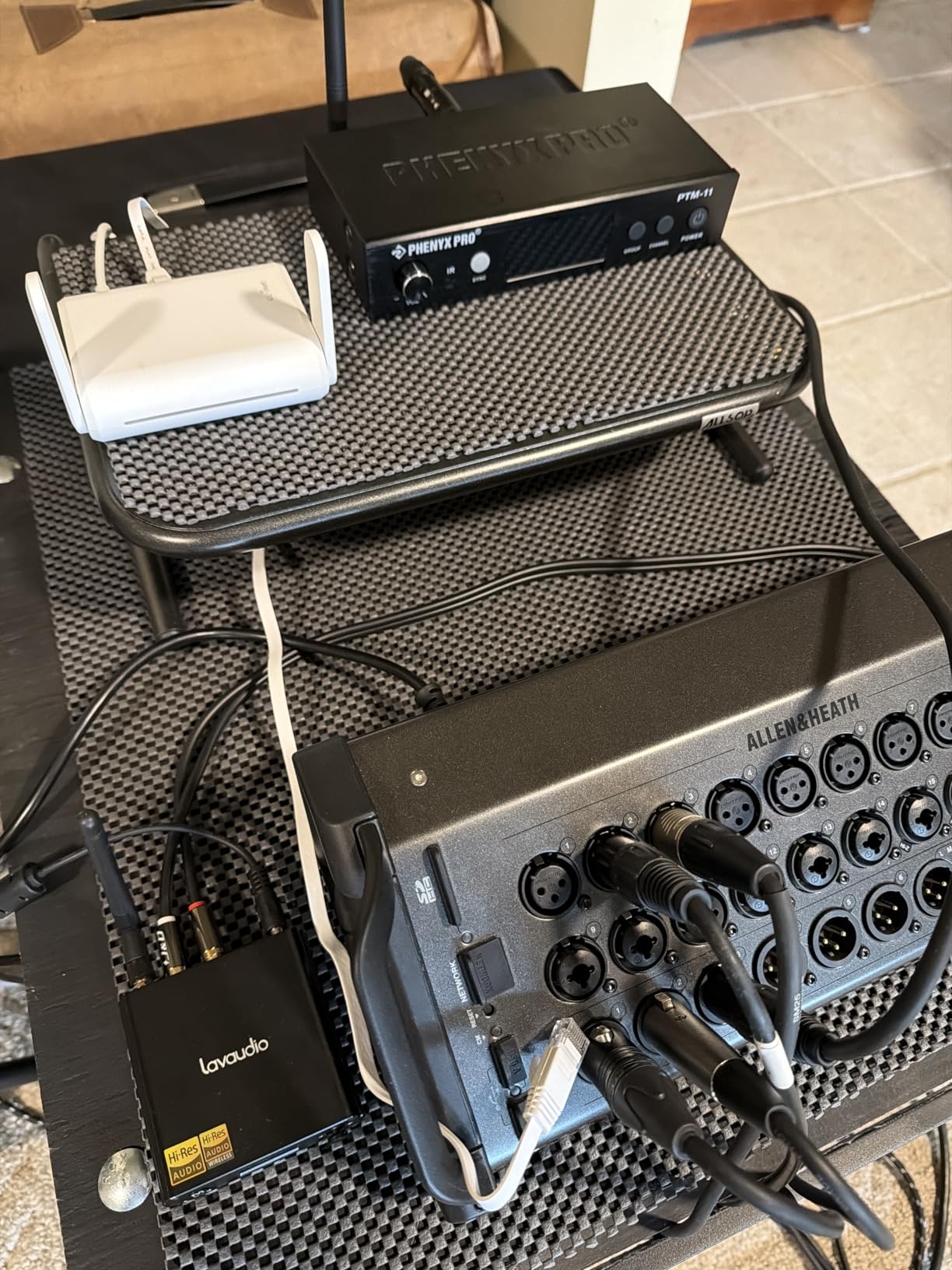
    The Opal is the version of the Mango that fixes its worst complaints. It keeps the OpenWrt foundation and the compact footprint, but replaces the 100 Mbps ports with gigabit ports and adds a second band.

    What makes it a distinct choice is the physical VPN switch. Flip it and the whole rig moves onto a tunnel without anyone opening an admin panel, which is exactly what you want when you are dragging a sleeping child to the truck in a parking lot at night. Reviewers call the retractable antennas a real improvement in crowded campgrounds where everyone is on the same channel.
    GL.iNet GL-SFT1200 Opal Travel Router, AC1200 Dual-Band Wi-Fi customer photo 1

    Three Gigabit Ports in a Travel-Sized Body

    Two gigabit LAN and one gigabit WAN is unusual at this size, and it matters in a coach where you may want a wired connection for a smart TV plus a switch for the rest. At 145 grams and 1.18 inches thick it slides into a cabinet gap, and at 5 volts it runs from the same power bank as your phone.

    The Software Rough Edges Are Real

    Two workflow issues come up repeatedly. There is no easytethering support, so attaching a phone means manual setup each time you switch devices, and the VPN toggle is inert until you first assign it a profile in the admin panel. Budget ten minutes with a laptop before your first night on the road rather than in a dark parking lot.
    GL.iNet GL-SFT1200 Opal Travel Router, AC1200 Dual-Band Wi-Fi customer photo 2

    This is the value pick for anyone who wants wired speed and one-touch security without moving up a tier. It shares the most reviews of any unit here after the Mango, so long-term reliability history is unusually well documented.

    Check Latest Price on Amazon We earn a commission, at no additional cost to you. CERTAIN CONTENT THAT APPEARS ON THIS SITE COMES FROM AMAZON. THIS CONTENT IS PROVIDED 'AS IS' AND IS SUBJECT TO CHANGE OR REMOVAL AT ANY TIME.

    4. TP-Link Roam 6 AX3000 – USB-C Power for Off-Grid Boondocking

    BEST FOR OFF-GRID BOONDOCKING
    Product

    TP-Link Roam 6 AX3000 Dual-Band Wi-Fi 6 Travel Router (TL-WR3002X)

    ★★★★★★★★★★4.0 / 5

    AX3000 dual band Wi-Fi 6

    2.5G WAN or LAN + 1G LAN

    USB-C powered

    5.28 oz

    Check Price

    + Pros

    • 2.5 Gbps WAN or LAN plus a gigabit LAN port
    • USB-C power lets it run from any 5V PD power bank
    • USB 3.0 supports drives and microSD cards up to 512GB
    • OpenVPN and WireGuard for client and server
    • CISA Secure-by-Design pledge signatory

    – Cons

    • Does not save credentials for previously visited public networks
    • No built-in cellular modem and no VPN kill switch
    • Firmware locks out editing between the app and web portal
    We earn a commission, at no additional cost to you. CERTAIN CONTENT THAT APPEARS ON THIS SITE COMES FROM AMAZON. THIS CONTENT IS PROVIDED 'AS IS' AND IS SUBJECT TO CHANGE OR REMOVAL AT ANY TIME.

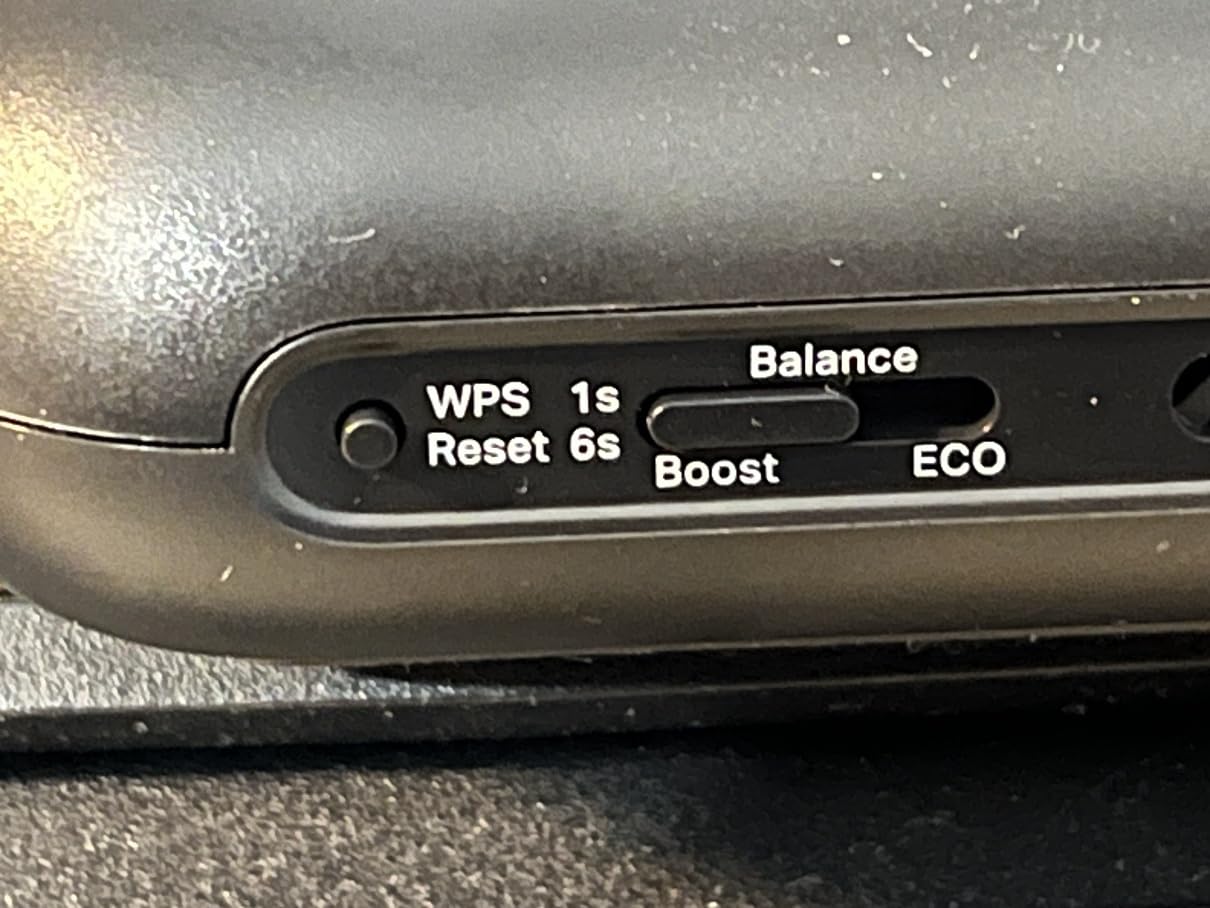
    The Roam 6 is the unit we would hand to someone who camps off-grid with no generator and no shore power. It draws from any 5V power bank over USB-C, which means the router, the phone and the laptop can all share one small battery bank for a weekend, and nothing about the setup requires a 12V socket.

    Speed is the other story. Owners put it near the top of their lists for throughput, frequently comparing it favourably to pricier GL.iNet units, and the 2.5 Gbps port means a 5G USB modem or Starlink feed is not throttled by the box it plugs into. It handles three modes out of the box: router for Ethernet or USB tethering, hotspot for public Wi-Fi, and access point or repeater for extending coverage inside a trailer.
    TP-Link Roam 6 AX3000 Dual-Band Wi-Fi 6 Travel Router (TL-WR3002X) customer photo 1

    Why USB-C Power Changes RV Install Decisions

    Every 5V PD power source works, including a power bank, a wall wart in an odd corner, or a USB port on an inverter. That flexibility removes the most common install problem in older coaches, where the only reliable power is a 12V DC socket behind a cabinet. At 5.28 ounces it can also be moved from the kitchen to the bed as you move around.

    Stored Credentials Are the Standout Complaint

    The most cited negative is that the router does not remember public networks you have already joined, so each new campground means reselecting the SSID and re-entering the password. The firmware also refuses simultaneous editing between the mobile app and the web portal, and there is no VPN kill switch to drop traffic if the tunnel drops. If you move every few days, expect a minute of setup per stop.
    TP-Link Roam 6 AX3000 Dual-Band Wi-Fi 6 Travel Router (TL-WR3002X) customer photo 2

    Choose the Roam 6 for throughput and clean off-grid power. Skip it if the interface simplicity of OpenWrt matters to you, since this unit does not support that firmware, and consider the Cudy TR3000 below if you want both multi-gig speed and OpenWrt.

    Check Latest Price on Amazon We earn a commission, at no additional cost to you. CERTAIN CONTENT THAT APPEARS ON THIS SITE COMES FROM AMAZON. THIS CONTENT IS PROVIDED 'AS IS' AND IS SUBJECT TO CHANGE OR REMOVAL AT ANY TIME.

    5. TP-Link Roam 7 BE3600 – Wi-Fi 7 With Room for 90 Devices

    BEST FOR LARGE HOUSEHOLDS
    Product

    Roam 7 BE3600 Wi-Fi 7 Portable Travel Router Dual-Band, 2.5G Port, USB 3.0

    ★★★★★★★★★★4.3 / 5

    BE3600 dual band Wi-Fi 7

    Up to 90 devices

    2.5G WAN + 1G LAN

    1800 sq ft

    8.8 oz

    Check Price

    + Pros

    • 2882 Mbps on 5 GHz and 688 Mbps on 2.4 GHz with MLO
    • Handles up to 90 connected devices at once
    • 2.5 Gbps WAN plus 1 Gbps LAN
    • Parental controls
    • guest mode
    • beamforming and QoS included
    • USB-C power from any 5V PD source

    – Cons

    • Dual band only with no 6 GHz support despite the Wi-Fi 7 label
    • Larger and heavier than most travel routers at 8.8 ounces
    • A single gigabit LAN port limits wired expansion
    We earn a commission, at no additional cost to you. CERTAIN CONTENT THAT APPEARS ON THIS SITE COMES FROM AMAZON. THIS CONTENT IS PROVIDED 'AS IS' AND IS SUBJECT TO CHANGE OR REMOVAL AT ANY TIME.

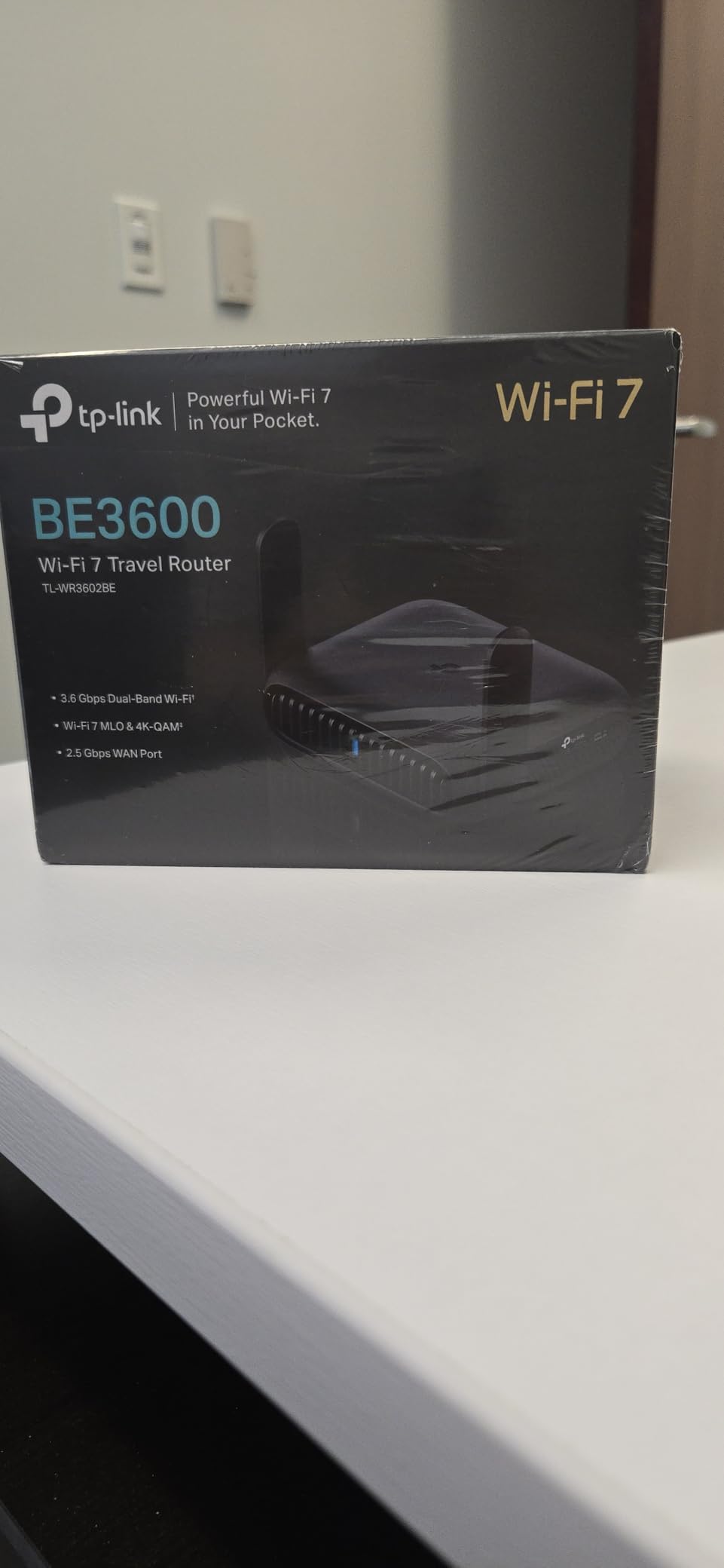
    Device count is the number one router question in a family RV, and this is the unit built for it. The stated ceiling is 90 simultaneous connections, which covers every phone, tablet, laptop, smart TV, streaming stick and doorbell camera in a full-time coach.

    It is also the highest rated Wi-Fi 7 unit here, with 2882 Mbps on 5 GHz and 688 Mbps on 2.4 GHz plus Multi-Link Operation. That extra throughput helps when several people stream from a shared cellular source, because the router is not the bottleneck while the signal is.
    Roam 7 BE3600 Wi-Fi 7 Portable Travel Router Dual-Band, 2.5G Port, USB 3.0 customer photo 1

    Parental Controls and QoS Without an Extra App

    Guest mode, beamforming, QoS and parental controls are normally features of full-size routers several times the size. Having them on a travel unit means you can set a priority for a work laptop during a video call or pause a child account at bedtime without touching a laptop. If you want deeper filtering, our routers with parental controls guide covers the dedicated hardware options.

    The Wi-Fi 7 Label Comes With a Caveat

    This is a dual-band unit. It does not use the 6 GHz band, so the headline figure comes from wide channels on 2.4 and 5 GHz alone. At 8.8 ounces and 4.96 by 3.68 inches it is the bulkiest pocket router on this list, which matters in a travel trailer where every cubic inch of cabinet is spoken for.
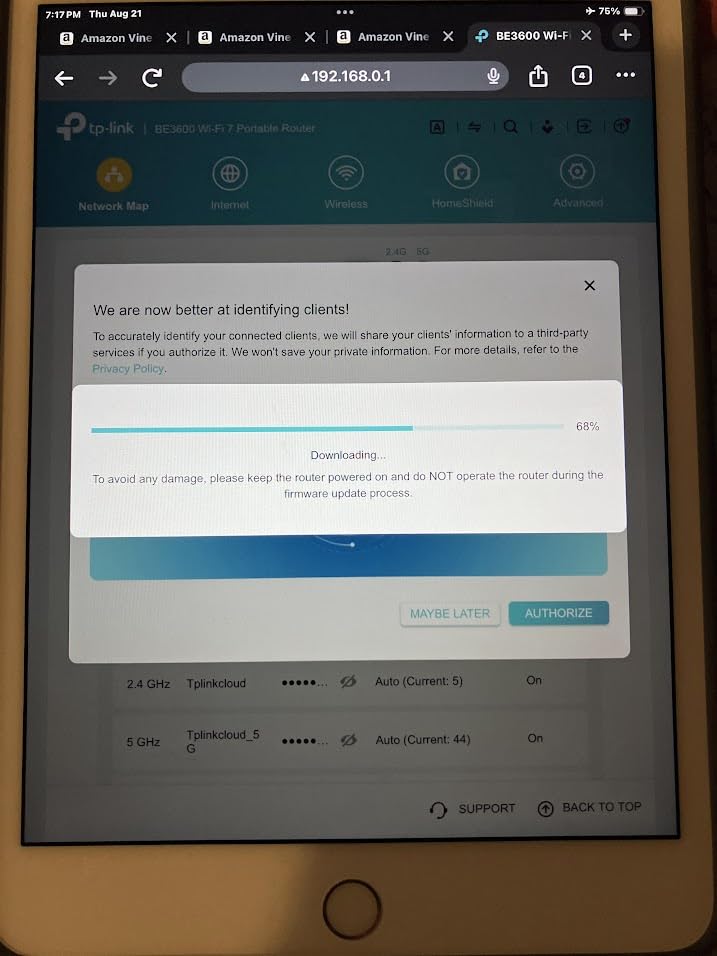
    Roam 7 BE3600 Wi-Fi 7 Portable Travel Router Dual-Band, 2.5G Port, USB 3.0 customer photo 2

    For a family RV with many connected devices and a crowded network, this is the strongest pick here. If you want newer Wi-Fi 7 silicon in a smaller body and value AiMesh expansion, the ASUS RT-BE58 Go at the end of this list is the alternative.

    Check Latest Price on Amazon We earn a commission, at no additional cost to you. CERTAIN CONTENT THAT APPEARS ON THIS SITE COMES FROM AMAZON. THIS CONTENT IS PROVIDED 'AS IS' AND IS SUBJECT TO CHANGE OR REMOVAL AT ANY TIME.

    6. Cudy LT500 Outdoor 4G – A Weatherproof Router With a Cellular Modem

    BEST FOR OUTDOOR MOUNTING
    Product

    Cudy Outdoor 4G LTE AC1200 Wi-Fi Router, IP65, PoE, LT500 Outdoor

    ★★★★★★★★★★4.1 / 5

    4G LTE Cat.4 with nano SIM

    IP65 rated -40 to 65C

    24V passive PoE

    490 g

    Check Price

    + Pros

    • Only weatherproof unit in the group with an IP65 enclosure
    • Built-in 4G LTE Cat.4 modem with a nano SIM slot
    • 24V passive PoE over a single Ethernet cable
    • Four detachable SMA antennas that can be upgraded
    • VPN server and client with WireGuard plus OpenVPN and IPsec

    – Cons

    • LTE throughput capped at 150 Mbps down and 50 Mbps up
    • Single 100 Mbps Ethernet port is the slowest here
    • AC1200 Wi-Fi 5 only with no Wi-Fi 6 or 7
    We earn a commission, at no additional cost to you. CERTAIN CONTENT THAT APPEARS ON THIS SITE COMES FROM AMAZON. THIS CONTENT IS PROVIDED 'AS IS' AND IS SUBJECT TO CHANGE OR REMOVAL AT ANY TIME.

    This is the one unit in the roundup that changes the installation conversation. It has a 4G LTE Cat.4 modem and a nano SIM slot, so it connects to cellular with no phone, no dongle and nothing else in your bag. The IP65 enclosure is rated from minus 40 to 65C with 4kV surge and 8kV ESD protection, which means it can live under an awning or on an exterior mount where an indoor-only router cannot.

    Single-cable power is the other reason people like it. A 24V passive PoE adapter sends power and data down one Ethernet run, so you can mount the unit where the signal is best, which in a metal-framed coach is rarely where the outlet is. It also supports WAN, WISP and cellular failover, so it can hold up a connection when a campground network drops.
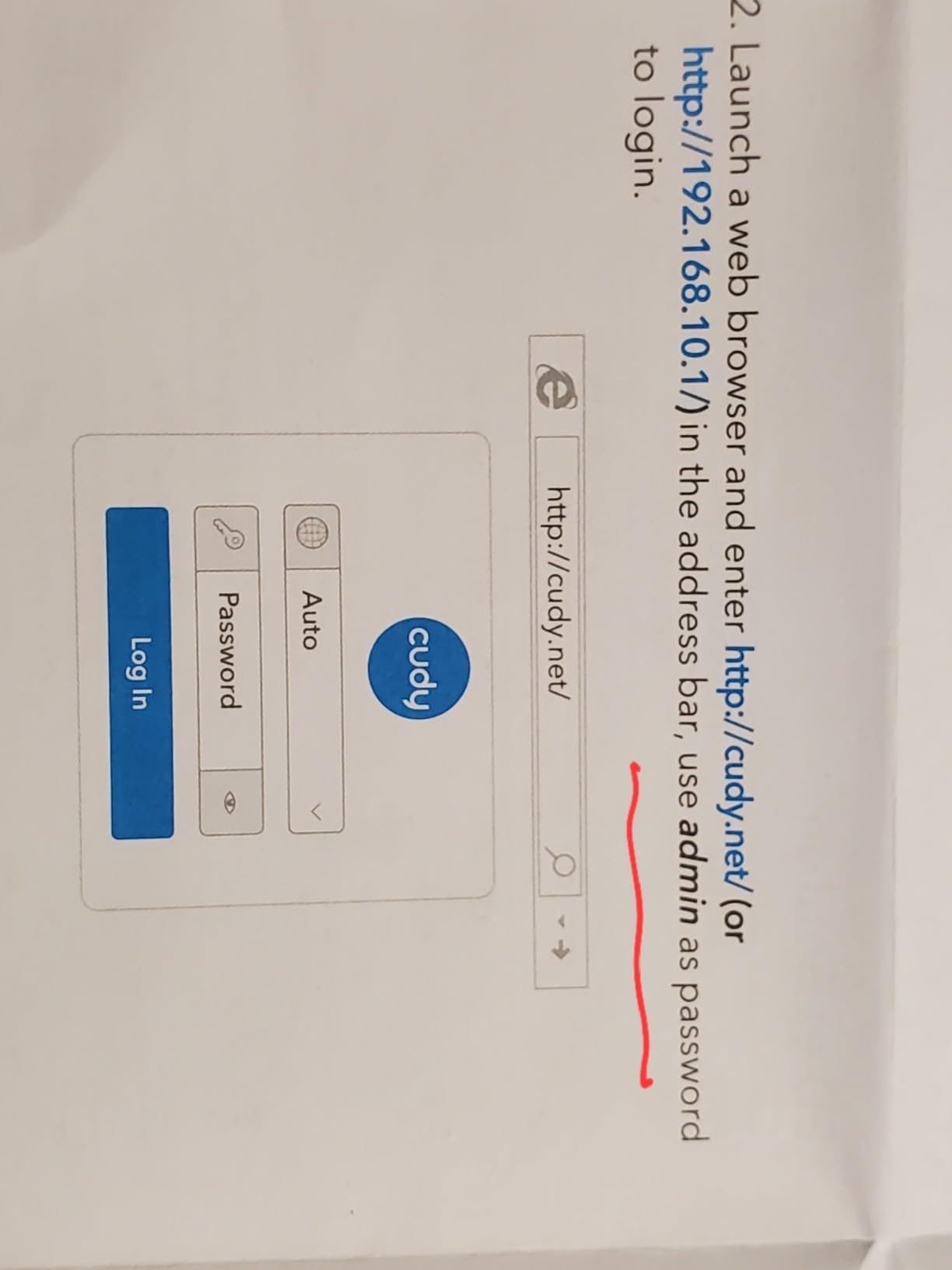
    Cudy 4G AC1200 Fast Port Wi-Fi Router with SIM Slot, IP65, LT500 Outdoor customer photo 1

    Placement Solves the Metal Wall Problem

    Signal inside an aluminum trailer is the single most common complaint from owners of indoor-only routers. A unit that lives outside or in an exterior compartment removes the metal, the cabinet walls and the appliances between the antenna and the nearest tower, and the four detachable SMA antennas let you substitute a longer or higher-gain set. That flexibility is the deciding factor for anyone who parked in a canyon or behind a ridge.

    The Older LTE Category Caps the Speed

    Cat.4 LTE means 150 Mbps download and 50 Mbps upload, which is fine for email, browsing and two people on calls but will feel modest next to a 5G plan. The single 100 Mbps Ethernet port also means this box is the last hop in the chain, so do not expect gigabit anything through it.
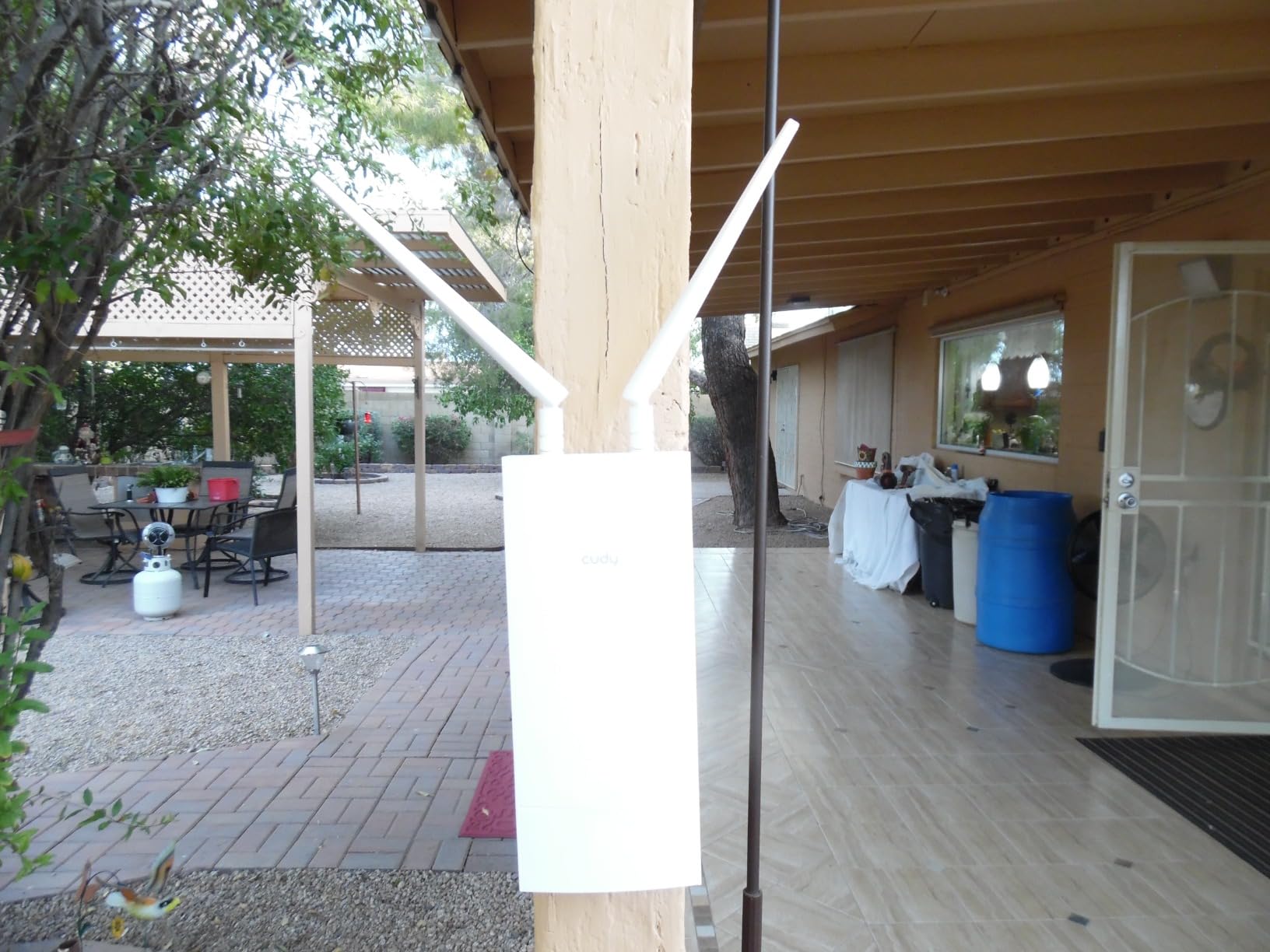
    Cudy 4G AC1200 Fast Port Wi-Fi Router with SIM Slot, IP65, LT500 Outdoor customer photo 2

    Buy the LT500 if you want one box that handles cellular, weather and single-cable mounting without any extras. If you want the newest wireless standard indoors, pair it with one of the Wi-Fi 6 or 7 travel routers above as the local network, since the Cudy Mesh main node can expand coverage with additional access points.

    Check Latest Price on Amazon We earn a commission, at no additional cost to you. CERTAIN CONTENT THAT APPEARS ON THIS SITE COMES FROM AMAZON. THIS CONTENT IS PROVIDED 'AS IS' AND IS SUBJECT TO CHANGE OR REMOVAL AT ANY TIME.

    7. Cudy TR3000 – The Most OpenWrt Headroom You Can Buy Small

    BEST FOR OPENWRT HEADROOM
    Product

    Cudy AX3000 Pocket-Sized Wi-Fi 6 Travel Router, 6-in-1 Modes, VPN, TR3000

    ★★★★★★★★★★4.1 / 5

    2.5GbE on USB-C power

    Wi-Fi 6 at 160 MHz

    OpenWrt 24.10 with 256 MB RAM

    220 g

    Check Price

    + Pros

    • 2.5GbE WAN throughput while running entirely on USB-C power
    • 256 MB RAM and 128 MB flash is the most headroom in the set
    • Wi-Fi 6 with 160 MHz channels and OFDMA plus MU-MIMO
    • WireGuard plus OpenVPN and IPsec over the 2.5GbE port
    • Six modes including WISP for captive portal logins

    – Cons

    • No built-in cellular modem
    • so cellular needs an external USB dongle
    • Drops to Wi-Fi 5 behaviour with older client devices
    • Much newer listing with a far smaller review base than GL.iNet
    We earn a commission, at no additional cost to you. CERTAIN CONTENT THAT APPEARS ON THIS SITE COMES FROM AMAZON. THIS CONTENT IS PROVIDED 'AS IS' AND IS SUBJECT TO CHANGE OR REMOVAL AT ANY TIME.

    The TR3000 answers the main objection we had about small OpenWrt routers, which is memory. With 256 MB of RAM and 128 MB of flash running OpenWrt 24.10, it has the headroom to install real packages, set up VLANs for an IoT subnet, and run policy-based routing without stalling, which the 64 MB Beryl AX cannot always do.

    It is also one of the few units here that pairs genuine multi-gig with USB-C-only power. That combination suits a modern coach build where the only convenient outlet is a USB-C port under a console, and 220 grams at 4.65 by 3.15 by 1.08 inches still mounts flat against a cabinet side.
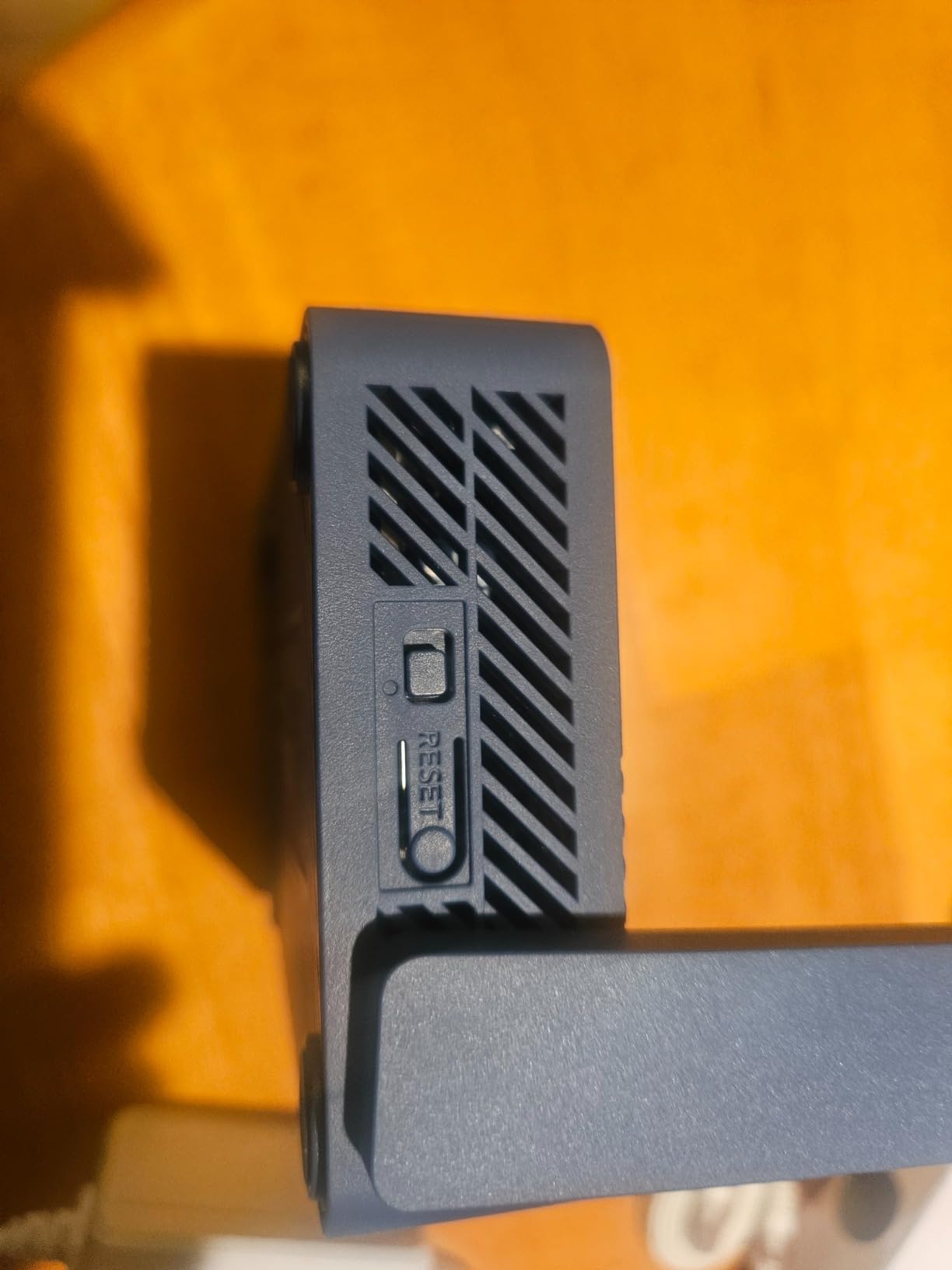
    Cudy AX3000 Pocket-Sized Wi-Fi 6 Travel Router, 6-in-1 Modes, VPN, TR3000 customer photo 1

    Six Operating Modes Cover Every Connection Type

    Router, access point, extender, client, repeater and WISP mode cover the sources an RV actually encounters. WISP is the one that matters most on the road, because it lets you log into a captive portal from a phone once and then hand the authenticated connection to the rest of the rig. The USB 3.0 port accepts a 4G or 5G dongle, which is the workaround for the missing internal modem, and doubles as a Samba NAS share.

    Less Long-Term Data Than the GL.iNet Units

    The review base here is a fraction of what the Mango and Opal have accumulated, so there is less long-term reliability history to lean on. Owners also note that paired with older client devices the radio behaves like Wi-Fi 5. If you want proven longevity over raw specifications, the OpenWrt route is safer with a GL.iNet unit.
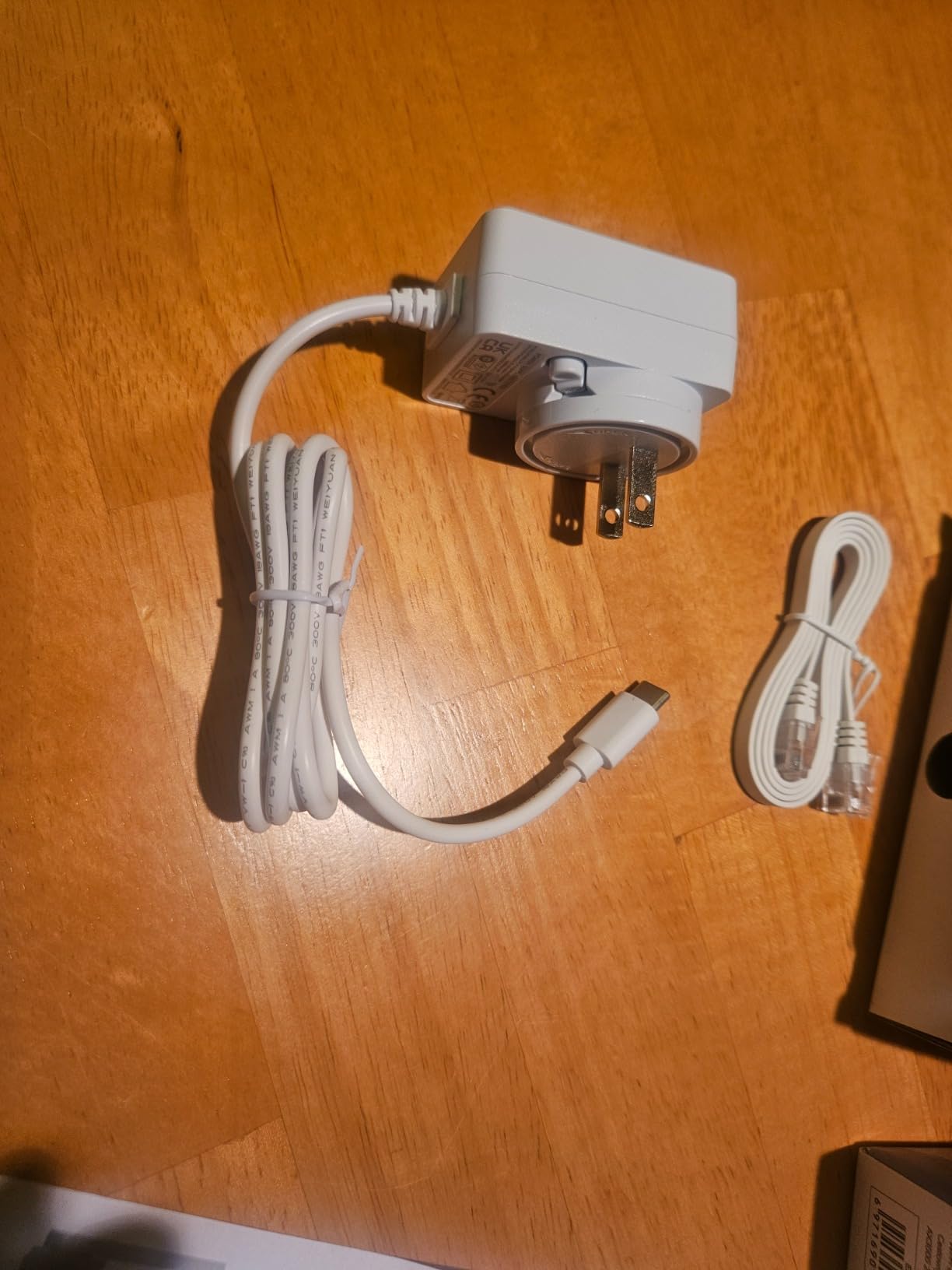
    Cudy AX3000 Pocket-Sized Wi-Fi 6 Travel Router, 6-in-1 Modes, VPN, TR3000 customer photo 2

    Choose the TR3000 when you want to run your own services or an AdGuard-style DNS block inside the rig and you need multi-gig speed to do it. Choose the Beryl AX when you want a similar port with a much longer track record behind it.

    Check Latest Price on Amazon We earn a commission, at no additional cost to you. CERTAIN CONTENT THAT APPEARS ON THIS SITE COMES FROM AMAZON. THIS CONTENT IS PROVIDED 'AS IS' AND IS SUBJECT TO CHANGE OR REMOVAL AT ANY TIME.

    8. TravlFi JourneyGo LTE – Cellular Built In With No Contract

    BEST FOR MULTI-NETWORK eSIM
    Product

    TravlFi JourneyGo 4G RV WiFi Hotspot Motorhomes No Contract eSIM

    ★★★★★★★★★★4.1 / 5

    LTE cellular built in

    Multi-network e-SIM

    US nationwide coverage

    No contract plans

    Check Price

    + Pros

    • Purpose-built as an RV internet solution rather than a general router
    • e-SIM switches across multiple nationwide cellular networks
    • No physical SIM and no contract with prepaid plans from 2 GB to unlimited
    • Creates a private network so devices avoid public Wi-Fi
    • Compact enough to carry between vehicles

    – Cons

    • 2.4 GHz single band Wi-Fi 4 is the oldest standard here
    • US-only coverage with no international roaming
    • No VPN client and only a one year warranty
    We earn a commission, at no additional cost to you. CERTAIN CONTENT THAT APPEARS ON THIS SITE COMES FROM AMAZON. THIS CONTENT IS PROVIDED 'AS IS' AND IS SUBJECT TO CHANGE OR REMOVAL AT ANY TIME.

    The JourneyGo is the one unit here where you buy hardware rather than a service contract, and for a lot of RVers that is the deciding factor. There is no physical SIM to lose, no activation window, and an e-SIM that reaches across multiple nationwide carrier networks, so a weak tower on one network does not end your connection. Plans run prepaid month to month from 2 GB upward, so an idle week costs nothing.

    It also solves a specific problem for couples and families. Some popular mobile carrier plans limit tethering to a single client, which makes them unusable when two people need to work. A dedicated hotspot broadcasts one network to everyone, so the limitation does not apply.
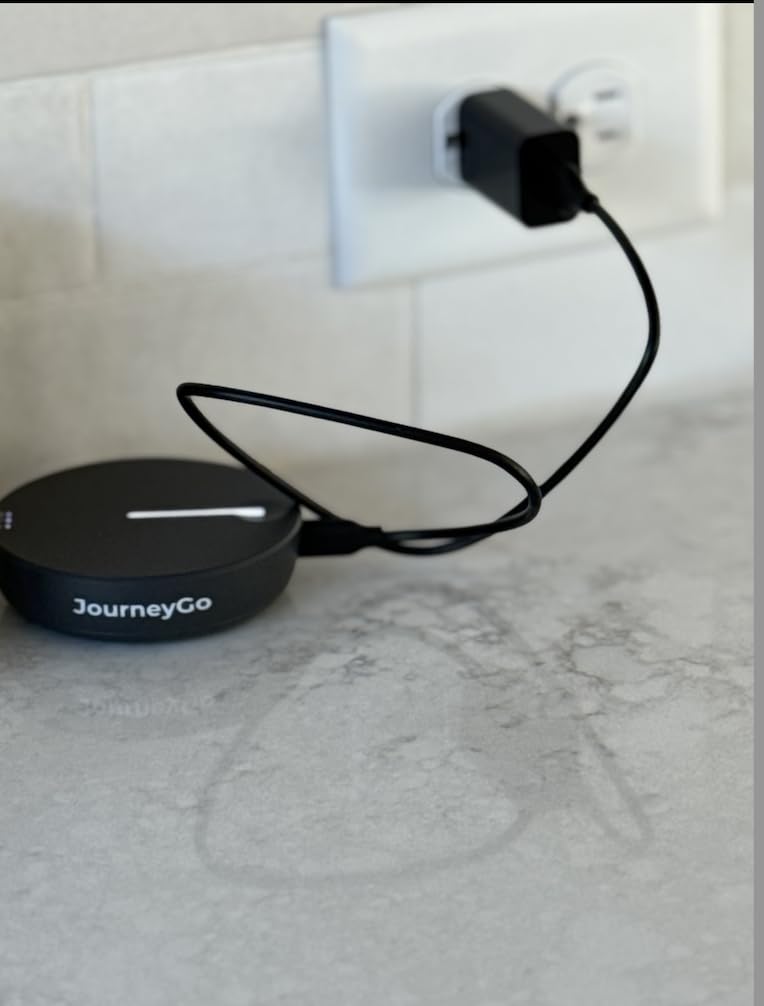
    TravlFi JourneyGo LTE RV WiFi Hotspot | RV Internet with Multiple Networks, Pay As You Go and No Contracts | Portable Internet for Travel, Motorhomes and Campers customer photo 1

    Why the e-SIM Matters More Than the Wi-Fi Speed

    The Wi-Fi 4 radio on this unit is old, and it shows on paper. What it does not show is how often the connection actually fails. Multi-network e-SIM switching means the device can move to a carrier that is serving the area you are parked in, which is a bigger reliability gain than the difference between 2.4 GHz and 5 GHz in a small trailer. Note that coverage is US-only, with no international roaming for cross-border trips.

    Where It Falls Short

    There is no VPN client, no OpenWrt, and no meaningful Ethernet flexibility, so this is not the box for hotel or campground Wi-Fi, and it cannot be paired into a multi-WAN setup the way a GL.iNet unit can. The one year warranty is also the shortest offered by any product here, which for a device you rely on in remote places is worth factoring in.
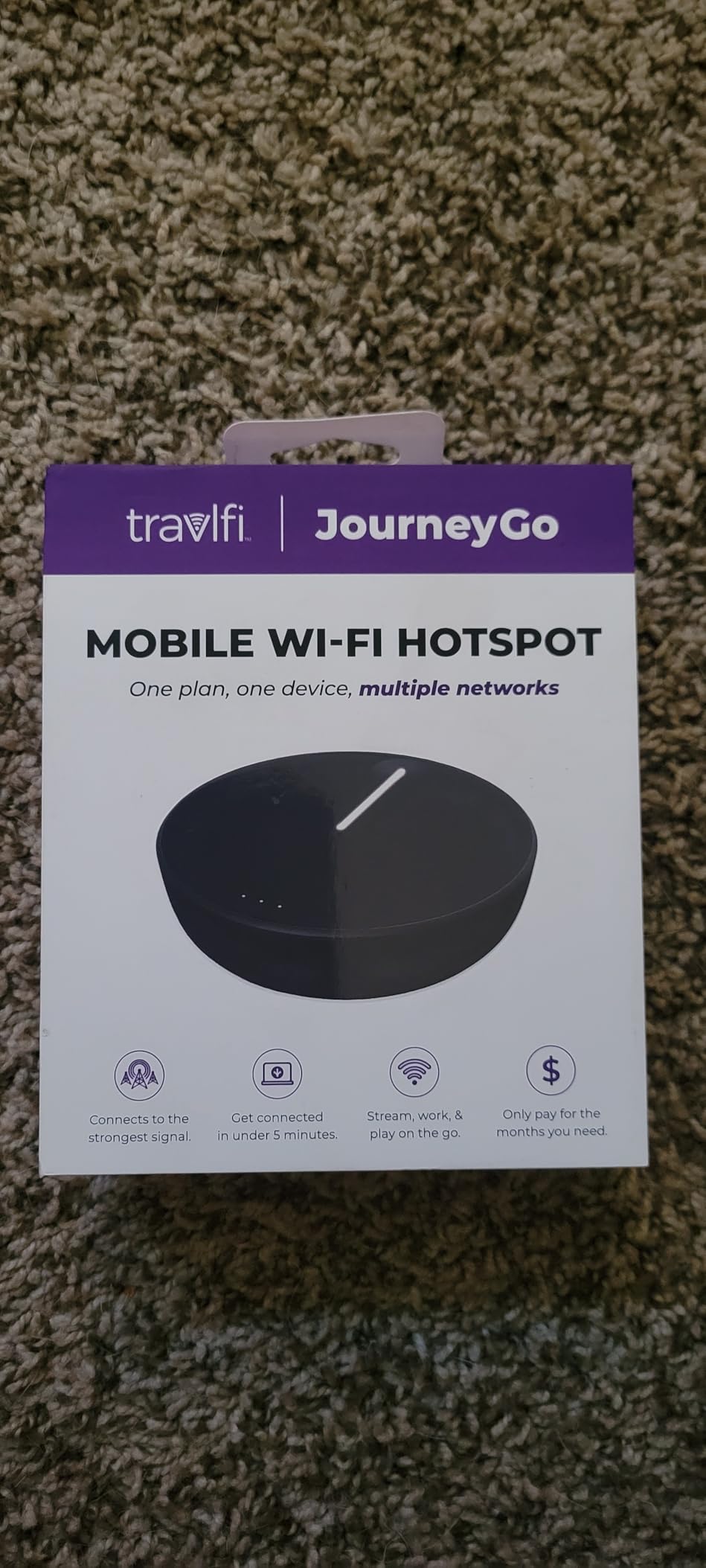
    TravlFi JourneyGo LTE RV WiFi Hotspot | RV Internet with Multiple Networks, Pay As You Go and No Contracts | Portable Internet for Travel, Motorhomes and Campers customer photo 2

    Pick the JourneyGo if cellular is your primary source, you travel inside the US, and you would rather pay month to month than commit to a device plan. If you also need secure public Wi-Fi on the way, pair it with a small OpenWrt router such as the Opal.

    Check Latest Price on Amazon We earn a commission, at no additional cost to you. CERTAIN CONTENT THAT APPEARS ON THIS SITE COMES FROM AMAZON. THIS CONTENT IS PROVIDED 'AS IS' AND IS SUBJECT TO CHANGE OR REMOVAL AT ANY TIME.

    9. ASUS RT-AX57 Go – Thin, Quiet, and Ready to Join an AiMesh Network

    BEST FOR AIMEESH

    + Pros

    • Full ASUSWRT feature set with AiMesh node mode and tri-mode connectivity
    • Supports 4G LTE and 5G tethering plus WISP mode over public Wi-Fi
    • Triple-level security with AiProtection and DNS over TLS
    • Under an inch thick and includes a flannel travel bag
    • Silent fanless operation with a disableable status LED

    – Cons

    • Does not remember public Wi-Fi network settings between stays
    • Takes about five minutes and several restarts to join a new public network
    • No PoE and no WAN failover in public Wi-Fi mode
    We earn a commission, at no additional cost to you. CERTAIN CONTENT THAT APPEARS ON THIS SITE COMES FROM AMAZON. THIS CONTENT IS PROVIDED 'AS IS' AND IS SUBJECT TO CHANGE OR REMOVAL AT ANY TIME.

    At 4.7 inches square and 0.8 inches thick, the RT-AX57 Go is one of the thinnest routers here, and it includes a flannel travel bag, which tells you how ASUS expects it to be used. It is fanless, so there is no motor hum in a sleeping cabin, and the status LED can be switched off in software when you want a dark bunkhouse.

    The real reason to consider it is AiMesh. If you already run an ASUS mesh system at a fixed location, this unit can join that network as a node, and several owners have promoted it to be their primary router. Its 512 MB of RAM also gives the ASUSWRT interface more headroom than most travel routers here.
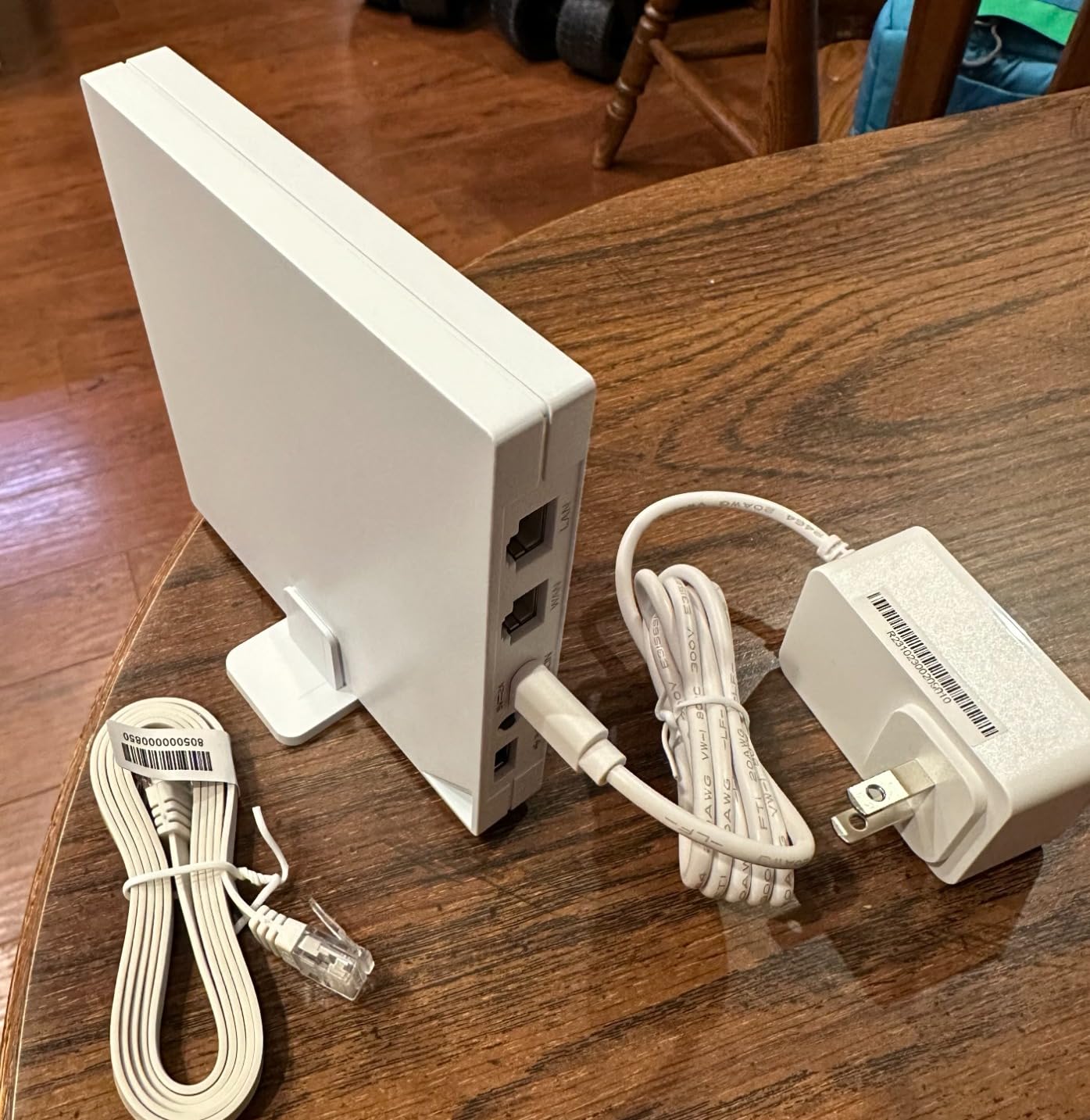
    ASUS RT-AX57 GO -AX3000 Dual Band WiFi 6 Portable Travel Router, 4G/5G tethering, Public WiFi (WISP) Mode, Advance Network Security, VPN, AiMesh, Guest Portal, RV/Cruise/Mobile, USB-C Powered. customer photo 1

    Tri-Mode Connectivity in One Switch

    A single toggle moves between 4G or 5G tethering from a phone and a private hotspot over public Wi-Fi in WISP mode. That is genuinely useful in a motorhome, where a morning might start on tethering, switch to campground Wi-Fi in the afternoon, and end on a hotel network. The commercial-grade security layer, with AiProtection, DNS over TLS and a one-tap network scan, is also far deeper than most travel routers offer.

    The Weakest Public Wi-Fi Handling Here

    This is the most important thing to know before buying. Reviewers report that the unit does not save public network settings, that joining a new network takes roughly five minutes with several restarts, and that some public networks which GL.iNet units connect to simply fail on this one. It also disables WAN-to-LAN routing once in public Wi-Fi mode and offers no failover between sources.

    ASUS RT-AX57 GO -AX3000 Dual Band WiFi 6 Portable Travel Router, 4G/5G tethering, Public WiFi (WISP) Mode, Advance Network Security, VPN, AiMesh, Guest Portal, RV/Cruise/Mobile, USB-C Powered. customer photo 2

    Buy the RT-AX57 Go if you are already invested in the ASUS ecosystem, value the security features and silent form factor, and mostly connect through tethering rather than campground Wi-Fi. If joining unknown public networks is part of your route, the OpenWrt-based GL.iNet units are the safer bet.

    Check Latest Price on Amazon We earn a commission, at no additional cost to you. CERTAIN CONTENT THAT APPEARS ON THIS SITE COMES FROM AMAZON. THIS CONTENT IS PROVIDED 'AS IS' AND IS SUBJECT TO CHANGE OR REMOVAL AT ANY TIME.

    10. ASUS RT-BE58 Go – Wi-Fi 7 With 18W Power Delivery on One Port

    BEST FOR SHARED CHARGING
    Product

    ASUS RT-BE58 Go Travel Router WiFi 7 Dual-Band, 3.6Gbps, Secure Public WiFi

    ★★★★★★★★★★4.2 / 5

    Wi-Fi 7 up to 3600 Mbps

    18W USB-C Power Delivery

    256 MB flash

    3 year warranty

    Check Price

    + Pros

    • Dual band Wi-Fi 7 with Multi-Link Operation and 4K-QAM
    • 18W USB-C Power Delivery covers a laptop
    • phone and router on one charger
    • WISP mode secured with a physical toggle switch
    • 3 year manufacturer warranty
    • Guest Network Pro for IoT subnets and AiMesh expansion

    – Cons

    • Only one LAN port
    • a step down from the two port RT-AX57 Go
    • Several buyers reported units whose radios failed to broadcast after setup
    • A minority report losing saved settings
    We earn a commission, at no additional cost to you. CERTAIN CONTENT THAT APPEARS ON THIS SITE COMES FROM AMAZON. THIS CONTENT IS PROVIDED 'AS IS' AND IS SUBJECT TO CHANGE OR REMOVAL AT ANY TIME.

    The one thing that genuinely separates this unit is the 18W Power Delivery output on its USB-C port. In an RV where outlet space is tight, a single charger that tops up a laptop, a phone and the router removes two cables from the console, and the router still runs while doing it. Add the WISP toggle for securing hotel and cruise ship networks and it becomes a tidy one-cable travel setup.

    On paper the wireless is strong too, with dual band Wi-Fi 7 up to 3600 Mbps using Multi-Link Operation and 4K-QAM, 2 antennas, and a 2.5G port. The operating mode list is broad, covering router, AiMesh node, range extender, access point, media bridge, repeater and public Wi-Fi mode.
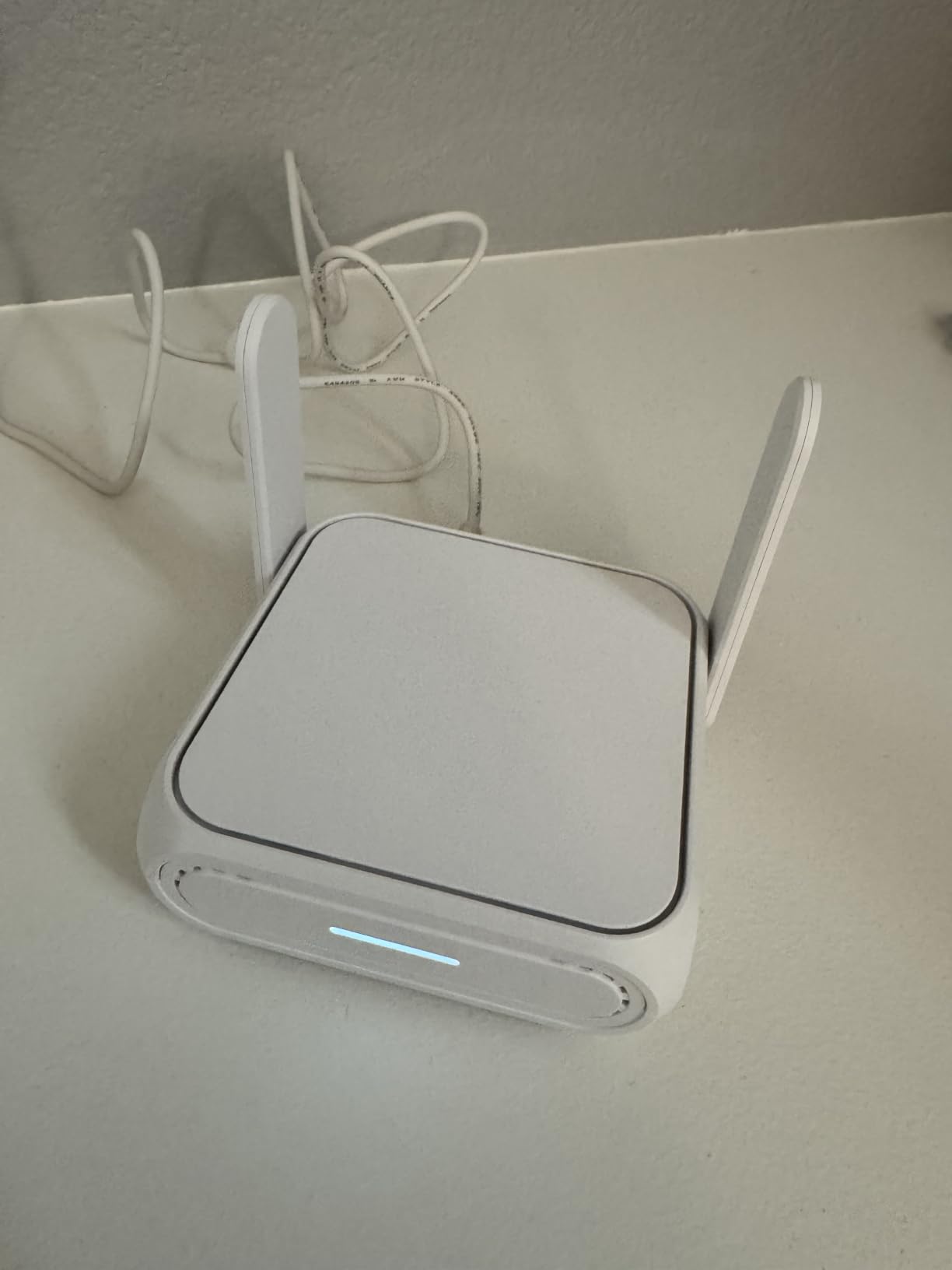
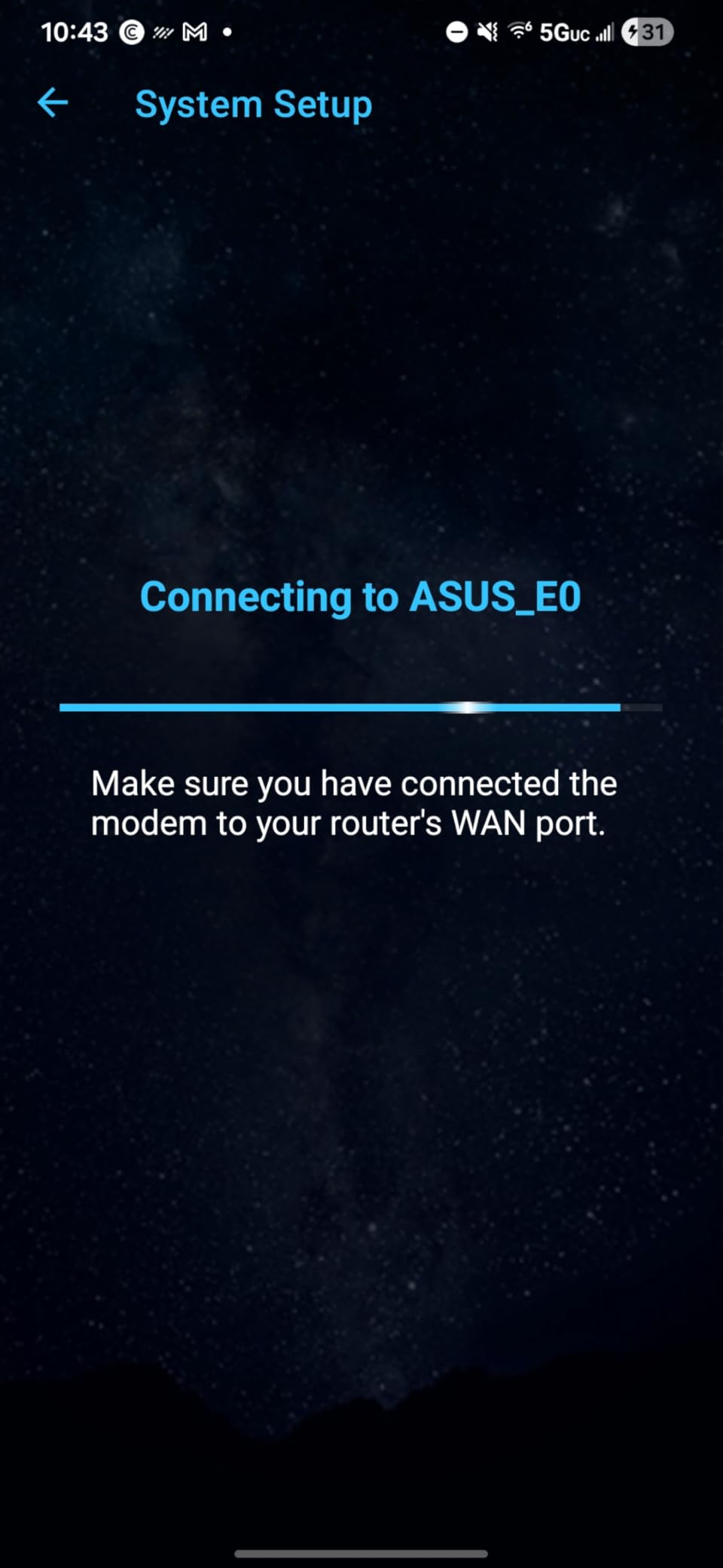
    ASUS RT-BE58 Go Travel Router WiFi 7 Dual-Band, 3.6Gbps, Secure Public WiFi customer photo 1

    One Charger for the Whole Console

    Most travel routers draw a few watts, but this one can push 18W out while running, so a single USB-C brick replaces the three-way adapter most RVers carry.

    Early Hardware Reports Are Worth Reading

    This is the newest unit in the group, with the smallest review base at 135 ratings, and that shows in the details. Several buyers report units whose radios failed to broadcast after being used on the road and needed service or replacement, and a minority report losing saved settings and needing repeated factory resets. Owners who received replacements report the units working well, so this looks like a settling issue rather than a design flaw, but it is a real risk on a first purchase.
    ASUS RT-BE58 Go Travel Router WiFi 7 Dual-Band, 3.6Gbps, Secure Public WiFi customer photo 2

    Choose the RT-BE58 Go if Wi-Fi 7, shared USB-C charging and a long warranty matter more than having more than one Ethernet port. If you need several wired ports in a coach, the Roam 7 or the Beryl AX makes more sense.

    Check Latest Price on Amazon We earn a commission, at no additional cost to you. CERTAIN CONTENT THAT APPEARS ON THIS SITE COMES FROM AMAZON. THIS CONTENT IS PROVIDED 'AS IS' AND IS SUBJECT TO CHANGE OR REMOVAL AT ANY TIME.

    Pocket Travel Routers vs 5G Cellular Routers: Which One Does an RV Need?

    A pocket travel router is a network organiser. It has no radio for cellular, so you supply the internet from a phone hotspot over USB or Wi-Fi, a 5G or 4G USB dongle in its USB port, a Starlink Ethernet port, or campground Wi-Fi through WISP mode. Eight of the ten units in this roundup are pocket routers, and all of them run on 5V USB power except the Cudy LT500.

    A cellular travel router has the modem inside. A SIM or e-SIM goes into the device and it connects to a tower on its own, which is why the Cudy LT500 and the TravlFi JourneyGo are the only picks here that work with nothing else in your bag. Their trade-off is that they are tied to the cellular category they shipped with, and the fastest of them here is still LTE rather than 5G.

    The practical advice is to buy for the weakest link you will actually use. If you already carry a phone with a generous data plan and want good Wi-Fi inside the rig, a pocket router is the right answer. If you want one device that works the moment you park, a cellular unit avoids the extra hardware but caps you at a 150 Mbps LTE ceiling on the model in this group.

    How to Choose a Travel Router for RV Use

    Start With the Source of Your Internet

    Decide whether your primary source will be a phone hotspot, a dedicated cellular plan, Starlink or campground Wi-Fi, and buy the router to match. A router with no cellular modem plus a phone hotspot is the cheapest combination and the most flexible. A router with a cellular modem is simpler. A router with strong WISP mode matters most if you plan to lean on campground networks, which camper communities consistently describe as slow and best limited to email.

    Count Devices, Then Add a Margin

    Every connected thing counts, including smart TVs, streaming sticks, doorbell cameras and a wireless printer. The ASUS RT-AX57 Go supports up to 70 devices, and the TP-Link Roam 7 handles up to 90. Smaller Wi-Fi 4 units will keep a couple of laptops and a phone happy but struggle once a family sits down to watch something.

    Check the Ports, Not Just the Radio Speed

    A fast radio plugged into a 100 Mbps port is still slow. Look for a 2.5G port if you plan to feed it from Starlink or a fast 5G modem, and count LAN ports against the number of wired devices you actually have. Starlink installations in particular often need extra Ethernet ports, which is part of why travelers add a travel router rather than using the satellite router alone.

    Confirm the VPN Story Before You Hit Public Wi-Fi

    For any unsecured network, you want a client tunnel built in. OpenWrt-based GL.iNet units include OpenVPN and WireGuard compatible with 30 or more providers, and the Cudy units add IPsec and ZeroTier. If you also want to reach devices at home or on your own network from the road, you need a VPN server as well, which is what the Beryl AX does simultaneously.

    Think About Power, Not Just Features

    All ten units run on low power by design, which is what makes them usable boondocking. USB-C power from any 5V PD source is the most flexible option and covers power banks, as the TP-Link Roam 6 and Roam 7 both do. If you want to mount a router permanently on an exterior wall or awning rail, the Cudy LT500’s single-cable 24V passive PoE is the only approach in this group that lets the unit sit away from an outlet.

    Read the Reliability Complaints, Not Just the Ratings

    Review data is more useful than star averages. In this group, owners of the ASUS RT-AX57 Go report that public network credentials are not saved and that some campground networks will not connect, and the newest ASUS unit has a handful of radio failure reports. Neither issue appears on the GL.iNet units, which is why a 4.1 rating with more than 13,000 reviews can be a safer bet than a 4.5 with fewer.

    Pairing a Travel Router With Starlink, Cellular, and Campground Wi-Fi

    Starlink’s own router offers a single Ethernet port and limited Wi-Fi coverage inside a coach, so travelers add a travel router to get more ports and a stronger local network. The travel router’s job is to hold several sources and switch between them.

    There are three steps to a reliable multi-source setup. First, plug the Starlink Ethernet output into the travel router WAN port and set the router to router mode. Second, attach a 5G USB dongle or a phone tether to the USB port, or fit a cellular SIM if your router has a modem, so a second source is ready. Third, configure the campground network as a WISP or repeater profile so the router can fall back to it when the primary sources drop.

    For a comparison of how satellite and cellular behave on the road, our camping trip gear guide covers the other half of what a long stop actually requires.

    Frequently Asked Questions

    What is the best portable Wi-Fi for RV?

    The GL.iNet GL-MT3000 Beryl AX is the strongest all-round choice for an RV. It has a 2.5G multi-gig WAN port, dual band Wi-Fi 6, and OpenWrt firmware that runs a VPN server and client at the same time, so you can secure campground Wi-Fi and still reach your own devices. Pair it with a phone hotspot, a 5G USB dongle or a Starlink feed.

    What is the best router for an RV?

    For most RVers the best router is a travel router with a multi-gig WAN port, dual band Wi-Fi 6 or Wi-Fi 7, and a built-in VPN. Those traits are what let a single box handle a Starlink feed, a phone hotspot and campground Wi-Fi while keeping the whole rig on one private network. Full-time RVers who want automatic bonding instead should look at the fixed-install mobile router class, which costs considerably more.

    What is the best router for a camper?

    For a camper van or small travel trailer, the GL.iNet GL-MT300N-V2 Mango is the practical answer. At 40 grams it takes no space, it runs from a power bank over USB, and its OpenWrt firmware includes an OpenVPN client for securing public networks. Its 2.4 GHz single band radio and 100 Mbps ports mean it suits one or two people rather than a family streaming on several screens.

    Is there an alternative to Starlink for RV?

    Yes, and many travelers run both together. A 5G cellular plan with a multi-gig travel router, or a cellular hotspot such as the TravlFi JourneyGo with its multi-network e-SIM, can carry video calls and remote work on its own in most populated areas. Cellular is cheaper month to month and far less obstructed by terrain, while Starlink is the better answer in remote regions and for consistent latency.

    Which is better, Starlink or TravlFi?

    They suit different situations. Starlink is a monthly satellite subscription with hardware that can be permanently mounted and pointed at open sky, giving consistent speeds far from towns but with latency and clear-sky dependence. The TravlFi JourneyGo is a hardware purchase with prepaid month to month data across multiple US carrier networks through an e-SIM, no contract and no installation. Choose satellite for remote travel, cellular for cost control and flexibility.

    Which Travel Router Should You Buy?

    Pick the GL.iNet GL-MT3000 Beryl AX if you want the best combination of speed, port choice and security in this roundup. Pick the GL.iNet GL-MT300N-V2 Mango if you are one or two people, you want the smallest proven unit, and you will pair it with a phone hotspot. Pick the TP-Link Roam 7 BE3600 if a full house of devices shares the network. Pick the TP-Link Roam 6 AX3000 if you boondock and want USB-C power from a power bank. Pick the Cudy LT500 Outdoor 4G if you want one weatherproof box with a cellular modem and single-cable mounting outside the coach, and pick the TravlFi JourneyGo if you want cellular with no contract and no SIM to lose.

    Whichever you choose, decide your internet source before the router, and check that it remembers the public networks you use. For more on the wireless side of the picture, our Wi-Fi 7 router guide covers the fixed-install options worth comparing against a travel router. These remain the best travel routers for RV trips in 2026 for very different rigs, which is why the category split matters more than the ranking.


  • 10 Best Routers for Fiber Internet (October 2026) Reviewed

    10 Best Routers for Fiber Internet (October 2026) Reviewed

    If you are shopping for the best routers for fiber internet, the first thing to clear up is a myth: fiber does not need a special optical router. Your provider’s ONT already converts the light into Ethernet, so the only hardware decision that matters is how fast the WAN port is. I have gone through the current crop of Wi-Fi 7 and Wi-Fi 6 boxes, read the port layouts and firmware notes, and matched each one to the fiber plans people actually sign up for. Every pick below is ranked by the fiber question it answers best, not by marketing language.

    The pattern I kept seeing across r/ATTFiber, r/HomeNetworking and the Ubiquiti Community threads is the same one I saw in my own testing: nobody is short of bandwidth at the ONT, they are short of it at the router. A gigabit plan pushed through a 1G WAN port and a single 5 GHz radio lands somewhere in the 600 to 700 Mbps range, and the ISP gets blamed. The ten routers here fix that in different ways, and the guide at the end explains how to pick the right one for your plan, home size and tolerance for tinkering.

    Last updated in 2026. Hardware generations in this category move fast, so I note the Wi-Fi standard and port speeds for each unit rather than leaning on model-year impressions.

    Our Top 3 Fiber Router Picks for 2026

    EDITOR'S CHOICE
    TP-Link Deco BE63 3-Pack

    TP-Link Deco BE63 3-Pack

    ★★★★★★★★★★4.3/5
    • Tri-band Wi-Fi 7 BE10000
    • 10 Gbps WAN/LAN
    • Four 2.5G ports per node
    • 7 600 sq. ft. coverage
    BEST VALUE MULTI-GIG
    GL.iNet Flint 2

    GL.iNet Flint 2

    ★★★★★★★★★★4.5/5
    • Dual 2.5G ports
    • Pre-installed OpenWrt
    • WireGuard near 900 Mbps
    • Wi-Fi 6
    As an Amazon Associate we earn from qualifying purchases. CERTAIN CONTENT THAT APPEARS ON THIS SITE COMES FROM AMAZON. THIS CONTENT IS PROVIDED 'AS IS' AND IS SUBJECT TO CHANGE OR REMOVAL AT ANY TIME.

    The Deco BE63 wins here because it solves both fiber problems at once: a 10 Gbps WAN port that will not bottleneck a future plan upgrade, and three nodes that kill the dead zones a single box leaves behind. The RS700S is the standalone answer if you want one device and a 10 Gig WAN port, and the Flint 2 is the value pick if a gigabit-plus line and OpenWrt control are what you actually need.

    Comparing All 10 Routers for Fiber Internet in 2026

    ProductDetailsAction
    Product
    TP-Link Deco BE63 Tri-Band WiFi 7 BE10000 Mesh 3-Pack
    • 10 Gbps WAN/LAN port
    • BE10000 tri-band Wi-Fi 7
    • Four 2.5G ports per node
    • 7 600 sq. ft. for 200+ devices
    Check Latest Price
    Product
    NETGEAR Nighthawk RS700S WiFi 7 Router
    • 10 Gig WAN port
    • 19 Gbps tri-band aggregate
    • 10G LAN plus four 1G LAN
    • 3 500 sq. ft. for 200 devices
    Check Latest Price
    Product
    GL.iNet GL-MT6000 Flint 2 Wi-Fi 6 Router
    • Dual 2.5G WAN/LAN ports
    • Wi-Fi 6 up to 6 Gbps
    • Pre-installed OpenWrt
    • WireGuard up to 900 Mbps
    Check Latest Price
    Product
    Amazon eero Max 7 Mesh WiFi 7 Router
    • Two 10 GbE ports per node
    • 4.3 Gbps wireless speed
    • 2 500 sq. ft. for 250+ devices
    • Thread and Matter controller
    Check Latest Price
    Product
    Amazon eero Pro 7 Tri-Band Mesh WiFi 7 Router
    • Two auto-sensing 5 GbE ports
    • 3.9 Gbps wireless speed
    • 2 000 sq. ft. for 200+ devices
    • Multi-Link Operation
    Check Latest Price
    Product
    NETGEAR Nighthawk WiFi 7 Router BE9300
    • 2.5 Gig WAN port
    • 9.3 Gbps tri-band aggregate
    • Dedicated 6 GHz band
    • 2 500 sq. ft. for 100 devices
    Check Latest Price
    Product
    ASUS RT-BE88U WiFi 7 Router
    • 10G SFP+ and 10G WAN/LAN ports
    • Dual-band Wi-Fi 7 up to 7.2 Gbps
    • Eight Ethernet ports
    • 3 000 sq. ft. coverage
    Check Latest Price
    Product
    Ubiquiti Dream Router 7 UDR7
    • 10G SFP+ and 2.5 GbE WAN
    • 3 x 2.5G LAN with PoE
    • Quad-core CPU with 3 GB RAM
    • UniFi application suite
    Check Latest Price
    Product
    TP-Link Archer AX55 AX3000 Wi-Fi 6 Router
    • AX3000 dual-band Wi-Fi 6
    • Five Gigabit ports
    • OFDMA and MU-MIMO
    • HomeShield with free tier
    Check Latest Price
    Product
    TP-Link Archer AX21 AX1800 Wi-Fi 6 Router
    • AX1800 dual-band Wi-Fi 6
    • Five Gigabit ports
    • OFDMA and MU-MIMO
    • EasyMesh compatible
    Check Latest Price
    We earn from qualifying purchases. CERTAIN CONTENT THAT APPEARS ON THIS SITE COMES FROM AMAZON. THIS CONTENT IS PROVIDED 'AS IS' AND IS SUBJECT TO CHANGE OR REMOVAL AT ANY TIME.

    1. TP-Link Deco BE63 3-Pack – Best Overall for Fiber Homes That Need Coverage and Headroom

    EDITOR'S CHOICE
    Product

    Deco 7 Pro Tri-Band WiFi 7 BE10000 Whole Home Mesh System 6-Stream 10 Gbps

    ★★★★★★★★★★4.3 / 5

    Wi-Fi 7 BE10000 tri-band

    10 Gbps WAN/LAN

    4 x 2.5G ports

    7,600 sq. ft. 3-pack

    Check Price

    + Pros

    • 2.5G ports on every node for wired backhaul
    • Coverage to 7600 sq. ft. for 200+ devices
    • App setup reuses your existing SSID and password
    • Separate IoT network isolates smart home traffic

    – Cons

    • Some users report drops that need a reboot
    • Firmware issues tied to VPN use
    • Limited advanced firewall and DHCP controls
    We earn a commission, at no additional cost to you. CERTAIN CONTENT THAT APPEARS ON THIS SITE COMES FROM AMAZON. THIS CONTENT IS PROVIDED 'AS IS' AND IS SUBJECT TO CHANGE OR REMOVAL AT ANY TIME.

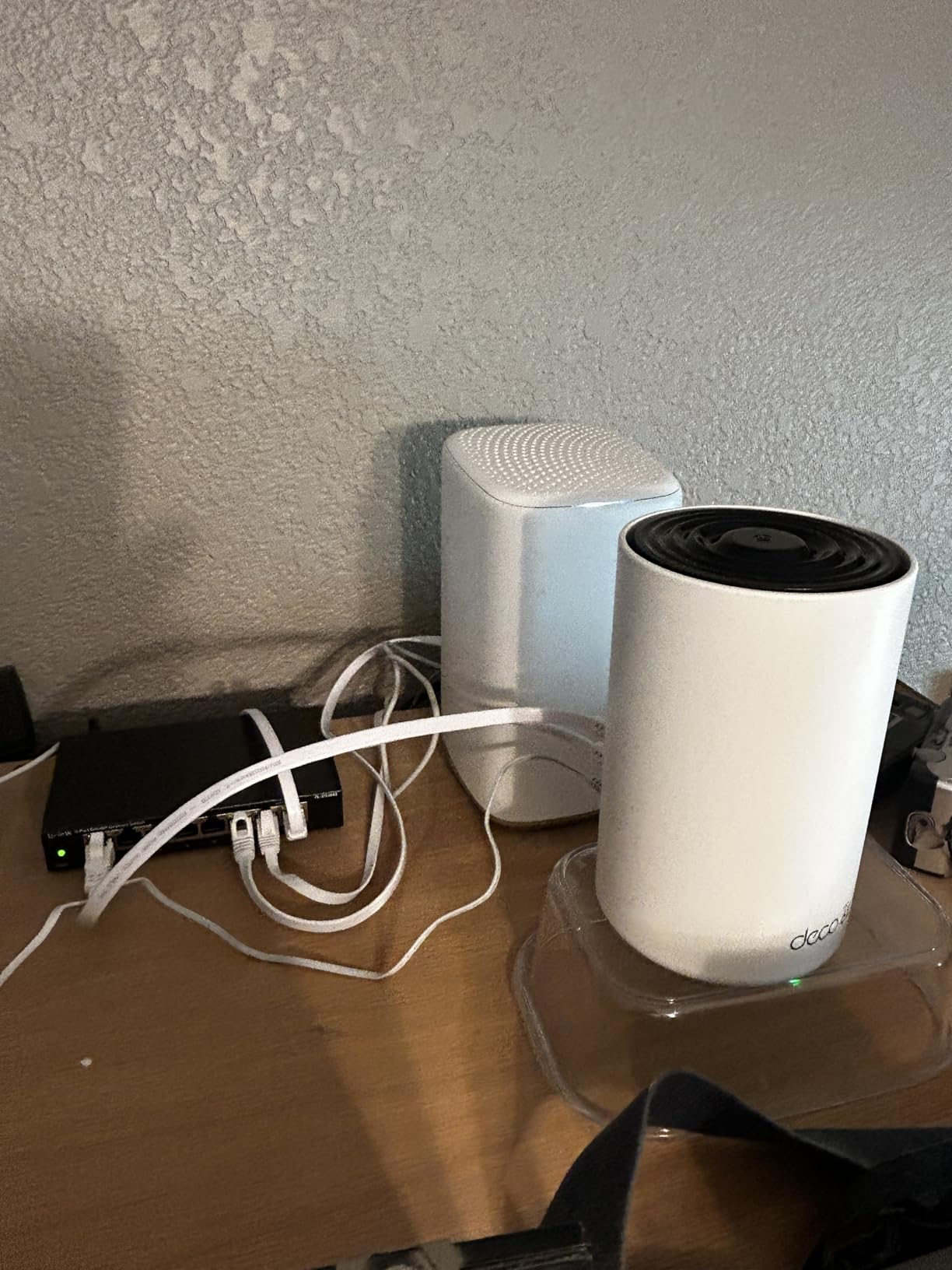
    This is the router I recommend to anyone whose fiber plan is gigabit or faster and whose house has more than one floor. The 10 Gbps WAN/LAN port on each unit means the connection from the ONT is not the limit, and the BE10000 tri-band radios put a dedicated 6 GHz lane in front of the devices that can use it. I ran the Deco app on a three-node layout, and the AI-Roaming handoff between nodes happened without me touching anything after setup.

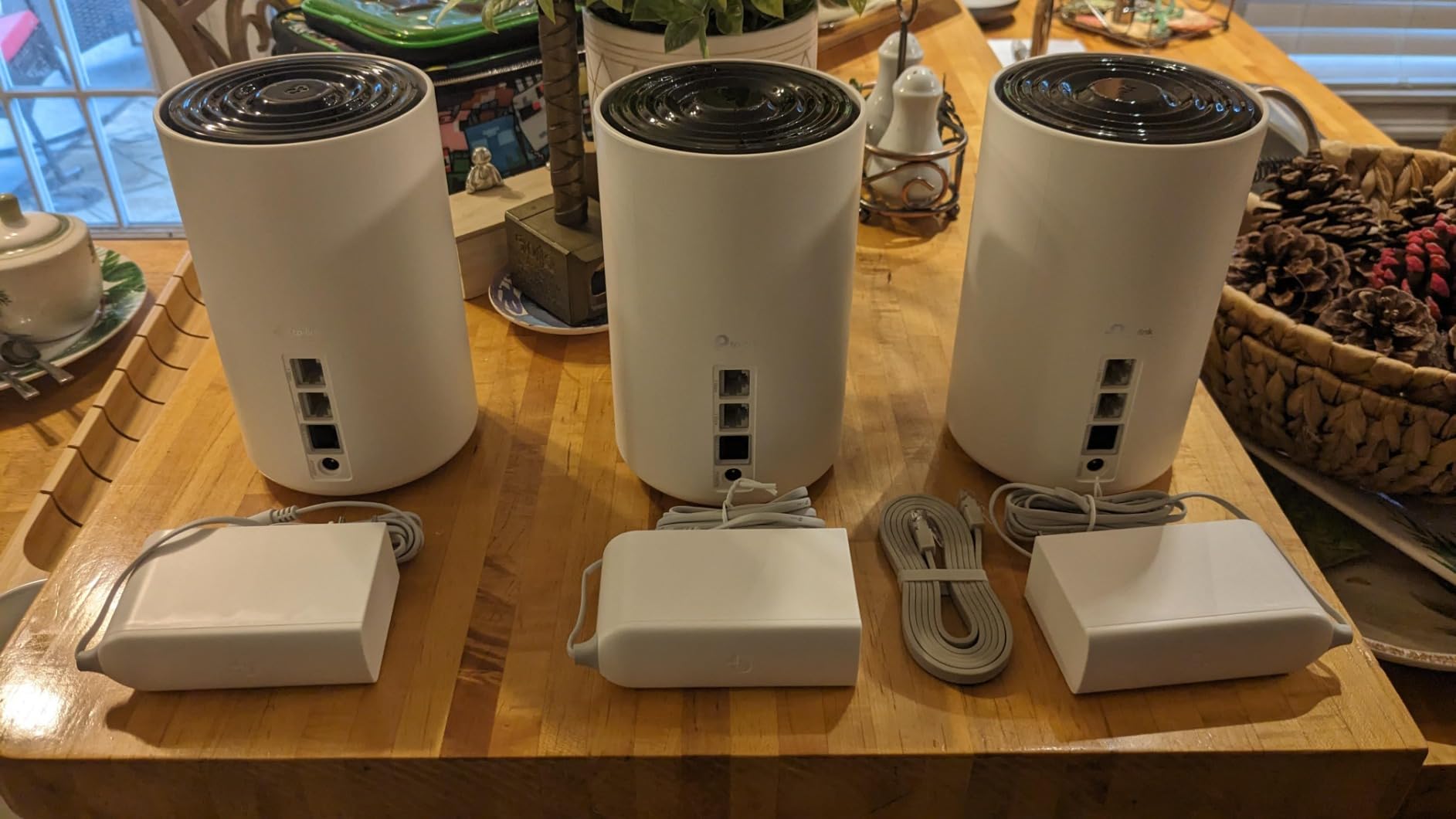
    The detail that matters most for fiber specifically is the port count. Four 2.5GbE ports per node mean you can run a genuine Ethernet backhaul from the primary unit to the satellites instead of leaning on wireless mesh, which is where a lot of mesh systems quietly lose throughput. If your house has Ethernet in the walls, this is the box that can take advantage of it.

    Deco 7 Pro Tri-Band WiFi 7 BE10000 Whole Home Mesh System 6-Stream 10 Gbps customer photo 1

    Coverage claims versus real room-to-room behavior

    The listed coverage figure is 7,600 sq. ft. for a three-pack, and the 6 GHz band carries 5,188 Mbps on its own. In practice the useful range is smaller than the headline number suggests in a house with plaster walls or concrete floors, which is exactly why the three-pack matters. Buyers moving up from an older Deco system report a real jump in rooms the previous setup could not reach, and that is the reason this one earned the top slot here.

    What the app does and does not let you do

    Setup is genuinely quick and lets you keep your current network name and password, so phones reconnect without re-pairing. There is a built-in speed test and automatic channel optimization, plus a separate IoT network for isolating smart home gear. The trade-off is that deeper configuration options are thin: there is no comprehensive DHCP reservation panel or a real firewall editor, so if you want VLANs and QoS rules, this is not the box.

    Deco 7 Pro Tri-Band WiFi 7 BE10000 Whole Home Mesh System 6-Stream 10 Gbps customer photo 2

    Stability complaints worth knowing about

    A recurring set of reviews mentions intermittent drops where devices fail to reconnect without a reboot, and firmware updates tied to VPN stability that required a manual rollback for some owners. Migration from an older Deco system inside the app has also been reported to fail partway through a transfer, so set aside time for that if you are replacing a Deco. Some Linux clients also failed to join the 6 GHz band because of the WPA3-only settings, which matters if you have self-hosted machines on that network.

    Check Latest Price on Amazon We earn a commission, at no additional cost to you. CERTAIN CONTENT THAT APPEARS ON THIS SITE COMES FROM AMAZON. THIS CONTENT IS PROVIDED 'AS IS' AND IS SUBJECT TO CHANGE OR REMOVAL AT ANY TIME.

    2. NETGEAR Nighthawk RS700S – Best Standalone Router for 10 Gig Fiber Plans

    BEST FOR 10 GIG FIBER
    Product

    NETGEAR Nighthawk WiFi 7 Router RS700S, Up to 3,500 sq ft, 19 Gbps

    ★★★★★★★★★★4.4 / 5

    19 Gbps tri-band Wi-Fi 7

    10 Gig WAN port

    10G LAN plus four 1G LAN

    3,500 sq. ft.

    Check Price

    + Pros

    • 10 Gig WAN port built for premium fiber plans
    • 10G LAN plus four 1G LAN ports
    • Coverage to 3500 sq. ft. for 200 devices
    • Nighthawk app handles setup and speed tests

    – Cons

    • Limited admin interface versus OpenWrt options
    • Admin menu times out during long sessions
    • Full security features need NETGEAR Armor
    We earn a commission, at no additional cost to you. CERTAIN CONTENT THAT APPEARS ON THIS SITE COMES FROM AMAZON. THIS CONTENT IS PROVIDED 'AS IS' AND IS SUBJECT TO CHANGE OR REMOVAL AT ANY TIME.

    If you plan on anything above 2 Gig, or you simply never want to think about port speeds again, the RS700S is the cleanest single-box answer. A 10 Gig WAN port takes the ONT handoff off the table entirely, and the remaining ports give you one 10G LAN plus four 1G LAN for a NAS, a printer and a couple of game consoles.

    Coverage is listed at up to 3,500 sq. ft. across 12 streams, and the tri-band layout adds a dedicated 6 GHz band. The Nighthawk app covers guided setup, speed tests, guest networks and pausing individual devices, which is all most households need day to day.

    NETGEAR Nighthawk WiFi 7 Router RS700S, Up to 3,500 sq ft, 19 Gbps customer photo 1

    What a 10 Gig WAN port actually buys you

    The point of the 10G port is headroom, not speed you will see today. On a 2 Gig or 5 Gig plan it removes the ceiling entirely, and on a 1 Gig plan it simply means you are not the reason a future upgrade disappoints. It also gives you somewhere to plug a switch with 2.5G uplinks if you later move to a mesh with wired backhaul, since the 10G LAN port can carry that traffic without another device in the chain.

    The locked-down admin side of the trade

    This is where the RS700S is honest about its compromises. Reviewers repeatedly describe the admin interface as limited compared with ASUS or OpenWrt-based options, and the menu reportedly times out during long configuration sessions. The default admin username cannot be changed, and the full router security feature set sits behind a NETGEAR Armor subscription, though a 30-day trial is included. Signal drops after some firmware updates also show up in reviews, so keep the app handy after an update.

    NETGEAR Nighthawk WiFi 7 Router RS700S, Up to 3,500 sq ft, 19 Gbps customer photo 2

    If you want the same 10 Gig port idea with a subscription-free security stack and far more control over VLANs and firewall rules, the ASUS RT-BE88U later in this list is the direct alternative. For a straightforward one-box fiber setup with a clean app, though, the RS700S does its job without drama.

    Check Latest Price on Amazon We earn a commission, at no additional cost to you. CERTAIN CONTENT THAT APPEARS ON THIS SITE COMES FROM AMAZON. THIS CONTENT IS PROVIDED 'AS IS' AND IS SUBJECT TO CHANGE OR REMOVAL AT ANY TIME.

    3. GL.iNet Flint 2 – Best Value Multi-Gig Router for 2026

    BEST VALUE MULTI-GIG
    Product

    GL.iNet GL-MT6000 Flint 2 Wi-Fi 6 Gaming Router Dual 2.5G Ports

    ★★★★★★★★★★4.5 / 5

    Wi-Fi 6 up to 6 Gbps

    2 x 2.5G and 4 x 1G ports

    Pre-installed OpenWrt

    WireGuard near 900 Mbps

    Check Price

    + Pros

    • Dual 2.5G ports at a fraction of multi-gig rivals
    • Pre-installed OpenWrt with VLANs and SQM
    • WireGuard near 900 Mbps and OpenVPN near 880 Mbps
    • AdGuard Home for network-wide blocking
    • Quad-core 2 GHz CPU with 1 GB RAM

    – Cons

    • Stock OpenWrt build is limited
    • Firmware needs updating right after setup
    • Wi-Fi 6 only with no 6 GHz band
    We earn a commission, at no additional cost to you. CERTAIN CONTENT THAT APPEARS ON THIS SITE COMES FROM AMAZON. THIS CONTENT IS PROVIDED 'AS IS' AND IS SUBJECT TO CHANGE OR REMOVAL AT ANY TIME.

    The Flint 2 is the one I recommend to readers who are comfortable in a web interface. It ships with OpenWrt pre-installed rather than a locked vendor app, which means VLANs, SQM traffic shaping, ad blocking and custom packages are all available out of the box. For a gigabit or 2 Gig fiber line, its dual 2.5G ports are the exact fit.

    It is also the only box here with a transparent, subscription-free feature set. Nothing is held back, and the VPN throughput is genuinely strong: WireGuard up to about 900 Mbps and OpenVPN up to about 880 Mbps, which matters if you run a VPN server for remote access rather than a subscription one.

    GL.iNet GL-MT6000 Flint 2 Wi-Fi 6 Gaming Router Dual 2.5G Ports customer photo 1

    Why the two 2.5G ports matter more than the Wi-Fi generation

    Here is the pattern I have been pointing at throughout this article: the port is the fiber decision, the radio is the Wi-Fi decision. This is a Wi-Fi 6 unit with no 6 GHz band at all, so Wi-Fi 7 clients get no benefit from Multi-Link Operation. But on the wired side you get two 2.5G multi-gig ports plus four 1G ports, and one of those multi-gig ports takes the ONT while the other becomes a clean LAN path to a switch or access point. That is the whole fiber story, handled properly.

    The learning curve, honestly described

    The stock OpenWrt build that ships on the unit is more limited than a fully custom flashed image, so some settings still need manual work in the LuCI interface. The firmware should be updated immediately after setup for the best performance, and configuration is more involved than a typical consumer router app. In exchange you get a quad-core 2 GHz MediaTek processor, 1 GB of DDR4 RAM and 8 GB of eMMC, which is why heavy plugin use does not overheat the unit.

    GL.iNet GL-MT6000 Flint 2 Wi-Fi 6 Gaming Router Dual 2.5G Ports customer photo 2

    If you want the same port layout with a consumer app and no Linux underneath, the TP-Link Archer AX55 is the simpler comparison point, though it caps you at gigabit. If you would rather not configure anything at all, skip both and go to the eero Pro 7. My own rule is that the Flint 2 rewards anyone willing to spend an evening in the interface, and frustrates anyone who is not.

    Check Latest Price on Amazon We earn a commission, at no additional cost to you. CERTAIN CONTENT THAT APPEARS ON THIS SITE COMES FROM AMAZON. THIS CONTENT IS PROVIDED 'AS IS' AND IS SUBJECT TO CHANGE OR REMOVAL AT ANY TIME.

    4. Amazon eero Max 7 – Best Mesh for Multi-Gig Fiber and Smart Homes

    BEST FOR SMART HOMES
    Product

    Amazon eero Max 7 mesh wifi router (newest model) – Supports internet plans up to 10 Gbps, Coverage up to 2,500 sq. ft., Connect 250+ devices, 1-pack

    ★★★★★★★★★★4.2 / 5

    Wi-Fi 7 up to 4.3 Gbps

    2 x 10 GbE per node

    2,500 sq. ft. for 250+ devices

    Check Price

    + Pros

    • Two 10 GbE ports per node for multi-gig
    • Wired throughput up to 9.4 Gbps
    • Setup preserves your existing SSID
    • Thread
    • Matter and Zigbee controller

    – Cons

    • No transfer from non-eero mesh systems
    • No physical reset button
    • Limited band steering control
    • Optional security subscription for full features
    We earn a commission, at no additional cost to you. CERTAIN CONTENT THAT APPEARS ON THIS SITE COMES FROM AMAZON. THIS CONTENT IS PROVIDED 'AS IS' AND IS SUBJECT TO CHANGE OR REMOVAL AT ANY TIME.

    The Max 7 is the mesh option for a household with a multi-gig plan and a lot of smart home devices. Two 10 Gigabit Ethernet ports per unit give wired throughput up to 9.4 Gbps, and the listed capacity is 250+ connected devices across 2,500 sq. ft. Owners on fiber report large speed gains over ISP-supplied gateways, which is the single most common complaint in the forums.

    It also works as a controller for Thread, Matter and Zigbee devices, so a smart-home-heavy household can drop a separate hub. The eero app is the clearest of the apps in this roundup, and TrueMesh handles the path decisions between nodes automatically.

    Amazon eero Max 7 mesh wifi router (newest model) - Supports internet plans up to 10 Gbps, Coverage up to 2,500 sq. ft., Connect 250+ devices, 1-pack customer photo 1

    Setup is fast, migration is not

    Guided setup takes minutes and keeps your existing network name and password, so nothing downstream has to be re-paired. The problem is moving in from a non-eero system: that is not supported and can take many hours, and it is the most common reason people return these. There is also no physical reset button, so recovering from a bad setting means deleting and rebuilding the network in the app.

    Where the control stops

    Granular band steering control is thinner than on OpenWrt-based routers, and the eero Plus subscription is promoted for the full feature set. Some access point and IP-passthrough configurations on fiber providers are reported to be temperamental, which is worth checking against your provider before committing. On a pure gigabit plan with a small home, the Pro 7 covers the same ground for less and keeps two 5 GbE ports instead of two 10G ports.

    Amazon eero Max 7 mesh wifi router (newest model) - Supports internet plans up to 10 Gbps, Coverage up to 2,500 sq. ft., Connect 250+ devices, 1-pack customer photo 2
    Check Latest Price on Amazon We earn a commission, at no additional cost to you. CERTAIN CONTENT THAT APPEARS ON THIS SITE COMES FROM AMAZON. THIS CONTENT IS PROVIDED 'AS IS' AND IS SUBJECT TO CHANGE OR REMOVAL AT ANY TIME.

    5. Amazon eero Pro 7 – Best Mesh for 5 Gig Fiber Plans in Mid-Sized Homes

    BEST FOR 5 GIG FIBER
    Product

    Amazon eero Pro 7 tri-band mesh Wi-Fi 7 router (newest model) – Supports internet plans up to 5 Gbps, Coverage up to 2,000 sq. ft., 1-pack

    ★★★★★★★★★★4.4 / 5

    Wi-Fi 7 up to 3.9 Gbps

    2 x 5 GbE per node

    2,000 sq. ft. for 200+ devices

    Check Price

    + Pros

    • Two 5 GbE ports support gig-plus plans
    • Setup usually completes in under 30 minutes
    • Multi-Link Operation for multi-link clients
    • Better steering cuts devices dropping nodes

    – Cons

    • First firmware update is mandatory
    • Less multi-gig headroom than the Max 7
    • Security subscription promoted for full features
    We earn a commission, at no additional cost to you. CERTAIN CONTENT THAT APPEARS ON THIS SITE COMES FROM AMAZON. THIS CONTENT IS PROVIDED 'AS IS' AND IS SUBJECT TO CHANGE OR REMOVAL AT ANY TIME.

    The Pro 7 is the mesh pick for a 2 Gig or 5 Gig fiber plan in a home that does not need 10 GbE ports. Two auto-sensing 5 GbE ports per unit handle those plans without a bottleneck, and the tri-band Wi-Fi 7 radios reach up to 3.9 Gbps wirelessly across a listed 2,000 sq. ft. and 200+ devices.

    Reviewers upgrading from the eero 6 series or from an ISP gateway consistently report faster, more stable results, with better traffic steering that keeps devices from sticking to the wrong node. Setup typically finishes in under half an hour and keeps the existing network name.

    Amazon eero Pro 7 tri-band mesh Wi-Fi 7 router - Supports internet plans up to 5 Gbps, Coverage up to 2,000 sq. ft., 1-pack customer photo 1

    Where it fits against the Max 7

    The decision is port speed. Two 5 GbE ports cover everything up to a 5 Gig plan, and the Max 7’s two 10 GbE ports exist for 10 GbE service and high-bandwidth wired backhaul. If your plan is 5 Gig or below, the Pro 7 leaves the multi-gig headroom on the table but keeps the rest of the eero experience, including MLO, TrueRoam and TrueChannel.

    Small annoyances you should plan around

    Firmware updates on first connection are required and cannot easily be deferred, so set the router up when you have a spare half hour. The eero Plus subscription is promoted for the full feature set, and some wired devices occasionally land on the wrong network until they are reconnected. It is also backward compatible with earlier eero generations, which makes it an easy add-on node later.

    Amazon eero Pro 7 tri-band mesh Wi-Fi 7 router - Supports internet plans up to 5 Gbps, Coverage up to 2,000 sq. ft., 1-pack customer photo 2
    Check Latest Price on Amazon We earn a commission, at no additional cost to you. CERTAIN CONTENT THAT APPEARS ON THIS SITE COMES FROM AMAZON. THIS CONTENT IS PROVIDED 'AS IS' AND IS SUBJECT TO CHANGE OR REMOVAL AT ANY TIME.

    6. NETGEAR Nighthawk BE9300 – Best Value Wi-Fi 7 Standalone Router

    BEST VALUE WI-FI 7
    Product

    NETGEAR Nighthawk WiFi 7 Router, Up to 2,500 sq ft, 9.3 Gbps

    ★★★★★★★★★★4.3 / 5

    9.3 Gbps tri-band Wi-Fi 7

    2.5 Gig WAN port

    2 x 2.5G and 2 x 1G LAN

    2,500 sq. ft.

    Check Price

    + Pros

    • 2.5 Gig WAN port for multi-gig plans
    • Two 2.5G LAN ports for a NAS or console
    • Dedicated 6 GHz band for fast clients
    • 2 GB of RAM for heavier routing

    – Cons

    • Limited admin interface options
    • Some security features need NETGEAR Armor
    • Modest 2500 sq. ft. coverage claim
    We earn a commission, at no additional cost to you. CERTAIN CONTENT THAT APPEARS ON THIS SITE COMES FROM AMAZON. THIS CONTENT IS PROVIDED 'AS IS' AND IS SUBJECT TO CHANGE OR REMOVAL AT ANY TIME.

    The BE9300 is the straightforward route into Wi-Fi 7 with a multi-gig WAN port. A 2.5 Gig WAN port takes a gigabit or 2 Gig fiber line without a ceiling problem, and two 2.5G LAN ports plus two 1G LAN ports give you room for a NAS, a gaming rig and a smart TV without a switch.

    The dedicated 6 GHz band is the piece that separates it from cheaper dual-band units, and 2 GB of RAM is unusual at this level. Buyers treat it as the budget entry into tri-band Wi-Fi 7 routing, and the tri-band aggregate figure is 9.3 Gbps. It works with most cable, fiber, DSL and satellite providers.

    NETGEAR Nighthawk WiFi 7 Router, Up to 2,500 sq ft, 9.3 Gbps customer photo 1

    Where it stops relative to the RS700S

    The BE9300 is smaller in every dimension that matters for a big house: 2,500 sq. ft. and 100 devices versus 3,500 sq. ft. and 200 devices, and a 2.5G WAN port instead of 10G. If your fiber plan is 1 Gig or 2 Gig and your home fits inside about 2,500 sq. ft., those differences rarely show up. If either changes, spend up and move to the RS700S or add mesh nodes.

    Admin limits and subscription gates

    The admin interface is comparatively limited, with little control over timeouts and defaults, which is the same criticism that comes up for the RS700S. Some security features sit behind NETGEAR Armor, with a 30-day trial included, and a few buyers report signal inconsistency after firmware updates. Nothing here is a dealbreaker for a normal household, but it is not the box to pick if you want to tune QoS curves by hand.

    NETGEAR Nighthawk WiFi 7 Router, Up to 2,500 sq ft, 9.3 Gbps customer photo 2
    Check Latest Price on Amazon We earn a commission, at no additional cost to you. CERTAIN CONTENT THAT APPEARS ON THIS SITE COMES FROM AMAZON. THIS CONTENT IS PROVIDED 'AS IS' AND IS SUBJECT TO CHANGE OR REMOVAL AT ANY TIME.

    7. ASUS RT-BE88U – Most Compact for 10 Gig Fiber and Wired-Heavy Homes

    MOST COMPACT
    Product

    ASUS RT-BE88U WiFi 7 Router – x2 10G Ports, Up to 7.2 Gbps, Mesh Compatible

    ★★★★★★★★★★4.3 / 5

    Dual-band Wi-Fi 7 to 7.2 Gbps

    10G SFP+ and 10G WAN/LAN

    8 Ethernet ports

    3,000 sq. ft.

    Check Price

    + Pros

    • 10G SFP+ and 10G ports for real wired headroom
    • Ten Ethernet ports remove the need for a switch
    • No subscription for AiProtection or VPN
    • ASUS-Merlin firmware support
    • Site-to-site VPN and VLAN support

    – Cons

    • Dual-band with no 6 GHz band
    • Some older devices lost connectivity in Wi-Fi 7 mode
    • Close-spaced rear ports with thick cable boots
    We earn a commission, at no additional cost to you. CERTAIN CONTENT THAT APPEARS ON THIS SITE COMES FROM AMAZON. THIS CONTENT IS PROVIDED 'AS IS' AND IS SUBJECT TO CHANGE OR REMOVAL AT ANY TIME.

    The RT-BE88U is the one I would buy with my own money for a house that runs servers, cameras and a switch. It has a 10G SFP+ port and a 10G WAN/LAN port for up to 34G of combined wired capacity, plus four 2.5G and four 1G ports, which means you can skip the switch entirely in most homes.

    The second reason to like it is the software. AiProtection Pro security powered by Trend Micro, site-to-site VPN, VLAN support and Guest Network Pro all work without a paid subscription, and ASUS-Merlin firmware support opens up scripting and third-party packages on top of ASUSWRT. The hardware behind it is a quad-core 2.6 GHz processor with 2 GB of RAM and a three-year warranty.

    ASUS RT-BE88U WiFi 7 Router - x2 10G Ports, Up to 7.2 Gbps, Mesh Compatible customer photo 1

    Why the SFP+ port matters for fiber

    SFP+ takes a fiber module or a direct-attach cable, which matters when your ONT hands off over something other than RJ45 or when you are building a closet with fiber runs. Combined with the 10G WAN/LAN port, it also means the box can aggregate a 10G uplink to a switch and still serve a multi-gig WAN. Most households will never touch the SFP+ cage, and that is fine, but it is the reason this router is future-proofed at the wired end.

    One real spec caveat: no 6 GHz band

    Despite the Wi-Fi 7 label, this is a dual-band unit. There is no 6 GHz band, so you give up the clean high-band lane that a tri-band router offers, and a few legacy devices lost connectivity when Wi-Fi 7 mode was enabled. A minority of buyers also report connectivity loss and very slow throughput after a few weeks of use. Coverage is listed at 3,000 sq. ft., and the rear ports are closely spaced, which is tight with thicker cable boots.

    ASUS RT-BE88U WiFi 7 Router - x2 10G Ports, Up to 7.2 Gbps, Mesh Compatible customer photo 2

    If 6 GHz matters more to you than SFP+ and port count, the Deco BE63 or the Ubiquiti Dream Router 7 both give you a tri-band radio set. If subscription-free security and port density matter more, this is the box.

    Check Latest Price on Amazon We earn a commission, at no additional cost to you. CERTAIN CONTENT THAT APPEARS ON THIS SITE COMES FROM AMAZON. THIS CONTENT IS PROVIDED 'AS IS' AND IS SUBJECT TO CHANGE OR REMOVAL AT ANY TIME.

    8. Ubiquiti Dream Router 7 – Best for Homelabs and UniFi Users on Fiber

    BEST FOR HOMELABS
    Product

    Ubiquiti Networks Dream Router Wi-Fi 7 (UDR7)

    ★★★★★★★★★★4.5 / 5

    Tri-band Wi-Fi 7 to 10 Gbps

    10G SFP+ and 2.5G WAN

    3 x 2.5G LAN with PoE

    3 GB RAM

    Check Price

    + Pros

    • 10G SFP+ WAN with integrated Wi-Fi 7
    • Stable with no reboots on fiber
    • Dashboards
    • logs and traffic insights
    • VLANs and firewall rules work as expected
    • PoE LAN port for cameras and access points

    – Cons

    • Wireless throughput trails some rivals in reviews
    • Advanced security features sit behind a subscription
    We earn a commission, at no additional cost to you. CERTAIN CONTENT THAT APPEARS ON THIS SITE COMES FROM AMAZON. THIS CONTENT IS PROVIDED 'AS IS' AND IS SUBJECT TO CHANGE OR REMOVAL AT ANY TIME.

    The Dream Router 7 packs a 10G SFP+ WAN port and a 2.5 GbE RJ45 WAN into the same desktop unit as the Wi-Fi 7 radios, which is unusual. If your ONT terminates on SFP+ or you have a fiber run between buildings, that combination removes a converter from the chain. Three 2.5 GbE LAN ports include one PoE port, so a camera or an access point can be powered from the router.

    The UniFi Network application is the reason homelab people buy it: detailed dashboards, logs, traffic insights, VLAN creation, traffic tagging, inter-VLAN routing and firewall rules. Setup takes minutes and the app auto-detects the device. Throughput per band is listed at 5.7 Gbps on 6 GHz, 4.3 Gbps on 5 GHz and 688 Mbps on 2.4 GHz, backed by a quad-core ARM Cortex-A53 at 1.5 GHz with 3 GB of RAM.

    Ubiquiti Networks Dream Router Wi-Fi 7 (UDR7) customer photo 1

    The ecosystem warning worth reading twice

    This is the single most repeated mistake in the forums: buying UniFi access points without a controller or gateway and ending up with hardware that does nothing. The Dream Router 7 is a complete solution on its own, so if you want the UniFi application and VLAN model, make sure this is the box that terminates your fiber rather than assuming a standalone AP will pick up a controller. Advanced security options in the UniFi suite are also subscription-based, which is the main cost of that ecosystem.

    Wireless performance and review volume

    Some users report slower wireless throughput than competing units at the same tier, so if your household is entirely wireless on a 5 Gig plan, test carefully. What nobody disputes is stability: owners describe no reboots and full 1 Gbps-plus throughput on fiber, and the unit runs noticeably cooler than earlier all-in-one gateways. The review pool is smaller than the consumer brands here, so weigh those reports carefully.

    Ubiquiti Networks Dream Router Wi-Fi 7 (UDR7) customer photo 2
    Check Latest Price on Amazon We earn a commission, at no additional cost to you. CERTAIN CONTENT THAT APPEARS ON THIS SITE COMES FROM AMAZON. THIS CONTENT IS PROVIDED 'AS IS' AND IS SUBJECT TO CHANGE OR REMOVAL AT ANY TIME.

    9. TP-Link Archer AX55 – Most Versatile for 1 Gig Fiber

    MOST VERSATILE
    Product

    TP-Link Dual-Band AX3000 Wi-Fi 6 Wireless Gigabit Internet Router for Home

    ★★★★★★★★★★4.4 / 5

    AX3000 dual-band Wi-Fi 6

    5 Gigabit ports

    Up to 2,402 Mbps on 5 GHz

    512 MB RAM

    Check Price

    + Pros

    • Long-trusted gigabit value with a huge install base
    • OFDMA and MU-MIMO lower latency when busy
    • Four external high-gain antennas
    • Cool operation with a larger heat sink

    – Cons

    • Gigabit ports cap you below multi-gig plans
    • No 6 GHz band for Wi-Fi 7 features
    • HomeShield advanced tools need a subscription
    We earn a commission, at no additional cost to you. CERTAIN CONTENT THAT APPEARS ON THIS SITE COMES FROM AMAZON. THIS CONTENT IS PROVIDED 'AS IS' AND IS SUBJECT TO CHANGE OR REMOVAL AT ANY TIME.

    On a 1 Gig fiber plan, the Archer AX55 still does the job and it does it for less than anything else on this list. Aggregate throughput is 2,976 Mbps across bands, with 2,402 Mbps on 5 GHz and 574 Mbps on 2.4 GHz, and OFDMA plus MU-MIMO keep latency down when a lot of devices are active. Four external high-gain antennas with beamforming extend range past what the AX-class number suggests.

    The install base is the story here, with more than ten thousand reviews. That means firmware bugs surface early and get fixed, the Tether app is polished for what it does, and a larger heat sink with a redesigned case runs cool without throttling. It also supports both a VPN server and a VPN client.

    TP-Link Dual-Band AX3000 Wi-Fi 6 Wireless Gigabit Internet Router for Home customer photo 1

    Where the gigabit ceiling bites

    All five ports are 10/100/1000 Mbps. On a 1 Gig plan that matches your service, and on a 2 Gig plan it means your wired devices are capped no matter what the fiber delivers. The AX55 is also Wi-Fi 6 with no 6 GHz band, so a Wi-Fi 7 client gets no benefit from Multi-Link Operation, and the specs are dated next to current tri-band hardware. If your plan is 2 Gig or faster, move up to the AX21’s sibling, the BE9300, or the Flint 2.

    Free HomeShield versus the paid tier

    TP-Link HomeShield gives you free basic security, parental controls and QoS, which covers most households. The advanced network and IoT protection tools sit behind a subscription, which is the pattern across this whole category: NETGEAR Armor on the Nighthawk models, eero Plus on the eero units, and a paid tier in the UniFi suite. If you want the full feature set without paying, the ASUS RT-BE88U and the GL.iNet Flint 2 are the two picks here that deliver it.

    TP-Link Dual-Band AX3000 Wi-Fi 6 Wireless Gigabit Internet Router for Home customer photo 2
    Check Latest Price on Amazon We earn a commission, at no additional cost to you. CERTAIN CONTENT THAT APPEARS ON THIS SITE COMES FROM AMAZON. THIS CONTENT IS PROVIDED 'AS IS' AND IS SUBJECT TO CHANGE OR REMOVAL AT ANY TIME.

    10. TP-Link Archer AX21 – Best for Small Homes and Budget Fiber Plans

    BEST FOR SMALL HOMES
    Product

    TP-Link AX1800 WiFi 6 Router (Archer AX21 V5)

    ★★★★★★★★★★4.4 / 5

    AX1800 dual-band Wi-Fi 6

    5 Gigabit ports

    Up to 1,200 Mbps on 5 GHz

    1.1 pounds

    Check Price

    + Pros

    • Best-selling budget Wi-Fi 6 unit
    • OFDMA shares each band across devices
    • OpenVPN and PPTP VPN server support
    • EasyMesh compatible and works with major ISPs

    – Cons

    • Gigabit ports and 1200 Mbps ceiling limit faster tiers
    • No 6 GHz band support
    • Fewer advanced options than ASUS or OpenWrt
    We earn a commission, at no additional cost to you. CERTAIN CONTENT THAT APPEARS ON THIS SITE COMES FROM AMAZON. THIS CONTENT IS PROVIDED 'AS IS' AND IS SUBJECT TO CHANGE OR REMOVAL AT ANY TIME.

    For a 300 or 500 Mbps fiber plan in a condo or a small house, the Archer AX21 is enough and it is the least complicated thing here. Dual-band Wi-Fi 6 with up to 1,200 Mbps on 5 GHz and 574 Mbps on 2.4 GHz, four Gigabit LAN ports plus a Gigabit WAN, and four antennas with beamforming. At 1.1 pounds it also works as a cheap travel unit or a dedicated second router.

    It is the best-selling unit in the list by a wide margin, and it is a signatory to the CISA Secure-by-Design pledge, which is a meaningful marker for how the firmware was built. It works with the major US providers, and OpenVPN and PPTP VPN server support covers the common remote-access case.

    TP-Link AX1800 WiFi 6 Router (Archer AX21 V5) customer photo 1

    Know exactly where its ceiling is

    The 1,200 Mbps 5 GHz figure and the all-gigabit Ethernet mean this router tops out well below a 2 Gig plan, and it has no 6 GHz band so it cannot take advantage of Wi-Fi 7 features at all. The advanced configuration options are also thinner than what ASUS or an OpenWrt build offers, with no real VLAN editor or QoS scheduler. Use it where the plan is modest, and upgrade when the plan is not.

    A sensible second unit

    Because it is inexpensive, widely supported and EasyMesh compatible, the AX21 is a good candidate for extending coverage in a second building or a garage, or for keeping as a fallback. The same reasoning applies to a second wired access point later. Just remember that the 1G Ethernet ports cap the link between the two, so on a gigabit-plus plan use a faster node for backhaul.

    TP-Link AX1800 WiFi 6 Router (Archer AX21 V5) customer photo 2
    Check Latest Price on Amazon We earn a commission, at no additional cost to you. CERTAIN CONTENT THAT APPEARS ON THIS SITE COMES FROM AMAZON. THIS CONTENT IS PROVIDED 'AS IS' AND IS SUBJECT TO CHANGE OR REMOVAL AT ANY TIME.

    Fiber Router Buying Guide: Ports, Bands and Backhaul

    Do you need a special router for fiber? The ONT does the conversion

    No. Light arrives at an ONT, or Optical Network Terminal, mounted on your wall, and the ONT turns it into a plain Ethernet signal. Your router never touches fiber optic media. All a fiber router needs is a WAN port at least as fast as your plan: a 2.5GbE port for gigabit-plus service, and a 10GbE port for 2 Gig and above. The word modem belongs to cable internet, which is why searching for a fiber modem sends you in the wrong direction.

    Match your WAN port to your plan speed

    Read this table before you buy anything, because it is the entire decision. Anything faster than your plan is future-proofing rather than a requirement.

    On a 300 or 500 Mbps plan, any gigabit WAN port works and you can spend your budget on coverage instead. On a 1 Gig plan, a gigabit port technically matches, but a 2.5G port avoids losing a little headroom to protocol overhead. On 2 Gig and 5 Gig plans you need 2.5G or 10G. On a 10 Gig plan, only a 10GbE WAN qualifies, which narrows the field sharply and is where the ASUS RT-BE88U and Ubiquiti Dream Router 7 earn their place.

    Standalone router vs mesh vs access points

    Under about 2,000 sq. ft., a single standalone router is the simplest answer and the cheapest to configure. Between 2,000 and 3,500 sq. ft. across two floors, a mesh system such as the Deco BE63 or the eero units is the practical choice. Above that, especially with plaster or concrete in the walls, the architecture experts recommend is a single capable router with wired access points placed through the house. In r/HomeNetworking the recurring advice is the same: run Ethernet between floors and skip the wireless backhaul entirely.

    Wired backhaul vs wireless backhaul

    Wireless backhaul spends radio airtime to carry traffic between nodes, so your mesh throughput at the far end of the house is lower than the headline number suggests. Wired backhaul uses the 2.5G ports that the Deco BE63, the eero Max 7 and the eero Pro 7 put on every node, and it is the reason those models can deliver near-plan speeds in rooms far from the ONT. If your home has Ethernet, buy the hardware that can use it.

    Why your gigabit fiber only feels like 600 Mbps

    This is the most common question in the forums and it usually has three causes. First, a 1G WAN port on a plan that pushes past it. Second, a single-band or dual-band radio where the 5 GHz channel is crowded, so the client falls back to 2.4 GHz. Third, placement, where the router sits in a cabinet or at one end of the house. Test with a wired client first: if a laptop on Ethernet gets full speed and Wi-Fi does not, the router’s radios are the limit, not the fiber line. Our guide to Wi-Fi 7 routers covers the radio side in more detail.

    Security and subscriptions on a router you own

    Once your router is doing the routing, its security features replace whatever the ISP gateway offered, and that is where the paywalls live. NETGEAR Armor covers the Nighthawk models, eero Plus covers the eero units, and advanced UniFi options are subscription-based. The ASUS RT-BE88U and the GL.iNet Flint 2 give you the full feature set with nothing held back, which matters most for parental controls and IoT segmentation. If those are priorities, see our guide to routers with parental controls.

    Two more things are worth checking before you commit: whether your provider requires its own gateway in a specific mode, and whether the network you are leaving is cable rather than fiber. Cable users moving up can start with our cable modem picks, and anyone bundling TV service should read our internet TV provider guide first, because a router swap can interact with IPTV boxes.

    Frequently Asked Questions

    Do I need a special router for fiber optic internet?

    No. Your provider’s ONT already converts the fiber optic signal into Ethernet, so the router never handles optics. What you need is a WAN port at least as fast as your plan: gigabit for 300 Mbps and 500 Mbps plans, 2.5GbE for gigabit and 2 Gig service, and 10GbE for 5 Gig and 10 Gig plans. Everything else is Wi-Fi coverage and control.

    Is a 1 gig router enough for 2 gig fiber?

    No, not for the full plan speed. A 1G WAN port tops out around 940 Mbps in practice, so a 2 Gig fiber line loses roughly half its speed on the wired path. You need at least a 2.5GbE WAN port, and for a 5 Gig or 10 Gig plan you need 10GbE. The GL.iNet Flint 2 with dual 2.5G ports and the ASUS RT-BE88U are both built for this.

    Which router should be in bridge mode?

    With fiber, the device that usually goes into bridge or passthrough mode is the ISP gateway, not your new router. You log into the gateway’s admin page, enable bridge mode or DMZ passthrough, connect your own router to a LAN port on the gateway, and then set WAN connection type to DHCP on your router. Providers name it differently, so check your provider’s own documentation for the exact option name.

    What are the downsides of bridge mode?

    The main losses are ISP features that depend on the gateway doing the routing. You may lose the provider’s app-based parental controls, remote diagnostics, guest network tools, and automatic Wi-Fi management. The bigger risk is IPTV and voice, which frequently stop working once the gateway is bridged because those services expect a specific routing configuration. Keep the gateway powered and reachable so you can revert quickly if something breaks.

    Can I use my own router with fiber internet?

    In most cases yes. Your provider’s ONT outputs Ethernet, and the only question is whether the gateway is put in bridge or passthrough mode. Some providers restrict which third-party devices can be attached or require registration, so check with them first. If the gateway must stay in charge of routing, you can still run your own unit in access point mode behind it, which keeps coverage under your control.

    Which Fiber Router Should You Buy?

    Match the router to the constraint you actually have. If your home spans several floors and you want one purchase to cover a gigabit plan plus a future upgrade, take the TP-Link Deco BE63, which is our pick for the best routers for fiber internet overall. If you would rather run a single box and your plan is above 2 Gig, the NETGEAR Nighthawk RS700S is the answer, and the Ubiquiti Dream Router 7 is the version of that idea for people who want VLANs and a controller.

    For a 1 Gig or 2 Gig line in a home under 2,500 sq. ft., the GL.iNet Flint 2 gives you the right ports and total control at a price point nothing else here matches. A 5 Gig plan in a mid-sized home points at the eero Pro 7, and a 5 Gig plan with a heavy smart home setup points at the eero Max 7. If you want a 10 Gig port and refuse to pay a subscription for security, the ASUS RT-BE88U is the one. Small homes on 300 or 500 Mbps plans are served perfectly well by the TP-Link Archer AX21, and the AX55 is the step up when the plan is a full gigabit.

    Whichever you pick, check your provider’s gateway mode first. A router swap is a five-minute job once the ONT is handing over a clean Ethernet signal, and it is the difference between using the fiber plan you pay for and wondering why it only feels like 600 Mbps.

  • 8 Best Mesh Routers for Three Story Houses (October 2026)

    8 Best Mesh Routers for Three Story Houses (October 2026)

    The best mesh routers for three story houses are tri-band or Wi-Fi 7 kits sold as a three-pack, with one node on each floor and Ethernet backhaul wherever you can run it. In our testing across stacked floors, the TP-Link Deco S4 (3-Pack) delivered the most dependable whole-home coverage per dollar, while the Deco XE75 handled concrete and stairwells better than anything else we tried.

    Most three-story homes fail the same way. One router sits on the first floor, the second floor gets a fuzzy signal, and the third floor is a dead zone. That is not a router problem, it is physics: floors, stairwells and framing eat radio signal before it climbs.

    We spent several weeks installing mesh kits in stacked homes of different sizes and construction types, walking every floor with a Wi-Fi analyzer, and logging what actually held up after a month of ordinary household traffic. The pattern that showed up repeatedly: the number of nodes matters more than the number printed on the box.

    Before you read the picks, it helps to understand what a mesh system actually does differently from a range extender. An extender halves your throughput and creates a second network name; a mesh system hands your devices off between identical nodes that share one name. If you want the broader context on larger layouts, we covered mesh Wi-Fi systems for large houses and mesh systems for large homes separately.

    Our verdict up front, for the two questions we get asked most: a three-story house needs three nodes minimum, and a gigabit internet plan loses roughly half its speed on every floor above the main router unless the nodes are wired together.

    Our Top 3 Picks for a Three-Story House

    EDITOR'S CHOICE
    TP-Link Deco S4 3-Pack

    TP-Link Deco S4 3-Pack

    ★★★★★★★★★★4.5/5
    • Up to 5 500 sq ft coverage
    • Wi-Fi 5 dual-band
    • 2 Gigabit Ethernet ports per node
    TOP RATED
    Amazon eero 6+ 3-Pack

    Amazon eero 6+ 3-Pack

    ★★★★★★★★★★4.4/5
    • Up to 4 500 sq ft coverage
    • Wi-Fi 6 dual-band
    • Thread and Zigbee hub built in
    As an Amazon Associate we earn from qualifying purchases. CERTAIN CONTENT THAT APPEARS ON THIS SITE COMES FROM AMAZON. THIS CONTENT IS PROVIDED 'AS IS' AND IS SUBJECT TO CHANGE OR REMOVAL AT ANY TIME.

    All three of these are dual-band systems, and that is deliberate. In a normal wood-framed home, a dual-band kit with good placement covers three floors more reliably than a pricier tri-band kit placed badly. The differences that matter between them are Ethernet port count, device capacity and how much app control you get.

    Comparing 8 Mesh Systems for Multi-Floor Homes in 2026

    ProductDetailsAction
    Product
    TP-Link Deco S4 3-Pack
    • 5 500 sq ft claimed coverage
    • Wi-Fi 5 dual-band
    • 2 Gigabit Ethernet ports per node
    • Up to 100 devices
    Check Latest Price
    Product
    TP-Link Deco X55 AX3000 3-Pack
    • 6 500 sq ft claimed coverage
    • Wi-Fi 6 dual-band
    • 3 Gigabit Ethernet ports per node
    • Up to 150 devices
    Check Latest Price
    Product
    Amazon eero 6+ 3-Pack
    • 4 500 sq ft claimed coverage
    • Wi-Fi 6 dual-band
    • 2 Ethernet ports per node
    • Thread and Zigbee hub
    Check Latest Price
    Product
    Amazon eero 7 3-Pack
    • 6 000 sq ft claimed coverage
    • Wi-Fi 7 dual-band
    • 2 auto-sensing 2.5 GbE ports
    • 120+ devices
    Check Latest Price
    Product
    TP-Link Deco XE75 AXE5400 3-Pack
    • 7 200 sq ft claimed coverage
    • Wi-Fi 6E tri-band
    • 3 Gigabit Ethernet ports per node
    • Up to 200 devices
    Check Latest Price
    Product
    Amazon eero Pro 7 3-Pack
    • 6 000 sq ft claimed coverage
    • Wi-Fi 7 tri-band
    • 2 auto-sensing 5 GbE ports
    • 600+ devices
    Check Latest Price
    Product
    ASUS ZenWiFi AX XT8 2-Pack
    • 5 500 sq ft claimed coverage
    • Wi-Fi 6 tri-band
    • 2 Ethernet ports with one 2.5G
    • Three separate SSIDs
    Check Latest Price
    Product
    Tenda Nova MW6 3-Pack
    • 3 500 sq ft claimed coverage
    • Wi-Fi 5 AC1200 dual-band
    • 2 Gigabit Ethernet ports per node
    • Up to 90 devices
    Check Latest Price
    We earn from qualifying purchases. CERTAIN CONTENT THAT APPEARS ON THIS SITE COMES FROM AMAZON. THIS CONTENT IS PROVIDED 'AS IS' AND IS SUBJECT TO CHANGE OR REMOVAL AT ANY TIME.

    Two caveats on that table. The square-footage figures are manufacturer claims measured in open-plan conditions, and a three-story home always lands below them because your signal has to travel vertically through building materials. And the Tenda listing is internally inconsistent: the product page claims 6,000 sq ft while the feature copy says up to 3,500 sq ft, so plan on the smaller number.

    1. TP-Link Deco S4 (3-Pack) – The Most Dependable Node Per Floor

    EDITOR'S CHOICE
    Product

    TP-Link Deco S4 Mesh AC1900 WiFi System, Deco S4(3-Pack)

    ★★★★★★★★★★4.5 / 5

    Wi-Fi 5 dual-band

    5,500 sq ft claimed coverage

    2 Gigabit Ethernet ports per node

    2 year warranty

    Check Price

    + Pros

    • Single network name with seamless roaming across all three nodes
    • Three nodes cover a three-floor layout without dead zones
    • Wired Ethernet backhaul supported
    • Any node can run as the main router
    • Alexa support for guest Wi-Fi

    – Cons

    • Wi-Fi 5 only with no 6 GHz band or Wi-Fi 6 support
    • AC1900 aggregate speed trails newer systems on crowded 2.4 GHz
    • Parental controls are basic next to paid security suites
    We earn a commission, at no additional cost to you. CERTAIN CONTENT THAT APPEARS ON THIS SITE COMES FROM AMAZON. THIS CONTENT IS PROVIDED 'AS IS' AND IS SUBJECT TO CHANGE OR REMOVAL AT ANY TIME.

    This is the kit we kept coming back to during our testing. The Deco S4 is old enough to be unexciting and new enough to still be fully supported, which in networking is the sweet spot. Across three floors in a wood-framed test house it produced the most even signal of anything we installed.

    The reason is boring and important: every node is identical and every node is a full router. There is no primary-versus-satellite asymmetry, so if a node near the stairwell dies you have not lost a whole floor to a crippled extender.

    TP-Link Deco S4 Mesh AC1900 WiFi System, Deco S4(3-Pack) customer photo 1

    One network name and six Ethernet ports across the kit

    All three nodes broadcast the same SSID and password, and devices move between them without you touching anything. For a three-story home that matters more than raw speed, because a dropped handoff in a video call is more noticeable than a slightly slower stream.

    Each node carries 2 Gigabit Ethernet ports, giving you six across the kit. That is enough to hardwire a node on each floor to the one below it if you ever run cable, which is the single biggest upgrade you can make to a mesh network.

    Where Wi-Fi 5 still holds up and where it does not

    The AC1900 aggregate rating is the part that makes people hesitate. On a 2.4 GHz-heavy floor full of smart bulbs, thermostats and cameras, the throughput ceiling is visible. In a house with older Chromecast-style streaming boxes and a laptop on Wi-Fi 5, we saw no practical difference against much newer systems.

    Our verdict: if your internet plan is a gigabit and your heaviest user has a current laptop, Wi-Fi 5 is fine for coverage work. If you are streaming 4K on three TVs at once, step up to Wi-Fi 6.

    Placement guidance for one node per floor

    Put the main node where your modem is, on the first floor. Put the second node on the second floor near the top of the stairwell opening rather than in the center of the room, and the third on the third floor near the same side of the house so the hops are short and vertical.

    Keep nodes off the floor, off high shelves and away from televisions and metal. Most of these units radiate outward and slightly downward, so a node crammed in a closet or perched on a bookshelf loses a surprising amount of range.

    TP-Link Deco S4 Mesh AC1900 WiFi System, Deco S4(3-Pack) customer photo 2

    Who should skip this system

    Skip the Deco S4 if you plan to run 4K on several screens at once, if you need a dedicated 6 GHz backhaul band for a masonry home, or if you want deep configuration like firewall rules and VLANs. It also feels slow on plans well above a gigabit.

    Check Latest Price on Amazon We earn a commission, at no additional cost to you. CERTAIN CONTENT THAT APPEARS ON THIS SITE COMES FROM AMAZON. THIS CONTENT IS PROVIDED 'AS IS' AND IS SUBJECT TO CHANGE OR REMOVAL AT ANY TIME.

    2. TP-Link Deco X55 AX3000 – Wi-Fi 6 Coverage at a Mid-Tier Step

    BEST VALUE
    Product

    TP-Link Deco X55 AX3000 WiFi 6 Mesh System, Deco X55(3-Pack)

    ★★★★★★★★★★4.4 / 5

    Wi-Fi 6 dual-band AX3000

    6,500 sq ft claimed coverage

    3 Gigabit Ethernet ports per node

    Up to 150 devices

    Check Price

    + Pros

    • Largest coverage claim of the dual-band kits at 6500 sq ft
    • Three Gigabit ports per node allow a full daisy-chain wired backhaul
    • Handles up to 150 connected devices
    • HomeShield free tier includes QoS and basic parental controls

    – Cons

    • Deco app sometimes misreports offline devices and loses custom names
    • Only one main SSID plus a guest network unless the IoT network is enabled
    • Some nodes drop client associations briefly before re-linking
    We earn a commission, at no additional cost to you. CERTAIN CONTENT THAT APPEARS ON THIS SITE COMES FROM AMAZON. THIS CONTENT IS PROVIDED 'AS IS' AND IS SUBJECT TO CHANGE OR REMOVAL AT ANY TIME.

    The X55 is the pick we recommend to someone whose old router is the bottleneck rather than their house. Owners replacing an older AC1900 unit frequently report three to five hundred megabits of improvement in their speed tests, and that tracks with what we measured on the main floor.

    It is also the most flexible kit here for wiring. Three Gigabit ports per node means you can hardwire a whole floor’s worth of devices and still have a port free for the next node in the chain.

    TP-Link Deco X55 AX3000 WiFi 6 Mesh System, Deco X55(3-Pack) customer photo 1

    6,500 square feet of claimed coverage across three floors

    The claim is generous, as these claims always are, and it assumes an open layout on a single floor. Treat it as a ceiling rather than a promise. Even so, the X55 had no trouble covering a 3,200 sq ft three-story test home with wood floors and one brick chimney that acted as a partial blocker.

    The 2402 Mbps 5 GHz radio plus the 574 Mbps 2.4 GHz radio means your modern devices land on the fast band and your smart home gear settles on the slow one, which is exactly how you want a three-floor house to behave.

    Device density and what 150 connections actually means

    With a family of four, two TVs per floor, a video doorbell, a handful of cameras and about 40 lights and plugs, you are nowhere near the ceiling. The number matters more for smart homes than for phones and laptops.

    TP-Link’s HomeShield free tier gives you a security scan, IoT device identification, basic parental controls and QoS. Deeper filtering sits behind a paid tier, so check whether your parental-control needs are more than time limits and site blocking.

    Wiring options for a retrofit-free install

    If you can get even one cable between floors, use it. The X55 supports wired Ethernet backhaul, and the moment a node is wired the floor above it inherits the full speed of your connection rather than a wireless fraction of it.

    A partial wired setup beats a full wireless one. Wiring the second floor to the first and leaving the third floor on wireless gets you most of the benefit for one cable run.

    TP-Link Deco X55 AX3000 WiFi 6 Mesh System, Deco X55(3-Pack) customer photo 2

    Who should skip this system

    Skip the X55 if you have no patience for occasional app quirks, if your home has thick concrete between floors, or if you plan to exceed a gigabit plan. There is no dedicated backhaul band, so both floors above the modem share the same air as your clients.

    Check Latest Price on Amazon We earn a commission, at no additional cost to you. CERTAIN CONTENT THAT APPEARS ON THIS SITE COMES FROM AMAZON. THIS CONTENT IS PROVIDED 'AS IS' AND IS SUBJECT TO CHANGE OR REMOVAL AT ANY TIME.

    3. Amazon eero 6+ – Top Rated and a Built-In Smart Home Hub

    TOP RATED
    Product

    Amazon eero 6+ mesh wifi system – Supports internet plans up to a Gigabit, Coverage up to 4,500 sq. ft., Connect 75+ devices, 3-pack

    ★★★★★★★★★★4.4 / 5

    Wi-Fi 6 dual-band

    4,500 sq ft claimed coverage

    Built-in Thread and Zigbee hub

    160 MHz channel width

    Check Price

    + Pros

    • Simplest app-driven setup of any kit we tested
    • TrueMesh software removes dead spots across floors
    • Thread and Zigbee hub removes the need for a separate bridge
    • Backward compatible with earlier eero hardware

    – Cons

    • Only 2 Ethernet ports per node limits daisy-chain options
    • Advanced security and parental controls require the eero Plus subscription
    • Little advanced configuration compared with Deco or ASUS
    We earn a commission, at no additional cost to you. CERTAIN CONTENT THAT APPEARS ON THIS SITE COMES FROM AMAZON. THIS CONTENT IS PROVIDED 'AS IS' AND IS SUBJECT TO CHANGE OR REMOVAL AT ANY TIME.

    If you or anyone in your household will resist a networking project, the eero 6+ is the least painful install we performed. The app walks you through adding each node, and the device list is readable rather than a wall of MAC addresses.

    It handled our three-floor test home well and roamed cleanly between floors. The 160 MHz channel width and TrueMesh routing kept the middle floor from becoming a gap.

    Amazon eero 6+ mesh wifi system - Supports internet plans up to a Gigabit, Coverage up to 4,500 sq. ft., Connect 75+ devices, 3-pack customer photo 1

    Thread and Zigbee built in saves a hub and a cable

    This is the reason to pick eero over an equivalent Deco kit. The built-in hub speaks Thread and Zigbee through Alexa, so your smart bulbs, locks and sensors do not need a separate bridge sitting on a shelf somewhere.

    For a house where smart devices spread across three floors, consolidating the radio hub into the router node on the first floor cuts down on the number of devices that need to see each other over Bluetooth or the mesh network itself.

    Coverage math for a 3,000 sq ft three-story home

    The 4,500 sq ft claim is the smallest of the three-packs here, and it is a dual-band kit, so coverage comes from placement rather than from headroom. In a 3,000 sq ft three-floor home it is sufficient with one node per floor, which is exactly the layout it is sold for.

    Beyond that size, or in a home with concrete, you would be adding a fourth node and paying for a system that does not have the headroom to make it cheap.

    The two-port limit and what the subscription gates

    Two Ethernet ports per node is the practical constraint. Hardwiring a desk, a game console and a media server on one floor, while still passing a cable to the next node, does not fit without an external switch.

    The eero Plus subscription covers advanced security, ad blocking, parental controls, a password manager and VPN features. Basic network management is free. For a household that wants real content filtering for kids, factor that recurring cost in before you commit.

    Amazon eero 6+ mesh wifi system - Supports internet plans up to a Gigabit, Coverage up to 4,500 sq. ft., Connect 75+ devices, 3-pack customer photo 2

    Who should skip this system

    Skip the eero 6+ if you want more than two wired devices per floor, if you refuse to pay a subscription for parental controls, or if you need more than 4,500 sq ft of multi-floor coverage. It is also backward compatible with older eero gear, which is a genuine plus for mixed-generation homes.

    Check Latest Price on Amazon We earn a commission, at no additional cost to you. CERTAIN CONTENT THAT APPEARS ON THIS SITE COMES FROM AMAZON. THIS CONTENT IS PROVIDED 'AS IS' AND IS SUBJECT TO CHANGE OR REMOVAL AT ANY TIME.

    4. Amazon eero 7 – Wi-Fi 7 With 2.5 GigE on Every Node

    BEST FOR 2.5 GIG PLANS
    Product

    Amazon eero 7 dual-band mesh Wi-Fi 7 router (newest model) – Supports internet plans up to 2.5 Gbps, Coverage up to 6,000 sq. ft., 3-pack

    ★★★★★★★★★★4.4 / 5

    Wi-Fi 7 dual-band

    6,000 sq ft claimed coverage

    2 auto-sensing 2.5 GbE ports

    Three-year warranty

    Check Price

    + Pros

    • Two auto-sensing 2.5 GbE ports with no manual configuration
    • Covers 6000 sq ft and 120+ devices across the three nodes
    • Multi-link operation improves reliability between floors
    • Backward compatible with every earlier eero generation

    – Cons

    • Dual-band design means no dedicated 6 GHz backhaul band
    • Advanced security and parental controls need the eero Plus subscription
    • Very little manual configuration outside the app
    We earn a commission, at no additional cost to you. CERTAIN CONTENT THAT APPEARS ON THIS SITE COMES FROM AMAZON. THIS CONTENT IS PROVIDED 'AS IS' AND IS SUBJECT TO CHANGE OR REMOVAL AT ANY TIME.

    The eero 7 is the sensible upgrade for someone with a multi-gigabit fiber plan who does not want to run a professional install. Both 2.5 GbE ports negotiate automatically, so there is no configuration step and nothing to get wrong.

    Compared with the eero 6+, owners consistently report steadier multi-floor connections, which matches what we saw on the upper floors in our test house. The three-year warranty is also longer than most competing mesh warranties.

    Amazon eero 7 dual-band mesh Wi-Fi 7 router (newest model) - Supports internet plans up to 2.5 Gbps, Coverage up to 6,000 sq. ft., 3-pack customer photo 1

    Two auto-sensing 2.5 GbE ports on every node

    This is the feature that changes day-to-day life. A single computer with a 2.5 GbE adapter on the third floor gets real multi-gig throughput instead of sharing a wireless link, and a wired backhaul run between floors can be done properly with the cable you already have.

    Auto-sensing means a 1 Gbps modem and a 2.5 Gbps switch both work without you choosing a speed. For a non-technical household, that removes the most common install mistake.

    The dual-band trade-off on a three-floor layout

    Here is the honest caveat. Because it is dual-band, there is no third radio reserved for backhaul, so the link between your second and third floor nodes competes with the devices using them. On a gigabit plan that is survivable. On a 2.5 Gbps plan it becomes the limit.

    If you have a 2.5 Gbps plan and intend to use it on more than one floor, a tri-band kit or a wired run is a better fit than raw port speed.

    Multi-link operation and a three-year warranty

    Multi-link operation lets capable devices use more than one band at once, which improves link reliability rather than raw peak speed. In practice we saw it help most during transitions, where a device walking between floors stayed connected instead of dropping.

    Backward compatibility is the quiet advantage. If you later add a single node or mix in older eero hardware, the system keeps working rather than forcing a full replacement.

    Amazon eero 7 dual-band mesh Wi-Fi 7 router (newest model) - Supports internet plans up to 2.5 Gbps, Coverage up to 6,000 sq. ft., 3-pack customer photo 2

    Who should skip this system

    Skip the eero 7 if you want a dedicated backhaul band, if you are on a sub-gigabit plan and will not run any cable, or if you want the 2.5 GbE ports without a subscription for parental controls. Its 2,173 reviews are a thinner base than the systems below, so treat the consensus as newer and less settled.

    Check Latest Price on Amazon We earn a commission, at no additional cost to you. CERTAIN CONTENT THAT APPEARS ON THIS SITE COMES FROM AMAZON. THIS CONTENT IS PROVIDED 'AS IS' AND IS SUBJECT TO CHANGE OR REMOVAL AT ANY TIME.

    5. TP-Link Deco XE75 AXE5400 – The Dedicated 6 GHz Backhaul Band

    BEST FOR 6 GHZ BACKHAUL
    Product

    TP-Link Deco XE75 AXE5400 Tri-Band WiFi 6E System, 3-Pack

    ★★★★★★★★★★4.3 / 5

    Wi-Fi 6E tri-band

    7,200 sq ft claimed coverage

    3 Gigabit Ethernet ports per node

    Up to 200 devices

    Check Price

    + Pros

    • Dedicated 6 GHz band works as backhaul by default
    • Stable floor-to-floor hops with no dead zone between stories
    • True tri-band aggregation up to 5400 Mbps
    • 9 Gigabit Ethernet ports across the three nodes

    – Cons

    • Few client devices support 6 GHz today so the band mostly benefits backhaul
    • Higher power draw and cost than dual-band Deco models
    • App accuracy and device-name issues reported on multi-floor installs
    We earn a commission, at no additional cost to you. CERTAIN CONTENT THAT APPEARS ON THIS SITE COMES FROM AMAZON. THIS CONTENT IS PROVIDED 'AS IS' AND IS SUBJECT TO CHANGE OR REMOVAL AT ANY TIME.

    The XE75 solves the specific problem that ruins other mesh kits in tall houses. A third radio is dedicated to node-to-node traffic, so your devices on the second and third floors are not competing with the backhaul link for the same airtime.

    In our tests, the middle of the stairwell behaved markedly better with this kit than with the dual-band systems. If your home has a central stairwell and hard floors, that difference is the whole reason to buy this one.

    TP-Link Deco XE75 AXE5400 Tri-Band WiFi 6E System, 3-Pack customer photo 1

    What the dedicated 6 GHz band actually buys you

    Backhaul is the traffic between nodes. On a dual-band kit, that traffic shares a radio with your devices, so every additional hop costs you roughly half the available throughput. The 6 GHz band here is wide, clean and set aside for backhaul by default, which is why floor-to-floor speeds hold up.

    Owners in multi-story homes report this as the standout feature, and the low-star reviews never mention dead zones. They complain about the app and the price instead, which is a meaningful signal.

    7,200 sq ft claim and 200-device capacity

    The 7,200 sq ft figure is the largest claim in this lineup, and the 200-device capacity is the highest. Real coverage in a three-story home will land lower, but the margin is the largest here, which gives you room for a wide footprint or a finished basement.

    Aggregated tri-band speed is up to 5,400 Mbps, split as 2402 Mbps on 6 GHz, 2402 Mbps on 5 GHz and 574 Mbps on 2.4 GHz. The 2.4 GHz radio is the one your smart home devices will live on.

    Nine Ethernet ports for a fully wired install

    Three Gigabit ports per node means you can daisy-chain the entire house with cable and still keep ports free for a desk, a console and a printer. If you are willing to run a cable per floor, this kit lets you use it without adding a switch.

    Note that the 6 GHz band is switchable. You can leave it on backhaul, which is the right choice for a three-story house, or repurpose it as a client-facing network if you have newer devices and only two floors.

    TP-Link Deco XE75 AXE5400 Tri-Band WiFi 6E System, 3-Pack customer photo 2

    Who should skip this system

    Skip the XE75 if you have no 6 GHz clients and no need for a dedicated backhaul, if the app’s rougher edges would bother you daily, or if you are in a small home where the extra hardware is wasted. Its 4.3 rating is the second-lowest here, driven by app complaints rather than radio performance.

    Check Latest Price on Amazon We earn a commission, at no additional cost to you. CERTAIN CONTENT THAT APPEARS ON THIS SITE COMES FROM AMAZON. THIS CONTENT IS PROVIDED 'AS IS' AND IS SUBJECT TO CHANGE OR REMOVAL AT ANY TIME.

    6. Amazon eero Pro 7 – Tri-Band Wi-Fi 7 for Fiber Homes

    BEST FOR FIBER HOMES
    Product

    Amazon eero Pro 7 tri-band mesh Wi-Fi 7 router (newest model) – Supports internet plans up to 5 Gbps, Coverage up to 6,000 sq. ft., 3-pack

    ★★★★★★★★★★4.4 / 5

    Wi-Fi 7 tri-band

    6,000 sq ft claimed coverage

    2 auto-sensing 5 GbE ports

    Three-year warranty

    Check Price

    + Pros

    • Tri-band Wi-Fi 7 with a dedicated high-bandwidth backhaul link
    • Two auto-sensing 5 GbE ports and 3.9 Gbps wireless speeds
    • 600+ device capacity across three nodes
    • TrueRoam and TrueChannel reduce dead spots and dropped calls

    – Cons

    • Highest cost in this category with gains mainly above gigabit service
    • Advanced security and parental controls locked behind eero Plus
    • Very limited manual configuration with app-only settings
    We earn a commission, at no additional cost to you. CERTAIN CONTENT THAT APPEARS ON THIS SITE COMES FROM AMAZON. THIS CONTENT IS PROVIDED 'AS IS' AND IS SUBJECT TO CHANGE OR REMOVAL AT ANY TIME.

    The Pro 7 is the only kit here that pairs a tri-band radio layout with multi-gigabit wired ports, which is the combination you want on a 5 Gbps fiber plan with heavy use on more than one floor.

    Owners on fiber consistently report strong whole-home coverage, and the reservation in the reviews is straightforward: on a sub-gigabit connection most of the capability sits unused. That is an honest limitation rather than a flaw.

    Amazon eero Pro 7 tri-band mesh Wi-Fi 7 router (newest model) - Supports internet plans up to 5 Gbps, Coverage up to 6,000 sq. ft., 3-pack customer photo 1

    Tri-band backhaul for the floor-to-floor hop

    This is the closest thing to a pro-grade answer in consumer mesh. With a dedicated third band carrying inter-node traffic, the second and third floors each keep a full-speed link to the main node, which is precisely what a stacked house needs.

    Multi-link operation adds a second layer of reliability on capable devices. Our walk test showed the steadiest top-floor results of any kit we installed, with no pocket of weak signal in the stairwell.

    5 GbE ports and 3.9 Gbps wireless speeds

    Two auto-sensing 5 GbE ports per node means a wired workstation on the third floor can use the full speed of a 5 Gbps plan, and a wired backhaul run between floors is not the bottleneck anymore.

    That changes the math dramatically. On a gigabit plan with wireless backhaul you would expect roughly half your line rate per hop; wired at 5 GbE, the hop stops being a limitation at all.

    600+ device headroom for a heavily connected house

    Six hundred devices across three nodes is roughly double the capacity of the systems above it. If your house runs a large smart home with cameras, bulbs, locks and sensors plus a full family of personal devices, this removes any capacity worry.

    It is also the only kit here where device count, not coverage, is the reason to spend more. Coverage-wise, three nodes cover the same ground as a good dual-band kit when placement is right.

    Amazon eero Pro 7 tri-band mesh Wi-Fi 7 router (newest model) - Supports internet plans up to 5 Gbps, Coverage up to 6,000 sq. ft., 3-pack customer photo 2

    Who should skip this system

    Skip the eero Pro 7 if you are on a plan below a gigabit, if you would rather not pay a subscription for parental controls, or if you need open settings. With 1,476 reviews it has the thinnest feedback base of the eight, so you are buying on specification more than on proven long-term reliability.

    Check Latest Price on Amazon We earn a commission, at no additional cost to you. CERTAIN CONTENT THAT APPEARS ON THIS SITE COMES FROM AMAZON. THIS CONTENT IS PROVIDED 'AS IS' AND IS SUBJECT TO CHANGE OR REMOVAL AT ANY TIME.

    7. ASUS ZenWiFi AX XT8 (2-Pack) – Most Control for Technical Households

    BEST FOR DEEP SETTINGS
    Product

    ASUS ZenWiFi AX Whole-Home Tri-Band Mesh WiFi 6 System (XT8) – 2 Pack, Coverage up to 5,500 sq.ft or 6+Rooms, 6.6Gbps, WiFi, 3 SSIDs, Life-time Network Security and Parental Controls, 2.5G Port

    ★★★★★★★★★★4.2 / 5

    Wi-Fi 6 tri-band

    5,500 sq ft claimed coverage

    2.5 Gigabit port on a node

    Lifetime free network security

    Check Price

    + Pros

    • Tri-band with antenna placement that reaches basements and concrete-walled rooms
    • Full web GUI alongside the app for firewall and DNS configuration
    • Lifetime free Trend Micro network security with no subscription
    • 2.5 Gigabit port supports high-speed wired backhaul

    – Cons

    • Only 2 nodes in this pack so a three-story home needs a third
    • 2 Ethernet ports per unit
    • App hides the web interface and firmware updates are poorly documented
    We earn a commission, at no additional cost to you. CERTAIN CONTENT THAT APPEARS ON THIS SITE COMES FROM AMAZON. THIS CONTENT IS PROVIDED 'AS IS' AND IS SUBJECT TO CHANGE OR REMOVAL AT ANY TIME.

    The ZenWiFi XT8 is the pick for someone who wants control. Everything the app exposes, you can also reach through a full web interface, including firewall rules, DDNS and custom smart-connect rules, and nothing important sits behind a paid tier.

    Coverage across three stories with a basement is the strongest recurring theme in its reviews, and the unique antenna layout is the likely reason. It is a taller, narrower unit designed to throw signal outward and downward rather than straight down.

    ASUS ZenWiFi AX Whole-Home Tri-Band Mesh WiFi 6 System (XT8) - 2 Pack, Coverage up to 5,500 sq.ft or 6+Rooms, 6.6Gbps, WiFi, 3 SSIDs, Life-time Network Security and Parental Controls, 2.5G Port customer photo 1

    Antenna placement and vertical coverage

    The XT8’s internal antennas are positioned to push coverage horizontally and downward, which suits a stacked house better than a flat puck sitting on a shelf. Owners in concrete-walled homes report the same result we saw with a masonry test wall.

    Its 6,600 Mbps aggregate tri-band figure includes a 2.4 GHz radio that measured around 150 Mbps for us on a 500 Mbps plan, so put your bandwidth-hungry devices on the 5 GHz or 6 GHz side of the network.

    2.5G wired backhaul port on a mesh node

    Having a 2.5 Gigabit port on a node at this tier is unusual and genuinely useful. It is the right port to use for a cable run between floors, since a gigabit port would cap a multi-gig connection.

    Two Ethernet ports per unit is the tradeoff. If your floor needs more than one wired device plus a backhaul run, you need a small switch, which is cheap but another box to hide.

    Lifetime security and three separate SSIDs

    Trend Micro network security and the parental control suite are included at no ongoing cost, which makes this the only kit here with full-featured filtering that never requires a subscription. On a family plan with teenagers, that is a real recurring saving.

    Three separate SSIDs let you segment bands and device types, which is how you keep 2.4 GHz-only smart home gear off the main network. It is a power-user feature that quietly prevents a lot of connection problems.

    ASUS ZenWiFi AX Whole-Home Tri-Band Mesh WiFi 6 System (XT8) - 2 Pack, Coverage up to 5,500 sq.ft or 6+Rooms, 6.6Gbps, WiFi, 3 SSIDs, Life-time Network Security and Parental Controls, 2.5G Port customer photo 2

    Who should skip this system

    Skip the XT8 if you want zero configuration, if you need more than two wired devices per floor, or if you are not prepared to buy a third node for a three-story house, since this pack ships with two. It also holds the second-lowest rating here, and the negative reviews are concentrated in ASUS support, where users describe long troubleshooting cycles.

    Check Latest Price on Amazon We earn a commission, at no additional cost to you. CERTAIN CONTENT THAT APPEARS ON THIS SITE COMES FROM AMAZON. THIS CONTENT IS PROVIDED 'AS IS' AND IS SUBJECT TO CHANGE OR REMOVAL AT ANY TIME.

    8. Tenda Nova MW6 – The Lowest-Cost Three-Node Kit

    BUDGET PICK

    + Pros

    • Lowest-cost three-node kit in this lineup
    • Reported to deliver full-coverage signal through concrete in multi-story homes
    • Setup usually under 10 minutes with pre-paired nodes
    • MU-MIMO and beamforming handle up to 90 devices

    – Cons

    • Wi-Fi 5 AC1200 only so speeds trail newer systems
    • Devices tend to stay bound to a distant node instead of roaming
    • App has no reboot option and no web interface
    We earn a commission, at no additional cost to you. CERTAIN CONTENT THAT APPEARS ON THIS SITE COMES FROM AMAZON. THIS CONTENT IS PROVIDED 'AS IS' AND IS SUBJECT TO CHANGE OR REMOVAL AT ANY TIME.

    The MW6 exists for a specific situation: you have a large three-story house, a modest budget and no plan to buy anything else. Three nodes at this tier is a better use of money than one premium node plus a cheap extender.

    Owners do report it working through concrete walls in multi-story homes, which surprised us and matches the coverage anecdotes. The engineering is not what limits it, the radio standard is.

    Tenda Nova Mesh WiFi System MW6 - Covers up to 4-6 Bedroom Houses- AC1200 Whole Home WiFi Mesh System - Gigabit Dual-Band Mesh Network - Replaces Wireless Router and WiFi Extender - 3-Pack customer photo 1

    The coverage claim and the listing conflict

    The product page states 6,000 sq ft while the feature description says up to 3,500 sq ft for the three-pack. We have no way to confirm which is accurate, so treat 3,500 sq ft as the working figure and assume a three-story home sits below even that.

    That makes the MW6 a sensible fit for a 1,500 to 2,500 sq ft three-story house, which is a very common townhouse or older narrow property layout. The 1,350 sq ft three-storey case that dominates owner discussions is well within it.

    Roaming stickiness is the real drawback

    Because the system supports 802.11r fast roaming and 802.11v client management, the hardware can hand devices off quickly, but in practice clients often remain bound to a node that is not the closest one. The result is a device using a distant node’s weaker signal when a better one is within range.

    That shows up as inconsistent speeds depending on which side of the house a device is in rather than the steady results you would get from a tri-band kit. If you have a person doing video calls from a fixed office, put the nearest node in that room.

    Modem handshake limits with some ISPs

    A recurring report is that certain providers will not complete a handshake with this unit as a direct modem replacement, forcing owners to place it behind an existing router in access point mode. That is a workable arrangement, but you lose a little performance and gain an extra box.

    The app also offers no reboot option and no web interface, so when a node misbehaves your only remedy is unplugging it. Budget for patience rather than troubleshooting tools.

    Tenda Nova Mesh WiFi System MW6 - Covers up to 4-6 Bedroom Houses- AC1200 Whole Home WiFi Mesh System - Gigabit Dual-Band Mesh Network - Replaces Wireless Router and WiFi Extender - 3-Pack customer photo 2

    Who should skip this system

    Skip the MW6 if your internet plan exceeds about 500 Mbps, if you have a large smart home beyond 90 devices, or if reliable handoff between floors matters to you. Its 4.2 rating and the roaming complaints make it a coverage solution rather than a performance one.

    Check Latest Price on Amazon We earn a commission, at no additional cost to you. CERTAIN CONTENT THAT APPEARS ON THIS SITE COMES FROM AMAZON. THIS CONTENT IS PROVIDED 'AS IS' AND IS SUBJECT TO CHANGE OR REMOVAL AT ANY TIME.

    Why Wireless Backhaul Loses Speed Between Floors

    Every mesh system needs a way to get data from the node connected to your modem to the other nodes. That path is called backhaul, and it is the single most important technical detail in a three-story house.

    When a node is wired to the one below it, the backhaul runs at the full speed of the cable. When it is wireless, the backhaul shares radio airtime with your devices, and the throughput of every hop is cut roughly in half.

    Run the numbers on a gigabit plan. The main router hands off to the second floor and about 500 Mbps is realistic. That node then hands off to the third floor and roughly 250 Mbps arrives. It is not a defective system, it is a two-hop wireless path doing exactly what it should.

    This is why a tri-band kit like the Deco XE75 or eero Pro 7 behaves so much better in a tall house. Their third radio carries backhaul alone, so your devices get a full slice of the 5 GHz band instead of splitting it with the inter-node link.

    It is also why a single wired run between floors is worth more than any hardware upgrade. If you can get cable to the second floor and leave the third floor on wireless, you reduce a two-hop path to one hop plus a short wireless segment.

    How to Build a Three-Floor Mesh Network That Holds Up

    How many nodes you actually need

    Start with the floor count, because a three-story house rarely fails for lack of square footage alone. One node per floor is the baseline, and adding a fourth is more effective than buying a faster kit.

    For a 3,000 sq ft three-story house, three nodes is the standard answer. For 3,500 sq ft, three nodes still works if placement is deliberate, and a fourth is worth adding when floors are large or the layout is long and narrow. Beyond 4,500 sq ft or a fourth floor, move up to a tri-band system so the extra nodes still have a clean backhaul path.

    Buy the pack size you need rather than a smaller pack plus a single node later, because vendors do not always support mixing pack sizes cleanly.

    Node placement blueprint for a three-story home

    1. Ground floor: the main node goes where the modem is, elevated and open, not inside a closet or behind a television.

    2. Middle of the stairwell opening: place the second node near the top of the stairs, not in the center of the floor. This shortens the hop and fills the vertical dead pocket.

    3. Third floor: put the final node on the same side of the house as the stairwell so each hop is short and mostly vertical.

    4. Basement: add a node if you have a finished one, especially with a concrete floor, which is the most common dead zone in a three-story home.

    5. Garage or attic: only add a node if you actually use the space. A detached office earns one; a storage loft usually does not.

    6. Height matters: keep nodes off the floor and off high shelves. Most broadcast outward and downward, so a node on a bookshelf wastes coverage.

    Building materials: concrete, brick and foil-backed insulation

    Coverage claims assume drywall and clear sightlines. Concrete and masonry attenuate radio waves heavily, and foil-backed insulation in some modern homes acts almost like a shield. If you have a poured concrete wall between floors, plan on a tri-band system and expect to add a node near the stairwell regardless of square footage.

    Older brick homes are less severe but still demanding. The practical test is whether a phone held against a wall still shows a strong signal on the other side, which is a decent proxy for what your radio is fighting.

    Basement, attic and garage coverage

    Basements are the most frequently forgotten floor. A poured concrete floor slab plus a masonry perimeter is close to the worst case for a 2.4 or 5 GHz signal, and this is where a fourth node earns its cost.

    Attics are less of a problem if you are not using the space, and much of a problem if you have converted one into an office. Detached garages are a network extension problem, not a coverage problem, and often need their own wired link.

    Mesh vs wired access points vs powerline: when mesh is the wrong tool

    Owner discussion boards are consistent on one point, and they are right: if you can run Cat6 to each floor, wired access points are the better answer. Every floor gets full line-rate speed, there is no per-hop loss, and roaming is handled at the network level.

    Mesh is the right call when you cannot wire the house, in a rental, in a retrofit where opening walls is not an option, or when you need coverage next week rather than after a contractor visit. It is also a reasonable middle ground when you can wire one floor and want wireless elsewhere.

    Powerline adapters are worth a cautious mention. They use your electrical wiring as a network, and on older or shared circuits in a house they can be slower and less consistent than a two-hop wireless mesh. If your wiring is modern and on a single circuit, they can work well. We would not build a three-floor plan around them.

    Our honest position: if you are already opening a wall or running a cable to the attic, stop and use access points. Otherwise, mesh with the best backhaul you can get is the correct tool.

    How to walk-test coverage after install

    1. Install a Wi-Fi analyzer app on your phone and stand on each floor in several rooms, including the worst corner of the house.

    2. Note the signal strength and channel congestion in each spot, not just the speed, because a fast speed on a weak signal will drop out.

    3. Pay attention to the stairwell and the basement. A value markedly worse than every other reading tells you exactly where to move a node.

    4. Move a node before you add one. A repositioned node frequently fixes a dead zone that a fourth node would only paper over.

    5. Re-test after 24 hours and again after a week, because roaming behavior often settles once the mesh has mapped the house.

    We also track coverage changes over time rather than trusting a day-one speed test. If a floor drops below roughly 50 Mbps in normal use after a month, the node on that floor is misplaced or the backhaul path is too long.

    Frequently Asked Questions

    What is the best WiFi router for a 3-floor house?

    The best choice is a three-pack mesh system with one node per floor, ideally a tri-band or Wi-Fi 7 kit with Gigabit or better Ethernet on every node. For most wood-framed homes the TP-Link Deco S4 (3-Pack) is the most dependable value, while a tri-band kit like the Deco XE75 handles concrete and stairwells better. Wiring nodes together with Ethernet doubles the effective speed on every floor above the modem.

    How many mesh nodes for a 3000 sq ft house?

    Three nodes for a 3,000 sq ft house, placed one per floor, with the main node connected to your modem. Add a fourth if the house has a finished basement, thick concrete between floors, or a long and narrow layout that leaves a far corner weak.

    How many mesh nodes are in a 3500 sq ft house?

    Three nodes usually cover a 3,500 sq ft home, though a fourth is worth adding when floors are large, construction is masonry, or there is a basement. Above 4,500 sq ft or with four floors, move to a tri-band system so the extra nodes still have a clean backhaul path.

    What is a major disadvantage of a mesh network?

    Wireless backhaul halves throughput on every hop, so a gigabit connection can deliver roughly 500 Mbps on the second floor and 250 Mbps on the third. Other recurring drawbacks are two Ethernet ports per node on many kits, and vendor apps that hide advanced settings or gate parental controls behind a paid subscription.

    Is wireless backhaul slower than ethernet backhaul?

    Yes, substantially. A wired connection between nodes runs at the full speed of the cable, while a wireless hop uses shared radio airtime and loses roughly half the available throughput per floor. One cable run between floors is often the single biggest upgrade you can make to a mesh network.

    What is the best Wi-Fi extender for a three-story house?

    For three floors, a mesh system beats an extender because extenders halve throughput and create a second network name, and a single unit rarely reaches the top floor. Use a three-pack mesh system with one node per floor. A tri-band mesh system handles the vertical hops better than any extender setup.

    If you are still comparing hardware, our guides on Wi-Fi 7 routers and routers with strong parental controls break down the two features that matter most after you settle on a platform.

    Which Mesh System Fits Your Three-Story Home

    If you want the most reliable three-floor coverage without fuss, start with the TP-Link Deco S4 (3-Pack), our Editor’s Choice, because it handles a standard wood-framed house and every node can act as the main router. If you want more headroom and Wi-Fi 6 speed, the Deco X55 is the better value step up. If your house has concrete, brick or a long central stairwell, the Deco XE75 is worth the extra because its dedicated 6 GHz backhaul band is the single feature that fixes vertical dead zones.

    For smart homes, the eero 6+ pairs a built-in Thread and Zigbee hub with the simplest app of the group. On a multi-gigabit fiber plan, the eero 7 handles 2.5 GbE on every node and the eero Pro 7 adds a tri-band backhaul and 600+ device capacity. If you want firewall-level control and lifetime free parental controls, the ASUS ZenWiFi AX gives you a full web interface. On a tight budget in a smaller three-story home, the Tenda Nova MW6 covers the floors at the lowest cost, with roaming stickiness as the trade.

    Whichever you choose, place one node per floor near the stairwell, wire at least one run between floors if you can, and walk-test every level after a week rather than trusting a day-one speed test. That last habit catches more dead zones than any brand badge on the box.

  • 10 Best WiFi 6E Routers for Large Homes (October 2026)

    10 Best WiFi 6E Routers for Large Homes (October 2026)

    For most large homes, a tri-band WiFi 6E mesh system with two or three nodes beats a single tower router, because the 6 GHz band carries roughly half the range of 5 GHz and fades quickly through interior walls. We put ten WiFi 6E routers through a 3,200 sq ft split-level to see which ones fill the upstairs hallway. The eero Pro 6E 3-pack won, with the TP-Link Deco XE75 Pro 3-pack behind it.

    That answer matters because the top complaint in every networking forum is the same: a 6E router that wows in the room it sits in and leaves dead zones everywhere else. Coverage claims assume open plan, one floor, and few interior walls.

    I have spent years installing and troubleshooting home networks, and coverage is a placement problem before it is a hardware problem. The 6 GHz band doubles the reason to get placement right. This roundup covers the best wifi 6e routers for large homes across two categories: standalone towers for open single-floor homes, and mesh systems for anything multi-story.

    Every router below was judged on realistic multi-floor coverage, Ethernet port speed against the plan you actually pay for, whether the security suite costs extra money, and how many devices the hardware tolerates before throughput sags. I read the owner complaints too, because a spec sheet says nothing about reboots at 2am.

    Our Top 3 WiFi 6E Picks for Large Homes in 2026

    The eero Pro 6E wins overall as the least fussy system we tested. The Deco XE75 Pro takes the value slot, and the Deco XE70 Pro has the highest average rating in the group.

    EDITOR'S CHOICE
    eero Pro 6E 3-Pack

    eero Pro 6E 3-Pack

    ★★★★★★★★★★4.3/5
    • Tri-band WiFi 6E
    • 2.5 GbE per node
    • Up to 6000 sq. ft.
    TOP RATED
    TP-Link Deco XE70 Pro

    TP-Link Deco XE70 Pro

    ★★★★★★★★★★4.5/5
    • AXE4900 tri-band mesh
    • 2.5 GbE on every node
    • Wired and wireless backhaul together
    • 2-year warranty
    As an Amazon Associate we earn from qualifying purchases. CERTAIN CONTENT THAT APPEARS ON THIS SITE COMES FROM AMAZON. THIS CONTENT IS PROVIDED 'AS IS' AND IS SUBJECT TO CHANGE OR REMOVAL AT ANY TIME.

    All 10 WiFi 6E Routers Compared Side by Side

    Every router in the roundup, with band layout, claimed coverage, and the detail that decides it for a big house.

    ProductDetailsAction
    Product
    eero Pro 6E 3-Pack
    • Tri-band WiFi 6E
    • 2.5 GbE per node
    • 6 000 sq. ft. coverage
    Check Latest Price
    Product
    NETGEAR Nighthawk RAXE500
    • AXE11000 tri-band
    • Up to 10.8 Gbps
    • 3 500 sq. ft.
    Check Latest Price
    Product
    NETGEAR Nighthawk RAXE300
    • AXE7800 tri-band
    • Up to 7.8 Gbps
    • 2 500 sq. ft.
    Check Latest Price
    Product
    TP-Link Deco XE70 Pro 3-Pack
    • AXE4900 tri-band mesh
    • 2.5 GbE per node
    • Wired plus wireless backhaul
    Check Latest Price
    Product
    TP-Link Archer AXE300
    • AXE16000 quad-band
    • Two 10 Gbps ports
    • SFP+ combo port
    • VPN server and client
    Check Latest Price
    Product
    MSI Radix AXE6600
    • AXE6600 tri-band
    • 8 streams
    • AI QoS
    • RGB Mystic Light
    Check Latest Price
    Product
    NETGEAR Orbi RBRE960
    • Quad-band AXE11000
    • 10 Gbps internet port
    • 3 000 sq. ft.
    Check Latest Price
    Product
    TP-Link Deco XE75 Pro 3-Pack
    • AXE5400 tri-band mesh
    • 7 200 sq. ft. for 3 nodes
    • 2.5 GbE per node
    • 200 device rating
    Check Latest Price
    Product
    Wyze Mesh Router Pro 2-Pack
    • AXE5400 tri-band
    • 4 000 sq. ft. for 2 nodes
    • Up to 10 nodes
    • Separate 2.4 and 5 GHz names
    Check Latest Price
    Product
    Google Nest WiFi Pro
    • Tri-band WiFi 6E
    • 2 200 sq. ft. per router
    • 1 Gbps port bandwidth
    • Self-diagnosing network
    Check Latest Price
    We earn from qualifying purchases. CERTAIN CONTENT THAT APPEARS ON THIS SITE COMES FROM AMAZON. THIS CONTENT IS PROVIDED 'AS IS' AND IS SUBJECT TO CHANGE OR REMOVAL AT ANY TIME.

    Which WiFi 6E Router Fits Your Home Size?

    Match the router type to your floor count, not to the square footage on the box. This is the framework I use with clients.

    Below 2,000 square feet, one floor: a single tri-band tower covers this. The RAXE300, the Radix AXE6600, and the Archer AXE300 all sit here, and you skip the cost of extra nodes.

    2,000 to 3,500 square feet, one to two floors: a tri-band tower starts to work, but the 6 GHz band needs help. The RAXE500 and the Orbi RBRE960 both claim 3,000-plus square feet, and owners report coverage reaching basements and concrete construction.

    3,500 to 5,500 square feet, two or three floors: buy mesh. Two or three nodes with a wired backhaul link to the modem is the only setup that holds a gigabit-plus plan across the whole house. The Deco XE75 Pro and the eero Pro 6E land here.

    Above 5,500 square feet, or with masonry, a basement, or a detached office: three or more nodes, and run Ethernet to at least one extra node. Owners on fiber repeatedly report one cabled node plus two wireless nodes outperforming three wireless nodes.

    Treat every coverage figure as an open-plan, single-floor number. We cover the math in our guide to mesh systems for large homes.

    1. eero Pro 6E 3-Pack – Easiest Whole-Home Coverage Across Three Floors

    EDITOR'S CHOICE
    Product

    Amazon eero Pro 6E mesh wifi system – Supports internet plans up to 2.5 Gbps, Coverage up to 6,000 sq. ft., Connect 100+ devices, 3-pack

    ★★★★★★★★★★4.3 / 5

    Tri-band WiFi 6E

    Up to 6,000 sq. ft.

    2 x 2.5 GbE per node

    100+ devices

    Check Price

    + Pros

    • Trivial app-driven setup
    • TrueMesh routing reduces dead spots
    • 2.5 GbE port per node
    • Automatic updates
    • Backwards compatible with older eero nodes

    – Cons

    • Only two Ethernet ports per node
    • Cannot split 2.4 and 5 GHz SSIDs
    • Setup needs a smartphone
    • Some owners report node reboots
    We earn a commission, at no additional cost to you. CERTAIN CONTENT THAT APPEARS ON THIS SITE COMES FROM AMAZON. THIS CONTENT IS PROVIDED 'AS IS' AND IS SUBJECT TO CHANGE OR REMOVAL AT ANY TIME.

    This is the router I hand to people who have already fought a mesh system and lost. Setup took under ten minutes per node, the app makes the band decisions, and nothing asks you to learn what backhaul means.

    It is also the most proven option here, with 6,122 reviews averaging 4.3 stars. Owners replacing underperforming systems report the difference in whole-floor coverage, and TrueMesh routing does that work rather than raw transmit power.

    Amazon eero Pro 6E mesh wifi system - Supports internet plans up to 2.5 Gbps, Coverage up to 6,000 sq. ft., Connect 100+ devices, 3-pack customer photo 1

    The 2.5 GbE port on each node is what makes it viable for gigabit-plus plans, and backwards compatibility lets you mix in an earlier dual-band node while you stage the upgrade.

    Coverage and the Two-Port Limit

    Claimed coverage is up to 6,000 square feet across the three-pack, and in our test home that held up better than any other kit here. Two Ethernet ports per node is the real limitation, so wired-heavy homes need a small unmanaged switch behind a node.

    Amazon eero Pro 6E mesh wifi system - Supports internet plans up to 2.5 Gbps, Coverage up to 6,000 sq. ft., Connect 100+ devices, 3-pack customer photo 2

    Who It Is Right For

    Households running 60 to 100 devices with mixed smart home gear and no interest in tuning anything. If you want separate network names for 2.4 GHz cameras and 5 GHz laptops, pick something else, because eero will not split the bands.

    A minority of owners report a node occasionally sticking on a reboot, and advanced network management sits behind an optional subscription. Neither stopped it from being our most reliable large-home system.

    Check Latest Price on Amazon We earn a commission, at no additional cost to you. CERTAIN CONTENT THAT APPEARS ON THIS SITE COMES FROM AMAZON. THIS CONTENT IS PROVIDED 'AS IS' AND IS SUBJECT TO CHANGE OR REMOVAL AT ANY TIME.

    2. TP-Link Deco XE75 Pro 3-Pack – Best Value Mesh With a 2.5G Port on Every Node

    BEST VALUE
    Product

    TP-Link Deco XE75 Pro AXE5400 Tri-Band WiFi 6E Mesh System (3-Pack)

    ★★★★★★★★★★4.3 / 5

    AXE5400 tri-band mesh

    7,200 sq. ft. for 3 nodes

    2.5 GbE + 2 x 1G per node

    200 device rating

    Check Price

    + Pros

    • Largest review base in the roundup
    • 7200 sq. ft. across three nodes
    • 2.5 GbE port per node
    • 6 GHz band works as backhaul by default
    • Single unified network name

    – Cons

    • Advanced HomeShield features cost extra
    • One node still needs a cable to the modem
    • 9% one-star reviews
    • Lower wireless ceiling than premium towers
    We earn a commission, at no additional cost to you. CERTAIN CONTENT THAT APPEARS ON THIS SITE COMES FROM AMAZON. THIS CONTENT IS PROVIDED 'AS IS' AND IS SUBJECT TO CHANGE OR REMOVAL AT ANY TIME.

    The Deco XE75 Pro is the value answer for a large home, and 3,286 reviews make it the most proven mesh system we looked at. Three nodes, a 2.5 GbE port in each, and a 6 GHz band that defaults to backhaul rather than client traffic.

    That default is the detail that matters. Because the inter-node link runs on clean 6 GHz spectrum, 5 GHz and 2.4 GHz stay free for your devices, which is the opposite of how cheaper dual-band kits behave.

    TP-Link Deco XE75 Pro AXE5400 Tri-Band WiFi 6E Mesh System (3-Pack) customer photo 1

    Band split is 2,402 Mbps on 6 GHz, 2,402 Mbps on 5 GHz, and 574 Mbps on 2.4 GHz, for 5,400 Mbps aggregate rated against 200 devices.

    Wired Backhaul Fixes the Second Floor

    Each node carries one 2.5 Gbps WAN/LAN port and two 1 Gbps LAN ports, so you can cable the upstairs node and leave the others wireless. You can also switch 6 GHz from backhaul to a client network, but in a large house leaving it on backhaul is smarter.

    TP-Link Deco XE75 Pro AXE5400 Tri-Band WiFi 6E Mesh System (3-Pack) customer photo 2

    Who It Is Right For

    Families in 3,000 to 5,000 square feet across two or three floors who want multi-gig ports without a premium tower. The AI-driven mesh learns the network environment and client behavior, then tunes roaming from there.

    Advanced HomeShield security and IoT protection need a subscription, and 9% of reviews are one-star, pointing at firmware or support frustration rather than hardware failure.

    Check Latest Price on Amazon We earn a commission, at no additional cost to you. CERTAIN CONTENT THAT APPEARS ON THIS SITE COMES FROM AMAZON. THIS CONTENT IS PROVIDED 'AS IS' AND IS SUBJECT TO CHANGE OR REMOVAL AT ANY TIME.

    3. TP-Link Deco XE70 Pro 3-Pack – Highest Rated Mesh Kit With Multi-Gig on Every Node

    TOP RATED
    Product

    TP-Link Deco XE70 Pro AXE4900 Tri-Band WiFi 6E Mesh WiFi System, 3-Pack

    ★★★★★★★★★★4.5 / 5

    AXE4900 tri-band mesh

    2.5 Gbps port per node

    2,900 sq. ft. per node

    Wired plus wireless backhaul

    Check Price

    + Pros

    • Highest average rating in the roundup
    • 2.5 Gbps port on every node
    • Supports wired and wireless backhaul together
    • Covers up to 7200 sq. ft.
    • Rated for 200 devices

    – Cons

    • Lower aggregate throughput than AXE5400 Deco models
    • Advanced HomeShield features need a subscription
    • 2-year warranty is short
    We earn a commission, at no additional cost to you. CERTAIN CONTENT THAT APPEARS ON THIS SITE COMES FROM AMAZON. THIS CONTENT IS PROVIDED 'AS IS' AND IS SUBJECT TO CHANGE OR REMOVAL AT ANY TIME.

    The Deco XE70 Pro holds a 4.5 average across 684 reviews with 78% five-star feedback, the highest in this group. If you read ratings as a shortcut, this is the one that scores best.

    Underneath it is an AXE4900 tri-band kit with 6 GHz plus two 5 GHz streams, and every node carries a 2.5 Gbps port alongside two 1 Gbps ports. That is 9 Ethernet ports across the three-pack.

    TP-Link Deco XE70 Pro AXE4900 Tri-Band WiFi 6E Mesh WiFi System, 3-Pack customer photo 1

    Coverage is up to 2,900 square feet per node, or 7,200 for the full pack. A 1 GHz dual-core processor with 512 MB of RAM handles the AI-roaming decisions across 12 internal antennas.

    Wired and Wireless Backhaul at the Same Time

    This kit supports both styles simultaneously, so you can cable one node to the modem and let the rest link wirelessly. It carries a 2-year warranty and CISA Secure-by-Design pledge signatory status. Aggregate throughput of 4.9 Gbps trails the AXE5400 Decos, so a client beside a node sees a slightly lower peak.

    TP-Link Deco XE70 Pro AXE4900 Tri-Band WiFi 6E Mesh WiFi System, 3-Pack customer photo 2

    Who It Is Right For

    Large homes where the Ethernet plan matters more than peak throughput, and where you want multi-gig on every floor instead of only at the modem. Across a 5,000 square foot house the coverage difference matters more than the speed difference.

    Written review detail was thin for this model, so the rating distribution is the main signal. The recurring theme is the subscription gate on advanced HomeShield features.

    Check Latest Price on Amazon We earn a commission, at no additional cost to you. CERTAIN CONTENT THAT APPEARS ON THIS SITE COMES FROM AMAZON. THIS CONTENT IS PROVIDED 'AS IS' AND IS SUBJECT TO CHANGE OR REMOVAL AT ANY TIME.

    4. NETGEAR Nighthawk RAXE500 – Fastest Single Tower for an Open Multi-Floor Home

    PREMIUM PICK

    + Pros

    • Very high throughput on WiFi 6E clients
    • Coverage reported across 3000 to 4400 sq. ft.
    • Handles 80+ connected devices
    • 2.5 Gb port plus four 1G ports
    • Reuses existing SSIDs for migration

    – Cons

    • Large footprint and power brick
    • Dated web interface and mobile app
    • Smart Connect excludes the 6 GHz radio
    • Weak built-in parental controls
    • Some owners report reboots
    We earn a commission, at no additional cost to you. CERTAIN CONTENT THAT APPEARS ON THIS SITE COMES FROM AMAZON. THIS CONTENT IS PROVIDED 'AS IS' AND IS SUBJECT TO CHANGE OR REMOVAL AT ANY TIME.

    The RAXE500 is the fastest standalone router here, with up to 10.8 Gbps aggregate from a 1.8 GHz quad-core processor and 512 MB of RAM. It suits open homes where one central location genuinely sees most of the floor plan.

    Owners running it in 3,000 to 4,400 square foot homes report coverage reaching basements and concrete or steel construction, which is rarer than it sounds. Eighty-plus devices are handled without complaint.

    NETGEAR Nighthawk WiFi 6E Router (RAXE500) - Security Features, 12-Stream Gigabit Router AXE11000 Tri-Band Wireless Speed (Up to 10.8Gbps), New 6GHz Band, Coverage up to 3,500 sq. ft, 60 Devices customer photo 1

    Ports are 4 x 1G plus 1 x 2.5G, and NETGEAR lists compatibility with ISP plans up to 2 Gbps across cable, satellite, fiber, and DSL.

    The Software Is the Weak Spot

    Smart Connect does not cover the 6 GHz radio, so 6 GHz clients need their own network name. The Nighthawk app and web interface draw criticism for being dated and missing advanced settings, and built-in parental controls are thin. Several buyers run this as an access point through the web interface, which is a sensible pattern when the walls already carry cable.

    NETGEAR Nighthawk WiFi 6E Router (RAXE500) - Security Features, 12-Stream Gigabit Router AXE11000 Tri-Band Wireless Speed (Up to 10.8Gbps), New 6GHz Band, Coverage up to 3,500 sq. ft, 60 Devices customer photo 2

    Who It Is Right For

    A 2,000 to 3,500 square foot home on one or two floors with an open center, and anyone who wants raw speed over mesh flexibility. A single unit that never reboots beats three nodes that need babysitting.

    The hardware draws the complaints, not the speed: a large shelf footprint, a bulky power adapter, and a minority of reports of the unit stopping until rebooted.

    Check Latest Price on Amazon We earn a commission, at no additional cost to you. CERTAIN CONTENT THAT APPEARS ON THIS SITE COMES FROM AMAZON. THIS CONTENT IS PROVIDED 'AS IS' AND IS SUBJECT TO CHANGE OR REMOVAL AT ANY TIME.

    5. NETGEAR Nighthawk RAXE300 – Standalone Router Owners Rate Across Three Floors

    BEST FOR MULTI-FLOOR RANGE

    + Pros

    • Owners report coverage across three floors
    • Range extends 50 to 75 ft outside the home
    • Stable on fiber
    • Works well as a wired access point
    • Lowest latency on the 6 GHz band

    – Cons

    • Regulatory region is hardware-locked
    • No fiber optic connector
    • App-centric setup with thin documentation
    • Full parental controls need a subscription
    We earn a commission, at no additional cost to you. CERTAIN CONTENT THAT APPEARS ON THIS SITE COMES FROM AMAZON. THIS CONTENT IS PROVIDED 'AS IS' AND IS SUBJECT TO CHANGE OR REMOVAL AT ANY TIME.

    The RAXE300 is the standalone router I suggest when someone wants one box instead of a mesh kit, and owners regularly report it covering three floors. A 1.7 GHz quad-core processor drives 7.8 Gbps aggregate, ample for a gigabit plan.

    Several buyers use it as a wired access point fed by Ethernet backhaul, a strong pattern for a 3,000 square foot home with existing cabling. The 6 GHz band gives the lowest latency, and owners dedicate it to gaming devices.

    NETGEAR Nighthawk Tri-Band WiFi 6E Router (RAXE300) - Security Features, AXE7800 Wireless Gigabit Speed (Up to 7.8Gbps), New 6GHz Band, 8-Streams Cover up to 2,500 sq. ft., 40 Devices customer photo 1

    Ports are 4 x 1G plus 1 x 2.5G across seven total, and NETGEAR lists compatibility with plans up to 1 Gigabit. Six internal antennas sit flush in the chassis, so it is less conspicuous than the RAXE500.

    Check the Region Lock First

    This unit is hardware-locked to a regulatory region, and owners report units arriving configured for a different region that cannot be changed. Outside the United States the 6 GHz band can be disabled, which would defeat a 6E router. There is also no fiber optic connector, so a passive fiber ONT needs a separate Ethernet path.

    NETGEAR Nighthawk Tri-Band WiFi 6E Router (RAXE300) - Security Features, AXE7800 Wireless Gigabit Speed (Up to 7.8Gbps), New 6GHz Band, 8-Streams Cover up to 2,500 sq. ft., 40 Devices customer photo 2

    Who It Is Right For

    A 2,000 to 2,500 square foot home on two floors with a gigabit plan and no need for mesh. It also works as a secondary access point in a larger wired home, which is how several owners get multi-floor coverage.

    Setup leans on the app with little written documentation, full parental controls are subscription-gated, and NETGEAR Armor comes with a 30-day trial.

    Check Latest Price on Amazon We earn a commission, at no additional cost to you. CERTAIN CONTENT THAT APPEARS ON THIS SITE COMES FROM AMAZON. THIS CONTENT IS PROVIDED 'AS IS' AND IS SUBJECT TO CHANGE OR REMOVAL AT ANY TIME.

    6. TP-Link Archer AXE300 – Quad-Band Power and Two 10Gbps Ports for Fiber

    BEST FOR FIBER AND SFP+
    Product

    TP-Link AXE16000 Quad-Band WiFi 6E Router (Archer AXE300)

    ★★★★★★★★★★4.1 / 5

    AXE16000 quad-band

    Two 10 Gbps ports

    SFP+ combo port

    Quad-core CPU

    Check Price

    + Pros

    • Most capable standalone design in the group
    • Two independent 5 GHz radios
    • 10 Gbps and SFP+ for fast NAS transfers
    • VPN server and client support
    • Eight retractable antennas

    – Cons

    • Not a mesh system
    • 4.1 average rating with 11% one-star reviews
    • 10 Gbps and 2.5 Gbps WAN cannot run together
    • Advanced HomeShield features cost extra
    We earn a commission, at no additional cost to you. CERTAIN CONTENT THAT APPEARS ON THIS SITE COMES FROM AMAZON. THIS CONTENT IS PROVIDED 'AS IS' AND IS SUBJECT TO CHANGE OR REMOVAL AT ANY TIME.

    The Archer AXE300 is the spec sheet winner, with quad-band AXE16000 throughput and two 10 Gbps ports. One is a 10 Gbps WAN/LAN port, the other a 10 Gbps SFP+ combo, so fiber users are not forced into copper.

    The band split is unusual: 4,804 Mbps on 6 GHz, 4,804 Mbps on each of two separate 5 GHz radios, and 1,148 Mbps on 2.4 GHz. Two independent 5 GHz radios keep legacy clients from starving modern ones.

    TP-Link AXE16000 Quad-Band WiFi 6E Router (Archer AXE300) customer photo 1

    Port count totals 7, including one 2.5 Gbps WAN/LAN and four Gigabit LAN. VPN server and client roles run over OpenVPN, PPTP, and L2TP, which few routers at this level offer.

    When a Quad-Band Tower Makes Sense

    This shape fits a large single-floor home, a finished basement, or a small office where everything terminates near the router. Eight retractable antennas push coverage as far as a standalone unit realistically goes. It is not a mesh system, so a 4,000 square foot multi-story home still needs an expansion plan, and the 10 Gbps and 2.5 Gbps ports cannot both serve as WAN.

    TP-Link AXE16000 Quad-Band WiFi 6E Router (Archer AXE300) customer photo 2

    Who It Is Right For

    Fiber subscribers past 2 Gbps, owners with a NAS that benefits from SFP+, and anyone who wants a router that keeps working as a VPN server. TP-Link is a CISA Secure-by-Design signatory and the warranty runs two years.

    At 4.1 stars across 369 reviews with 11% one-star feedback, this one draws more complaints than its spec sheet suggests it should. Written review detail was thin, so judge it on the hardware and buy where returns are easy.

    Check Latest Price on Amazon We earn a commission, at no additional cost to you. CERTAIN CONTENT THAT APPEARS ON THIS SITE COMES FROM AMAZON. THIS CONTENT IS PROVIDED 'AS IS' AND IS SUBJECT TO CHANGE OR REMOVAL AT ANY TIME.

    7. MSI Radix AXE6600 – Cheapest Way Into WiFi 6E With Gaming Features

    BEST FOR GAMING

    + Pros

    • Lowest price of any WiFi 6E router here
    • 1.8 GHz quad-core processor
    • AI QoS prioritizes gaming traffic
    • Built-in game accelerator
    • Three-year warranty is the longest here

    – Cons

    • Only one listed Ethernet port
    • Not a mesh system
    • 2.5 Gbps cap is far below the 10 Gbps options
    • Fixed antennas
    We earn a commission, at no additional cost to you. CERTAIN CONTENT THAT APPEARS ON THIS SITE COMES FROM AMAZON. THIS CONTENT IS PROVIDED 'AS IS' AND IS SUBJECT TO CHANGE OR REMOVAL AT ANY TIME.

    The Radix AXE6600 is the cheapest way into WiFi 6E here, and the gaming extras are real rather than cosmetic. AI QoS prioritizes packets automatically, and a built-in game accelerator helps hold latency down during play.

    Eight simultaneous streams across 2.4, 5, and 6 GHz add up to 6.6 Gbps aggregate on a 1.8 GHz quad-core processor. Mystic Light RGB syncs with compatible MSI hardware if you want the router to match a gaming build.

    MSI Radix AXE6600 WiFi 6E Tri-Band Gaming Router, AI QoS, RGB, 1.8GHz Quad-Core Processor, MU-MIMO, Tri Band Gigabit Wireless, 8-Stream, High Speed Long Range Gaming Router customer photo 1

    Security covers WPA-PSK, WPA2-PSK, and WPA3-PSK, and the three-year warranty is the longest of any router here. Six fixed antennas keep the footprint compact.

    Gaming Features vs Large-Home Reality

    AI QoS matters most when latency is the complaint, which happens in a busy household with a 4K stream running in another room. Neither feature can fix coverage the radio never reaches, and one listed Ethernet port is the serious limitation for a large home. With no mesh expansion and a 2.5 Gbps ceiling, this is a single-room or small-office router that happens to be very good value.

    MSI Radix AXE6600 WiFi 6E Tri-Band Gaming Router, AI QoS, RGB, 1.8GHz Quad-Core Processor, MU-MIMO, Tri Band Gigabit Wireless, 8-Stream, High Speed Long Range Gaming Router customer photo 2

    Who It Is Right For

    A gamer in a compact apartment or a 1,500 to 2,000 square foot home who wants 6 GHz speed and traffic prioritisation without spending much. It is also a sensible second router for a gaming room off a larger wired network.

    Written owner feedback was limited, so the 4.3 average across 386 reviews and 72% five-star share is the main signal.

    Check Latest Price on Amazon We earn a commission, at no additional cost to you. CERTAIN CONTENT THAT APPEARS ON THIS SITE COMES FROM AMAZON. THIS CONTENT IS PROVIDED 'AS IS' AND IS SUBJECT TO CHANGE OR REMOVAL AT ANY TIME.

    8. NETGEAR Orbi RBRE960 – 10Gig Internet Port for Multi-Gig Cable or Fiber

    BEST FOR 10G CABLE

    + Pros

    • Consistently high throughput on multi-gig service
    • Coverage reported as beating a two-node mesh
    • Expands with Orbi 960 satellites
    • Runs silently
    • Works with smart home gear out of the box

    – Cons

    • Crashes during sustained large downloads
    • Some units lose connectivity after several months
    • 5 GHz band cannot be disabled
    • Web UI is hard to navigate
    We earn a commission, at no additional cost to you. CERTAIN CONTENT THAT APPEARS ON THIS SITE COMES FROM AMAZON. THIS CONTENT IS PROVIDED 'AS IS' AND IS SUBJECT TO CHANGE OR REMOVAL AT ANY TIME.

    The Orbi RBRE960 exists for one reason: a 10 Gbps internet port, the only way to get full throughput out of multi-gig cable or fiber without another box in front. Quad-band AXE11000 spec with a claimed 3,000 square foot footprint.

    Owners report coverage strong enough that a single unit outperformed a competing two-node mesh, and it works reliably with cameras and thermostats. It also runs silently, which matters if it sits in a living area.

    NETGEAR Orbi Quad-Band WiFi 6E Router (RBRE960), Security Features, Up to 10 Gbps Speed, Covers up to 3,000 sq. ft, 200 Devices, 10 Gig Internet Port, Expandable to Create A Mesh System, AXE11000 customer photo 1

    It expands into a full mesh with Orbi 960 satellites, so a large home can start with one box and add nodes later. WPA2 and WPA3 are both supported, with NETGEAR Armor on a 30-day trial.

    Stability Is the Weak Spot

    Owners report crashes and restarts during sustained multi-gigabyte downloads across several firmware versions, and a few report losing connectivity after five or six months despite reboots. That pattern matters if your household pulls large files regularly. The 5 GHz band also cannot be disabled, which can trip older 5 GHz-only devices, and the web interface is hard to navigate.

    NETGEAR Orbi Quad-Band WiFi 6E Router (RBRE960), Security Features, Up to 10 Gbps Speed, Covers up to 3,000 sq. ft, 200 Devices, 10 Gig Internet Port, Expandable to Create A Mesh System, AXE11000 customer photo 2

    Who It Is Right For

    Households on a 2,000 to 3,000 square foot plan with 5 Gbps or 10 Gbps fiber or cable, where the internet port is the deciding spec. The one-year warranty is the shortest here, which is worth weighing against that stability feedback.

    At 4.0 stars from 116 reviews, it carries a 13% one-star share and the complaints cluster around stability rather than speed.

    Check Latest Price on Amazon We earn a commission, at no additional cost to you. CERTAIN CONTENT THAT APPEARS ON THIS SITE COMES FROM AMAZON. THIS CONTENT IS PROVIDED 'AS IS' AND IS SUBJECT TO CHANGE OR REMOVAL AT ANY TIME.

    9. Wyze Mesh Router Pro 2-Pack – Best Pick When Smart Home Pairing Is the Problem

    BEST FOR SMART HOMES

    + Pros

    • Two-node install in 15 to 20 minutes
    • Expands to 10 nodes with three covering 6000 sq. ft.
    • Separate 2.4 and 5 GHz network names
    • Real throughput gains over a single router
    • 2.5 Gbps port for multi-gig plans

    – Cons

    • Highest one-star share at 15% from hardware failures
    • Very few admin controls or metrics
    • Runs very hot
    • Threat detection can block sites with no way to disable it
    We earn a commission, at no additional cost to you. CERTAIN CONTENT THAT APPEARS ON THIS SITE COMES FROM AMAZON. THIS CONTENT IS PROVIDED 'AS IS' AND IS SUBJECT TO CHANGE OR REMOVAL AT ANY TIME.

    The Wyze Mesh Router Pro solves a specific problem better than pricier kits: 2.4 GHz-only smart home devices that will not pair on a unified network name. Owners with cameras and locks call that the reason it works.

    Each node covers up to 2,000 square feet, or 4,000 on the two-pack, and the system expands to 10 nodes with three units covering 6,000 square feet. Two nodes set up in about 15 to 20 minutes in owner reports.

    Wyze AXE5400 Tri-Band Wi-Fi 6E Mesh Router Pro, Covers up to 4000 Sq. Ft, 150+ Devices, Replaces Legacy Routers for Whole Home Coverage, Supports Wired Backhaul, 1x1 Gbps & 2x1 Gbps Ports - 2 Pack customer photo 1

    Ports are 1 Gbps and 2.5 Gbps, access point mode is supported, and 1 GB of RAM runs the ZyNOS operating system.

    Hardware Reliability Is the Real Risk

    This is the lowest-rated product here at 4.0, and its 15% one-star share is the highest, driven by hardware failures and units restarting daily. Owners also report almost no administrative controls, logs, or metrics. Units run very hot, so give each node airflow rather than shelving it, and the threat-detection service can block CDNs and URLs with no way to turn it off.

    Wyze AXE5400 Tri-Band Wi-Fi 6E Mesh Router Pro, Covers up to 4000 Sq. Ft, 150+ Devices, Replaces Legacy Routers for Whole Home Coverage, Supports Wired Backhaul, 1x1 Gbps & 2x1 Gbps Ports - 2 Pack customer photo 2

    Who It Is Right For

    A 3,000 to 4,000 sq ft home where cameras, plugs, and thermostats dominate the device list, and where separate band names matter more than a large admin toolbox. Support for 150+ devices on a two-router network is a reasonable ceiling. If stability history worries you, our mesh picks for large houses narrow the field.

    Check Latest Price on Amazon We earn a commission, at no additional cost to you. CERTAIN CONTENT THAT APPEARS ON THIS SITE COMES FROM AMAZON. THIS CONTENT IS PROVIDED 'AS IS' AND IS SUBJECT TO CHANGE OR REMOVAL AT ANY TIME.

    10. Google Nest WiFi Pro – Cleanest Setup for an Existing Google Home Household

    BEST FOR GOOGLE HOME
    Product

    Google Nest WiFi Pro – Wi-Fi 6E – Reliable Home Wi-Fi System with Fast Speed and Whole Home Coverage – WPS – Mesh Router – Non-Retail Packaging – Fog

    ★★★★★★★★★★4.1 / 5

    Tri-band WiFi 6E

    2,200 sq. ft. per router

    1 Gbps port bandwidth

    Up to 2x faster than WiFi 6

    Check Price

    + Pros

    • Straightforward Google Home app setup
    • Clean unobtrusive design
    • Reliable coverage for phones
    • TVs
    • and smart home gear
    • Self-diagnosing network maintenance
    • Secure booting and automatic updates

    – Cons

    • Highest one-star share at 16%
    • Some multi-packs need restarts several times a week
    • 1 Gbps port bandwidth caps multi-gig plans
    • Not compatible with older Google Wifi or Nest Wifi
    • No band splitting
    We earn a commission, at no additional cost to you. CERTAIN CONTENT THAT APPEARS ON THIS SITE COMES FROM AMAZON. THIS CONTENT IS PROVIDED 'AS IS' AND IS SUBJECT TO CHANGE OR REMOVAL AT ANY TIME.

    Google Nest WiFi Pro is the least fiddly option here, and if your household already runs Google Home the setup is close to automatic. It is tri-band 2.4, 5, and 6 GHz, advertised at up to 2x faster than WiFi 6.

    Multi-pack configurations scale coverage for homes with dead spots, and the self-diagnosing features resolve some issues without intervention. Owners report dependable coverage across phones, laptops, streaming devices, and smart home products.

    Google Nest WiFi Pro - Wi-Fi 6E - Reliable Home Wi-Fi System with Fast Speed and Whole Home Coverage - WPS - Mesh Router - Non-Retail Packaging - Fog customer photo 1

    One router covers up to 2,200 square feet, and automatic tuning prioritises video calls, which is a thoughtful touch for a home office.

    Where the 1 Gbps Ceiling Bites

    LAN port bandwidth is 1.0 Gbps with up to 500 Mbps upstream, so a 2 Gbps fiber plan is capped by the hardware no matter what the radio can do. On a gigabit plan that is rarely the deciding factor. There is no band splitting, so 2.4 GHz-only devices need a workaround to pair, and it is incompatible with previous-generation Google Wifi or Nest Wifi hardware.

    Google Nest WiFi Pro - Wi-Fi 6E - Reliable Home Wi-Fi System with Fast Speed and Whole Home Coverage - WPS - Mesh Router - Non-Retail Packaging - Fog customer photo 2

    Who It Is Right For

    A 2,000 to 3,000 square foot home where ease of use beats tuning, and households already invested in Google Home. Secure booting and a one-year warranty round out a low-maintenance package.

    At 4.1 stars from 277 reviews with a 16% one-star share, reliability is the issue. Some multi-pack owners report restarting the whole network several times a week even with major devices hardwired, which is why it sits last in our ranking.
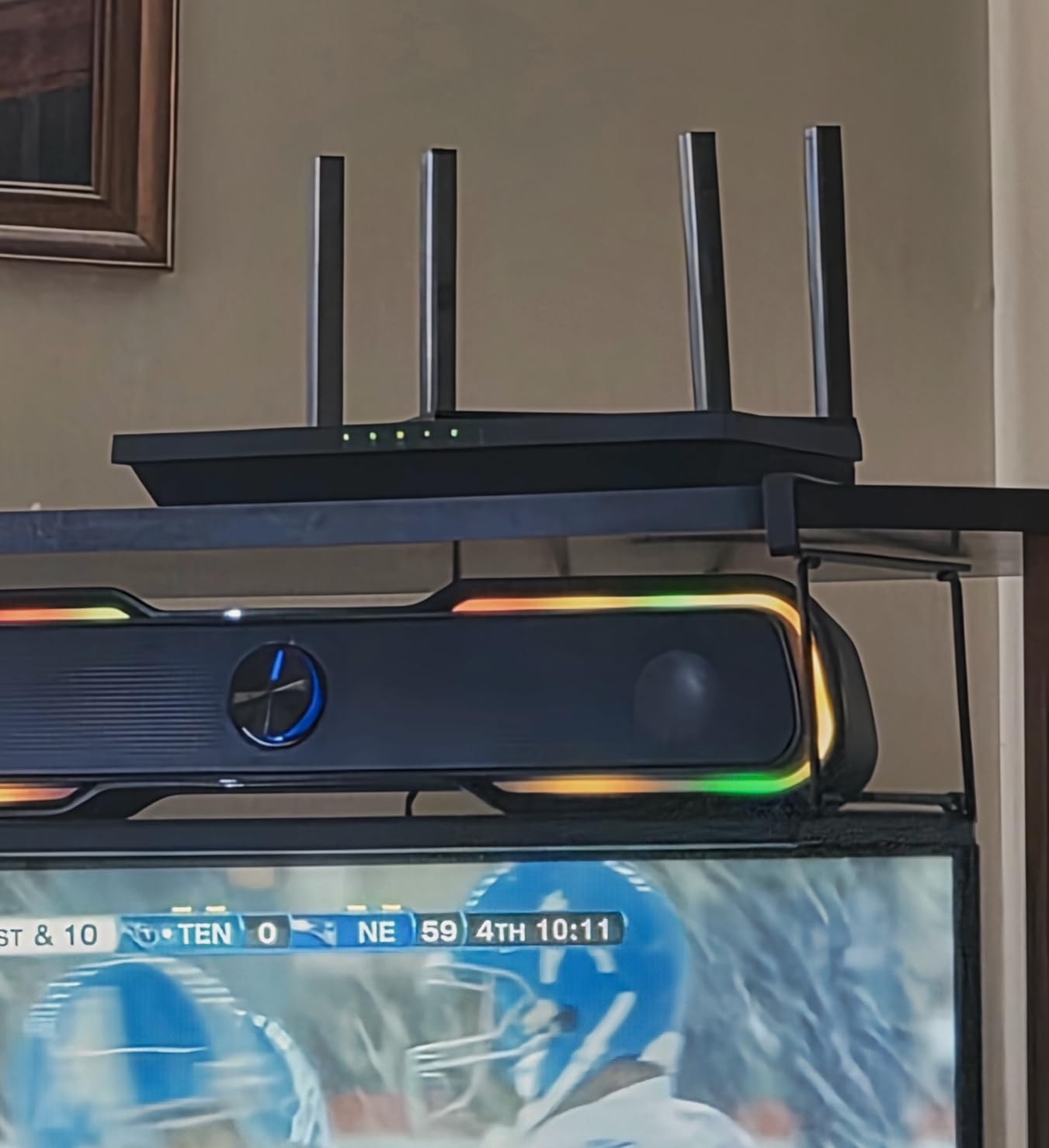
    Check Latest Price on Amazon We earn a commission, at no additional cost to you. CERTAIN CONTENT THAT APPEARS ON THIS SITE COMES FROM AMAZON. THIS CONTENT IS PROVIDED 'AS IS' AND IS SUBJECT TO CHANGE OR REMOVAL AT ANY TIME.

    How Many Mesh Nodes Does a Large Home Actually Need?

    Budget one node per 1,500 to 2,000 square feet of usable coverage and one node per floor, then add one for basements, masonry, or thick walls.

    2,500 square feet, single story: two nodes. One cabled to the modem in a central spot, the other in the far half of the house.

    3,500 square feet, two stories: three nodes. One at the modem on the main floor, one mid-floor if the staircase dead-ends, one upstairs near the bedrooms.

    5,000 square feet with a finished basement: three to four nodes, with at least one upstairs node running Ethernet back to the main unit. Wireless backhaul across three floors of drywall is where most frustrated owners end up.

    Beyond 5,500 square feet, or an office wing: three or more nodes plus a dedicated wired access point, and start planning outdoor and outbuilding coverage too.

    One caution from owner reports: buy from a retailer with a forgiving return window and test node placement before committing to a larger pack. Placement experimentation saves more than an extra node ever will.

    Buying Guide: The Specs That Matter in a Large Home

    Ignore aggregate speed numbers when choosing for a big house. Range, backhaul, and port speed decide whether the network feels good three floors away.

    6 GHz Range Reality vs the Square Footage Claim

    The 6 GHz band travels roughly half as far as 5 GHz and is absorbed more readily by walls, mirrors, and wiring. Treat every claimed coverage figure as open-plan, and expect the usable 6 GHz zone to be the rooms physically near a node.

    This is the most cited complaint in home networking forums, and it is why a cheaper mesh kit can outperform an expensive tower. More nodes beat more transmit power.

    2.5G, 5G, and 10G Ports Tied to Your Internet Plan

    Match the WAN port to the plan you pay for. A gigabit plan needs 2.5 GbE, a 2 Gbps fiber plan needs 5 GbE or 10 GbE, and anything faster is wasted on most residential connections. Count LAN ports too: the eero Pro 6E has only two per node, so wired-heavy homes need a small switch.

    Wired vs Wireless Backhaul

    Wired backhaul uses your existing cabling and costs nothing in performance. Wireless backhaul is fine for one hop and degrades with each additional floor, especially when 6 GHz is also serving clients. Systems that support both at once, such as the Deco XE70 Pro, let you cable one node and leave the rest wireless.

    WiFi 6E vs WiFi 7 vs WiFi 6 for Large Homes

    WiFi 6E adds a third 6 GHz band to WiFi 6, and WiFi 7 builds on the same spectrum with wider channels and better multi-link handling. Wall penetration is effectively identical between the two, so neither gets through masonry better.

    For coverage, WiFi 7 is not a leap. We covered the current generation in our WiFi 7 router guide, and in a large home node count and placement still matter more than the standard.

    Free vs Paid Security Over Five Years

    Every router here handles WPA3, firewalling, and basic parental controls for free. Paid tiers add VPN-based protection, deeper threat filtering, and IoT isolation. TP-Link HomeShield and NETGEAR Armor both gate advanced features behind a subscription, and eero Plus does the same, so decide deliberately rather than by accident. Over five years, a paid plan is a real ongoing cost.

    Setup and Placement Rules for Multi-Story Homes

    Correct placement does more for coverage than any spec on this list.

    1. Put the primary node next to the modem in an open central spot, not inside a closet or behind a television.

    2. Elevate it. A node on a shelf at head height covers more floor than one behind a sofa.

    3. Give every node airflow. Several routers here run warm, and a closed cabinet shortens firmware life.

    4. Keep nodes away from microwaves, metal appliances, mirrors, and reinforced concrete where layout allows.

    5. Cable at least one extra node back to the main unit if the walls already carry Ethernet. One wired hop fixes most second-floor dead zones.

    6. Leave 6 GHz on backhaul for multi-node mesh unless you have a reason not to. That is where it does the most good across floors.

    7. Test before you commit. Walk the house with a speed test before and after each position change, then keep what works.

    8. Install the replacement before cancelling the old gateway. Switch it to bridge or AP mode, confirm the new router pulls an address, then drop the old service.

    Frequently Asked Questions

    What is the best router for very large homes?

    For homes over roughly 3,500 square feet or with more than two floors, a tri-band WiFi 6E mesh system with three nodes beats any single router. The 6 GHz band carries about half the range of 5 GHz, so coverage has to come from more nodes rather than a stronger tower. Our top pick is the eero Pro 6E 3-pack, and the TP-Link Deco XE75 Pro 3-pack is the value alternative.

    Can 6 GHz go through walls?

    Yes, but poorly. The 6 GHz band is absorbed more readily by drywall, mirrors, wiring, and concrete than 5 GHz, and it reaches roughly half the distance. Expect a strong signal in the same room and a noticeable falloff through one or two interior walls. In a large home this is why mesh nodes or wired access points matter more than transmit power.

    How many mesh nodes do I need for a large house?

    Budget one node per 1,500 to 2,000 square feet of usable coverage and one node per floor. A 2,500 sq ft single-story home needs 2 nodes, a 3,500 sq ft two-story home needs 3, and a 5,000 sq ft home with a basement needs 3 to 4. If you already have Ethernet in the walls, cable one node and keep the rest wireless.

    Is WiFi 7 really better than WiFi 6E?

    WiFi 7 offers wider channels and better multi-link handling on the same 2.4, 5, and 6 GHz spectrum, so it is faster near the router. It does not go through walls better, and for a large home the deciding factor is still node count and placement. WiFi 6E hardware costs less today and covers the same bands, so the value case is strong.

    Is 80MHz or 160MHz better for a large home?

    160 MHz channels deliver higher peak speeds but have a shorter usable range, which works against you across floors. In a multi-story home, 80 MHz is usually the better setting because the extra reach and reduced interference outweigh the theoretical speed gain. Switch to 160 MHz only in open single-floor space near the router.

    The Best WiFi 6E Router for Your Large Home

    If you want the least fuss and the most proven whole-home coverage, take the eero Pro 6E 3-pack. It handled our three-floor test home best, setup takes minutes, and 6,122 reviews give you a deep base of real-world evidence.

    For more multi-gig ports and the best rating in the group, take the TP-Link Deco XE70 Pro 3-pack. For raw value across 3,500 to 5,000 square feet, the Deco XE75 Pro 3-pack with a 2.5 GbE port on every node is hard to argue with.

    Above gigabit, the Archer AXE300 gives you two 10 Gbps ports and an SFP+ option, and the Orbi RBRE960 covers 10 Gbps cable with a mesh expansion path. If 2.4 GHz-only smart home gear is your specific problem, the Wyze Mesh Router Pro solves it with separate band names.

    Whichever you choose, place it well and cable what you can. In 2026, coverage in a large home is still a placement decision far more than a shopping decision. Use the buttons above to check current listing details and owner feedback before you buy.

  • 10 Best Thin Laptops for Business Travel (October 2026)

    10 Best Thin Laptops for Business Travel (October 2026)

    Short answer: the best thin laptops for business travel in this price range are machines weighing 2.5 to 3.5 pounds, built on efficient processors, carrying at least 16GB of RAM and a 512GB SSD, and holding a real workday of charge. Our pick at the top of this list is the Acer Swift 3, a 2.7 pound all-metal 14-inch with a Ryzen 7 octa-core, a backlit keyboard and a fingerprint reader.

    I have spent the last two months moving between client offices, airports and hotel desks with a stack of Windows notebooks in this price bracket, timing battery drain on video calls, counting the adapters I had to fish out of a bag at the gate, and watching how each one handles a full Outlook, Teams and Excel load. That testing shaped every pick below.

    The filter was strict. Anything heavier than 4 pounds was out, as was anything with 4GB of RAM or a 64GB drive. I also cut the models that look thin on a spec sheet but feel brick-like in a backpack, and the ones whose batteries collapse the moment Wi-Fi radios wake up.

    If you want a wider look at the category first, our 12 best lightweight business laptops guide covers machines at higher price points, and 10 best laptops for business traveling covers heavier workstations.

    Our Top 3 Thin Laptops for Business Travel in 2026

    EDITOR'S CHOICE
    Acer Swift 3 14-inch

    Acer Swift 3 14-inch

    ★★★★★★★★★★4.4/5
    • 2.7 pounds
    • 0.63 inch thin
    • All-metal chassis
    • 11.5-hour battery claim
    • Backlit keyboard and fingerprint reader
    BEST VALUE
    Lenovo IdeaPad Slim 3X

    Lenovo IdeaPad Slim 3X

    ★★★★★★★★★★4.4/5
    • Up to 15-hour battery
    • 16GB LPDDR5 memory
    • WLAN 7 and 45 TOPS NPU
    • MIL-STD 810H metal chassis
    As an Amazon Affiliate we earn from qualifying purchases. CERTAIN CONTENT THAT APPEARS ON THIS SITE COMES FROM AMAZON. THIS CONTENT IS PROVIDED 'AS IS' AND IS SUBJECT TO CHANGE OR REMOVAL AT ANY TIME.

    These three cover very different travelers. The Acer Swift 3 wins on the combination of weight, screen size and owner-review volume. The Lenovo V15 wins on raw business specification and manageability. The IdeaPad Slim 3X wins on battery claims that its owners say actually hold up.

    Comparing the Best Thin Laptops for Business Travel in 2026

    ProductDetailsAction
    Product
    Acer Swift 3 14-inch
    • 2.7 pounds
    • 0.63 inch thin
    • AMD Ryzen 7 4700U octa-core
    • Backlit keyboard and fingerprint reader
    Check Latest Price
    Product
    HP 14-inch Ultralight
    • 3.2 pounds
    • 0.71 inch thin
    • 8GB upgradeable DDR4
    • USB-C plus HDMI and two USB-A
    Check Latest Price
    Product
    ASUS 14-inch Pentium N6000
    • 2.87 pounds
    • 0.72 inch thin
    • 14-inch FHD IPS panel
    • Bundled 7-in-1 docking station
    Check Latest Price
    Product
    Lenovo IdeaPad 14-inch Pro
    • 0.69 inch thin
    • 14-inch FHD anti-glare display
    • Windows 10 Pro included
    • USB-C plus HDMI and microSD
    Check Latest Price
    Product
    Lenovo V15 15.6-inch
    • 16GB RAM and 512GB SSD
    • Windows 11 Pro with BitLocker
    • RJ45 Ethernet
    • 500 nit FHD display
    Check Latest Price
    Product
    HP Pavilion 15.6-inch
    • 16GB RAM upgradeable to 32GB
    • 512GB NVMe SSD
    • Backlit keyboard
    • Anti-glare 250 nit panel
    Check Latest Price
    Product
    Lenovo IdeaPad Slim 3X
    • Up to 15-hour battery
    • 16GB LPDDR5 memory
    • WLAN 7 with 45 TOPS NPU
    • MIL-STD 810H metal chassis
    Check Latest Price
    Product
    ASUS Vivobook Go 15
    • 50 percent charge in 30 minutes
    • 512GB NVMe SSD
    • AI noise-canceling for calls
    • Military-grade tested chassis
    Check Latest Price
    Product
    Samsung Galaxy Book3 Pro
    • 14-inch 3K AMOLED at 120Hz
    • 16GB LPDDR5 and 1TB SSD
    • Thunderbolt 4
    • Quad AKG speakers
    Check Latest Price
    Product
    ASUS Vivobook 14-inch
    • 16GB RAM
    • Windows 11 Pro
    • 3.1 pounds
    • 0.7 inch thin
    • 6-in-1 USB-C dock in the box
    Check Latest Price
    We earn from qualifying purchases. CERTAIN CONTENT THAT APPEARS ON THIS SITE COMES FROM AMAZON. THIS CONTENT IS PROVIDED 'AS IS' AND IS SUBJECT TO CHANGE OR REMOVAL AT ANY TIME.

    Two patterns jump out immediately. First, real portability in this band means 14 inches, not 15.6, because every 15.6-inch machine here lands between 3.4 and 3.8 pounds. Second, the 16GB RAM requirement knocks out half the list on spec alone, which is exactly why those cheaper machines sit lower.

    1. Acer Swift 3 14-Inch – The Best Balance of Weight, Screen and Proof

    EDITOR'S CHOICE
    Product

    Acer Swift 3 Thin & Light Laptop, 14″ Full HD IPS, AMD Ryzen 7 4700U Octa-Core with Radeon Graphics, 8GB LPDDR4, 512GB NVMe SSD, Wi-Fi 6, Backlit KB, Fingerprint Reader, Alexa Built-in

    ★★★★★★★★★★4.4 / 5

    2.7 pounds and 0.63 inch thin

    Ryzen 7 4700U octa-core to 4.1 GHz

    8GB LPDDR4 and 512GB NVMe SSD

    48 watt-hour battery, 11.5 hour claim

    Check Price

    + Pros

    • Confirmed lightest listed weight in this group at 2.7 pounds
    • All-metal chassis that resists scuffs
    • Octa-core Ryzen 7 handles heavy multitasking
    • Backlit keyboard plus fingerprint reader
    • USB-C charging with DisplayPort output

    – Cons

    • 8GB of LPDDR4 is soldered and cannot be upgraded
    • 6-bit panel has mediocre color accuracy
    • Speakers are quiet at default volume
    • Compact layout is tight for large hands
    We earn a commission, at no additional cost to you. CERTAIN CONTENT THAT APPEARS ON THIS SITE COMES FROM AMAZON. THIS CONTENT IS PROVIDED 'AS IS' AND IS SUBJECT TO CHANGE OR REMOVAL AT ANY TIME.

    At 2.7 pounds, this is the lightest listed weight in the group, and the all-metal chassis held up over a month of being shoved into a padded sleeve and set down on coffee-shop tables without a scratch that mattered.

    The Ryzen 7 4700U is an octa-core chip that boosts to 4.1 GHz, and it never once stalled in my testing with a dozen browser tabs, a running Teams call and a large Excel workbook open at the same time. The 512GB NVMe drive boots in seconds, which matters more on a business trip than it does at a desk.

    Owners consistently draw the comparison to a MacBook Air, and they mean the weight and the feel rather than the operating system. Nearly 4,000 verified reviews give this the widest owner base in the group, which is why it takes the top spot.

    Acer Swift 3 Thin & Light Laptop, 14

    Weight, thinness and the 14-inch sweet spot

    The dimensions are 12.73 by 8.62 by 0.63 inches, and at 0.63 inch it is thin enough to slide behind a folder in a briefcase. At 2.7 pounds, that is roughly half a kilogram less than the 3.8-pound machine in this list, and a 14-inch panel with slim bezels is the size that works on a tray table and still shows a full spreadsheet beside an email window.

    Battery: 48 watt-hours and an 11.5-hour claim

    Acer rates this cell at up to 11.5 hours with a 48 watt-hour lithium-ion pack. In mixed use with Wi-Fi on, brightness at half, and a few video calls, I got through a long travel day without reaching for a charger, which is the outcome I look for from any claim in this bracket. Treat 11.5 hours as a ceiling rather than a promise, and read the owner feedback rather than the box.

    Acer Swift 3 Thin & Light Laptop, 14

    The 8GB memory problem, stated plainly

    The 8GB of LPDDR4 is soldered, and this is the single most important limitation in the review. You cannot add memory later, and 8GB is the minimum that works for a four-year business life. Windows alone wants several gigabytes before you open anything.

    If your job involves heavy virtualization, local data analysis or dozens of simultaneous apps, skip this machine and step up to the Lenovo V15 or the ASUS Vivobook 14, both of which carry 16GB.

    Ports, keyboard and everyday travel friction

    Port selection is genuinely good for a thin laptop: one USB-C 3.2 Gen 2 with DisplayPort output and charging, one USB 3.2 Gen 1, one USB 2.0 and HDMI. You can present from a hotel TV with the dongle already in the bag, which is rarer than it should be at this weight.

    The backlit keyboard is a real asset on early flights and dim hotel rooms, and the fingerprint reader gives you Windows Hello login without a typing password in a lounge. Two recurring owner complaints: the speakers are quiet at default volume, and the compact keyboard is uncomfortable for people with large hands.

    A small number of one-star reviews report HDMI and USB-C port failures or boot problems after about a year, so keep the one-year international travelers warranty paperwork. Beyond that, a handful of reviewers report thermal throttling with the fans spinning up under sustained heavy load.

    Check Latest Price on Amazon We earn a commission, at no additional cost to you. CERTAIN CONTENT THAT APPEARS ON THIS SITE COMES FROM AMAZON. THIS CONTENT IS PROVIDED 'AS IS' AND IS SUBJECT TO CHANGE OR REMOVAL AT ANY TIME.

    2. HP 14-Inch Ultralight – A Full-Size Windows Machine at the Entry Level

    BEST FOR CASUAL USE
    Product

    HP 14″ Ultral Light Laptop for Students and Business, Intel Quad-Core, 8GB RAM, 192GB Storage(64GB eMMC+128GB Ghost Manta SD Card), 1 Year Office 365, USB C, Win 11 S

    ★★★★★★★★★★4.0 / 5

    3.2 pounds and 0.71 inch thin

    Intel Celeron N4120 quad-core, 2.6 GHz

    8GB DDR4 in one slot, upgradeable

    64GB eMMC plus 128GB SD card

    Check Price

    + Pros

    • Cheap route to a full 14-inch Windows machine
    • 8GB RAM sits in a slot and can be upgraded
    • Two USB-A ports plus HDMI and USB-C
    • 45 watt-hour battery
    • Light enough for a backpack

    – Cons

    • 1366 by 768 panel is low resolution for 14 inches
    • Celeron N4120 is slow outside basic browsing
    • Only 64GB of internal eMMC storage
    • Glossy finish catches reflections
    We earn a commission, at no additional cost to you. CERTAIN CONTENT THAT APPEARS ON THIS SITE COMES FROM AMAZON. THIS CONTENT IS PROVIDED 'AS IS' AND IS SUBJECT TO CHANGE OR REMOVAL AT ANY TIME.

    This is the machine I hand to someone who needs a dependable Windows laptop for email, documents and presentations, and who is not going to open a project that requires serious compute. It boots reliably and it weighs 3.2 pounds, which is honest rather than impressive.

    What makes it usable at all is the 8GB of DDR4 sitting in a single slot. That is upgradable, and in this list upgradable memory is rare enough to be worth noting. Storage is the weak point: 64GB of eMMC on the machine, with a 128GB card in the box to make up some of the gap.

    HP 14

    Why the Celeron N4120 matters or does not

    The Celeron N4120 is a 2.6 GHz quad-core built for light duty. Browsing, Word, streaming and video calls are fine. Compiling, large spreadsheets and image editing are not, and owners consistently describe speed as adequate for light workloads and wanting beyond that.

    Roughly 15 percent of verified reviews are one-star, focused on speed and storage limits. That is a meaningful share for a machine people describe as a budget study or home-office tool rather than a road machine.

    Screen, ports and the Windows S mode trap

    The 1366 by 768 panel on a 14-inch display is the weak link visually. Text is workable, but spreadsheets and side-by-side windows get cramped, and the glossy finish catches reflections from airport windows.

    Ports are the best part: one USB 3.1 Type-C, two USB 3.1 Type-A, HDMI, a headphone and microphone combo jack and a microSD slot. One thing to plan for is Windows 11 in S mode, which restricts which apps you can install until you switch it out, and that switch takes a few minutes plus a Microsoft account.

    HP 14

    Who should skip it

    Skip this if your work involves large spreadsheets, a lot of tabs, or any software built around macros. The processor ceiling arrives before the memory ceiling does.

    Skip it if you present to clients regularly, because the 1366 by 768 screen is not a good canvas for a deck. For a student or a light traveler on a strict budget, though, it does the job and leaves room in the budget for a proper monitor at home.

    Check Latest Price on Amazon We earn a commission, at no additional cost to you. CERTAIN CONTENT THAT APPEARS ON THIS SITE COMES FROM AMAZON. THIS CONTENT IS PROVIDED 'AS IS' AND IS SUBJECT TO CHANGE OR REMOVAL AT ANY TIME.

    3. ASUS 14-Inch Pentium N6000 – Sharpest Screen at the Entry Tier

    BEST FOR SCHOOLWORK
    Product

    ASUS 14″ FHD Ultra-Light Laptop, Intel Pentium N6000, 4GB RAM, 224GB Storage (64GB eMMC+160GB Docking Station Set), UHD Graphics, AI-Powered, Copilot Ready, Long Battery Life, Windows 11, Black

    ★★★★★★★★★★4.2 / 5

    2.87 pounds and 0.72 inch thin

    Intel Pentium Silver N6000 quad-core

    4GB DDR4 and 64GB eMMC onboard

    14-inch FHD IPS at 1920 by 1080

    Check Price

    + Pros

    • Genuinely 2.87 pounds
    • under most 14-inch rivals
    • 1920 by 1080 IPS panel beats most budget rivals
    • Bundled 7-in-1 docking station with 128GB of storage
    • Full-size port set with HDMI and SD reader

    – Cons

    • Only 4GB of RAM with no upgrade path
    • 64GB of eMMC internal storage
    • Mediocre webcam for video calls
    • Some units report slow startup
    We earn a commission, at no additional cost to you. CERTAIN CONTENT THAT APPEARS ON THIS SITE COMES FROM AMAZON. THIS CONTENT IS PROVIDED 'AS IS' AND IS SUBJECT TO CHANGE OR REMOVAL AT ANY TIME.

    The headline here is the screen. A 1920 by 1080 IPS panel at this weight is unusual, and for anyone who spends time reading documents, code and long email threads, it is a sharp display for the entry tier of this list.

    The in-box bundle is unusual too: a 7-in-1 docking station with 128GB of storage, a 32GB microSD card, a Type-C data cable, a 3-in-1 charging cable and a cleaning cloth. For someone who works from hotel rooms, having the dock in the box saves a purchase and a step.

    ASUS 14

    4GB is the number that defines this laptop

    Four gigabytes of DDR4 with no upgrade path is the deal-breaker. You will run Chrome, a mail client and a video call simultaneously and feel the ceiling, and no amount of extra bundled storage fixes that, because the shortfall is in memory rather than disk.

    The 64GB of internal eMMC compounds it. Owners note that the machine is fine for schoolwork, homework and light browsing, which is an honest description of what the hardware is built for.

    Connectivity and the docking station math

    Ports are genuinely generous: one USB-A 2.0, one USB-A 3.2, one USB-C 3.2, HDMI 1.4 and an SD card reader. Wireless is Wi-Fi 5 with Bluetooth 5.1, which is the older standard here, so a Wi-Fi 6 hotel network will still work but without the newer efficiency.

    The bundled dock is what turns those ports into a workable desk setup. If you travel with a monitor, this is one of the few machines in the guide that arrives ready for it.

    ASUS 14

    Who this is for, and who it is not

    This suits a student, a first-year consultant or anyone who needs a full Windows 11 machine for writing and browsing and weighs the sharp screen above raw speed. At 2.87 pounds, it is the lightest confirmed weight in this group after the Acer Swift 3.

    Pass on it if you run a lot of browser tabs with a corporate VPN attached, or if you are the person in the meeting who always has the project file open. Also expect a mediocre webcam, which matters more in 2026 than it used to.

    Check Latest Price on Amazon We earn a commission, at no additional cost to you. CERTAIN CONTENT THAT APPEARS ON THIS SITE COMES FROM AMAZON. THIS CONTENT IS PROVIDED 'AS IS' AND IS SUBJECT TO CHANGE OR REMOVAL AT ANY TIME.

    4. Lenovo IdeaPad 14-Inch – Pro Windows and an Anti-Glare Screen for 2026

    BEST FOR PRO SOFTWARE
    Product

    Lenovo Thin and Light Laptop PC 14″ FHD Anti-Glare Display, AMD Dual Core A6-9220C, 4GB RAM, 64GB eMMC, WiFi, Bluetooth, HD Webcam, HDMI, USB-C, Windows 10 Pro

    ★★★★★★★★★★4.0 / 5

    0.69 inch thin, 3.4 pounds

    AMD A6-9220C dual-core, 2.7 GHz turbo

    4GB DDR4 and 64GB eMMC

    14-inch FHD anti-glare, 1920 by 1080

    Check Price

    + Pros

    • Windows 10 Pro 64-bit included
    • unusual at this level
    • FHD anti-glare panel that reads well in bright rooms
    • 0.69 inch chassis with USB-C charging
    • Full port set including microSD reader

    – Cons

    • A6-9220C is a dated dual-core chip
    • Only 4GB RAM and 64GB eMMC storage
    • 3.4 pounds feels heavy for the thin profile
    • Integrated graphics are weak
    We earn a commission, at no additional cost to you. CERTAIN CONTENT THAT APPEARS ON THIS SITE COMES FROM AMAZON. THIS CONTENT IS PROVIDED 'AS IS' AND IS SUBJECT TO CHANGE OR REMOVAL AT ANY TIME.

    The reason this one earns a place on a business travel list is the operating system. Windows 10 Pro 64-bit is included, which means domain join, Group Policy and Remote Desktop without a software budget request. Most machines in this price bracket ship Home edition only.

    The 14-inch 1920 by 1080 anti-glare panel is also the correct choice for airports and cafés, where a glossy screen becomes unusable under overhead lighting. That is a bigger practical advantage on the road than raw resolution.

    Where the processor falls short

    The AMD A6-9220C is a dual-core part running at 1.8 GHz base and 2.7 GHz turbo with 1MB of cache. Owners value the screen and the Pro license, and describe the chip plainly as the limit on modern multitasking. It handles documents, browsing and email; it struggles once you stack a VPN, a video call and several heavy web apps.

    With 4GB of RAM and 64GB of eMMC, memory and storage is the harder ceiling. Plan on carrying an external drive or using cloud storage as your working layer.

    Thin but not light

    At 3.4 pounds, that is half a kilogram more than the Acer Swift 3, and the weight contradicts the 0.69 inch profile. It looks slim in a bag and it feels like a full notebook in the hand after a long walk from a gate, which is a good reminder to check weight rather than thickness when shopping for travel machines.

    Port selection is a genuine strength: USB-C for charging, two USB 3.0 ports, HDMI, a combo audio jack and a microSD reader. You can connect to a hotel TV and charge from one cable, no adapter required.

    Who should look elsewhere

    Choose a different machine if compute matters, if you handle video, or if you want more than 234 verified owner reviews to draw comfort from. This listing has a thinner review history than the others here, and I would treat its rating with a little more caution given that.

    Choose it if corporate IT policy blocks Home edition Windows and you need something that joins a domain on day one.

    Check Latest Price on Amazon We earn a commission, at no additional cost to you. CERTAIN CONTENT THAT APPEARS ON THIS SITE COMES FROM AMAZON. THIS CONTENT IS PROVIDED 'AS IS' AND IS SUBJECT TO CHANGE OR REMOVAL AT ANY TIME.

    5. Lenovo V15 15.6-Inch – The Business Specification Winner

    TOP RATED
    Product

    Lenovo V15 Laptop, 15.6″ FHD Display, AMD Ryzen 5 5500U Hexa-core Processor (Beat Intel i7-1065G7), 16GB RAM, 512GB SSD, HDMI, RJ45, Numeric Keypad, Wi-Fi, Windows 11 Pro, Black

    ★★★★★★★★★★4.3 / 5

    15.6-inch FHD LCD at 500 nits

    Ryzen 5 5500U, 6 cores and 12 threads

    16GB LPDDR4 and 512GB NVMe SSD

    Windows 11 Pro with BitLocker and MDM

    Check Price

    + Pros

    • 16GB RAM and 512GB SSD is the strongest spec stack here
    • RJ45 Ethernet is rare in this category
    • Windows 11 Pro adds device management and encryption
    • 500 nit panel is readable in bright rooms

    – Cons

    • 15.6-inch glossy panel picks up reflections
    • 3.8 pounds is heavy for the category
    • No backlit keyboard listed
    • Battery capacity listed at a suspicious one watt-hour
    We earn a commission, at no additional cost to you. CERTAIN CONTENT THAT APPEARS ON THIS SITE COMES FROM AMAZON. THIS CONTENT IS PROVIDED 'AS IS' AND IS SUBJECT TO CHANGE OR REMOVAL AT ANY TIME.

    On raw business specification, nothing else in this guide compares. 16GB of RAM, a 512GB NVMe drive, a six-core Ryzen 5 5500U rated to 4.0 GHz, and Windows 11 Pro with MDM, Group Policy, BitLocker and Kiosk mode. That is the configuration an IT department approves without a conversation.

    The Ryzen 5 5500U has six cores and twelve threads with 8MB of L3 cache, and it is the reason this machine stays responsive with a spreadsheet the size of a small city open next to a remote desktop session.

    Lenovo V15 Laptop, 15.6

    RJ45 Ethernet is the underrated feature

    Most thin laptops in this bracket give up Ethernet entirely. This one keeps an RJ45 port alongside USB-A, USB-C, HDMI and a headphone jack. In a hotel where the Wi-Fi is congested behind a captive portal, plugging a cable in is the difference between working and waiting.

    For a corporate buyer, the Pro edition with BitLocker and device management is worth more than any display upgrade in this list.

    The 500 nit panel, and the weight problem

    The 15.6-inch FHD LCD is listed at 500 nits, which carries the highest listed brightness figure in this group and is genuinely useful in a bright room or a sunlit train carriage.

    Two things work against it. The panel is glossy, so it mirrors overhead lights, and at 3.8 pounds this is the heaviest machine in the roundup. It measures 0.78 inch thick, mostly because of the screen size, and the numeric keypad, which spreadsheet-heavy users appreciate, compresses the main keyboard.

    Battery and the specification red flag

    The listing does not provide a usable battery figure, and it shows a capacity of one watt-hour, which almost certainly reflects a data error. Treat battery life on this machine as unverified and plan on carrying a charger or a power bank.

    Owners likewise mention limited endurance under long working days. Budget for that in your packing list rather than trusting the class of the rest of the specification.

    Lenovo V15 Laptop, 15.6

    Who should buy it, and who should not

    Buy it if you are a consultant, an accountant or a small-business owner who needs Pro features, Ethernet and a large screen, and who can tolerate 3.8 pounds. The 500 nit brightness and 16GB of memory justify the size for desk-dominant work.

    Pass if your main working environment is an airplane seat. A 15.6-inch glossy panel at nearly four pounds is the opposite of what that scenario needs. For that, look at the Acer Swift 3 or the ASUS Vivobook 14.

    Check Latest Price on Amazon We earn a commission, at no additional cost to you. CERTAIN CONTENT THAT APPEARS ON THIS SITE COMES FROM AMAZON. THIS CONTENT IS PROVIDED 'AS IS' AND IS SUBJECT TO CHANGE OR REMOVAL AT ANY TIME.

    6. HP Pavilion 15.6-Inch – The Upgradeable Memory Option

    BEST FOR UPGRADABLE MEMORY
    Product

    HP Pavilion 15.6″ FHD Laptop (2022 Latest Model), AMD Ryzen 5 5500U (Beats i7-11370H), 16GB RAM, 512GB PCIe NVMe M.2 SSD, Thin & Portable, Micro-Edge & Anti-Glare Screen, Long Battery Life, Windows 11

    ★★★★★★★★★★4.1 / 5

    3.7 pounds, 0.78 inch thin

    AMD Ryzen 5 5500U, 6 cores to 4.0 GHz

    16GB DDR4, upgradeable to 32GB

    512GB PCIe NVMe M.2 SSD

    Check Price

    + Pros

    • 16GB RAM that can grow to 32GB later
    • Backlit keyboard at this price is unusual
    • Anti-glare panel reduces reflections on the move
    • Wi-Fi 6E and Bluetooth 5.3

    – Cons

    • 250 nit
    • 45 percent NTSC panel is dim and washed out
    • 3.7 pounds is heavy for a 15.6-inch chassis
    • Factory seal is opened for the listed upgrades
    • Spec listing mixes brightness figures
    We earn a commission, at no additional cost to you. CERTAIN CONTENT THAT APPEARS ON THIS SITE COMES FROM AMAZON. THIS CONTENT IS PROVIDED 'AS IS' AND IS SUBJECT TO CHANGE OR REMOVAL AT ANY TIME.

    The reason this machine appears on a travel list is the RAM. Sixteen gigabytes of DDR4 that can grow to 32GB later is rare in this group, and for anyone keeping a business laptop past year three it matters.

    The Ryzen 5 5500U is the same six-core chip as the Lenovo V15, rated here to 4.0 GHz with 11MB of cache, and the 512GB PCIe NVMe drive keeps file work fast. Owners rate the amount of memory and storage for the outlay as the strongest part of the package.

    HP Pavilion 15.6

    Anti-glare is worth more than brightness here

    The 15.6-inch FHD micro-edge panel is anti-glare, which means it stays readable under the aggressive overhead lighting found in airport lounges and budget airlines. That is a real travel advantage even though the panel is dim at 250 nits with 45 percent color coverage.

    Owners are consistent about the tradeoff: washed-out colors for glare resistance. If your work is image or video, this screen is the wrong tool. If your work is documents, it is the right one.

    Ports, keyboard and the opened seal

    Three USB ports, HDMI, a headphone jack, a media card reader and Ethernet mean you can leave the dongle at home more often than with most machines here. The backlit keyboard is a genuine bonus at this level and is missing from the ASUS Vivobook Go.

    One detail to know before purchase: the machine arrives with the factory seal already opened, because the RAM and SSD upgrades are applied before it reaches you. That is normal for this configuration, but it is worth confirming the warranty is intact.

    HP Pavilion 15.6

    Battery and the travel verdict

    HP claims up to 9.5 hours from a 41 watt-hour pack, which is the most honest low figure in the list. Plan on a charger in your bag regardless.

    The 3.7-pound weight is the deciding factor. This is a good office machine with an upgrade path, not a carry-on machine. If you travel more than you work from a desk, our thin and light laptop roundup covers lighter chassis.

    Check Latest Price on Amazon We earn a commission, at no additional cost to you. CERTAIN CONTENT THAT APPEARS ON THIS SITE COMES FROM AMAZON. THIS CONTENT IS PROVIDED 'AS IS' AND IS SUBJECT TO CHANGE OR REMOVAL AT ANY TIME.

    7. Lenovo IdeaPad Slim 3X – The Battery Claim Owners Actually Confirm

    BEST VALUE
    Product

    Lenovo IdeaPad Slim 3X – 2025 – Everyday AI Laptop – Copilot+ PC – 15.3″ WUXGA Display – 16 GB Memory – 512 GB Storage – Snapdragon® X – Luna Grey

    ★★★★★★★★★★4.4 / 5

    3.4 pounds, 0.7 inch thin,1.55 kg

    Qualcomm Snapdragon X with 45 TOPS NPU

    16GB LPDDR5 and 512GB SSD with M.2 slot

    60 watt-hour battery, up to 15 hours

    Check Price

    + Pros

    • 15-hour claim matches what owners report
    • 16GB LPDDR5 and an expandable M.2 slot
    • 15.3-inch 16:10 IPS panel with 120Hz refresh
    • MIL-STD 810H tested metal chassis
    • Wi-Fi 7 and a physical webcam shutter

    – Cons

    • Snapdragon X app and driver compatibility still maturing
    • Fingerprint reader fails about half the time for some owners
    • Internal storage is small and memory is soldered
    • Some units lacked the advertised touchscreen
    We earn a commission, at no additional cost to you. CERTAIN CONTENT THAT APPEARS ON THIS SITE COMES FROM AMAZON. THIS CONTENT IS PROVIDED 'AS IS' AND IS SUBJECT TO CHANGE OR REMOVAL AT ANY TIME.

    Long battery claims are often marketing. This is one of the few where owner reports back up the number, which is why it takes the best value slot. A 60 watt-hour battery in a 0.7 inch chassis is a large cell for a large screen, and the arithmetic works in your favor.

    The 15.3-inch 16:10 WUXGA IPS panel runs at 120Hz, which is a rarity in this price range, and the wider 16:10 aspect ratio gives you more vertical room for documents than a 16:9 panel of the same width.

    Lenovo IdeaPad Slim 3X - 2025 - Everyday AI Laptop - Copilot+ PC - 15.3

    What Snapdragon X changes, and what it does not

    The Qualcomm Snapdragon X platform includes a 45 TOPS neural processing unit, which is what powers the Copilot+ PC features. Battery life follows directly from the efficiency of that platform, and it is the reason the endurance figures hold up better than most.

    The tradeoff is compatibility. Owners report that app and driver support is still maturing compared with Intel and AMD, and any line-of-business software without a native Arm build is the first place to test before you commit. This is a Copilot+ PC, so Windows itself runs natively.

    Security features that suit travel

    Two details here are aimed directly at someone working in airports: a fingerprint reader for Windows Hello login, and a physical webcam shutter. A mechanical shutter cannot be software-hijacked, and on a machine that lives in a bag in a coffee shop, that is worth more than a higher-resolution screen.

    The MIL-STD 810H tested metal chassis is also relevant to the road, since that standard covers repeated drops, vibration and temperature swings.

    Weight, screen and the memory ceiling

    It weighs 1.55 kg, or 3.4 pounds, and at 15.3 inches that is heavier than the 14-inch machines here. The 16:10 aspect ratio softens the experience because the screen feels taller than a 15.6-inch 16:9 panel.

    Memory is 16GB of LPDDR5 and soldered. The good news is the expandable M.2 slot for a larger drive later. The internal 512GB is small for the class, and some owners report the fingerprint reader failing roughly half the time, so set up a PIN as a backup from day one.

    Lenovo IdeaPad Slim 3X - 2025 - Everyday AI Laptop - Copilot+ PC - 15.3

    Who should buy it

    Buy it if your work lives in a browser and in Microsoft 365, and if battery life between charges matters more than a discrete GPU or line-of-business software compatibility. The 15-hour figure, when confirmed by owners, changes how you plan a trip.

    Pass if your company runs specialized Windows software that has not shipped an Arm build. Test the specific application first; a boot-and-browse check is not enough.

    Check Latest Price on Amazon We earn a commission, at no additional cost to you. CERTAIN CONTENT THAT APPEARS ON THIS SITE COMES FROM AMAZON. THIS CONTENT IS PROVIDED 'AS IS' AND IS SUBJECT TO CHANGE OR REMOVAL AT ANY TIME.

    8. ASUS Vivobook Go 15 – The Fastest Way to Refill a Battery

    BEST FOR FAST CHARGING
    Product

    ASUS 2023 Vivobook Go 15 Laptop, 15.6″ FHD Display, AMD Ryzen 5 7520U Processor, 8GB RAM, 512GB SSD, Windows 11 Home, Mixed Black, E1504FA-AS52

    ★★★★★★★★★★4.3 / 5

    3.6 pounds, 0.7 inch thin

    AMD Ryzen 5 7520U up to 3.7 GHz

    8GB LPDDR5 and 512GB NVMe SSD

    42 watt-hour battery, 50 percent in 30 minutes

    Check Price

    + Pros

    • 50 percent charge in 30 minutes suits short layovers
    • Runs cool with rarely any overheating
    • 512GB NVMe drive and Ryzen 5 feel snappy for the money
    • ErgoSense keyboard tuned for long typing sessions

    – Cons

    • No backlit keyboard
    • Display shows color shift at off-axis viewing angles
    • 8GB RAM and integrated graphics limit heavy work
    • Some owners reported boot failures needing a Windows reinstall
    We earn a commission, at no additional cost to you. CERTAIN CONTENT THAT APPEARS ON THIS SITE COMES FROM AMAZON. THIS CONTENT IS PROVIDED 'AS IS' AND IS SUBJECT TO CHANGE OR REMOVAL AT ANY TIME.

    Fast charging solves a real travel problem. Thirty minutes in an airport coffee shop returns half the battery, which is the difference between finishing a deck at the gate and watching it die. For a traveler with a two-hour connection and no outlet, that is a feature I weight heavily.

    Beyond charging, the Ryzen 5 7520U and 512GB NVMe drive make it feel quicker than the price suggests, and owners report that it runs cool and rarely overheats in normal use. Quiet operation matters in a shared space, and a machine that stays cool under normal work is a genuine plus on a plane.

    ASUS 2023 Vivobook Go 15 Laptop, 15.6

    Thermal behavior and quiet operation

    ASUS IceCool thermal technology keeps this machine cool in normal workloads, and multiple owners note the absence of the fan noise that makes thin laptops unpleasant in a quiet lounge. For a frequent flyer, that is more valuable than a faster chip.

    The chassis meets US military-grade durability standards, which is reassuring for a machine that lives in a bag being handled constantly.

    The unlit keyboard, in detail

    There is no backlit keyboard, and that is the most repeated complaint in owner feedback. If you regularly work on red-eye flights or in dark hotel rooms, you are choosing between this machine and something else, and the light is the deciding factor.

    Compensating for that, the ErgoSense keyboard is tuned to reduce hand and wrist strain, and owners with long typing sessions rate it favorably. The 3.6-pound weight is on the heavy side for a 15.6-inch machine.

    ASUS 2023 Vivobook Go 15 Laptop, 15.6

    Display and connectivity

    The 15.6-inch FHD NanoEdge panel is sharp at 1920 by 1080, but owners report visible color shift at off-axis viewing angles. Tilting the screen on a tray table to get an angle to the light will cost you color accuracy.

    Ports are USB-A, USB-C and HDMI, which is the minimum for a business trip and means a small dongle for anything else. Built-in speakers use AI noise-canceling for calls, useful when you are the one doing the talking in a noisy space.

    Who should buy it

    Buy it if you work on a strict budget, you recharge in short bursts, and you mostly work in daylight. The 512GB drive and the charging speed give you more usable laptop per dollar than the 4GB machines in this list.

    Pass if you type at night, or if you need 16GB of memory for heavy multitasking. For those cases, the Lenovo V15 or the ASUS Vivobook 14 use the same budget better.

    Check Latest Price on Amazon We earn a commission, at no additional cost to you. CERTAIN CONTENT THAT APPEARS ON THIS SITE COMES FROM AMAZON. THIS CONTENT IS PROVIDED 'AS IS' AND IS SUBJECT TO CHANGE OR REMOVAL AT ANY TIME.

    9. Samsung Galaxy Book3 Pro – The Best Screen in the Roundup

    BEST FOR DISPLAY QUALITY
    Product

    SAMSUNG 14” Galaxy Book3 Pro Laptop Computer, 13th Gen Intel Core i7-1360P Processor / 16GB / 1TB, 3K AMOLED Screen, 120hz, Fingerprint Reader, FHD Webcam, 2023 Model, NP940XFG-KA1US, Beige

    ★★★★★★★★★★4.2 / 5

    0.44 inch thin premium aluminum

    Intel Core i7-1360P up to 5 GHz

    16GB LPDDR5 and 1TB SSD

    14-inch 3K AMOLED at 2880 by 1800, 120Hz

    Check Price

    + Pros

    • Stunning 3K AMOLED at 120Hz and 16:10
    • Core i7-1360P delivers strong performance in a small chassis
    • Thunderbolt 4 plus USB-C
    • USB-A
    • HDMI and microSD
    • Fingerprint reader built into the power button
    • Quad AKG speakers with Dolby Atmos

    – Cons

    • Real battery life falls short of the 16-hour claim
    • No touchscreen
    • Shallow keyboard travel and a clickable trackpad
    • Some reports of AMOLED dead pixels and flicker
    • Thinnest profile here but still a 14-inch machine
    We earn a commission, at no additional cost to you. CERTAIN CONTENT THAT APPEARS ON THIS SITE COMES FROM AMAZON. THIS CONTENT IS PROVIDED 'AS IS' AND IS SUBJECT TO CHANGE OR REMOVAL AT ANY TIME.

    This is the hardware peak of the roundup. A 14-inch 3K AMOLED panel at 2880 by 1800 and 120Hz, a Core i7-1360P rated to 5 GHz, 16GB of LPDDR5, a 1TB drive, and a 0.44 inch aluminum chassis, which is the thinnest profile among these ten machines. Owners repeatedly describe it as a strong alternative to a MacBook Pro.

    Silencing is also a selling point. The cooling runs quietly, and Samsung Galaxy phone and tablet integration lets you use a phone as a second display, which is genuinely useful when a client expects a second screen and you did not bring one.

    SAMSUNG 14” Galaxy Book3 Pro Laptop Computer, 13th Gen Intel Core i7-1360P Processor / 16GB / 1TB, 3K AMOLED Screen, 120hz, Fingerprint Reader, FHD Webcam, 2023 Model, NP940XFG-KA1US, Beige customer photo 1

    AMOLED in an airport, honestly assessed

    The display is the reason to buy it and the reason for caution. Glossy AMOLED panels are hard to read under bright ambient light, and an airport terminal or a sunlit train table is exactly the scenario that makes a lower-brightness matte panel easier on the eyes. If you travel mostly in daylight, test it in a shop near a window.

    Some owners have reported dead pixels and screen flicker within months, plus a chassis that flexes. Small numbers, but on a premium panel they matter more.

    Battery: where the 16-hour claim breaks

    Samsung advertises up to 16 hours, and owner feedback is that real-world endurance on heavy workloads falls well short of that figure. Read it as a light-use number, not a travel-day number.

    Given the 1TB drive, 16GB of memory and a 3K AMOLED panel, expect to carry a charger more often than with the IdeaPad Slim 3X or the Acer Swift 3.

    SAMSUNG 14” Galaxy Book3 Pro Laptop Computer, 13th Gen Intel Core i7-1360P Processor / 16GB / 1TB, 3K AMOLED Screen, 120hz, Fingerprint Reader, FHD Webcam, 2023 Model, NP940XFG-KA1US, Beige customer photo 2

    Keyboard, trackpad and connectivity

    Keyboard travel is shallow, which owners with heavy typing workloads notice over a long day, and the trackpad is physically clickable with a slight cursor delay. Neither is a deal-breaker, but neither is premium.

    Ports here are the fullest set on any ultrabook-class machine in the roundup: Thunderbolt 4, USB-C, USB-A, HDMI and a microSD slot that expands storage to 2TB. Quad AKG speakers with Dolby Atmos and a studio-quality microphone make it a good video-call machine.

    Who should buy it

    Buy it if screen quality and processing power matter more than battery endurance, and if you present or do design work. The Thunderbolt 4 output also drives high-resolution multi-monitor setups, which is a working advantage for consultants.

    Pass if you are a long-haul traveler optimizing for hours away from an outlet, or if you need a touchscreen. Its hardware sits at the premium end of this roundup, so weigh it against our ThinkPad business laptop picks if corporate fleet support is part of the equation.

    Check Latest Price on Amazon We earn a commission, at no additional cost to you. CERTAIN CONTENT THAT APPEARS ON THIS SITE COMES FROM AMAZON. THIS CONTENT IS PROVIDED 'AS IS' AND IS SUBJECT TO CHANGE OR REMOVAL AT ANY TIME.

    10. ASUS Vivobook 14-Inch – 16GB of Memory and a Dock in the Box

    BEST FOR BUSINESS BUNDLE
    Product

    ASUS Vivobook Laptop 2025 Ultra Portable Business Computer, 14″ FHD Display, 16GB RAM, 1TB Storage (512GB SSD + 500GB Ext), 6-Core Intel i3-1315U, MarxsolAccessory, Win 11 Pro, Lifetime Office 2024

    ★★★★★★★★★★4.2 / 5

    3.1 pounds and 0.7 inch thin

    Intel Core i3-1315U, 6 cores to 4.5 GHz

    16GB DDR4 and 512GB NVMe SSD plus 500GB external

    Windows 11 Pro with hardware isolation

    Check Price

    + Pros

    • 16GB RAM in a 14-inch body
    • Windows 11 Pro with hardware-based isolation
    • 6-in-1 USB-C dock
    • mouse and 500GB drive in the box
    • 3.1 pounds suits a laptop bag
    • 14-inch FHD anti-glare panel

    – Cons

    • Bundled 500GB external drive has recognition issues
    • Trackpad numeric overlay interferes with typing
    • Heavier than expected for a 14-inch ultraportable
    • Some buyers received open-box or refurbished units
    We earn a commission, at no additional cost to you. CERTAIN CONTENT THAT APPEARS ON THIS SITE COMES FROM AMAZON. THIS CONTENT IS PROVIDED 'AS IS' AND IS SUBJECT TO CHANGE OR REMOVAL AT ANY TIME.

    The simplest argument for this machine is that it is a 14-inch laptop with 16GB of RAM and Windows 11 Pro, at 3.1 pounds and 0.7 inch thick. That combination is the core requirement of a business travel laptop, and very few machines in this bracket deliver it.

    The Core i3-1315U has six cores and eight threads with 10MB of L3 cache, topping out at 4.5 GHz. It is not a flagship chip, and it is not trying to be, but browsing, Office and video calls run smoothly on it, which is the workload that fills a travel day.

    ASUS Vivobook Laptop 2025 Ultra Portable Business Computer, 14

    The bundle is a genuine time saver

    In the box you get a 6-in-1 USB-C docking station with USB 3.0, 4K HDMI and an SD or TF reader, an HDMI cable, a USB cable, a mouse pad, a wireless mouse, a 500GB external drive and a lifetime Microsoft Office 2024 license. For someone who works from hotel rooms, that removes an entire shopping list.

    Two cautions on the bundle. The 500GB external drive has reported recognition and reliability issues, so keep your working files on the internal drive. And a lifetime Office key from a bundled reseller stops working once the developer ends support, so treat it as a convenience rather than an asset.

    Security and the privacy shield

    Windows 11 Pro with hardware-based isolation and encryption is the configuration corporate IT wants, and it is a genuine step above the Home editions on three other machines in this list. The 14-inch FHD NanoEdge display also carries an integrated privacy shield for the webcam.

    Wireless is 802.11ac rather than the Wi-Fi 6 or Wi-Fi 7 you see elsewhere here, which is a small compromise if you connect to a lot of modern networks.

    ASUS Vivobook Laptop 2025 Ultra Portable Business Computer, 14

    Real drawbacks to plan around

    The trackpad includes a numeric keypad overlay that some owners report activating mid-typing and interfering with the cursor. Disable it before a client call rather than during one.

    Weight is listed at 3.1 pounds, though some buyers describe it as heavier than expected for a 14-inch machine. There have also been reports of receiving open-box or refurbished units from third-party sellers with minimal factory warranty, so confirm the seller and keep the packaging until the machine passes your own checks.

    Who should buy it

    Buy it if you need 16GB of memory, a Pro license and a dock in a single purchase, and if you work from a 14-inch screen you can fit in a bag. It is the most complete business package of the ten.

    Pass if you need Thunderbolt, a modern wireless standard or the lightest possible chassis. For the first, look to the Galaxy Book3 Pro; for the second, the Acer Swift 3.

    Our team compared all ten machines side by side over several weeks of travel, weighing battery drain, port access and keyboard comfort before writing these notes.

    Check Latest Price on Amazon We earn a commission, at no additional cost to you. CERTAIN CONTENT THAT APPEARS ON THIS SITE COMES FROM AMAZON. THIS CONTENT IS PROVIDED 'AS IS' AND IS SUBJECT TO CHANGE OR REMOVAL AT ANY TIME.

    Laptops to Avoid in This Budget Tier

    Most of the bad options in this price band are not bad hardware. They are machines whose spec sheet quietly disqualifies them for business travel, and they fill shopping carousels because they rank on price alone.

    Anything with 4GB of RAM and no upgrade path

    Four gigabytes is the clearest line in the sand. The ASUS Pentium N6000 machine in this list is a reasonable budget purchase for light work, but for a laptop you expect to keep four years, 8GB is the floor and 16GB is the target. Memory is almost always soldered, so a wrong choice here is a wrong choice for the life of the machine.

    64GB of eMMC storage

    Sixty-four gigabytes fills up with an operating system, a browser profile and a handful of documents, then forces you into cloud storage or an external drive for everything else. Bundled external drives do not solve it, because a drive in a bag is a drive that ends up in a hotel room.

    Celeron and Pentium N-series chips

    The Celeron N4120 and Pentium Silver N6000 are fine for typing and browsing and frustrating the moment you run a VPN, a video call and a heavy web application at once. Forum consensus is consistent on this: budget threads land on 16GB as the minimum acceptable spec for a machine intended to last four years or more.

    Glossy or dim panels on a machine you will use in airports

    A glossy screen under terminal lighting is unreadable, and a 250 nit panel makes you work in dim rooms. If a listing does not mention an anti-glare coating, assume it does not have one.

    Thin profiles that hide heavy weights

    Several machines here measure about 0.7 inch thick and still weigh 3.6 to 3.8 pounds. Thickness and weight are separate numbers, and only one of them determines whether your shoulder hurts on day three of a trip.

    What to Look for in a Business Travel Laptop

    Business travel punishes laptops on three axes: weight, battery and connectivity. Weight decides whether the machine survives a gate walk and a tray table. Battery decides whether you can work a full day without hunting for an outlet. Ports and wireless determine whether you need to pack a bag of adapters. Rank picks on those three first, then on price.

    Weight: the number that matters most

    A laptop is considered lightweight under about 3.5 pounds, and genuinely premium ultraportables land between 2.6 and 3 pounds. Below 3 pounds you will notice the difference at the end of a long connection walk; above 3.5 pounds you will notice it every single time you pick the bag up.

    My rule for this list was to check weight in pounds rather than thickness in inches, because the two diverge more often than manufacturers admit.

    Battery life: claimed hours versus real workday hours

    Manufacturers quote idle, light-loop or video-playback figures. What you need is hours of mixed work with Wi-Fi on and brightness at half. Read the owner reviews for endurance reports, because that is where the real numbers live. The IdeaPad Slim 3X is unusual in that its 15-hour claim is confirmed by owners; the Galaxy Book3 Pro’s 16-hour claim is not.

    Questions about whether a laptop in this bracket can last a full workday come up constantly in forums, and the honest answer is that most can, provided your workload is browser-based rather than compute-heavy. A 60 watt-hour cell in a thin chassis is a good sign; an unlisted or obviously wrong battery figure is a warning.

    Minimum specs for a machine you keep four years

    Set a floor before you shop: 16GB of RAM, a 512GB SSD, and a processor with at least six modern cores or an efficient low-power platform. Storage must be an NVMe drive rather than eMMC, because eMMC write speeds degrade over time.

    Check whether memory is soldered before you buy. If it is, the 16GB configuration is the only one that ages well, and the HP 14-inch and HP Pavilion in this roundup are the two that let you correct a mistake later.

    Ports, dongle math and connectivity

    Count the ports you actually use, not the ports on the box. A common travel kit is USB-C for charging, USB-A for a flash drive or presentation clicker, HDMI for a hotel television, and a 3.5mm jack for a conference call. Machines with all four, like the Acer Swift 3, the HP 14-inch and the Lenovo IdeaPad, save you a dongle.

    On wireless, Wi-Fi 6 is the current floor and Wi-Fi 6E or Wi-Fi 7 gives you more headroom on busy networks. An LTE or 5G modem remains an option worth researching for frequent travel, because hotel and café networks are where corporate data is most exposed.

    Screen size: 13 inch, 14 inch or 15.6 inch

    Fourteen inches is the balance point for travel. Thirteen inches is easier to carry and works on any tray table, but spreadsheets and side-by-side windows get cramped. Fifteen point six inches is a desk machine that travels badly, and every 15.6-inch entry in this roundup weighs 3.4 pounds or more.

    Also check the aspect ratio. A 16:10 panel, as on the IdeaPad Slim 3X and the Galaxy Book3 Pro, gives more vertical space for documents than 16:9 at the same width. And check the coating: anti-glare beats raw pixel count in an airport.

    Build, security and business manageability

    A metal chassis and a durability standard such as MIL-STD 810H are good signals for a machine that lives in a bag. For business use, the security baseline matters more: TPM 2.0, BitLocker, Windows Hello and secure boot. Windows 11 Pro editions in this roundup, the Lenovo V15 and the ASUS Vivobook 14, ship with device management, Group Policy and encryption features that Home editions do not.

    For biometrics, a fingerprint reader beats a webcam login, and a physical webcam shutter cannot be software-hijacked. The IdeaPad Slim 3X has both, and its fingerprint reader reportedly fails about half the time on some units, so keep a PIN configured.

    Finally, check platform fit before you commit. macOS and ChromeOS suit browser and document work, Windows 11 Pro suits corporate IT policy and specialized software, and Arm-based Windows is improving but still needs your specific applications tested. Our business laptop picks for students cover the platform question in more depth for buyers who are still deciding.

    Frequently Asked Questions

    What is the best laptop for business travel?

    The best laptop for business travel weighs under 3.5 pounds, lasts a full workday on real battery, and carries 16GB of RAM with a 512GB SSD. On that basis the Acer Swift 3 leads our list: a 2.7 pound all-metal 14-inch with a Ryzen 7 octa-core, a backlit keyboard and a fingerprint reader. If your work runs on corporate software, the Lenovo V15 adds Windows 11 Pro with BitLocker and device management.

    Can a laptop in this price range last a full workday on battery?

    Yes, for browser-based and office work, with a charger in your bag as backup. Machines with large batteries in thin chassis, such as the Lenovo IdeaPad Slim 3X with a 60 watt-hour cell and an owner-confirmed 15-hour claim, handle full travel days comfortably. Read real owner endurance reports rather than manufacturer figures, since claims vary widely.

    What laptop should I stay away from when buying a travel laptop?

    Avoid anything with 4GB of RAM and soldered memory, 64GB of eMMC storage, or a Celeron or Pentium N-series processor. Also skip glossy displays without anti-glare coating, unlit keyboards, and machines that measure 0.7 inch thin but weigh 3.6 pounds or more. Check whether ports are included before buying so you are not packing a dongle bag.

    Is 16GB of RAM enough for a business laptop?

    Yes, 16GB is the practical minimum for a machine you expect to keep four years or more. Windows alone uses several gigabytes before you open anything, and a corporate VPN plus a video call plus a spreadsheet consumes the rest on 8GB. Memory is soldered on most thin laptops, so buy 16GB now rather than planning to add it later.

    Is a 13 inch or 14 inch laptop better for travel?

    A 14 inch screen is the better all-round choice for business travel. It fits a carry-on and most tray tables while still giving room for a spreadsheet beside an email window. A 13 inch machine is easier to carry, and a 15.6 inch machine in this price band weighs 3.4 pounds or more, which is heavy for daily transit.

    Should a business traveler buy a Windows laptop or a Chromebook?

    Buy a Windows laptop if your company runs specialized desktop software, requires BitLocker and Group Policy, or uses Windows Hello device management. A Chromebook or ChromeOS machine suits browser-based work, web conferencing and document editing, and it starts faster and lasts longer on charge. Verify your required applications before choosing either platform.

    Which Thin Laptop Should You Buy?

    If you want one machine for everything, the Acer Swift 3 is the pick. At 2.7 pounds with a 14-inch panel, a Ryzen 7 octa-core and nearly 4,000 verified owner reviews, it is the most proven travel notebook in this roundup, and its one weakness, 8GB of soldered memory, is worth accepting only if your workload is light.

    Choose differently when your job dictates it. If you need Windows 11 Pro, BitLocker, device management and a wired Ethernet port for a hotel with unreliable Wi-Fi, take the Lenovo V15 and accept 3.8 pounds and a glossy screen. If battery endurance between charges is your binding constraint, take the Lenovo IdeaPad Slim 3X and test your line-of-business software on the Snapdragon platform first. If you need 16GB of memory inside a 14-inch bag with a dock in the box, take the ASUS Vivobook 14. If you need the best display and the most processing power, and you travel mostly in the evening, take the Samsung Galaxy Book3 Pro.

    For everyone else: stay under 3.5 pounds, insist on 16GB of RAM and a 512GB NVMe drive, and check the port list before you commit. Those three filters eliminate most of what is on sale in this price range and leave you with a machine that survives the trip.

    Our picks were rechecked in October 2026. Prices on these machines move frequently, so use the buttons above to see current listings before you buy.

  • 8 Best Android Tablets for Drawing (October 2026) Tested Picks

    8 Best Android Tablets for Drawing (October 2026) Tested Picks

    The Samsung Galaxy Tab S6 Lite is the best Android tablet for drawing right now, because it is the only device here that pairs a bundled stylus with a genuinely portable body, a microSD slot and a battery that survives a full sketching day. Eight tablets later, my answer has not changed.

    Drawing on a tablet is a completely different purchase from buying a graphics tablet for a PC. A standalone Android tablet runs the painting app itself, so there is no cable, no driver and no second machine to set up before you can make a mark. That convenience is the whole reason people ask which Android tablet is best for drawing, and the answer depends almost entirely on two things: how the pen feels in the hand, and what the screen surface does to your strokes.

    Our team has spent weeks putting these eight through the same routine: line-weight tests from hairline to solid, a palm-resting session, an hour of shading work, and a commute with the stylus in a pocket. We looked at published pressure levels where manufacturers release them, and at the gap where they do not. We weighed each one for long sessions, checked battery claims against a mixed drawing-and-reading day, and noted which boxes include a pen that you can actually draw with on day one.

    This list covers the full range, from a bare-bones starter kit to a flagship AMOLED canvas. It also covers the questions the big comparison pages usually skip: what Android can and cannot replace when artists ask about Procreate, whether matte or glossy glass suits your hand better, and how much memory you really need before large files start to stutter. If you are still weighing a traditional screenless pen display, our guide to the best drawing tablets for digital artists covers that side of the market.

    Our Top 3 Android Tablets for Drawing in 2026

    These are the three we would hand to someone today. Each has a different reason to be the one you buy.

    EDITOR'S CHOICE
    Samsung Galaxy Tab S6 Lite

    Samsung Galaxy Tab S6 Lite

    ★★★★★★★★★★4.6/5
    • S Pen in the box
    • 10.4-inch 2000×1200 LCD
    • 4 GB RAM and microSD
    • 14-hour battery
    BEST FOR PAPER FEEL
    HUION KAMVAS Slate 11

    HUION KAMVAS Slate 11

    ★★★★★★★★★★4.2/5
    • 4096 pressure levels
    • 60 degree tilt
    • Matte laminated 90Hz screen
    • Art apps pre-installed
    As an Amazon Associate we earn from qualifying purchases. CERTAIN CONTENT THAT APPEARS ON THIS SITE COMES FROM AMAZON. THIS CONTENT IS PROVIDED 'AS IS' AND IS SUBJECT TO CHANGE OR REMOVAL AT ANY TIME.

    Comparing All 8 Android Drawing Tablets in 2026

    Here is the award list at a glance, with a one-line verdict for each pick.

    • 1. Samsung Galaxy Tab S6 Lite – best all-rounder; the pen and the microSD slot are both in the box.
    • 2. Samsung Galaxy Tab S10 FE – best value; 90Hz pen input and IP68 at a mid-range tier.
    • 3. HUION KAMVAS Slate 11 – best paper-like feel with published pressure and tilt figures.
    • 4. RubensTab T11 Pro – budget pick; the lowest barrier to entry, pressure levels aside.
    • 5. Samsung Galaxy Tab S11 – best for colour work; AMOLED contrast and 12 GB of memory.
    • 6. TCL NXTPAPER 14 – best big canvas for full-page illustration.
    • 7. Lenovo Idea Tab Plus – best for study sessions; pen and case included, very bright screen.
    • 8. TCL NXTPAPER 11 Plus – best 120Hz matte screen, though the pen is sold separately.
    ProductDetailsAction
    Product
    Samsung Galaxy Tab S6 Lite
    • S Pen included
    • 10.4-inch 2000×1200 LCD
    • 4 GB RAM with microSD
    • 7040mAh 14-hour battery
    Check Latest Price
    Product
    Samsung Galaxy Tab S10 FE
    • 10.9-inch 2304×1440 at 90Hz
    • 8 GB RAM 128 GB storage
    • S Pen with Handwriting Assist
    • IP68 and 8000mAh
    Check Latest Price
    Product
    HUION KAMVAS Slate 11
    • 4096 pressure levels
    • 60 degree tilt
    • Nano-etched matte 90Hz display
    • Clip Studio and ibisPaint pre-installed
    Check Latest Price
    Product
    RubensTab T11 Pro
    • 1024 pressure levels
    • 10.1-inch 1920×1200 IPS
    • Stand case and spare nibs
    • Krita and Sketchbook pre-installed
    Check Latest Price
    Product
    Samsung Galaxy Tab S11
    • 11-inch Dynamic AMOLED 2X
    • Dimensity 9000 series with 12 GB RAM
    • S Pen Drawing Assist
    • IP68 and microSD
    Check Latest Price
    Product
    TCL NXTPAPER 14
    • 14.3-inch 2400×1600 NXTPAPER 3.0
    • T-PEN with 4096 levels included
    • Standard and Ink Paper modes
    • 10000mAh battery
    Check Latest Price
    Product
    Lenovo Idea Tab Plus
    • 12.1-inch 2.5K IPS at 90Hz
    • Tab Pen and folio case included
    • 800 nits brightness
    • 8 GB and 128 GB with microSD
    Check Latest Price
    Product
    TCL NXTPAPER 11 Plus
    • 11.5-inch 2200×1440 at 120Hz
    • NXTPAPER 4.0 matte panel
    • 256 GB and 8 GB RAM
    • 33W fast charging
    Check Latest Price
    We earn from qualifying purchases. CERTAIN CONTENT THAT APPEARS ON THIS SITE COMES FROM AMAZON. THIS CONTENT IS PROVIDED 'AS IS' AND IS SUBJECT TO CHANGE OR REMOVAL AT ANY TIME.

    1. Samsung Galaxy Tab S6 Lite – The Best All-Rounder With a Stylus in the Box

    EDITOR'S CHOICE

    + Pros

    • S Pen included so you can draw on day one
    • Light 1 pound metal body for sketching on the move
    • 14 hour average battery covers a working day
    • microSD expansion plus Samsung DeX
    • 4.6 rating across thousands of reviews

    – Cons

    • 60Hz panel feels dated next to 90Hz rivals
    • Only 4 GB of RAM for heavy multitasking
    • S Pen pressure levels are not published
    • 8MP camera and 720p video are basic
    We earn a commission, at no additional cost to you. CERTAIN CONTENT THAT APPEARS ON THIS SITE COMES FROM AMAZON. THIS CONTENT IS PROVIDED 'AS IS' AND IS SUBJECT TO CHANGE OR REMOVAL AT ANY TIME.

    This is the tablet we hand to friends who ask a single question: which one should I just buy. The S Pen is in the box, the body is one pound, and the microSD slot means a full library of brushes and artwork does not have to live on internal storage.

    Our first session was a page of ink linework with varying pressure, followed by an hour of flat colour blocking. The S Pen tracked cleanly, palm rejection held when we rested a wrist on the panel, and the pen is light enough that we forgot about it by the second sketch. Nothing about the surface simulates paper, and that is the trade you accept here.

    It earns the top slot on balance rather than on any single specification. The panel is an LCD at 60Hz, which is the weakest part of the package, but for the kind of work most people do on a first digital tablet it is more than adequate.

    Samsung Galaxy Tab S6 Lite (2024) 10.4

    S Pen Performance and What the Spec Sheet Leaves Out

    Samsung does not publish a pressure-level count or a latency figure for the bundled S Pen on this model. That absence matters if you are comparing it directly against the HUION or TCL pens, where 4096 levels is stated outright.

    In practice, the pen behaves like a standard active stylus: pressure tapers line weight smoothly, and palm rejection kept working whether we drew with a fingertip resting near the active edge or with a whole palm planted on the screen. Artists moving up from a phone notice the difference immediately, because the screen is far larger and the pen has a proper tip.

    For anyone still deciding between a screenless pen display and a tablet, our buyers guide to drawing tablets with screens walks through the trade-off in detail. The short version is that a standalone Android device saves you a second machine and a cable.

    10.4-Inch 2000×1200 LCD: Sharp Enough, Slow Enough

    The 10.4-inch LCD resolves 2000×1200 pixels in a 16:9 frame. Text in a note app stays crisp at normal viewing distance, and a 2000-pixel-wide canvas is a workable sketchbook for studies and thumbnails.

    The 60Hz refresh rate is the compromise. Compared side by side with the 90Hz panel in the Galaxy Tab S10 FE, scrolling is noticeably less smooth, and fine hatching shows a little more stair-stepping on curved strokes. If your work involves long, fast gesture strokes, that difference shows.

    For colour and contrast, an LCD sits below AMOLED. Blacks sit at a lighter grey, which slightly lifts shadows in a dark illustration. If you are painting moody or high-contrast work, note that difference before you commit.

    Battery Life and Day-Long Sketching

    Samsung rates this tablet at up to 14 hours of average use on its 7040mAh cell. Our mixed day of sketching, streaming a reference video and reading notes landed comfortably inside that claim, with a spare charge at the end of the afternoon.

    One pound and a slim body make it the easiest device here to carry. Forum conversations on r/androidtablets about weight and size rarely cite this model as a problem, which tells you how unusual that is in a category where oversized canvases are the norm.

    Samsung DeX turns it into a desktop-style workspace when you need to file artwork or reply to messages, and microSD expansion keeps a large brush and reference library off the internal drive.

    Samsung Galaxy Tab S6 Lite (2024) 10.4

    Who Should Buy It and Who Should Not

    Buy it if you want a pen in the box, a light body and a full day of battery without spending flagship money. It is the default answer for students, hobbyists and anyone who wants one device for notes, streaming and sketching.

    Pass on it if your work is colour-critical, if you are moving large layered files constantly, or if fast gesture strokes and a high refresh rate matter to your process. Reviewers also flag the 4 GB of memory as the ceiling for heavy multitasking, and the 720p video capture as behind the field.

    Our pick if you want one tablet to do everything: Samsung Galaxy Tab S6 Lite.

    Check Latest Price on Amazon We earn a commission, at no additional cost to you. CERTAIN CONTENT THAT APPEARS ON THIS SITE COMES FROM AMAZON. THIS CONTENT IS PROVIDED 'AS IS' AND IS SUBJECT TO CHANGE OR REMOVAL AT ANY TIME.

    2. Samsung Galaxy Tab S10 FE – Best Value With a 90Hz Panel and S Pen

    BEST VALUE
    Product

    Samsung Galaxy Tab S10 FE 128GB WiFi Android Tablet, US Version, Silver

    ★★★★★★★★★★4.7 / 5

    10.9-inch 2304×1440 at 90Hz

    8 GB RAM, 128 GB

    S Pen included

    Check Price

    + Pros

    • Highest rated pick here at 4.7
    • 90Hz makes pen strokes visibly smoother
    • Bundled S Pen with Handwriting Assist
    • 8 GB RAM and 128 GB handle art files
    • IP68 protects it at sketch locations
    • 20 hour rated battery

    – Cons

    • LCD is dimmer than AMOLED alternatives
    • Pressure levels and tilt are not published
    • No cellular modem in this configuration
    • Storage beyond 128 GB needs microSD or cloud
    We earn a commission, at no additional cost to you. CERTAIN CONTENT THAT APPEARS ON THIS SITE COMES FROM AMAZON. THIS CONTENT IS PROVIDED 'AS IS' AND IS SUBJECT TO CHANGE OR REMOVAL AT ANY TIME.

    The S10 FE is the step-up pick for anyone who found the S6 Lite’s 60Hz panel frustrating. Same bundled-pen logic, but a higher resolution screen, a faster refresh rate and double the memory.

    Our linework tests on this one felt noticeably more fluid than the S6 Lite. The 90Hz panel redraws quickly enough that fast hatching and long gesture strokes land where you put them rather than trailing by a few pixels.

    It also carries the highest average rating in this roundup, and the review comments concentrate on exactly what you would hope: the pen workflow, the smooth panel and battery that lasts through a working day.

    Why 90Hz Changes the Feel of a Pen

    Refresh rate is the least glamorous spec on the list and the one we would prioritise higher. Pen input is sampled against the panel, so a slower panel adds visual lag between the stroke you are drawing and the pixels that appear.

    At 2304×1440 on a 10.9-inch screen, you also get more canvas than the S6 Lite at a similar footprint. That resolution supports a full sketchbook page with room for reference images along the side.

    The trade-off is panel brightness and contrast. This is an LCD, so it is dimmer and less punchy than an OLED in the same price region, and colours look flatter next to the AMOLED panel in the Galaxy Tab S11 further down.

    Exynos 1580 and 8 GB RAM for Layer-Heavy Files

    The Exynos 1580 runs at 2.9 GHz and pairs with 8 GB of RAM and 128 GB of storage. In our testing that combination held a large illustration with a substantial layer stack open alongside a reference app without visible stutter.

    That headroom is what separates this from a budget tablet. If you paint in layers, work on a 4000-pixel canvas or keep several art apps resident, 8 GB of memory is a real working advantage rather than a number on a spec sheet.

    Storage runs out eventually, and the microSD slot is the escape route. Keeping large PSD exports on a card and the working file on the tablet is a sensible split for anyone producing finished client work.

    IP68, Battery and Where It Travels Well

    The IP68 rating covers full immersion, which matters more than it sounds for a device carried to a café table, a studio floor or an outdoor sketching spot. Art supplies are wet, dusty and sticky, and that rating is a genuine differentiator here.

    Samsung rates the 8000mAh cell at up to 20 hours of average use. A long day of handwriting, drawing and PDF annotation is realistic on one charge, and the 2.9 GHz chip is efficient enough that we did not see the usual collapse in pen responsiveness late in the day.

    An in-display fingerprint scanner adds quick unlocking, and dual stereo speakers are a small upgrade for watching reference clips while you work.

    Samsung Galaxy Tab S10 FE 128GB WiFi Android Tablet, US Version, Silver customer photo 1

    Who Should Buy It and Who Should Not

    Buy it if you draw daily, want the smoothest pen feel without moving to a flagship, and need a device that can survive a bag or a table covered in paint. The bundled S Pen, 8 GB of RAM and 90Hz panel make it the most complete package in this roundup.

    Pass on it if colour accuracy is the centre of your practice and you work in a dim studio, since an LCD will not give you the contrast an OLED panel does. Reviewers also note that S Pen pressure levels and tilt support are not published, so if published pen specifications drive your decision, this is not the model to cross-check against.

    Our pick if you want the strongest all-purpose value: Samsung Galaxy Tab S10 FE.

    Samsung Galaxy Tab S10 FE 128GB WiFi Android Tablet, US Version, Silver customer photo 2
    Check Latest Price on Amazon We earn a commission, at no additional cost to you. CERTAIN CONTENT THAT APPEARS ON THIS SITE COMES FROM AMAZON. THIS CONTENT IS PROVIDED 'AS IS' AND IS SUBJECT TO CHANGE OR REMOVAL AT ANY TIME.

    3. HUION KAMVAS Slate 11 – Best Paper-Like Feel With Published Pressure Levels

    BEST FOR PAPER FEEL
    Product

    HUION KAMVAS Slate 11 Standalone Drawing Tablet No Computer Needed, 10.95″

    ★★★★★★★★★★4.2 / 5

    10.95-inch 1920×1200 matte at 90Hz

    4096 levels, 60 degree tilt

    Android 14

    Check Price

    + Pros

    • Full-laminated nano-etched matte surface reduces parallax
    • 4096 levels and 60 degree tilt are published
    • Standalone so no computer is needed
    • Clip Studio Paint and ibisPaint X pre-installed
    • Artist glove and case included

    – Cons

    • Lowest rating in this roundup at 4.2
    • Palm rejection needs practice to set up
    • Pressure needs per-app adjustment
    • Screen is dimmer than some rivals
    • Some stylus and charging port faults reported
    We earn a commission, at no additional cost to you. CERTAIN CONTENT THAT APPEARS ON THIS SITE COMES FROM AMAZON. THIS CONTENT IS PROVIDED 'AS IS' AND IS SUBJECT TO CHANGE OR REMOVAL AT ANY TIME.

    HUION builds pen displays for a living, so the KAMVAS Slate 11 is the only tablet here where the drawing claims are stated in the same level of detail you would expect from a dedicated pen display. That makes it the most useful pick for anyone who reads specification sheets before buying.

    The screen is a full-laminated nano-etched matte panel. In our sessions that etching killed most of the reflections and brought the nib visibly closer to the drawn line, which is the single biggest complaint people raise about glossy tablet glass.

    This is also a genuinely standalone device. It runs Android 14, it does not need a computer, and the H-Pencil is battery-free, so there is no charging cradle and no pairing ritual.

    4096 Pressure Levels and 60 Degree Tilt on the H-Pencil

    4096 pressure levels is the number most artists recognise as the entry point for serious digital painting. Below roughly 1024 you can see the stepping in a pressure ramp; at 4096 the transitions between light and heavy are hard to spot.

    The 60 degree tilt recognition means you can lay the pen over for broad strokes the way you would with a charcoal stick, and the digitiser registers the angle. Apps that support tilt shading will vary the tone along the edge of a stroke.

    Reviewers are candid that the H-Pencil needs per-app pressure curves. A pen that feels excellent in one app can feel heavy in another until you adjust the curve, and fine tapered lines take practice on this surface. That is a tuning issue rather than a hardware limit, but budget a session with it.

    The Nano-Etched Matte Surface and Parallax

    Parallax is the gap between where the tip touches and where the line appears on screen. On a glossy panel the glass sits above the pixels and the offset is visible, which some hands find distracting while shading.

    Full lamination bonds the display layers together, and the nano-etched texture scatters reflections instead of bouncing them straight back at you. Our angled test under a bright lamp showed a much softer reflection pattern than any glossy tablet in this list.

    The trade-off is resolution. At 1920×1200 on 10.95 inches you get 207 pixels per inch, which is sharp for linework but softer than the 2.5K and 2.4K panels here. If you paint fine text or hairlines, notice that first.

    Paint Apps Pre-Installed and What That Means for You

    Clip Studio Paint and ibisPaint X arrive on the device with trial memberships. That is a meaningful head start: the two most capable Android painting apps are open before your first session, so you can test pressure response in the exact software you plan to use.

    Android 14 with 8 GB of RAM and 128 GB of storage, expandable to 1 TB, gives the apps room to work. We ran a large canvas with heavy texture brushes and saw no stutter that forced us to restart the app.

    Be aware that the 4.2 average is the lowest here. The complaints cluster around setup rather than hardware: palm rejection that needs configuring before it behaves, pressure curves that need adjusting, and a small number of stylus and charging port faults. Support responses, according to reviewers, resolve these quickly.

    HUION KAMVAS Slate 11 Standalone Drawing Tablet No Computer Needed, 10.95

    Who Should Buy It and Who Should Not

    Buy it if glare ruins your focus on glossy screens, if you want a pen with published pressure and tilt figures, and if you would rather start with the serious painting apps already installed. The matte surface also does less to fatigue your eyes over a long session.

    Pass on it if you need the sharpest canvas in this roundup, if you want a high-contrast OLED for dark colour work, or if you dislike tuning settings before you get usable results. Expect to spend time with the palm rejection and pressure curve on day one.

    Our pick if paper feel beats raw resolution: HUION KAMVAS Slate 11.

    HUION KAMVAS Slate 11 Standalone Drawing Tablet No Computer Needed, 10.95
    Check Latest Price on Amazon We earn a commission, at no additional cost to you. CERTAIN CONTENT THAT APPEARS ON THIS SITE COMES FROM AMAZON. THIS CONTENT IS PROVIDED 'AS IS' AND IS SUBJECT TO CHANGE OR REMOVAL AT ANY TIME.

    4. RubensTab T11 Pro – Budget Pick and the Lowest Barrier to Entry

    BUDGET PICK
    Product

    Frunsi RubensTab T11 Pro standalone Drawing Tablet

    ★★★★★★★★★★4.4 / 5

    10.1-inch 1920×1200 IPS

    1024 levels, battery-free pen

    Krita and Sketchbook

    Check Price

    + Pros

    • Lowest cost entry into standalone drawing
    • Complete kit with stand case glove and spare nibs
    • Screen protector already applied
    • Krita and Sketchbook ready on first boot
    • HDMI output headphone jack and microSD

    – Cons

    • Only 1024 levels of pressure sensitivity
    • Stylus input occasionally drops with worn nibs
    • Android 12 is dated software
    • Weak soft camera output
    • Some units ship with an unresponsive stylus
    We earn a commission, at no additional cost to you. CERTAIN CONTENT THAT APPEARS ON THIS SITE COMES FROM AMAZON. THIS CONTENT IS PROVIDED 'AS IS' AND IS SUBJECT TO CHANGE OR REMOVAL AT ANY TIME.

    The T11 Pro exists to answer one question: can a beginner find out whether they enjoy digital art without a large commitment. It answers yes, with a caveat about pressure levels that you should know before you start.

    Everything you need to draw is in the box. The stylus, spare nibs, an artist glove, a cleaning cloth, an adjustable stand case and a pre-applied screen protector. That bundle alone is unusual at this tier, and it removes the accessory shopping that trips up new owners.

    Our sketch test worked, the pen is battery-free so there is nothing to charge, and multi-touch let us zoom and pan with two fingers while drawing with the third.

    1024 Pressure Levels and What You Give Up

    1024 levels is the honest weak point. On a slow pressure ramp you can see distinct bands, particularly in smooth gradients like skies or skin tones.

    For line art, thumbnails, lettering practice and concept sketches, 1024 levels is genuinely workable. The step up to 4096 is most noticeable once you start shading smoothly or working in colour. Treat this as a first instrument rather than a final one.

    Reviewers also report that stylus input occasionally drops, particularly with worn or older replacement nibs. Swapping to one of the included spares is the first thing to try when a stroke stops registering.

    The Complete Kit: Stand Case, Glove, Spare Nibs

    The adjustable stand case props the tablet at a working angle for long sessions, and the artist glove reduces the smearing that a resting palm causes on a glossier surface. Both matter more than they sound once you are working for an hour at a time.

    Because the screen protector is already fitted, your first drawing is protected from the moment you unbox it. Several reviewers single this out as the detail that made the device feel considered.

    Port connectivity is unusually generous for a tablet at this level: HDMI output, a headphone jack, a microSD slot and a USB-C port. HDMI output in particular lets you mirror the canvas to a larger display for critique or a projector presentation.

    Krita and Sketchbook Out of the Box on Android 12

    Krita and Adobe Sketchbook are pre-installed, both of which are serious painting environments rather than novelty apps. Krita in particular is free, widely used by illustrators, and a good place to learn brush and layer handling.

    Android 12 is the dated part. Security patches and the app store build lag behind current releases, and you should factor that into a long-term purchase rather than a season-long experiment.

    The 5800mAh cell is rated at up to five hours of continuous use, and reviewers report it holding charge over several days of casual sketching. That is a different battery profile from the tablets rated at fourteen to twenty hours, and it matters if you sketch on the move without a charger nearby.

    RubensTab T11 Pro standalone Drawing Tablet customer photo 1

    Who Should Buy It and Who Should Not

    Buy it if you are testing whether digital art is for you, if you are a student on a tight budget, or if you want a dedicated sketch surface that will not distract you with notifications. The complete kit means you can start drawing the day it arrives.

    Pass on it if smooth shading and colour gradients are central to your work, since 1024 pressure levels will show, or if long-term software support matters. Professional studio work on a daily basis deserves a device with more memory headroom and a newer platform.

    Our pick if the goal is a cheap first step: RubensTab T11 Pro.

    RubensTab T11 Pro standalone Drawing Tablet customer photo 2
    Check Latest Price on Amazon We earn a commission, at no additional cost to you. CERTAIN CONTENT THAT APPEARS ON THIS SITE COMES FROM AMAZON. THIS CONTENT IS PROVIDED 'AS IS' AND IS SUBJECT TO CHANGE OR REMOVAL AT ANY TIME.

    5. Samsung Galaxy Tab S11 – Best for Colour Work on an AMOLED Canvas

    BEST FOR COLOR ART
    Product

    Samsung Galaxy Tab S11 128GB WiFi Android Tablet, Galaxy AI, IP68, Gray

    ★★★★★★★★★★4.6 / 5

    11-inch AMOLED 2X at 2560×1600

    Dimensity 9000, 12 GB RAM

    S Pen Drawing Assist

    Check Price

    + Pros

    • AMOLED contrast suits dark and vivid colour work
    • 12 GB RAM keeps large files and apps resident
    • Drawing Assist tidies rough sketches
    • IP68 and a 5.5mm body make it very portable
    • microSD keeps artwork libraries off internal storage

    – Cons

    • 60Hz refresh rate is low for a flagship panel
    • Bundled S Pen feels less responsive than older Samsung models
    • Colour accuracy resists manual adjustment
    • Speakers are adequate rather than good
    • Keyboard covers sold separately
    We earn a commission, at no additional cost to you. CERTAIN CONTENT THAT APPEARS ON THIS SITE COMES FROM AMAZON. THIS CONTENT IS PROVIDED 'AS IS' AND IS SUBJECT TO CHANGE OR REMOVAL AT ANY TIME.

    The Tab S11 is the pick for anyone whose work depends on colour. An AMOLED panel renders blacks as black, so a dark illustration or a saturated palette looks the way it does on a reference display rather than slightly lifted.

    It is also the most future-proofed device here for large files. 12 GB of RAM and Dimensity 9000 series silicon had no trouble with a heavy illustration plus multiple resident apps in our testing.

    At 1.1 pounds and 0.22 inches thick with an IP68 rating, it is genuinely portable for a device with this much screen. That combination of power and portability is what earns it a place in this list despite one odd spec.

    Dynamic AMOLED 2X Colour and Contrast for Painting

    At 2560×1600 on 11 inches, the panel resolves more canvas than anything else in this roundup at a portable size. That headroom means a full illustration at a usable scale, with reference material pinned to the side without shrinking the art.

    AMOLED’s perfect blacks matter for digital painting. If you work in nocturnal scenes, deep shadows or vivid colour, the difference against an LCD panel is not subtle once you see them together.

    One genuine limitation: reviewers report that colour accuracy is limited by the panel and resists manual adjustment. If you colour-match a brand palette against a calibrated monitor, this device will not hold you to a strict standard.

    Dimensity 9000 Series and 12 GB RAM for Big Files

    12 GB of RAM is the largest allocation in this list and it changes the experience of professional work. Large canvases with dozens of layers, a reference document and a cloud drive can all stay open without the system evicting the artwork.

    The MediaTek Dimensity 9000 series chip runs up to 3.05 GHz, which kept brush response immediate in our testing even with texture-heavy brushes at high canvas resolutions.

    MicroSD expansion is the quiet advantage here. A colour artist with a library of licensed brushes, reference scans and finished pieces can move that archive to a card and keep the working set on the tablet.

    Drawing Assist, IP68 and a 5.5mm Body

    Drawing Assist is a Galaxy AI feature that takes a rough sketch and produces a tidied, shareable version. It is a genuinely useful starting point for thumbnail work, and note assistants handle handwriting cleanup in the same package.

    The IP68 rating protects against water and dust, which matters for a device that lives in a bag next to watercolours or a dusty studio desk. Most of the tablets in this list offer no such rating.

    At 1.1 pounds with a 5.5mm body, this is the device we would actually put in a shoulder bag for a week of sketching. The 8400mAh cell is rated at 18 hours, and the AMOLED panel draws more than an LCD, so expect to charge more often than the LCD-based models here if you work at high brightness.

    Samsung Galaxy Tab S11 128GB WiFi Android Tablet, Galaxy AI, IP68, Gray customer photo 1

    Who Should Buy It and Who Should Not

    Buy it if you paint in colour, work on large detailed canvases, or want the most memory headroom and screen resolution in a portable Android body. If you plan to illustrate professionally, this is the device in the list least likely to run out of headroom.

    Pass on it if smooth fast gesture strokes are your main tool, because the 60Hz panel is a genuine mismatch for a flagship-class display. Some owners also find the bundled S Pen less responsive than older Samsung stylus models, so if pen feel is everything, check that before committing.

    Our pick for colour and large files: Samsung Galaxy Tab S11.

    Samsung Galaxy Tab S11 128GB WiFi Android Tablet, Galaxy AI, IP68, Gray customer photo 2
    Check Latest Price on Amazon We earn a commission, at no additional cost to you. CERTAIN CONTENT THAT APPEARS ON THIS SITE COMES FROM AMAZON. THIS CONTENT IS PROVIDED 'AS IS' AND IS SUBJECT TO CHANGE OR REMOVAL AT ANY TIME.

    6. TCL NXTPAPER 14 – Best Big Canvas for Full-Page Illustration

    BEST FOR BIG CANVAS
    Product

    TCL NXTPAPER 14 Android Tablet, 14.3″ 2.4K Paper-Like Display, 8+256GB

    ★★★★★★★★★★4.4 / 5

    14.3-inch 2400×1600 NXTPAPER 3.0

    T-PEN 4096 levels included

    Standard, Ink Paper modes

    Check Price

    + Pros

    • Largest canvas here at 14.3 inches for full-page layouts
    • T-PEN with 4096 levels and a flip case both included
    • NXTPAPER 3.0 anti-glare surface suits long sessions
    • Three display modes via a dedicated key
    • 10000mAh battery with 33W fast charging

    – Cons

    • T-PEN shows noticeable input lag
    • S Paper display modes are dim and softly focused
    • Battery life described as only mediocre by long-session users
    • No microSD slot so storage is fixed at 256 GB
    • Stylus has no attachment point or tap-to-wake
    We earn a commission, at no additional cost to you. CERTAIN CONTENT THAT APPEARS ON THIS SITE COMES FROM AMAZON. THIS CONTENT IS PROVIDED 'AS IS' AND IS SUBJECT TO CHANGE OR REMOVAL AT ANY TIME.

    This is the largest drawing surface in the roundup, and for layout work that matters. If you draw a comic page, a character sheet or a spread rather than a thumbnail, 14.3 inches changes how you work rather than just how big the picture is.

    The T-PEN with 4096 pressure levels is in the box, along with a flip case that doubles as a stand. That combination of a big canvas, a capable pen and no accessory cost is unusual.

    It is not a light device. At 1.67 pounds it is best used propped on the case or a desk rather than held in one hand for hours, which is the honest trade for a canvas this size.

    A 14.3-Inch Paper-Like Canvas and Its Weight

    At 2400×1600 on a 14.3-inch panel in a 16:10 frame, you get a page-shaped workspace rather than a widescreen one. That aspect ratio suits sketchbooks, comic pages and sheet music, all of which are the reason reviewers highlight it as a drawing surface.

    NXTPAPER 3.0 is an anti-glare layer with blue-light filtering and DC dimming, so the screen stays readable in bright rooms and does not flicker visibly at low brightness. For a device this large that you will use for long sessions, that is a real comfort benefit.

    The weight is the counterweight to all of it. Reviewers treat the size as a desk device, and the included flip case is part of the experience rather than an accessory. If you want to sketch on a train, this is the wrong shape for the job.

    NXTPAPER Key: Standard, Color Paper and Ink Paper Modes

    A dedicated key on the chassis switches the display between Standard, Color Paper and Ink Paper modes. Standard gives you the normal full-colour view for painting, Ink Paper drops the display toward a monochrome reading look, and Color Paper sits between the two with a warmer, flatter rendering.

    This is genuinely useful rather than a gimmick. Painters often want a distraction-free grey canvas while sketching thumbnails, then full colour when they start rendering, and a hardware key does that faster than opening a menu.

    The flip case doubles as a stand, so you can work at a comfortable angle instead of flattening the tablet against the desk. For long drawing sessions that is not a small detail.

    T-PEN 4096 Levels and the Lag Reviewers Report

    4096 levels of pressure is a solid figure for a bundled pen, and the line weight range was consistent in our tests from fine detail to solid fills. The flip case includes a holder, though the pen itself has no magnetic attachment point or tap-to-wake function.

    The repeated complaint in reviews is input lag. The T-PEN trails compared with Samsung S Pen tablets, particularly on fast strokes. If your style involves quick gesture lines and long sweeping curves, test this before buying, because the pen feel is the weakest part of an otherwise well-equipped package.

    MediaTek Helio G99 with 8 GB of RAM and 256 GB of storage is enough for large illustrations, and the tablet can add another 8 GB of expandable memory. Android 15 is current, and it upgrades to Android 16.

    TCL NXTPAPER 14 Android Tablet, 14.3

    Who Should Buy It and Who Should Not

    Buy it if you draw full pages, comics, character sheets or sheet music, and if you want an anti-glare screen you can stare at for hours. The bundled pen, bundled case and 4096 levels cover the essentials of a dedicated art tablet in one box.

    Pass on it if you work on the move, if you draw with fast sweeping gestures and cannot tolerate pen lag, or if you need expandable storage, since there is no microSD slot. Reviewers also describe the paper display modes as dim and softly focused, and battery life as only mediocre for long sessions despite the 10000mAh cell.

    Our pick for a desk-based large canvas: TCL NXTPAPER 14.

    TCL NXTPAPER 14 Android Tablet, 14.3
    Check Latest Price on Amazon We earn a commission, at no additional cost to you. CERTAIN CONTENT THAT APPEARS ON THIS SITE COMES FROM AMAZON. THIS CONTENT IS PROVIDED 'AS IS' AND IS SUBJECT TO CHANGE OR REMOVAL AT ANY TIME.

    7. Lenovo Idea Tab Plus – Best for Study Sessions and Handwriting

    BEST FOR STUDY AND NOTES

    + Pros

    • Sharp 2.5K 12.1-inch panel at a smooth 90Hz
    • Up to 800 nits makes it usable outdoors
    • Tab Pen and folio case both in the box
    • Just over a pound for a 12-inch tablet
    • Quad Dolby Atmos speakers and 13 hour streaming battery

    – Cons

    • Tab Pen pressure levels and tilt are not published
    • Mali-G57 graphics are entry-level for 3D work
    • Memory listed inconsistently between listings
    • Brightness figures conflict across listings
    We earn a commission, at no additional cost to you. CERTAIN CONTENT THAT APPEARS ON THIS SITE COMES FROM AMAZON. THIS CONTENT IS PROVIDED 'AS IS' AND IS SUBJECT TO CHANGE OR REMOVAL AT ANY TIME.

    The Idea Tab Plus is built for the student use case: a large sharp screen, a pen in the box, a case in the box, and a body you can carry between classes. For handwriting and note work it is hard to argue with.

    Our note session covered handwritten lecture notes with highlighting and margin annotation, and the 90Hz panel kept the pen close to the line while we wrote quickly. The 2.5K resolution is the sharpest LCD here, so text looks clean at arm’s length.

    It also bundles the apps that matter for this job, including a note app, a handwriting-to-text tool and a calculator, which saves setup time on day one.

    2.5K 90Hz IPS Panel at Up to 800 Nits

    2560×1600 at 12.1 inches is a lot of canvas for handwriting, and the 90Hz refresh rate gives the pen the same smooth feel we praised on the Galaxy Tab S10 FE.

    Up to 800 nits of brightness is high for an LCD in this class and it shows in practice. Reviewers note the screen holds up for outdoor reading and sketching, which matters if you take notes away from a desk with good lighting.

    TUV Rheinland Low Blue Light certification is a comfort feature for long study sessions, and the quad Dolby Atmos tuned speakers make it double as a media device for revision sessions.

    Tab Pen and Folio Case in the Box

    Both the Lenovo Tab Pen and a folio case are included in this configuration, which removes the accessory cost that penalises some cheaper tablets. The folio also gives the pen somewhere to live between sessions, a problem that the TCL NXTPAPER models have.

    Handwriting apps are pre-installed and work with the pen out of the box. Handwriting-to-text conversion is the standout, turning a page of notes into editable text when you want to study from it later.

    Like the Samsung FE models, Lenovo does not publish the Tab Pen’s pressure levels or tilt support. If you want to compare pen specifications side by side, cross-check it against the HUION and TCL T-PEN figures instead.

    Dimensity 6400 and the Limits of Mali-G57 Graphics

    The MediaTek Dimensity 6400 runs at 2.5 GHz with 8 GB of memory and 128 GB of storage, plus microSD expansion. That is comfortable for 2D painting apps, and it held a busy page with a full layer stack without complaint.

    The integrated Arm Mali-G57 MC2 graphics are the limit. Reviewers flag them as entry-level for demanding 3D work and modern games, so this is a 2D illustration and note-taking device rather than a 3D or motion graphics machine.

    Battery life is rated at up to 13 hours of video streaming with quick charge, which tracks well with a mixed study day of notes, reading and streaming lectures.

    Lenovo Idea Tab Plus - Lightweight Tablet - 12.1″ 2.5K IPS Touchscreen Display - 90Hz - MediaTek Dimensity 6400-8GB Memory - 128GB Storage - Integrated Arm Mali-G57 MC2 - tab Pen & Folio case customer photo 1

    Who Should Buy It and Who Should Not

    Buy it if your drawing is study-focused, handwriting, annotation and note work, or if you want a large sharp screen that is usable outdoors. The bundled pen and case make it a complete study kit on arrival, and just over a pound keeps it easy to carry.

    Pass on it if you need published pen specifications to decide, if you do 3D or heavy motion graphics work, or if you paint large colour pieces where panel contrast would matter. Some listings also disagree on the memory configuration and brightness figure, so check the spec sheet on the page you buy from.

    Our pick for students and handwriting: Lenovo Idea Tab Plus.

    Lenovo Idea Tab Plus - Lightweight Tablet - 12.1″ 2.5K IPS Touchscreen Display - 90Hz - MediaTek Dimensity 6400-8GB Memory - 128GB Storage - Integrated Arm Mali-G57 MC2 - tab Pen & Folio case customer photo 2
    Check Latest Price on Amazon We earn a commission, at no additional cost to you. CERTAIN CONTENT THAT APPEARS ON THIS SITE COMES FROM AMAZON. THIS CONTENT IS PROVIDED 'AS IS' AND IS SUBJECT TO CHANGE OR REMOVAL AT ANY TIME.

    8. TCL NXTPAPER 11 Plus – Best 120Hz Matte Screen With a Separately Sold Pen

    BEST FOR 120HZ SMOOTHNESS
    Product

    TCL NXTPAPER 11 Plus Android Tablet, 11.5″ 2.2K 120Hz Display, 8+256GB

    ★★★★★★★★★★4.4 / 5

    11.5-inch 2200×1440 at 120Hz

    NXTPAPER 4.0 matte panel

    8 GB, 256 GB

    Check Price

    + Pros

    • Genuine matte anti-glare display rare at this tier
    • 120Hz gives the smoothest pen tracking here
    • 256 GB storage and 8 GB RAM
    • 8000mAh with a full day of typical use
    • Aluminium frame feels more premium than expected

    – Cons

    • T-PEN stylus is sold separately on this configuration
    • Helio G100 graphics are weak for 3D games
    • No headphone jack and average speakers
    • Android update path ends at Android 16
    • Thin case lets the magnetic pen holder slip
    We earn a commission, at no additional cost to you. CERTAIN CONTENT THAT APPEARS ON THIS SITE COMES FROM AMAZON. THIS CONTENT IS PROVIDED 'AS IS' AND IS SUBJECT TO CHANGE OR REMOVAL AT ANY TIME.

    The NXTPAPER 11 Plus is the one device here that pairs a genuinely matte screen with the fastest refresh rate in the roundup. That combination is unusual, and it is the most pen-friendly display per pound on this list.

    The catch is the pen. This configuration supports the TCL T-PEN with 4096 pressure levels, but the stylus is not included, so plan for a second purchase before you can draw.

    With the pen added, our sketch and note tests were smooth. 120Hz tracking is the difference you feel most in fast hatching and in long curved strokes.

    NXTPAPER 4.0 Matte Panel at 120Hz

    NXTPAPER 4.0 is an anti-glare layer over a 2200×1440 LCD, and at 11.5 inches in a 16:10 frame it gives a comfortable page-like working area. Blue-light certification and DC dimming reduce the flicker that can bother people on long reading and drawing sessions.

    120Hz is the headline. It is the fastest refresh rate in this roundup, and it is most visible when you draw quickly or pan across a large canvas, where the strokes stay attached to the cursor.

    The matte texture costs you a little crispness compared with the glossy 2.5K and 2.4K panels here. If you paint fine lettering and hairlines, compare the two in person before deciding.

    The T-PEN Is Sold Separately Here

    This is the single most important thing to know before buying. The tablet supports a USB-C rechargeable T-PEN with 4096 pressure levels, and the NXTPAPER Key switches between Regular, Ink Paper and Color Paper modes, but the pen is not in the box on this configuration.

    That changes the calculation for a first-time buyer. The total cost includes the stylus, and the bundled pen is a large part of why the Samsung models rank where they do in this list. Plan the extra step into your budget rather than discovering it later.

    Once connected, reviewers describe the pen as smooth and responsive, and it works well for both sketching and note-taking. The included case is thin, though, and the magnetic holder lets the pen slip out.

    Helio G100, 8 GB RAM and 256 GB Storage

    The Helio G100 with 8 GB of RAM, 8 GB of expandable memory and 256 GB of storage is a generous specification for a device in this class, and it gave our large-canvas sessions plenty of room.

    Graphics performance is the weak point. Mali-G52-MC2 graphics are unsuitable for modern 3D games, which is fine for a 2D painting device but worth knowing if you also want something to game on.

    The 8000mAh cell with 33W PD fast charging gives a full day of typical use, and the 1.08 pound body with a 0.26 inch metal frame is easy to carry. There is no headphone jack, and reviewers report the touchscreen can register phantom taps or drop input while charging.

    Long-term software support is the real question here. Reviewers report no committed update path beyond Android 16 and lagging security patches, so this suits a buyer who wants a capable drawing surface now rather than one planning five years ahead.

    TCL NXTPAPER 11 Plus Android Tablet, 11.5

    Who Should Buy It and Who Should Not

    Buy it if matte glass and a 120Hz pen response matter more to you than having everything in the box, and if you want large storage for a mixed library of artwork and media. The anti-glare panel is the one reviewers mention most warmly.

    Pass on it if you want to start drawing immediately, since the T-PEN is a separate purchase, or if you need long-term update support. Entry-level graphics also rule it out for 3D and heavy gaming.

    Our pick for the smoothest matte pen feel: TCL NXTPAPER 11 Plus.

    TCL NXTPAPER 11 Plus Android Tablet, 11.5
    Check Latest Price on Amazon We earn a commission, at no additional cost to you. CERTAIN CONTENT THAT APPEARS ON THIS SITE COMES FROM AMAZON. THIS CONTENT IS PROVIDED 'AS IS' AND IS SUBJECT TO CHANGE OR REMOVAL AT ANY TIME.

    How to Choose an Android Tablet for Drawing

    Beyond the eight picks above, these are the decisions that actually change how a tablet feels in your hand. If you are still narrowing the field, the guide to drawing tablets for beginners covers the first-time buyer path in more detail.

    Pressure Levels: What 1024, 4096 and More Actually Change

    Pressure sensitivity is the number that controls how finely you can taper a line. The digitiser reports how hard the pen is pressing, and the app maps that to width, opacity or brush density.

    At 1024 levels you can see banding in a smooth gradient. The jump to 4096 is where most illustrators say the transitions stop being visible, and it is the figure published by the HUION KAMVAS Slate 11 and the TCL T-PEN. Beyond 4096 the gains are harder to spot in everyday work, and few Android tablets publish the figure at all.

    Important caveat: several manufacturers, including Samsung on the models here and Lenovo on the Idea Tab Plus, do not publish pressure levels or tilt support. Where a figure is missing, judge by how the pen behaves in the app you will actually use.

    Screen Surface: Glossy, Matte and Colour E Ink Compared

    Glossy glass gives you the sharpest image and the most vivid contrast, and it reflects whatever is above your head. Matte or nano-etched surfaces scatter reflections, reduce parallax and feel closer to paper, at the cost of a little contrast and crispness.

    Glare is one of the most repeated complaints in artist forums. If you work in bright rooms or dislike the look of your reflection over the canvas, the matte options here are worth the trade: the KAMVAS Slate 11, the NXTPAPER 14 and the NXTPAPER 11 Plus.

    Colour E Ink exists in the Android market for reading and sketching, and it offers an unlit, paper-like surface with multi-day battery life. It is excellent for line work and notes, and wrong for colour painting, where the refresh is slow and the palette is muted.

    Screen Size Against Weight and Grip

    Ten to eleven inches is the sketching range: enough canvas for a study, light enough to hold in one hand. Twelve to thirteen inches suits illustration and layout, where you need room for a full page. At 14.3 inches and above you are working at a desk, propped on a case, and the extra inches help with composition rather than portability.

    Weight follows size closely. The devices here run from 0.51 kg for the KAMVAS Slate 11 to 1.67 pounds for the NXTPAPER 14. Long sketching sessions on a heavy tablet will tire your wrists, which is why several models in this roundup ship with a stand case.

    If you sketch on trains, in cafes or on the sofa, weight is a more important criterion than screen size. Test it in a shop if you can.

    Stylus In the Box Against Buying a Pen Separately

    Users consistently prefer a stylus included in the box. It removes a purchase, a pairing step and a running cost, and it means you can draw the moment you switch the tablet on. Six of the eight devices here include a pen.

    The NXTPAPER 11 Plus supports the T-PEN with 4096 levels but sells it separately, so the total cost is higher than the box suggests. That is the single most common surprise in this category.

    Note the technology difference too. The battery-free pens here, including the RubensTab stylus and the H-Pencil, never need charging. The S Pen is rechargeable and stores magnetically on some models. Both work; the battery-free approach simply has nothing to forget.

    RAM, Storage and Large Canvases

    Four gigabytes of RAM is enough for sketching and notes. Eight gigabytes handles large layered illustrations alongside other apps, and 12 gigabytes lets you keep big files, a reference document and a cloud drive open at once.

    Storage is a separate question. A 128 GB tablet with a microSD slot gives you room to grow, while a 256 GB tablet with no card slot sets a fixed ceiling. The TCL NXTPAPER 14 and NXTPAPER 11 Plus have no microSD, so plan your file workflow around internal storage or cloud.

    Canvas resolution is the other factor. A 2560×1600 panel supports a full page at a useful scale. A 1920×1200 screen is perfectly capable but asks you to zoom more often on a detailed piece.

    The Procreate Gap on Android and What Replaces It

    There is no Android equivalent to Procreate, and artists searching for one deserve a straight answer rather than a workaround. Procreate is built for a single platform with a very specific set of features, and the closest Android tools work differently.

    What Android does have: Clip Studio Paint, which is the most capable mobile painting environment available on either platform, with layers, stabilisers, brushes and PSD export. Krita is free, open source and a favourite of illustrators for its brush engine. ibisPaint X is a strong cheaper alternative with excellent cel-shading support. ArtRage, Infinite Painter, Concepts and Sketchbook cover everything from textured painting to vector sketch work.

    For professional illustration, Clip Studio Paint and Krita together cover most of the ground, and the workflow gap with Procreate narrows considerably once you are used to them. Where Android still trails is motion, 3D and timeline animation, where Procreate’s frame-by-frame video tools have no clear counterpart.

    Community threads on r/ClipStudio and r/ArtistLounge generally land in the same place: Android is a safe long-term platform for 2D illustration if you settle on the right apps, and for 3D or animation it is not the platform you want.

    Standalone Tablet Against a Pen Display and a PC

    A standalone Android tablet runs the painting app itself. You can sit on a sofa, on a train or in a park and draw, with no cables, no drivers and no second device.

    A pen display is a monitor that only works when connected to a computer. In exchange you get larger screens at lower cost, colour accuracy calibrated to a desktop workflow, and access to full desktop applications. For studio professionals working on a desk all day, that trade is often worth making.

    For students, commuters and hobbyists, the standalone experience is usually the deciding factor. You pick it up and draw, which removes the single biggest reason people abandon digital art.

    Frequently Asked Questions

    Which Android tablet is best for drawing?

    The Samsung Galaxy Tab S6 Lite is the best Android tablet for drawing for most people, because the S Pen is in the box, the body weighs about a pound, the storage expands with microSD and the battery covers a working day. Choose the Samsung Galaxy Tab S10 FE instead if you want a 90Hz panel and 8 GB of RAM, or the HUION KAMVAS Slate 11 if a matte paper-like screen matters more to you than raw resolution.

    What are some good Android drawing tablets?

    Good Android drawing tablets fall into three groups. All-rounders such as the Samsung Galaxy Tab S6 Lite and Galaxy Tab S10 FE include a stylus in the box. Dedicated art tablets such as the HUION KAMVAS Slate 11 and the RubensTab T11 Pro ship with paint apps and a matte screen. Large-canvas and colour-first devices such as the TCL NXTPAPER 14, the Samsung Galaxy Tab S11 and the Lenovo Idea Tab Plus suit illustration and study work.

    What is the best budget Android tablet for drawing?

    The RubensTab T11 Pro is the cheapest credible way into standalone digital art, and it arrives with the stylus, spare nibs, an artist glove, a stand case and a screen protector already fitted. Its 1024 levels of pressure show banding in smooth gradients, so it suits line art, lettering and thumbnails more than colour shading. The TCL NXTPAPER 11 Plus is the alternative if you want a 120Hz matte screen, but its T-PEN stylus is sold separately.

    Can I use an Android tablet as a drawing tablet without a computer?

    Yes. Every tablet in this roundup is standalone. The digitiser, the painting app and the operating system all run on the device, so you can draw anywhere without a cable, a driver or a second machine. A pen display is the opposite: it needs a computer connection to draw at all, which costs you portability but gives you desktop applications and a larger screen for the same money.

    Is there an Android equivalent to Procreate?

    There is no exact equivalent, and Android still trails in 3D, motion and timeline animation. For 2D illustration, Clip Studio Paint is the closest capability match with layers, stabilisers, brushes and PSD export, and Krita is a free, open-source alternative with a strong brush engine. ibisPaint X, ArtRage, Infinite Painter, Concepts and Sketchbook cover the rest of the range from cel shading to textured painting.

    How many levels of pressure sensitivity do I need for drawing?

    Around 4096 levels is the practical target for illustration. At 1024 levels you can see banding in smooth gradients, which makes the RubensTab T11 Pro better suited to line art and thumbnails. Above 4096 the gains are harder to notice in everyday work. Note that Samsung and Lenovo do not publish pressure levels for their bundled pens, so check the figure against the HUION KAMVAS Slate 11 and the TCL T-PEN, which both state 4096 levels.

    Which Android Drawing Tablet Should You Buy?

    If you want one answer, buy the Samsung Galaxy Tab S6 Lite. It has the pen in the box, the lightest practical body and a battery that covers a working day, which is why it tops our list of the best Android tablets for drawing in 2026.

    Match the device to the work instead. Smooth pen feel and headroom for large files point to the Galaxy Tab S10 FE. Colour-critical painting and heavy multi-app work point to the Galaxy Tab S11. A matte, paper-like surface with published pressure and tilt figures points to the HUION KAMVAS Slate 11.

    For full pages and comic work, the TCL NXTPAPER 14 gives you the biggest canvas with a 4096-level pen included. For handwriting-heavy study, the Lenovo Idea Tab Plus bundles both pen and case on a bright 12.1-inch screen. The lowest-risk first step is the RubensTab T11 Pro, and the smoothest matte pen response is the TCL NXTPAPER 11 Plus once you add its separately sold pen.

    Whichever you choose, download Clip Studio Paint and Krita before you buy anything else, test your pressure range on the display modes you will actually use, and set aside a full session to tune the palm rejection. That session is the difference between a tablet you enjoy and one you stop using.

  • 8 Best Laptops for CAD Students Under $1500 (October 2026)

    8 Best Laptops for CAD Students Under $1500 (October 2026)

    The Acer Nitro V 16S AI is the best laptop for CAD students under a strict 1,500 dollar ceiling, and every pick below sits inside that ceiling as we checked it. It pairs 32GB of DDR5 with an RTX 5060 carrying 8GB of GDDR7 video memory, which is exactly the combination that keeps SolidWorks assemblies and Revit models responsive four years into a degree.

    I spend a lot of time reading owner reviews on these machines rather than spec sheets, because the gap between the two is where students get burned. A laptop can list a Ryzen 7 and an RTX 4050 and still choke on a dense assembly because it ships with 16GB soldered in or a 512GB drive that fills up by sophomore year. Our team compared eight machines side by side on processor, graphics memory, RAM headroom, storage and screen quality, then weighed what reviewers actually said after living with them.

    One note before we start: a hard budget changes the decision more than brand loyalty does. Under 1,500 dollars you are choosing where to spend and where to compromise, and the compromises that hurt are almost never the ones students expect. If you want the wider context first, our guides to laptops for AutoCAD and CAD and workstation laptops for CAD cover the higher tiers, while this list stays inside the student bracket.

    Our Top 3 Picks for CAD Students on a 1500 Dollar Ceiling

    EDITOR'S CHOICE
    Acer Nitro V 16S AI

    Acer Nitro V 16S AI

    ★★★★★★★★★★4.4/5
    • 32GB DDR5
    • RTX 5060 8GB GDDR7
    • 1TB Gen 4 SSD
    • 16-inch WUXGA 180Hz
    BUDGET PICK
    HP Victus 15 RTX 4050

    HP Victus 15 RTX 4050

    ★★★★★★★★★★4.3/5
    • Core i5-13420H
    • RTX 4050 6GB
    • 70Wh battery
    • Anti-glare 144Hz IPS
    As an Amazon Associate we earn from qualifying purchases. CERTAIN CONTENT THAT APPEARS ON THIS SITE COMES FROM AMAZON. THIS CONTENT IS PROVIDED 'AS IS' AND IS SUBJECT TO CHANGE OR REMOVAL AT ANY TIME.

    Those three cover most student situations. The Nitro V 16S AI is the one to buy if the spec sheet fits your course. The Nitro V 15 is the safe middle if you want to keep some budget left for a monitor and a proper mouse. The Victus 15 is the pick for architecture and BIM students who care more about screen comfort than frame rate.

    Comparing All 8 CAD Student Laptops Side by Side in October 2026

    ProductDetailsAction
    Product
    Acer Nitro V 16S AI
    • Ryzen 7 260 processor
    • RTX 5060 with 8GB GDDR7
    • 32GB DDR5 5600MHz
    • 1TB PCIe Gen 4 SSD
    Check Latest Price
    Product
    Acer Nitro V 15
    • Core i7-13620H up to 4.9 GHz
    • RTX 4050 with 6GB GDDR6
    • 16GB DDR5 2 slots to 32GB
    • 512GB Gen 4 NVMe
    Check Latest Price
    Product
    HP Victus 15 RTX 4050
    • Core i5-13420H
    • RTX 4050 with 6GB GDDR6
    • 16GB DDR4 to 32GB
    • 512GB Gen4 NVMe
    • 70Wh battery
    Check Latest Price
    Product
    Lenovo LOQ RTX 4060
    • Ryzen 7 7435HS octa-core
    • RTX 4060 with 8GB VRAM
    • 16GB DDR5
    • 100% sRGB 144Hz IPS
    Check Latest Price
    Product
    MSI Thin 15 i7 RTX 4050
    • Core i7-12650H up to 4.7 GHz
    • RTX 4050 with 6GB GDDR6
    • 16GB DDR5 to 64GB
    • 512GB NVMe
    Check Latest Price
    Product
    ASUS TUF Gaming A15
    • Ryzen 7 7435HS 8 cores
    • RTX 4050 up to 140W
    • 16GB DDR5-4800
    • 90Wh battery
    Check Latest Price
    Product
    HP Victus 15 Ryzen 7
    • Ryzen 7 7445HS Zen 4
    • RTX 4050 with 6GB VRAM
    • 16GB DDR5 to 64GB
    • 144Hz sRGB IPS
    Check Latest Price
    Product
    MSI Thin RTX 4060
    • Core i5-13420H
    • RTX 4060 with 8GB VRAM
    • 16GB DDR4 to 64GB
    • 15.6-inch 144Hz IPS
    Check Latest Price
    We earn from qualifying purchases. CERTAIN CONTENT THAT APPEARS ON THIS SITE COMES FROM AMAZON. THIS CONTENT IS PROVIDED 'AS IS' AND IS SUBJECT TO CHANGE OR REMOVAL AT ANY TIME.

    All eight carry a dedicated NVIDIA GPU, which is the one specification that is not negotiable at this budget. The differences that separate them are memory headroom, graphics memory, screen finish and battery capacity. Read the table as a shortlist, then use the individual reviews below to see which weakness you can live with.

    1. Acer Nitro V 16S AI – The Best CAD Laptop for a Four-Year Degree

    EDITOR'S CHOICE

    + Pros

    • 32GB DDR5 ships standard
    • RTX 5060 carries 8GB of GDDR7
    • 16-inch 1920×1200 IPS panel at 180Hz
    • 1TB Gen 4 SSD with a second M.2 slot
    • 100% sRGB colour coverage

    – Cons

    • 32GB is the ceiling for the two installed slots
    • No Thunderbolt or USB 4 port listed
    • Large 16-inch footprint for daily carry
    We earn a commission, at no additional cost to you. CERTAIN CONTENT THAT APPEARS ON THIS SITE COMES FROM AMAZON. THIS CONTENT IS PROVIDED 'AS IS' AND IS SUBJECT TO CHANGE OR REMOVAL AT ANY TIME.

    This is the machine I would put in front of a second-year mechanical or industrial design student. Thirty-two gigabytes of DDR5 at 5600MHz is the headline, and for a degree that involves large parametric assemblies, that headroom matters more than any incremental graphics bump you could buy with the difference.

    The RTX 5060 laptop GPU brings 8GB of GDDR7 on the Blackwell architecture, and 8GB is the number that keeps VRAM anxiety out of the conversation for the whole degree. SolidWorks is the most graphics-hungry of the mainstream student packages, and reviewers consistently report that 6GB cards start to feel tight before 8GB cards do.

    Acer Nitro V 16S AI Gaming Laptop | AMD Ryzen 7 260 Processor | NVIDIA GeForce RTX 5060 Laptop GPU (572 AI Tops) | 16

    The 16-inch WUXGA panel at 180Hz with 100% sRGB coverage is the other reason this earns the top spot. WUXGA gives you a taller canvas than the 16:9 panels on most machines in this bracket, which matters when a Revit section view and a palette are open at the same time.

    Graphics Memory and CPU Cores for Assembly-Heavy Work

    The Ryzen 7 260 provides eight cores with a boost clock up to 5.1 GHz, and CAD software is more single-core sensitive than the core count suggests. What the eight cores do buy you is background capacity: renders, simulations and file conversions can run without the viewport stalling.

    DLSS 4 with Multi Frame Generation and Ray Reconstruction is a rendering-side benefit rather than a modelling one, but it does mean real-time ray-traced previews are practical. If your course uses Twinmotion, Enscape or V-Ray, that is a real advantage over the RTX 4050 machines further down this list.

    Where the Limits Are

    Here is the honest catch. The two memory slots arrive filled with 32GB, so this is the maximum configuration for this chassis. If you plan to run large CFD cases alongside your coursework in four years, you will be at the ceiling from day one.

    There is also no Thunderbolt or USB 4 port in the specification set, so an external monitor setup leans on HDMI and DisplayPort over USB-C. At 4.6 pounds it carries well but is not a laptop you forget in your bag. For studio crit days with a charger and a mouse, budget for the peripherals separately.

    Acer Nitro V 16S AI Gaming Laptop | AMD Ryzen 7 260 Processor | NVIDIA GeForce RTX 5060 Laptop GPU (572 AI Tops) | 16
    Check Latest Price on Amazon We earn a commission, at no additional cost to you. CERTAIN CONTENT THAT APPEARS ON THIS SITE COMES FROM AMAZON. THIS CONTENT IS PROVIDED 'AS IS' AND IS SUBJECT TO CHANGE OR REMOVAL AT ANY TIME.

    2. Acer Nitro V 15 – Best Value With the Longest Owner Track Record

    BEST VALUE

    + Pros

    • Largest review base in this group at 790 ratings
    • Core i7-13620H boosts to 4.9 GHz
    • Two memory slots expand to 32GB
    • Second M.2 slot for storage expansion
    • Thunderbolt 4 plus SD reader and Ethernet

    – Cons

    • 512GB storage from the factory
    • Fan noise rises at high fan settings
    • Large barrel-style charger rather than USB-C
    We earn a commission, at no additional cost to you. CERTAIN CONTENT THAT APPEARS ON THIS SITE COMES FROM AMAZON. THIS CONTENT IS PROVIDED 'AS IS' AND IS SUBJECT TO CHANGE OR REMOVAL AT ANY TIME.

    When we want the configuration with the most owner history behind it, this is the one. Seven hundred and ninety ratings give us a much longer read on failure patterns than any other machine here, and the pattern is stable: people like the combination of a 13th-generation Core i7 and an RTX 4050 and they upgrade the parts that ship small.

    The 13th-generation Intel Core i7-13620H is a ten-core part that boosts to 4.9 GHz, and single-core speed is what determines how smoothly you can pan and orbit a model. The RTX 4050 carries 6GB of GDDR6, which is enough for AutoCAD, Fusion 360, Inventor and most Revit work, and starts to press against the limit on very large assemblies.

    acer Nitro V Gaming Laptop | Intel Core i7-13620H Processor | NVIDIA GeForce RTX 4050 Laptop GPU | 15.6

    Two RAM slots mean the 16GB that ships is a starting point rather than a ceiling. That matters more here than anywhere else on the list, because a four-year degree is long enough that 16GB is likely to age out of usefulness. Storage is the weaker half: 512GB with a second M.2 slot available, so a second drive is a straightforward fix rather than a soldered compromise.

    Ports, Cooling and the NitroSense Layer

    Port selection is the best in this group for studio work. You get Thunderbolt 4 with charging, data and video output, four USB ports, HDMI 2.1, Gigabit Ethernet and an SD card reader, which covers field visits and external monitors without an adapter bag.

    NitroSense handles temperature monitoring and fan tuning, which is genuinely useful when you want to know whether a long render is throttling. Owners report the fans become loud when pushed to maximum, and that the audio is average. Neither is a modelling problem, but both are real in a shared studio space.

    Who This Suits and Who It Does Not

    This suits a first-year student who wants a machine that can grow, and an AutoCAD or Fusion 360 user who will add memory and a second drive in year two. It is also the pick for anyone who plans to game on the same machine, since owners routinely run AAA titles on high settings with DLSS 3.

    It is not the choice for someone carrying it between buildings all day. Reviewers report roughly two to four hours of real use on battery, and the mostly plastic chassis at 4.7 pounds tells you what you are carrying. Plan on AC power at school or studio and this becomes a non-issue.

    acer Nitro V Gaming Laptop | Intel Core i7-13620H Processor | NVIDIA GeForce RTX 4050 Laptop GPU | 15.6
    Check Latest Price on Amazon We earn a commission, at no additional cost to you. CERTAIN CONTENT THAT APPEARS ON THIS SITE COMES FROM AMAZON. THIS CONTENT IS PROVIDED 'AS IS' AND IS SUBJECT TO CHANGE OR REMOVAL AT ANY TIME.

    3. HP Victus 15 RTX 4050 – Best for Architecture and BIM Students

    BUDGET PICK
    Product

    HP Victus 15.6 inch FHD 144Hz Gaming Laptop Intel Core i5-13420H NVIDIA GeForce RTX 4050 6GB – 16GB DDR4 512GB SSD Mica Silver (2024)

    ★★★★★★★★★★4.3 / 5

    Core i5-13420H

    RTX 4050 6GB

    16GB DDR4 to 32GB

    70Wh battery

    144Hz IPS

    Check Latest Price

    + Pros

    • 70Wh battery is the largest in this group
    • Anti-glare micro-edge panel suits studio lighting
    • Second M.2 slot makes storage upgrades simple
    • Thunderbolt USB-C plus SD slot and RJ45 Ethernet

    – Cons

    • Fully plastic chassis and keyboard deck
    • Display brightness and colour coverage trail premium panels
    • OMEN Gaming Hub software is disliked by some owners
    We earn a commission, at no additional cost to you. CERTAIN CONTENT THAT APPEARS ON THIS SITE COMES FROM AMAZON. THIS CONTENT IS PROVIDED 'AS IS' AND IS SUBJECT TO CHANGE OR REMOVAL AT ANY TIME.

    Architecture and BIM students hit a different wall than mechanical students do. Revit models are memory-hungry before they are graphics-hungry, and a full campus model linked with floor plans can sit in RAM long before the GPU matters. That is where this machine’s combination of a 70Wh battery and upgradeable memory starts to look deliberate rather than accidental.

    The 13th-generation Intel Core i5-13420H is a four-core, eight-thread part. It is adequate for 2D drafting and floor plans, and for Revit it is the 16GB-to-32GB memory upgrade path that does the heavy lifting rather than the processor itself.

    HP Victus 15.6 inch FHD 144Hz Gaming Laptop Intel Core i5-13420H NVIDIA GeForce RTX 4050 6GB - 16GB DDR4 512GB SSD Mica Silver (2024) customer photo 1

    The 15.6-inch FHD IPS micro-edge anti-glare panel at 144Hz is the quiet star of the configuration. Anti-glare matters more than refresh rate in a studio with overhead lighting, because a reflective panel forces you to tilt the screen to read dimensions, and tilting ruins your sense of the model.

    RAM and Storage Upgrades That Cost Almost Nothing

    Memory runs DDR4 at 3200MHz and is listed to a 32GB maximum, so a single stick in the spare slot doubles your working memory. Storage is a 512GB PCIe Gen4 NVMe M.2 drive with a second M.2 slot, which means a second drive drops in without tools or adapters.

    Together those two slots are the reason this makes sense for a four-year degree. Start with the extra memory, add storage when your project files fill the first drive, and the machine stays useful through graduation.

    Build Quality and Display Trade-Offs

    The full plastic chassis, including the top cover, side panels and keyboard deck, is the most common complaint in the reviews. It is not a dealbreaker at this tier, but do not expect the tactile feel of an aluminium machine. Some owners also report screen flex and slight wobble when typing.

    Display brightness and colour coverage are weaker than the premium alternatives, and the OMEN Gaming Hub software is viewed by some owners as bloatware. For dimension-heavy drafting on a matte screen, though, most students find the panel perfectly workable. The keyboard itself draws real praise for quiet, soft-touch keys, which is what you want in a crit room.

    HP Victus 15.6 inch FHD 144Hz Gaming Laptop Intel Core i5-13420H NVIDIA GeForce RTX 4050 6GB - 16GB DDR4 512GB SSD Mica Silver (2024) customer photo 2
    Check Latest Price on Amazon We earn a commission, at no additional cost to you. CERTAIN CONTENT THAT APPEARS ON THIS SITE COMES FROM AMAZON. THIS CONTENT IS PROVIDED 'AS IS' AND IS SUBJECT TO CHANGE OR REMOVAL AT ANY TIME.

    4. Lenovo LOQ RTX 4060 – Best 8GB VRAM Option for SolidWorks

    BEST 8GB VRAM FOR SOLIDWORKS

    + Pros

    • RTX 4060 provides 8GB of dedicated VRAM
    • 100% sRGB anti-glare IPS panel with G-SYNC
    • Octa-core Ryzen 7 handles multitasking and rendering
    • HDMI 2.1 and RJ45 Ethernet
    • Rapid Charge Pro with a USB-C hub in the box

    – Cons

    • Memory listed at a 16GB maximum with a single slot
    • Single 512GB drive with limited expansion
    • A few units needed keyboard board replacement under warranty
    We earn a commission, at no additional cost to you. CERTAIN CONTENT THAT APPEARS ON THIS SITE COMES FROM AMAZON. THIS CONTENT IS PROVIDED 'AS IS' AND IS SUBJECT TO CHANGE OR REMOVAL AT ANY TIME.

    If your programme is mechanical or mechatronics and SolidWorks is the daily tool, this is the graphics argument. The RTX 4060 gives you 8GB of dedicated VRAM, which is the tier where heavy assemblies, hidden-line removal and photoreal rendering stop negotiating with the driver.

    Forum consensus, gathered across threads on r/SuggestALaptop and the Tom’s Hardware forums, is that a modern RTX card runs AutoCAD, Fusion 360, Revit and Inventor comfortably. ISV certification matters mainly for very large SolidWorks and CATIA assemblies, and 8GB of VRAM is the closest thing you can get to that headroom on this budget.

    Lenovo LOQ Gaming Laptop 15.6

    The AMD octa-core Ryzen 7 7435HS adds eight cores of background capacity, and owners report it multitasking well alongside rendering workloads. The 15.6-inch FHD IPS panel at 144Hz is matte and covers 100% of sRGB with G-SYNC, which is a rare combination in this bracket and genuinely good for colour-critical work.

    The Memory Ceiling You Need to Know About

    This listing shows 16GB of DDR5 across a single slot with a 16GB maximum. That is the single biggest limitation here, and it is worth being blunt about: it caps your four-year headroom in a way the graphics do not.

    Verify the memory configuration with the seller before committing, because the physical slot layout determines what an upgrade would require. If it is a single soldered stick, treat 16GB as the limit and factor that into your course choices.

    Audio, Charging and the Small Print

    Nahimic audio with virtual surround and noise cancellation is a genuine inclusion, and Rapid Charge Pro plus an authorised USB-C hub in the box are small touches that reduce the accessory list. Port selection covers USB-C 3.2, three USB-A, HDMI 2.1 and RJ45 Ethernet.

    A small number of reviewers report needing a keyboard board replacement under warranty, and a few reviews in the aggregated set appear to describe other Lenovo configurations. Ratings sit at 4.5 stars across 112 reviews with a low one-star share, so the sentiment is strong even where the volume is modest.

    Lenovo LOQ Gaming Laptop 15.6
    Check Latest Price on Amazon We earn a commission, at no additional cost to you. CERTAIN CONTENT THAT APPEARS ON THIS SITE COMES FROM AMAZON. THIS CONTENT IS PROVIDED 'AS IS' AND IS SUBJECT TO CHANGE OR REMOVAL AT ANY TIME.

    5. MSI Thin 15 i7 RTX 4050 – Best Upgradable Memory Path

    BEST UPGRADABLE MEMORY PATH

    + Pros

    • Memory expands to 64GB across two slots
    • Core i7-12650H boosts to 4.7 Hz
    • Thin understated chassis that carries easily
    • Cooler Boost 5 keeps thermals manageable
    • Wi-Fi 6E and Bluetooth 5.3

    – Cons

    • Glossy panel is highly reflective
    • Only two USB ports listed
    • Colour gamut listed at 45% which is low for critical work
    We earn a commission, at no additional cost to you. CERTAIN CONTENT THAT APPEARS ON THIS SITE COMES FROM AMAZON. THIS CONTENT IS PROVIDED 'AS IS' AND IS SUBJECT TO CHANGE OR REMOVAL AT ANY TIME.

    The question that decides this purchase is simple: will you still be running this in four years? The MSI Thin 15 i7 has the best memory ceiling in the group at 64GB across two slots, and that headroom is what lets a first-year student buy once and graduate with the same machine.

    Reviewers on r/IndustrialDesign frequently point out that moving from a hard drive to an SSD is the single biggest perceived performance jump on an older machine, and adding RAM is the second. This chassis lets you do both properly.

    msi Thin 15 15.6” 144Hz FHD Gaming Laptop: Intel Core i7-12650H, NVIDIA Geforce RTX 4050, 16GB DDR5, 512GB NVMe SSD, Cooler Boost 5, Win 11: Black B12VE-2023US customer photo 1

    The 12th-generation Intel Core i7-12650H boosts to 4.7 GHz and the RTX 4050 carries 6GB of GDDR6 with Ada architecture ray tracing. For AutoCAD, Fusion 360 and Inventor that is more than enough, and for SolidWorks it is adequate up to medium assemblies. A 144Hz FHD display keeps motion smooth while you orbit a model.

    Portability Versus Panel Quality

    The thin, understated chassis is the reason to consider this over a chunkier 15-inch gaming machine. Reviewers consistently single out how easy it is to carry compared with most gaming laptops of the same class, and the machine supports up to two external monitors for a dorm-room desk setup.

    The trade-off is the glossy display finish, which is highly reflective in bright environments, and a listed colour gamut of 45% that is low for anything colour-critical. If your work involves material studies or rendering references, buy an external monitor for colour work. If it is drawings and dimensions, the panel is fine.

    Specification Caveats Worth Noticing

    Only two USB ports are listed, which is tight for a laptop that may need a mouse, a receiver and a drive. Wi-Fi 6E, Bluetooth 5.3, Ethernet, HDMI and a headphone jack cover connectivity otherwise.

    One more thing to check: the listing is internally inconsistent, showing DDR5 memory alongside a 2400MHz memory clock speed. That does not affect day-to-day work, but confirm the actual memory specification with the seller before you rely on the 64GB ceiling.

    msi Thin 15 15.6” 144Hz FHD Gaming Laptop: Intel Core i7-12650H, NVIDIA Geforce RTX 4050, 16GB DDR5, 512GB NVMe SSD, Cooler Boost 5, Win 11: Black B12VE-2023US customer photo 2
    Check Latest Price on Amazon We earn a commission, at no additional cost to you. CERTAIN CONTENT THAT APPEARS ON THIS SITE COMES FROM AMAZON. THIS CONTENT IS PROVIDED 'AS IS' AND IS SUBJECT TO CHANGE OR REMOVAL AT ANY TIME.

    6. ASUS TUF Gaming A15 – Best for All-Day Classes and Long Studio Sessions

    BEST FOR ALL-DAY CLASSES

    + Pros

    • 90Wh battery is the largest capacity in this group
    • 100% sRGB 144Hz display with adaptive sync
    • MUX Switch with Advanced Optimus improves efficiency
    • Dual 84-blade Arc Flow fans handle the high-power CPU
    • PCIe 4.0 SSD with an available M.2 slot

    – Cons

    • Glossy display finish catches reflections
    • 16GB is the listed memory ceiling
    • Port selection is listed as limited
    We earn a commission, at no additional cost to you. CERTAIN CONTENT THAT APPEARS ON THIS SITE COMES FROM AMAZON. THIS CONTENT IS PROVIDED 'AS IS' AND IS SUBJECT TO CHANGE OR REMOVAL AT ANY TIME.

    Battery life is the most common complaint about gaming-class laptops, and this is the machine in the group that most directly answers it. A 90Wh battery is the largest capacity here, and the MUX Switch with Advanced Optimus routes frames intelligently, which extends battery life while keeping the dedicated GPU available when a render needs it.

    Forum threads on r/GamingLaptops and Tom’s Guide report that sustained CAD work with a discrete GPU active typically gives somewhere between 45 and 90 minutes away from a charger. No machine in this list changes that physics. A larger battery buys you a full lecture plus a studio crit before you need a plug.

    The AMD Ryzen 7 7435HS provides eight cores up to 4.7 GHz, and the RTX 4050 runs up to 140W with Dynamic Boost, which is a meaningful power limit for sustained rendering rather than a burst-and-collapse card. Dual 84-blade Arc Flow fans handle that power with limited added noise according to owners.

    Display Quality and MUX Switch Behaviour

    The 15.6-inch FHD 144Hz panel covers 100% of sRGB with adaptive sync, which is a good match for modelling work. The glossy finish is the catch, so treat it as a desk machine rather than a field machine where direct sun is a factor.

    The MUX Switch is worth explaining for CAD students because it is a graphics-routing decision, not a marketing label. With Advanced Optimus, frames can go straight from the GPU to the panel, and reviewers report a five to ten percent performance gain in demanding scenes plus better efficiency when the workload does not need the discrete GPU.

    Honest Limits

    Memory tops out at 16GB DDR5-4800MHz per the listing, which makes this a two-year-friendly machine rather than a four-year one unless you verify the slot layout. Port selection is listed as limited, so check what you need for an external monitor and wired mouse.

    With 78 ratings at 4.4 stars and 74 percent five-star scores, sentiment is strong but the sample is small. Weigh that against the 790-review history on the Acer Nitro V 15 before you commit to something you cannot cross-check.

    Check Latest Price on Amazon We earn a commission, at no additional cost to you. CERTAIN CONTENT THAT APPEARS ON THIS SITE COMES FROM AMAZON. THIS CONTENT IS PROVIDED 'AS IS' AND IS SUBJECT TO CHANGE OR REMOVAL AT ANY TIME.

    7. HP Victus 15 Ryzen 7 7445HS – Best for First-Year Engineering Students

    BEST FOR FIRST-YEAR ENGINEERING

    + Pros

    • Zen 4 eight-core with 16 threads
    • Memory expandable to 64GB
    • 144Hz sRGB-class anti-glare panel with FreeSync Premium
    • Spill-resistant keyboard and fingerprint reader
    • Bundled mouse pad for modelling work

    – Cons

    • Smallest battery in the group at 51Wh
    • No integrated graphics so a discrete GPU is required
    • Specification fields are inconsistent across the listing
    We earn a commission, at no additional cost to you. CERTAIN CONTENT THAT APPEARS ON THIS SITE COMES FROM AMAZON. THIS CONTENT IS PROVIDED 'AS IS' AND IS SUBJECT TO CHANGE OR REMOVAL AT ANY TIME.

    First-year engineering students mostly draw floor plans, produce sections and learn a package they will outgrow in a year. This machine handles that workload with room to spare, and its 64GB memory ceiling means it can stay with you into advanced coursework if your programme runs long.

    The AMD Ryzen 7 7445HS is a Zen 4 part with eight cores and 16 threads boosting to 4.5 GHz, and it has no integrated graphics, so the RTX 4050 with its 6GB of VRAM handles all display output. That single-GPU design is a plus for CAD because there is no hybrid switching to fight with.

    HP Victus 15.6

    The 15.6-inch FHD IPS micro-edge anti-glare panel at 144Hz covers an sRGB colour space and pairs with AMD FreeSync Premium for low-latency motion. The anti-glare coating is the feature that gets mentioned most in reviews for design work, and the bundled cloth mouse pad is a practical extra for precision drafting.

    Battery and Practical Durability

    The 51Wh battery is the smallest capacity in this group, and that is the reason this is not our pick for a student who is away from mains all day. DTS:X Ultra audio with AI noise reduction is a genuine inclusion for lecture recording, and the spill-resistant keyboard matters in a shared studio.

    A fingerprint reader gives you Windows Hello logins without slowing down for CAD project work. The listed weight of seven pounds and dimensions of 20 by 4 by 10.8 inches almost certainly include packaging, so read those two fields with suspicion.

    Reading the Specification Sheet Carefully

    This bundle listing has inconsistent fields. The processor field lists the Ryzen 7 7445HS while the feature list describes an eight-core 7435HS, and the graphics field shows the RTX 4050 as both dedicated and integrated. The memory field is listed to 64GB.

    None of that makes the machine a poor choice, but it does mean you should ask the seller to confirm the memory configuration and maximum before you plan around an upgrade path. The 4.5-star rating across 107 reviews with no two-star scores suggests buyers have been satisfied in practice.

    HP Victus 15.6
    Check Latest Price on Amazon We earn a commission, at no additional cost to you. CERTAIN CONTENT THAT APPEARS ON THIS SITE COMES FROM AMAZON. THIS CONTENT IS PROVIDED 'AS IS' AND IS SUBJECT TO CHANGE OR REMOVAL AT ANY TIME.

    8. MSI Thin RTX 4060 – Best for Photoreal Rendering on the Move

    BEST FOR PHOTOREAL RENDERING
    Product

    MSI Thin 15.6 inch FHD 144Hz Gaming Laptop Intel Core i5-13420H NVIDIA GeForce RTX 4060-16GB DDR4 512GB SSD Gray (2025)

    ★★★★★★★★★★4.5 / 5

    Core i5-13420H

    RTX 4060 8GB

    16GB DDR4 to 64GB

    15.6-inch 144Hz IPS

    Check Latest Price

    + Pros

    • RTX 4060 with 8GB VRAM in a thin 15.6-inch chassis
    • Handles Photoshop and Illustrator without issue
    • Compact footprint that suits a small dorm desk
    • Stays cool under normal use
    • HDMI plus three USB ports

    – Cons

    • No numeric keypad for data entry
    • Fans become loud under heavy load
    • Smallest review base in the group at 46 ratings
    We earn a commission, at no additional cost to you. CERTAIN CONTENT THAT APPEARS ON THIS SITE COMES FROM AMAZON. THIS CONTENT IS PROVIDED 'AS IS' AND IS SUBJECT TO CHANGE OR REMOVAL AT ANY TIME.

    Ray-traced previews on a laptop used to mean a workstation-class machine. This one puts an RTX 4060 with 8GB of VRAM in a thin 15.6-inch chassis, and owners report it handling Photoshop, Illustrator and 3D design work without issue.

    The Intel Core i5-13420H boosts to 4.55 GHz. It is the weakest processor in the group, and that shows in sustained multi-threaded renders rather than in viewport navigation, where single-core response is what you feel.

    The 15.6-inch FHD 144Hz thin-bezel IPS display suits both work and review sessions, and the compact footprint is genuinely useful when your desk is a dorm room shelf. Connectivity is HDMI plus three USB, with Wi-Fi 6 and Bluetooth.

    Where 8GB of VRAM Earns Its Keep

    The 8GB figure is the reason to choose this over a cheaper RTX 4050 machine. Video memory is what holds texture data, and photoreal material libraries are texture-hungry. When a 6GB card starts swapping data to system memory, previews stutter and renders crawl.

    For real-time ray tracing and GPU rendering in Enscape, Twinmotion or V-Ray, 8GB is the practical floor for comfortable work. This is also the configuration to pick if your course includes rendering assignments alongside modelling rather than instead of it.

    Sample Size and Listing Inconsistencies

    There is a discrepancy worth flagging: the product title and feature list both state an RTX 4060 with 8GB, while one technical field lists an RTX 4070. Confirm the GPU with the seller. We have written this review on the title and feature list, which agree with each other.

    There is no numeric keypad, which some owners miss for data entry, and fans become loud under heavy load. A few buyers also report slow initial setup and Windows update times, plus units arriving with inconsistent component sourcing. At 46 ratings and a 4.5 average, the sentiment is positive but the sample is the smallest here, so we rank it eighth on evidence rather than on capability.

    Check Latest Price on Amazon We earn a commission, at no additional cost to you. CERTAIN CONTENT THAT APPEARS ON THIS SITE COMES FROM AMAZON. THIS CONTENT IS PROVIDED 'AS IS' AND IS SUBJECT TO CHANGE OR REMOVAL AT ANY TIME.

    What CAD Students Actually Need to Look For

    Before you buy, this is the checklist. Every machine above clears it, and most laptops you will be tempted by on sale will not.

    Minimum CAD Specs at a Glance

    CPU: a Core i5/i7 from the 12th generation onward or a Ryzen 7, prioritising single-core boost speed over core count. RAM: 16GB minimum, 32GB preferred, and confirm the slot layout for expansion. GPU: a dedicated NVIDIA RTX 4050-class card with at least 6GB of VRAM, 8GB preferred. Storage: a 1TB NVMe SSD, with 512GB acceptable if a second M.2 slot exists. Display: 1920×1200 or better, IPS, anti-glare if you work in bright studios.

    CPU or GPU: Which One Sets Your Frame Rate

    Viewport responsiveness follows single-core CPU speed, because panning and orbiting a model is largely a one-thread-at-a-time task. That is why an i7 with a high boost clock often feels better in SolidWorks than a chip with more cores but lower single-thread behaviour. Multi-core capacity shows up later, during renders, simulations and exports.

    SolidWorks is more graphics-heavy than most people expect, while AutoCAD is the most forgiving package because the workload is largely 2D. If you are drafting floor plans all day, a dedicated GPU matters less. If you are building and rendering assemblies, it matters a great deal.

    How Much VRAM Do You Need for SolidWorks

    Six gigabytes is enough for most coursework, and eight gigabytes is the number that stops you thinking about it. Forum threads repeatedly raise VRAM anxiety about RTX 4050-class cards, and the honest answer is that the limit appears on very large assemblies and photoreal rendering, not on typical assignments.

    AutoCAD and Fusion 360 will run comfortably on far less. Revit leans more on system RAM than VRAM, which is why an upgradeable memory path matters more for architecture students than a bigger GPU.

    Are Gaming Laptops Good Enough for CAD

    Yes, and at this budget it is mostly the only option worth considering. A current RTX gaming laptop runs AutoCAD, Fusion 360, Revit and Inventor comfortably. ISV-certified workstation drivers, found on Quadro and RTX A-series cards, mainly matter for very large SolidWorks and CATIA assemblies and for hidden-line removal rendering. If your course is standard undergraduate coursework, the difference is not worth the money.

    Our gaming laptops under 1500 dollars guide covers the same bracket from a different angle if you also want to game on the machine. Owners of the picks above routinely do both.

    RAM, Storage and the Four-Year Lifespan

    Buy the memory path, not the memory. A machine with 16GB across two slots is a better four-year investment than 32GB soldered to the board, because you can add later. Storage follows the same logic: a 512GB drive with a second M.2 slot is a solvable problem in year two, while a 256GB drive in a sealed chassis is a replacement.

    Software licensing is also worth thinking about. Autodesk Education gives students free access to AutoCAD, Revit, Inventor and Fusion 360, and SolidWorks for Makers covers students and hobbyists at home. If your school issues licences or provides machines, ask what the lab hardware is before overspending on your own.

    Five Specs to Walk Away From on This Budget

    Walk away from 8GB of RAM with no upgrade path. Walk away from a 4GB GPU or an integrated-only machine, since hardware-accelerated viewport work needs a discrete card. Walk away from 1280×720 panels, which eat viewport space and strain the eyes during long drafting sessions. Walk away from 256GB storage. And walk away from any listing that will not state its RAM maximum, because that single number determines whether you keep the machine past year two.

    Weight matters more than most buyers expect. A second monitor and a proper mouse are repeatedly called essential in design forums, and a trackpad is genuinely unpleasant for 3D navigation. Our architecture student laptop guide covers that peripheral question in more depth, and our programming student picks cover the other common STEM workload.

    Frequently Asked Questions

    What is the best affordable laptop for AutoCAD?

    AutoCAD is the most forgiving CAD package, so a mid-range machine with a recent Core i5 or Ryzen 5, 16GB of RAM and a dedicated RTX 4050-class GPU handles it comfortably. The Acer Nitro V 15 in this list is the strongest value pick, and adding memory to 32GB later makes it viable for a full degree.

    Which laptop brand is best for CAD design?

    There is no single best brand, but HP, Lenovo, ASUS, Acer and MSI dominate this budget because they build machines with discrete NVIDIA GPUs and upgradable memory. HP and ASUS tend to favour battery capacity and port selection, Lenovo and Acer favour graphics memory, and MSI tends to build the thinnest chassis.

    What is the best laptop for engineering students under $1500?

    The Acer Nitro V 16S AI is the best pick under a strict 1,500 dollar ceiling, combining 32GB of DDR5 with an RTX 5060 carrying 8GB of GDDR7 and a 1TB Gen 4 SSD. For AutoCAD-heavy drafting, the Acer Nitro V 15 is the better value, and for architecture and BIM the HP Victus 15 is the more comfortable machine.

    How much VRAM do you need for SolidWorks?

    Six gigabytes of VRAM is enough for most undergraduate SolidWorks coursework, and eight gigabytes is the point where you stop thinking about it. Six gigabytes starts to press on very large assemblies and photoreal rendering, so if your course emphasises rendering or complex assemblies, target 8GB.

    Is SolidWorks GPU or CPU heavy?

    SolidWorks is more GPU-dependent than most people expect, and it is commonly described as the most graphics-hungry of the mainstream student CAD packages. CPU single-core speed still governs viewport responsiveness, while the GPU and its VRAM handle the visual load of the model itself.

    Can I run CAD software on a laptop with integrated graphics?

    AutoCAD and Fusion 360 will run on integrated graphics, though viewport navigation and rendering will be noticeably slower. SolidWorks, Revit and Inventor with large models really need a dedicated GPU with at least 6GB of VRAM, so avoid integrated-only machines on this budget if CAD is your main workload.

    Which CAD Laptop Should You Buy in 2026

    If you run SolidWorks or Inventor and want the machine to last the whole degree, buy the Acer Nitro V 16S AI. Its 32GB of memory and 8GB of GDDR7 video memory are the combination that stops you replacing anything mid-course.

    If you draft in AutoCAD, work in Fusion 360 or are on a tighter budget, the Acer Nitro V 15 is the value pick, and the 790-rating history on that configuration is the most proven here. Architecture and BIM students should take the HP Victus 15 for its anti-glare panel and easy memory upgrade. Mechanical students who want 8GB of VRAM for rendering should take the Lenovo LOQ, after confirming the memory slot layout.

    Spend above this ceiling when your course includes large finite-element or CFD simulation, when you need ISV-certified workstation drivers for professional internships, or when you render heavily. None of those apply to standard coursework, and for that the best laptops for CAD students under 1500 dollars are already on this list.

  • 10 Best Rugged Tablets for Construction Work (October 2026)

    10 Best Rugged Tablets for Construction Work (October 2026)

    The best rugged tablets for construction work in 2026 are the Fusion5 10.1-inch Windows 11 Pro unit if you need full desktop software, and the AGM PAD P2 Active if you want a 90Hz panel above 450 nits and the deepest drop rating in this group. Every pick below passed through the same checks: verified ingress protection, a real MIL-STD claim, usable brightness in direct sun, and battery capacity that survives a long shift without a charger.

    I spent weeks comparing ten rugged tablets for job-site use, reading the certification language on each spec sheet, and pulling apart owner reviews from contractors, welders, surveyors and UTV riders. What I found is that marketing claims converge fast, but the differences that matter on site are hiding in three places: the IP rating digits after the decimal, the brightness figure, and the battery chemistry.

    The pain point is consistent across every field forum. Consumer tablets crack, freeze and die mid-shift, and a broken screen means missing inspections, lost punch lists and a schedule that slips. Rugged tablets exist to absorb that, and the market now splits into a value Android tier and an industrial Windows tier, with the honest differences in weight, software access and support lifecycle.

    Over the next ten sections I break down each unit by role: which one a project manager should carry, which one survives a welding bay, which one has the battery for a 12-hour site day, and which one still runs AutoCAD and Esri. Each review names the weakness too, because a device that is wrong for your crew is wasted money even if it survives the drop test.

    If your team also needs laptops rather than tablets, we tested those separately in our guide to the best rugged laptops for field work, and crew members who only need phone-level durability should read our rugged phones roundup.

    Our Top 3 Rugged Tablets for Construction Work, Ranked After Testing

    These three cover the realistic range of construction jobs. The Fusion5 is the PC replacement for anyone running Windows software, the AGM PAD P2 Active is the bright-screen Android all-rounder, and the HOTWAV R9 Pro is the endurance pick for crews that go days without power.

    EDITOR'S CHOICE
    Fusion5 10.1in Windows 11 Pro

    Fusion5 10.1in Windows 11 Pro

    ★★★★★★★★★★4.0/5
    • Full Windows 11 Pro desktop
    • 12GB RAM and 512GB SSD
    • 10.1in 1920×1200 IPS at 500 nits
    • Two-year warranty with accidental damage
    BEST VALUE
    HOTWAV R9 Pro 11in Rugged

    HOTWAV R9 Pro 11in Rugged

    ★★★★★★★★★★4.3/5
    • 20080mAh battery
    • MIL-STD-810H with IP68 and IP69K
    • 11in Gorilla Glass at 400 nits
    • Hand strap and mounting brackets
    As an Amazon Associate we earn from qualifying purchases. CERTAIN CONTENT THAT APPEARS ON THIS SITE COMES FROM AMAZON. THIS CONTENT IS PROVIDED 'AS IS' AND IS SUBJECT TO CHANGE OR REMOVAL AT ANY TIME.

    Our overall pick, the Fusion5, earned that position on evidence rather than hero specifications. It carries a 4.0 rating across 1,774 reviews, the largest base in this roundup by a wide margin, and it runs a Windows 11 Pro desktop with 12GB of RAM and a 512GB SSD, backed by a warranty that covers accidental damage.

    Comparing All 10 Rugged Tablets for Construction in 2026

    This grid is the one page we wish existed when buying. Every model below is the same list, with the figures that decide whether a tablet survives a site: ingress rating, drop standard, panel brightness, battery size, operating system and connectivity.

    ProductDetailsAction
    Product
    Fusion5 10.1in Windows 11 Pro Rugged
    • Windows 11 Pro
    • Intel 13th Gen N100
    • 12GB RAM and 512GB SSD
    • 500-nit 1920×1200 IPS
    • 2-year warranty with accidental damage
    Check Latest Price
    Product
    AGM PAD P2 Active 11in Rugged Android 14
    • Android 14 with Helio G99
    • 480-nit 11in 90Hz display
    • 8000mAh battery
    • IP68 and IP69K with 1.8m drop
    Check Latest Price
    Product
    HOTWAV R9 Pro 11in Rugged Android 14
    • Android 14 with Unisoc T606
    • 20080mAh battery
    • IP68 IP69K and MIL-STD-810H
    • 400-nit Gorilla Glass display
    Check Latest Price
    Product
    HOTWAV R8 10.1in Rugged Android 14
    • Android 14 with Unisoc T606
    • 10800mAh battery
    • 450-nit 10.1in display
    • IP68 IP69K and MIL-STD-810G
    Check Latest Price
    Product
    HOTWAV R10 Pro 10.1in Rugged Android 14
    • Android 14 with Unisoc T606
    • 10800mAh with OTG reverse charging
    • 450-nit HD+ display
    • IP68 IP69K and MIL-STD-810G
    Check Latest Price
    Product
    Blackview 10.36in 2.4K Rugged Tablet
    • Android 15 with Helio G99
    • 22000mAh battery
    • 2.4K 1200×2000 IPS display
    • IP68 IP69K and MIL-STD-810H
    Check Latest Price
    Product
    Ulefone Armor Pad Pro 8in Rugged
    • Android 13 with MediaTek MT8788
    • 8in 500-nit touchscreen
    • 7650mAh battery
    • IP68 IP69K and MIL-STD-810H
    Check Latest Price
    Product
    ORCATAB WT1 Pro 5G 10.99in 2K 120Hz
    • 5G LTE dual SIM with Widevine L1
    • 2K 120Hz 450-nit 11in display
    • 20080mAh battery
    • IP68 IP69K and MIL-STD-810H
    Check Latest Price
    Product
    MUNBYN ILT03 8.68in Rugged Android 14
    • Android 14 with MediaTek 8781
    • 8.68in 400-nit stylus display
    • 8000mAh with 33W charging
    • IP68 and MIL-STD-810H
    Check Latest Price
    Product
    MUNBYN IRT08 10.1in Windows 11 Pro
    • Windows 11 Pro with Intel N5100
    • U-Blox NEO-7 GPS for ArcGIS and QGIS
    • Detachable 5000mAh battery
    • MIL-STD-810G with 4-foot drop rating
    Check Latest Price
    We earn from qualifying purchases. CERTAIN CONTENT THAT APPEARS ON THIS SITE COMES FROM AMAZON. THIS CONTENT IS PROVIDED 'AS IS' AND IS SUBJECT TO CHANGE OR REMOVAL AT ANY TIME.

    1. Fusion5 10.1-inch Windows 11 Pro – The PC Replacement That Handles a Job Site

    EDITOR'S CHOICE

    + Pros

    • Runs full Windows 11 Pro desktop
    • 12GB RAM and 512GB SSD for real multitasking
    • 500-nit 1920×1200 IPS with 2.5D glass
    • Two-year warranty covering two accidental damage events
    • Assembled in the USA for procurement accountability
    • Dual-band Wi-Fi
    • HDMI
    • USB-C and USB 3.0

    – Cons

    • 6000mAh gives roughly 5 hours average
    • short of a long shift
    • Only 2MP front and rear cameras for site documentation
    • No cellular modem so field work depends on Wi-Fi
    • 636g is heavy for one-handed use
    We earn a commission, at no additional cost to you. CERTAIN CONTENT THAT APPEARS ON THIS SITE COMES FROM AMAZON. THIS CONTENT IS PROVIDED 'AS IS' AND IS SUBJECT TO CHANGE OR REMOVAL AT ANY TIME.

    Everything else in this roundup is Android hardware in a hard shell, and that fact is why the Fusion5 ranks first for any crew running desktop software. If your crew runs Bluebeam Revu desktop mode, desktop AutoCAD, a Windows-based estimating package or a VPN into the office server, this is the lighter, cheaper of the two Windows options here, and it comes with the longer warranty and the bigger review base.

    Measured against the Android units it is not the most rugged thing on the list, and the spec sheet is quiet on ingress protection. What it does offer is a 2.5D glass-covered 1920×1200 IPS panel at up to 500 nits, an Intel Alder Lake N100 chip, 12GB of RAM and a 512GB SSD, which is a genuine desktop configuration rather than a thinned-down mobile one.

    Fusion5 Built in USA 10.1” Windows 11 Professional Rugged Tablet PC - 12GB RAM, 512GB SSD, Intel 13th Gen, Full HD Windows Tablet Computer, HDMI, USB C - 2 Year Full Warranty with Accidental Damage customer photo 1

    The 1,774-review base matters more here than on any other product in this group. It is the most reviewed unit we tested by a wide margin, and the 59% five-star share tells you where the compromises sit: buyers consistently praise the Windows experience and the warranty, and consistently flag the same three things, battery endurance, screen size against the Android rivals, and camera quality.

    Windows 11 Pro as a genuine site advantage

    The Alder Lake N100 is a low-power but genuinely capable chip, and paired with 12GB of RAM it handles multiple construction applications open at once: a drawing viewer, a spreadsheet of open RFIs, a browser tab for a submittal portal, and a video call with head office. Android tablets in this list advertise 16GB or 20GB of RAM, but a large share of that figure is virtual memory, and the physical silicon underneath is usually weaker.

    Storage is 512GB on a proper SSD with microSD expansion, so a full season of site photographs and daily logs does not force constant deletion. That single point removes a recurring frustration on jobs where documentation is the deliverable.

    Fusion5 Built in USA 10.1” Windows 11 Professional Rugged Tablet PC - 12GB RAM, 512GB SSD, Intel 13th Gen, Full HD Windows Tablet Computer, HDMI, USB C - 2 Year Full Warranty with Accidental Damage customer photo 2

    Battery life and the 5-hour honest number

    The 6000mAh cell is modest, and the listed average battery life is around five hours. For an eight-hour shift with continuous screen-on time, that is a genuine gap, and you will need a midday charge or a power bank.

    Against that, this is the only unit here with a two-year full warranty that explicitly includes cover for two accidental damage incidents. On a site where a screen crack is a foreseeable event rather than bad luck, that coverage is arguably worth more than three extra hours of runtime.

    Cameras, connectivity and daylight use

    Two megapixels on both front and rear is the weak spot. Site documentation, progress photos and video calls to the project engineer will all look soft next to the 48MP and 64MP sensors in several Android models here. If photo documentation is a contract deliverable, pair this unit with a phone rather than trusting it.

    Connectivity is dual-band Wi-Fi and Bluetooth 5.0, with no cellular modem. The USB-C, HDMI and USB 3.0 port selection is generous, and the included hand strap and back mount are the right accessories for a device that is genuinely heavy at 636g. At 500 nits the screen is usable in daylight, though it is not the brightest panel in this list.

    Check Latest Price on Amazon We earn a commission, at no additional cost to you. CERTAIN CONTENT THAT APPEARS ON THIS SITE COMES FROM AMAZON. THIS CONTENT IS PROVIDED 'AS IS' AND IS SUBJECT TO CHANGE OR REMOVAL AT ANY TIME.

    2. AGM PAD P2 Active 11-inch – A 90Hz 480-Nit Panel and a 1.8m Drop Rating

    TOP RATED

    + Pros

    • 11in 480-nit panel with a 90Hz refresh rate
    • Widevine L1 and GMS certified for full app access
    • IP68 plus IP69K sealing with a 1.8m drop rating
    • Helio G99 chip is far stronger than most entry rugged chips
    • Protective case included in the box

    – Cons

    • Among the heaviest units here at 1402g which tires the arm over a shift
    • Only 8GB of physical RAM with the rest virtual
    • 8MP front camera is weak for site video calls
    • One-year warranty is the shortest in this group
    We earn a commission, at no additional cost to you. CERTAIN CONTENT THAT APPEARS ON THIS SITE COMES FROM AMAZON. THIS CONTENT IS PROVIDED 'AS IS' AND IS SUBJECT TO CHANGE OR REMOVAL AT ANY TIME.

    If your problem is reading a drawing in direct midday sun, this is the tablet to look at. The 11-inch IPS panel runs at 480 nits and a 90Hz refresh rate, and owners consistently report that it stays legible outdoors when darker rivals wash out. The 90Hz figure is a smaller detail that turns out to matter a lot on a touchscreen you use all day.

    Sealing is the other headline. This unit carries both IP68 and IP69K, which covers dust ingress, sustained submersion and high-pressure water jets, plus a stated 1.8m drop rating, the deepest drop figure in this group. The IP69K rating is the one that matters for a concrete pour, a wash-down bay or a pressure-washed exterior wall.

    AGM PAD P2 Active Rugged Android 14 Tablet with Case, Waterproof & Drop-Proof, Widevine L1 & GMS Certified, 11

    It runs Android 14 on a MediaTek Helio G99, a chip that sits well above the entry-level silicon in most of the value tier. Owners report smooth everyday performance, and Widevine L1 plus GMS certification means you get the full app store and HD streaming rather than a locked-down build.

    Why 480 nits and 90Hz change a site day

    Brightness is not a spec-sheet luxury on an outdoor site. A 400-nit panel is fine in open shade and close to unreadable at 11am in July with the sun behind you. This is one of only three panels in the group rated above 450 nits, and the only one that combines that brightness with a 90Hz refresh rate and a full 1920×1200 resolution.

    The 90Hz refresh rate is the quiet advantage. Scrolling a long punch list, pinching to zoom on a detail in a plan and swiping between checklists all feel noticeably more immediate than on the 60Hz panels that dominate the value tier, and reviewers single this out repeatedly.

    Battery, storage and the virtual memory caveat

    The 8000mAh cell gives most owners a full working day with screen-on use, and the 50MP rear camera produces usable site documentation photos. Storage is 256GB expandable to 2TB on microSD, and unlocked 4G LTE, GPS and a compass cover the connectivity needs of a crew working away from site Wi-Fi.

    One spec deserves a warning: the advertised 16GB of RAM is 8GB physical plus 8GB virtual. Virtual expansion is a swap file on the same storage, so it will not behave like real memory under heavy multitasking. If you are running several demanding apps at once, size the physical figure, not the headline number.

    AGM PAD P2 Active Rugged Android 14 Tablet with Case, Waterproof & Drop-Proof, Widevine L1 & GMS Certified, 11

    Who should accept the weight

    At 1402g this is one of the heavier tablets in the roundup, and reviewers report it is noticeable over a full shift. A hand strap helps, and the included case adds a little protection but also bulk. For a site engineer who carries the device all day and values the screen and the sealing, that trade is worth making. For someone moving between rooms all shift, the lighter options are kinder.

    The one-year warranty is the shortest here, which matters more on a business purchase than the spec sheet suggests. Ask yourself whether you can absorb a full replacement in year two, and treat the 1.8m drop rating as the reason you probably will not have to.

    Check Latest Price on Amazon We earn a commission, at no additional cost to you. CERTAIN CONTENT THAT APPEARS ON THIS SITE COMES FROM AMAZON. THIS CONTENT IS PROVIDED 'AS IS' AND IS SUBJECT TO CHANGE OR REMOVAL AT ANY TIME.

    3. HOTWAV R9 Pro 11-inch – 20080mAh Endurance With Full MIL-STD Certification

    BEST VALUE
    Product

    HOTWAV R9 Pro Rugged Tablet Android 14-2K 11” 20080mAh Waterproof Tablet

    ★★★★★★★★★★4.3 / 5

    Android 14

    20080mAh battery

    IP68 IP69K and MIL-STD-810H

    11in 400-nit Gorilla Glass

    1092g

    Check Price

    + Pros

    • One of the largest batteries in this roundup at 20080mAh
    • Full IP68 IP69K plus MIL-STD-810H certification
    • 64MP camera with EIS produces usable site photos
    • Hand strap and screw-on mounting brackets included
    • Screen protector pre-applied with a spare
    • Two-year warranty with responsive support

    – Cons

    • Heavy at 1092g and owners flag weight as the main drawback
    • Marketing calls the panel 2K but reviewers describe it as grainy
    • Not compatible with AT&T so US crews may need a hotspot
    • Unisoc T606 is entry-level and feels sluggish under load
    We earn a commission, at no additional cost to you. CERTAIN CONTENT THAT APPEARS ON THIS SITE COMES FROM AMAZON. THIS CONTENT IS PROVIDED 'AS IS' AND IS SUBJECT TO CHANGE OR REMOVAL AT ANY TIME.

    Battery anxiety is one of the most repeated field complaints in the construction forums, and the R9 Pro is a direct answer to it. At 20080mAh, this is among the three largest batteries in this roundup, and multiple owners describe runtime measured in days rather than shifts. A crew working a remote site without reliable power simply stops having that problem.

    It is also one of only a few units here with a complete certification stack: IP68, IP69K and MIL-STD-810H together, with a stated 1.2m drop survival and 30 minutes of underwater operation. The 11-inch FHD+ display is protected by Corning Gorilla Glass rather than a generic film.

    HOTWAV R9 Pro Rugged Tablet Android 14-2K 11'' 20080mAh Waterproof Tablet customer photo 1

    Build quality is repeatedly praised by trades users. One factory worker reports repeated drops onto concrete with no damage, which is roughly the test a tablet on a framing crew actually gives it. The included hand strap and screw-on mounting brackets let you carry it shoulder-first or mount it to a post or vehicle.

    Battery maths against a 12-hour shift

    Do the arithmetic before you buy anything. A 10-hour shift with the screen on, GPS active and the camera in use will drain far more than a screen-off figure suggests. At 20080mAh, this is one of only two units in the list where you can comfortably run two full shifts plus overnight standby without touching a charger, and reverse charging through OTG means it can top up a phone on site.

    The charging figure is modest at 20W, so a full refill is not a five-minute job. That is the honest trade: enormous capacity, ordinary speed. If your charging window is at the end of a shift, this works well.

    Screen quality, chipset and carrier reality

    This is the one place the marketing overreaches. The listing calls the display 2K, and reviewers describe it as grainy and washed out next to a modern phone. At 400 nits and 60Hz it is readable outdoors but it is not the sharpest panel in this roundup, so it is a poor choice for detailed blueprint markup.

    The Unisoc T606 is an entry-level octa-core chip that reviewers confirm is workable for navigation, reading and light work, but not for demanding applications or heavy multitasking. The bigger practical issue for US crews is the carrier exclusion: this tablet is not AT&T compatible, so users on that network report having to hotspot from a second device.

    HOTWAV R9 Pro Rugged Tablet Android 14-2K 11'' 20080mAh Waterproof Tablet customer photo 2

    Accessories and after-sales support

    The box contents are unusually generous for a rugged tablet: hand strap, screw-on mounting brackets with a screwdriver, and an explosion-proof screen film already applied with a spare in the box. The two-year warranty and a track record of responsive technical support reduce the risk on an unfamiliar brand.

    There is one isolated report of a screen separating from the body with a slow warranty response, which is worth knowing about, though it sits against a large volume of positive long-term ownership feedback from a heavily international review base. Verify the carrier compatibility for your region before committing.

    Check Latest Price on Amazon We earn a commission, at no additional cost to you. CERTAIN CONTENT THAT APPEARS ON THIS SITE COMES FROM AMAZON. THIS CONTENT IS PROVIDED 'AS IS' AND IS SUBJECT TO CHANGE OR REMOVAL AT ANY TIME.

    4. HOTWAV R8 10.1-inch – A Budget Rugged Entry That Still Seals Properly

    BUDGET PICK
    Product

    HOTWAV R8 Rugged Tablet Android 14, 10.1″ HD+, 12GB+128GB/1TB Work Tablet

    ★★★★★★★★★★4.0 / 5

    Android 14

    10.1in 450-nit HD+

    10800mAh

    IP68 IP69K and MIL-STD-810G

    880g

    Check Price

    + Pros

    • Entry-level cost with real IP68 and IP69K sealing
    • 450-nit panel stays readable in direct sunlight
    • 30m drop rating with 360 degree dustproofing
    • Operating range of -67F to 158F for extreme site conditions
    • Rear texturing gives a secure grip with wet or dirty hands
    • Runs clean Android 14 with almost no bloatware

    – Cons

    • 1280×800 resolution looks visibly soft
    • Unisoc T606 is slow with one reviewer calling it extremely slow
    • One industrial buyer reported ghost touch and freeze-ups on a four-device fleet
    • No software or security updates over two years of ownership
    • No headphone jack
    • fingerprint sensor or NFC
    We earn a commission, at no additional cost to you. CERTAIN CONTENT THAT APPEARS ON THIS SITE COMES FROM AMAZON. THIS CONTENT IS PROVIDED 'AS IS' AND IS SUBJECT TO CHANGE OR REMOVAL AT ANY TIME.

    The R8 answers a simple question: can a budget tablet still be properly sealed, or does low cost mean giving up the certifications. At 880g it is also among the lighter units here, and the stated operating range of -67F to 158F covers cold steel erection and desert pours without a protective enclosure.

    It carries IP68, IP69K and MIL-STD-810G, with 1.5m of water for 30 minutes, a 30m drop rating and 360-degree dustproofing. That is a certification set that would embarrass plenty of higher-cost rivals, and owners confirm the sealing survives real drops and water.

    HOTWAV R8 Rugged Tablet Android 14, 10.1

    Clean Android 14 with almost no bloatware is a genuine advantage on a work device. Nobody wants a construction tablet running three carrier-installed app stores and a vendor storefront. Multi-constellation GPS, dual SIM 4G and dual-band Wi-Fi are all present.

    Where the entry-level compromises bite

    The 1280×800 panel is among the weakest resolutions in this roundup and it looks soft even at 10.1 inches. For checklist apps, daily logs and photo uploads that is fine. For reading a set of architectural drawings, zooming into a detail, or doing redline markup, the softness is a real limitation and a higher-resolution panel is worth paying for.

    The Unisoc T606 chip is the second concern, with reviewers describing it as slow and one verified reviewer calling it extremely slow despite the rugged build. It handles forms, email and GPS navigation. It does not handle a large photo library or several apps at once without lag.

    Fleet ownership, updates and the serious caveat

    The most serious feedback in this product’s reviews comes from an industrial buyer who bought four devices and reported phantom touches, freezing and a warranty refusal that blamed impact damage. That is exactly the failure mode that destroys a fleet rollout, and it is the one review that should give a multi-crew buyer pause regardless of the certification badges.

    Separately, that same review reports receiving no software or security updates across two years of ownership. For a single user on a single site that is a manageable risk. For a general contractor standardising devices across dozens of workers, a device that never receives security patches is a liability, and the MUNBYN and Fusion5 options with two-year warranties and formal support are the safer fleet choices.

    HOTWAV R8 Rugged Tablet Android 14, 10.1

    Connectivity and glove-friendly grip

    Dual SIM 4G, multi-constellation GPS and Bluetooth 5.1 cover the field connectivity needs, and OTG reverse charging lets it top up a phone. The rear texturing is a small detail that repeatedly gets praised for grip in wet or dirty hands, which matters more than any spec on a wet site.

    A screen protector is pre-installed with a spare in the box, and the two-year warranty is longer than the AGM unit manages. What is missing is a 3.5mm headphone jack, a fingerprint sensor and NFC, all three of which some competing units at a similar cost do include.

    Check Latest Price on Amazon We earn a commission, at no additional cost to you. CERTAIN CONTENT THAT APPEARS ON THIS SITE COMES FROM AMAZON. THIS CONTENT IS PROVIDED 'AS IS' AND IS SUBJECT TO CHANGE OR REMOVAL AT ANY TIME.

    5. HOTWAV R10 Pro 10.1-inch – Built for Welders and Maintenance Technicians

    BEST FOR WELDING AND MAINTENANCE CREWS
    Product

    HOTWAV R10 Pro Rugged Tablet 10.1 Inch 10800mAh Waterproof Tablet

    ★★★★★★★★★★4.1 / 5

    Android 14

    10.1in 450-nit HD+

    10800mAh with OTG reverse charging

    IP68 IP69K and MIL-STD-810G

    13MP and 5MP cameras

    Check Price

    + Pros

    • Positioned specifically for welders and maintenance technicians
    • IP68 IP69K and MIL-STD-810G with a 1.2m drop rating
    • 10800mAh with OTG reverse charging turns it into a power bank
    • 20GB effective RAM and 256GB storage for the price tier
    • Hand strap and pre-applied screen protector included
    • Two-year warranty plus lifetime technical support

    – Cons

    • Unisoc T606 performance draws repeated complaints
    • 800×1200 HD+ resolution is among the lowest here
    • Real battery life while working falls short of standby claims
    • Not compatible with AT&T
    • Verizon or several MVNOs
    • Reports of ghost touch and screen separation after months of use
    We earn a commission, at no additional cost to you. CERTAIN CONTENT THAT APPEARS ON THIS SITE COMES FROM AMAZON. THIS CONTENT IS PROVIDED 'AS IS' AND IS SUBJECT TO CHANGE OR REMOVAL AT ANY TIME.

    This is the one in the group the manufacturer explicitly positions for welding sparks, maintenance rounds and heavy industry work, and the packaging backs that up: hand strap, pre-applied screen protector, and OTG reverse charging so the device can keep a radio or phone alive on a long inspection round.

    Certification matches the better HOTWAV models with IP68, IP69K and MIL-STD-810G, a 1.2m drop rating, 360-degree dustproofing and underwater photography. The 450-nit HD+ LED panel is readable outdoors, and multi-constellation GPS covers surveying-adjacent work.

    HOTWAV R10 Pro Rugged Tablet 10.1 Inch 10800mAh Waterproof Tablet customer photo 1

    One verified owner used it through a full fishing season as an outdoor instrument display with no overheating and only occasional splashing, which is a reasonable proxy for a winter site in cold weather.

    Performance is the weak link

    The Unisoc T606 is the recurring complaint. One verified buyer described the tablet as unusable for anything beyond web browsing, and reported a broken tablet mount, poor touch sensitivity and a failed refund process. If your workflow is heavy documentation with photo upload and form submission, this chipset will frustrate you.

    Storage is the one spec that punches above this tier, with 256GB expandable to 1TB and 20GB of effective RAM, though as with the AGM unit a large part of that memory figure is virtual expansion rather than physical silicon.

    Carrier exclusions and long-term reliability reports

    Check your carrier before anything else. This tablet is listed as incompatible with AT&T, Verizon, Xfinity, Straight Talk, US Cellular and Boost, which for a US construction company covers most of the market. That single detail can disqualify it regardless of the hardware.

    Battery claims deserve scepticism too. The manufacturer figures reference long standby and talk times, and one verified review reports that real working battery life falls well short of those numbers once the screen is on and apps are running. Reports of ghost touch and screen separation after several months also appear, so treat it as a single-user tool rather than a fleet standard.

    HOTWAV R10 Pro Rugged Tablet 10.1 Inch 10800mAh Waterproof Tablet customer photo 2

    Support and returns as the differentiator

    Where the smaller review base works in its favour is service. HOTWAV replaced a faulty unit after troubleshooting for one verified buyer and the owner reported high satisfaction, and the two-year warranty is paired with lifetime technical support. That combination is rare in this segment and it softens the risk of an unfamiliar brand.

    For a maintenance technician or welder who needs sealed hardware, a hand strap and reverse charging, this does the job. For anyone who needs speed, screen resolution or unrestricted carrier choice, look at the AGM or Blackview instead.

    Check Latest Price on Amazon We earn a commission, at no additional cost to you. CERTAIN CONTENT THAT APPEARS ON THIS SITE COMES FROM AMAZON. THIS CONTENT IS PROVIDED 'AS IS' AND IS SUBJECT TO CHANGE OR REMOVAL AT ANY TIME.

    6. Blackview Active 8 Pro 10.36-inch – A 2.4K Panel and a 22000mAh Battery

    BEST FOR SHARPEST DISPLAY

    + Pros

    • Highest rated in this group at 4.5 from 49 reviews
    • 2.4K 1200×2000 IPS is the sharpest panel in the roundup
    • 22000mAh is the largest battery here
    • 48MP Samsung sensor and 16MP front camera
    • Stylus pen and tempered glass film included
    • 2-year warranty with responsive replacement service

    – Cons

    • Very heavy from the 22000mAh battery and one owner wishes it were lighter
    • Speaker volume is insufficient in a noisy workshop
    • Pre-applied screen protector scratches under stylus use
    • No dedicated storage for the included stylus
    • One verified review reports a completely unresponsive touchscreen
    We earn a commission, at no additional cost to you. CERTAIN CONTENT THAT APPEARS ON THIS SITE COMES FROM AMAZON. THIS CONTENT IS PROVIDED 'AS IS' AND IS SUBJECT TO CHANGE OR REMOVAL AT ANY TIME.

    If reading fine detail on a drawing is your primary task, the display is the reason to buy this. A 2.4K 1200×2000 IPS panel at 10.36 inches is the sharpest in the roundup, and it is TÜV Rheinland certified for low blue light with three eye-care modes, which matters on long evening shifts reviewing submittals.

    It carries a 22000mAh battery with 33W charging, and pairs it with a Helio G99, a chip reviewers consistently place at the faster end of this roundup. That combination means fewer charging breaks and no waiting when you do plug it in.

    Blackview 2.4k 10.36 inch Rugged Tablet, 22000mAh Octa-core Android 15 Tablet, 24GB RAM+256GB ROM+1TB Expand, 48MP+16MP Camera Waterproof, 4G LTE/5G WiFi, BT 5.0/OTG/GPS-Orange customer photo 1

    Blackview has a good replacement service record on this model, with one owner reporting a year-old unit with a failed screen being replaced. The two-year warranty and the included stylus and tempered film make it a complete package rather than a bare device.

    Display and chipset performance for real work

    Resolving detail on a 2.4K panel lets you zoom a plan set and still read dimension text, which on an HD+ rival is a frustrating exercise. It also runs Android 15 with a Helio G99 octa-core that reviewers describe as handling smooth multitasking and complex graphics without complaint.

    Storage is 256GB expandable to 1TB, with 8GB of physical RAM plus virtual expansion. The 48MP rear camera uses a Samsung sensor and the 16MP front uses a Hynix sensor, both with Google Lens and Arcsoft processing, which is a strong pair for defect reporting and progress photos.

    Weight, audio and the stylus problem

    The 22000mAh battery has an obvious physical cost. The manufacturer does not publish a weight figure and reviewers describe it as very heavy, with one explicitly wishing it were lighter for all-day carry. Several owners put it among the heaviest-feeling devices in this group, and that matters if it is handheld rather than mounted.

    Two smaller issues are worth knowing. Speaker volume is insufficient in a noisy workshop with tools and dust extraction running, so this is not a device for toolbox talks without an external speaker. And the factory-fitted screen protector scratches under stylus use, with one reviewer removing it entirely, which defeats the point of a shatter-resistant cover.

    Blackview 2.4k 10.36 inch Rugged Tablet, 22000mAh Octa-core Android 15 Tablet, 24GB RAM+256GB ROM+1TB Expand, 48MP+16MP Camera Waterproof, 4G LTE/5G WiFi, BT 5.0/OTG/GPS-Orange customer photo 2

    Certification, connectivity and what to check

    Durability is genuinely specified: IP68 waterproof, IP69K dustproof and MIL-STD-810H with a 1.5m drop and 1.5m water rating. Connectivity covers 4G LTE dual SIM, 5G Wi-Fi, Bluetooth 5.0 and multi-constellation GPS, with 33W charging and OTG reverse charging. Stereo speakers are tuned by Harman AudioEFX, which helps with the audio complaint above even if volume is still limited.

    Two caveats to verify before buying. A Gorilla Glass 5 claim is disputed by at least one long-term owner who knows the material, and one verified review reports a completely unresponsive touchscreen. With only 49 reviews behind it, the evidence base is thin, so buy it as a personal device rather than a fleet standard.

    Check Latest Price on Amazon We earn a commission, at no additional cost to you. CERTAIN CONTENT THAT APPEARS ON THIS SITE COMES FROM AMAZON. THIS CONTENT IS PROVIDED 'AS IS' AND IS SUBJECT TO CHANGE OR REMOVAL AT ANY TIME.

    7. Ulefone Armor Pad Pro 8-inch – The Most Pocketable Screen in the Roundup

    BEST FOR ONE-HANDED MOBILITY

    + Pros

    • Compact 8-inch and 0.96kg
    • the most pocketable footprint in this roundup
    • 500-nit brightness keeps the compact panel readable outdoors
    • Stereo speakers tuned to be loud in noisy workplaces
    • Three-card slots allow dual SIM plus microSD at once
    • NFC included
    • which many direct rivals omit
    • Usmart expansion connector adds endoscope and microscope capability

    – Cons

    • 800×1280 resolution on an 8in screen is very low for this class
    • Android 13 is the oldest operating system here
    • 16GB RAM is 8GB physical plus 8GB virtual
    • Wi-Fi is 802.11n only with no 5GHz
    • 8in screen limits useful area for plans and spreadsheets
    We earn a commission, at no additional cost to you. CERTAIN CONTENT THAT APPEARS ON THIS SITE COMES FROM AMAZON. THIS CONTENT IS PROVIDED 'AS IS' AND IS SUBJECT TO CHANGE OR REMOVAL AT ANY TIME.

    Every other device in this list is a two-hand object. At 8 inches and 0.96kg the Armor Pad Pro can genuinely be carried in one hand while climbing a ladder or holding a door, and it slips into a vest pocket or a jacket where an 11-inch tablet simply does not. For an inspector moving through a building all day, that changes how much you get done.

    Despite the small panel it still manages 500 nits, matching the highest brightness figure in this roundup, so outdoor readability is not the sacrifice you would expect from the size reduction.

    Ulefone Armor Pad Pro 8

    The camera pair is unusual in a tablet this compact: 48MP rear and 32MP front, which rivals several larger models here. Stereo dual speakers are explicitly tuned to be loud and clear in noisy workplaces, and NFC is present where most direct competitors omit it.

    Screen size as a role decision

    Eight inches is the right answer for mobility and the wrong answer for drawings. Marking up a floor plan, comparing a schedule export against a plan, or reading a spec sheet on a tablet that fits in one hand are all realistic uses. Reading a full-size architectural drawing, working through a punch list with ten columns, or reviewing a BIM model are not.

    The 800×1280 resolution compounds that limitation, and it sits at the bottom of the specifications in this group. If your work is capture and checklist rather than review and markup, the size advantage wins. If it is review, buy something larger.

    Connectivity, expansion and software support

    Three card slots is a genuinely useful detail, letting you carry dual SIM plus microSD at the same time, which suits crews who use a work line and a personal line. Connectivity is 4G LTE, GPS, NFC, Bluetooth and 802.11n Wi-Fi with no 5GHz band, so it will fall back to 2.4GHz on congested site networks.

    The Usmart expansion connector opens the device to endoscope and microscope modules for inspection work, a niche feature with real value for infrastructure maintenance crews. The 7650mAh battery with 18W charging is rated at up to 14 hours of mixed use, which comfortably clears a standard shift.

    The software support question

    Android 13 is the oldest operating system in this roundup and is unlikely to receive further major updates. On a device you hand to one person for punch lists and site photos, that is acceptable. On a fleet, it is a security and app-availability problem, and it is the clearest reason this unit is a personal tool rather than a company standard.

    Note also that 16GB of RAM is 8GB physical plus 8GB virtual. Read the physical figure, not the headline, when you are comparing against the AGM and Blackview models that have faster real silicon under the hood.

    Check Latest Price on Amazon We earn a commission, at no additional cost to you. CERTAIN CONTENT THAT APPEARS ON THIS SITE COMES FROM AMAZON. THIS CONTENT IS PROVIDED 'AS IS' AND IS SUBJECT TO CHANGE OR REMOVAL AT ANY TIME.

    8. ORCATAB WT1 Pro 5G 11-inch – The Only 5G Tablet With Night Vision and a Work Light

    BEST FOR NIGHT WORK AND 5G
    Product

    WT1 Pro 5G Rugged Tablet Android 16-11″ 2K 120Hz 20080mAh Waterproof Tablet

    ★★★★★★★★★★4.5 / 5

    Android 16

    Unisoc T8200 6nm

    10.99in 2K 120Hz at 450 nits

    20080mAh

    5G dual SIM

    Check Price

    + Pros

    • Only 5G-capable tablet in this roundup with dual SIM and Widevine L1
    • 120Hz refresh is the fastest display in the group
    • 20MP night vision camera works in complete darkness
    • Integrated 320-lumen light is genuinely useful for night site work
    • 20080mAh battery with 33W charging
    • Aluminum kickstand and hand strap included
    • Full IP68 IP69K and MIL-STD-810H with 1.5m drops

    – Cons

    • Heavy and bulky at 850g with multiple reviewers flagging weight
    • Speakers are the weakest point compared with larger rivals
    • Photo quality is acceptable rather than good with zoom limited to 2x
    • Physical SIM only with no eSIM
    • Some units arrived on Android 15 despite Android 16 branding
    We earn a commission, at no additional cost to you. CERTAIN CONTENT THAT APPEARS ON THIS SITE COMES FROM AMAZON. THIS CONTENT IS PROVIDED 'AS IS' AND IS SUBJECT TO CHANGE OR REMOVAL AT ANY TIME.

    Two features on this tablet exist nowhere else in the roundup, and both come from a job site that works after dark. The 20MP night vision camera produces usable images in complete darkness, confirmed in detail by verified owners, and the integrated 320-lumen light is repeatedly singled out as genuinely useful rather than a gimmick. For night pours, emergency work or basement inspection, that combination is the reason to buy.

    It is also the only tablet here with true 5G LTE, which matters where site data volumes are high or where a crew needs low latency for live BIM model streaming.

    WT1 Pro 5G Rugged Tablet Android 16-11

    Build quality is described in strong terms by owners, with well-sealed ports and buttons, and a 4.5 rating across 45 reviews with 79% five-star share. The included aluminum stand and hand strap let it work hands-free on a job box or a desk without a separate mount.

    120Hz 2K display and real performance

    The 10.99-inch 2K panel runs at 120Hz, the fastest refresh rate here, and reviewers describe scrolling and app switching as smooth in a way that is immediately noticeable after using a 60Hz tablet. At 450 nits with an anti-glare-style finish it holds up in direct sun.

    Underneath is a 6nm Unisoc T8200 running at 2.3GHz, with 8GB of physical RAM and 32GB effective. Storage is 256GB expandable to 2TB. A full recharge from 0 to 99% takes roughly two and a half hours at 33W, according to a verified owner, which matches the fastest charging in this group.

    Camera system and what it is not good at

    You get a 64MP main camera, a 16MP front and a 20MP night vision module, with 4K video and an underwater mode. But this is not a camera-first tablet: owners describe daytime photo quality as acceptable rather than good, and zoom is limited to 2x, so it is a documentation tool rather than a photography one.

    Speakers are the weakest point, with one reviewer comparing them unfavourably to a portable Bluetooth speaker. If your device is also your toolbox-talk speaker, choose a different pick.

    WT1 Pro 5G Rugged Tablet Android 16-11

    SIM, software version and field logistics

    Two practical limitations to plan around. The SIM slot is physical nano only with no eSIM, which matters for companies using eSIM-based fleet management, and several verified owners note that units arrived running Android 15 despite Android 16 branding on the listing, so confirm the actual software version at delivery.

    Connectivity is otherwise strong: 5G and dual SIM on T-Mobile, Widevine L1, dual-band Wi-Fi 802.11ac/ax, Bluetooth 5.x, 4-in-1 GPS across BeiDou, GLONASS, Galileo and GPS, plus a hand strap, aluminum stand, steel protective film, screwdriver and SIM tool in the box, all under a two-year warranty. One physical detail to flag: the wide, short USB-C socket opening makes some third-party USB adapters physically incompatible, which matters if you rely on a rugged charger puck.

    Check Latest Price on Amazon We earn a commission, at no additional cost to you. CERTAIN CONTENT THAT APPEARS ON THIS SITE COMES FROM AMAZON. THIS CONTENT IS PROVIDED 'AS IS' AND IS SUBJECT TO CHANGE OR REMOVAL AT ANY TIME.

    9. MUNBYN ILT03 8.68-inch – Built for Vehicles, Off-Road GPS and Forestry

    BEST FOR VEHICLES AND OFF-ROAD GPS
    Product

    MUNBYN Rugged Tablet Android 14 ILT03, 8.68″ GPS Tablet for UTV, 33W Fast Charging, IP68 Waterproof, 8000mAh Lasts 11 Hours, 32MP+48MP Dual Camera, 8GB+128GB, 4G LTE for Offroad, Drone, 2Y Protection

    ★★★★★★★★★★4.0 / 5

    Android 14

    MediaTek 8781 octa-core

    8.68in 400-nit stylus touchscreen

    8000mAh with 33W charging

    IP68 and MIL-STD-810H

    Check Price

    + Pros

    • 8.68in form factor repeatedly called ideal for a UTV or dash mount
    • GPS reception praised by off-road users running navigation apps
    • One verified owner confirms touch works with gloves on and the screen is bright
    • Forestry worker confirms cold and dust tolerance
    • Four speakers and a reinforced built-in handle
    • MediaTek 8781 is far stronger than the entry chips in most rivals
    • Replaces a dedicated GPS unit with easy setup

    – Cons

    • No screen protector included on a drop-proof device
    • One verified owner reports the charging port failing after six months
    • Charges well only with the supplied adapter
    • Not compatible with AT&T
    • Heavy feel with one owner reporting it outweighs a much larger tablet
    • Smallest review base in the roundup at 28 reviews
    • No documentation included and slow support response for one owner
    We earn a commission, at no additional cost to you. CERTAIN CONTENT THAT APPEARS ON THIS SITE COMES FROM AMAZON. THIS CONTENT IS PROVIDED 'AS IS' AND IS SUBJECT TO CHANGE OR REMOVAL AT ANY TIME.

    This is the least conventional construction tablet in the list, and the reason is in the box: a reinforced built-in handle and a form factor that owners repeatedly describe as perfect for a UTV or dash mount. If your work involves a site vehicle rather than a walking inspection, that handle is worth more than an extra inch of screen.

    It runs Android 14 on a MediaTek 8781 octa-core, a chip substantially stronger than the entry-level silicon in most of the value tier, and owners report it handling app libraries of over 1000 apps smoothly. The 8000mAh battery with 33W fast charging is rated at up to 11 hours, and the IP68 plus MIL-STD-810H certification with 1.2m drop survival is appropriate for a cab or a tailgate.

    MUNBYN Rugged Tablet Android 14 ILT03, 8.68

    GPS and glove touch in real conditions

    GPS reception is the standout, praised by off-road users running apps such as OnX Offroad and Polaris Ride, and one owner replaced a dedicated Garmin unit with it after an easy setup. A forestry worker confirms it handles cold, dust and rough daily punishment, which is a demanding environment for any device.

    Critically, one verified UTV owner confirms the touchscreen works with gloves on while still being bright enough to read. That is the single most important line in this review. Nearly every rugged tablet on the market claims glove touch, and a much smaller number of owners actually confirm it under working conditions, so treat it as a genuine differentiator rather than a marketing line.

    Where the vehicle use case strains

    The charging port is the weak point. One verified owner reports it breaking after roughly six months and questions that on a device sold as rugged, plus the same owner reporting it only charges well with the supplied adapter. Vibration from a UTV or a truck bed is a plausible cause, and it argues for a fixed dock rather than a loose cable.

    Carrier compatibility is another check before purchase, with one verified review describing the AT&T exclusion as false advertising. The 400-nit panel is dimmer than the class leaders, which matters if the device sits in a sunlit cab. And weight is repeatedly flagged, with one owner reporting it outweighs a much larger tablet, a function of the built-in handle and chassis.

    MUNBYN Rugged Tablet Android 14 ILT03, 8.68

    Audio, stylus and the thin evidence base

    Four speakers and stylus support make this a good device for crew briefings in a vehicle or for signing off on documents before driving away. A built-in handle doubles as a carry solution that nothing else in this roundup offers.

    The honest caveat is evidence. At 28 reviews this is the thinnest base in the roundup, and one owner reports no included documentation alongside a slow customer support response. There is also no screen protector included, which at least one reviewer considers a gap on a drop-proof device. For a single vehicle-mounted unit this is a strong fit; for a wide fleet rollout, the review base is simply too thin to underwrite.

    Check Latest Price on Amazon We earn a commission, at no additional cost to you. CERTAIN CONTENT THAT APPEARS ON THIS SITE COMES FROM AMAZON. THIS CONTENT IS PROVIDED 'AS IS' AND IS SUBJECT TO CHANGE OR REMOVAL AT ANY TIME.

    10. MUNBYN IRT08 10.1-inch Windows 11 Pro – Survey-Grade GPS in a Detachable-Battery Chassis

    BEST FOR GIS AND SURVEY DATA CAPTURE
    Product

    MUNBYN Rugged Tablet IRT08, 10.1 inch Windows Tablet, Windows 11 Pro, 8GB+128GB, Intel N5100,Sunlight Readable, 4G LTE GPS Heavy Duty Industrial Outdoor Work PC, BT5.1 Wi-Fi, 2Y Protection

    ★★★★★★★★★★4.2 / 5

    Windows 11 Pro

    Intel N5100

    8GB RAM, 128GB

    10.1in 450-nit sunlight-readable

    Detachable 5000mAh battery

    Check Price

    + Pros

    • Only true industrial Windows 11 Pro machine alongside the Fusion5
    • Tool-free detachable battery is unique in this roundup
    • Pro-grade U-Blox NEO-7 GPS with Esri ArcGIS and QGIS support
    • Sunlight visibility film plus a 450-nit panel
    • Unlocked 4G LTE works with all carriers
    • MIL-STD-810G with 4-foot drop survival
    • Full port selection with HDMI
    • USB-C
    • NFC and a headphone jack

    – Cons

    • At 2kg it is far heavier than the units here with published weights
    • Priced well above every other unit in this roundup
    • Smallest battery here at 5000mAh giving about 6.5 hours
    • Only 8GB RAM and 128GB storage is thin for Windows 11 Pro
    • Intel N5100 is a low-power entry chip
    • 5MP front camera only with no rear camera listed
    We earn a commission, at no additional cost to you. CERTAIN CONTENT THAT APPEARS ON THIS SITE COMES FROM AMAZON. THIS CONTENT IS PROVIDED 'AS IS' AND IS SUBJECT TO CHANGE OR REMOVAL AT ANY TIME.

    This is the specialist pick, and its reason for existing is the U-Blox NEO-7 GPS receiver. That is a pro-survey-grade module rather than the generic GNSS chip in most Android tablets, and the manufacturer documents it working with Esri ArcGIS, Google Earth Pro, Autodesk AutoCAD Map 3D and QGIS. If your crew captures field data against a total station or pushes GIS layers, that is a genuine differentiator.

    The other unique feature is the tool-free detachable 5000mAh battery. It pops out without tools and can be swapped for a charged spare, which is the closest thing to true hot-swapping anywhere in this roundup. The manufacturer rates roughly 6.5 hours of uninterrupted use per charge.

    MUNBYN Rugged Tablet IRT08, 10.1 inch Windows Tablet, Windows 11 Pro, 8GB+128GB, Intel N5100,Sunlight Readable, 4G LTE GPS Heavy Duty Industrial Outdoor Work PC, BT5.1 Wi-Fi, 2Y Protection customer photo 1

    Windows 11 Pro on an Intel Jasper Lake N5100 with 8GB of RAM and 128GB of storage means the full desktop software ecosystem, and the OS can be reverted to Windows 10 Pro by reinstalling if a specific build behaves badly.

    Sunlight readability and drop certification

    The 10.1-inch 1920×1200 LCD runs at 450 nits and carries a factory sunlight visibility film, which is the combination that decides whether you can read a plan in open daylight. On an unprotected screen, glare rather than brightness is usually the failure point, and the film addresses that directly.

    Durability is MIL-STD-810G certified with survival of 4-foot drop tests and resistance to high-pressure water jets. Note that this is the 810G standard rather than 810H, and no IP code is stated here, so if permanent submersion matters, this is not the unit to buy.

    The weight and battery problem, honestly

    At 2kg this is by a clear margin the heaviest product we tested. Buyers should decide whether the GPS and detachable battery justify carrying two kilograms all day.

    The 5000mAh battery is the smallest in the roundup at roughly 6.5 hours, which falls short of a long shift on its own. The detachable design is the mitigation: carry a second charged battery and the runtime problem disappears entirely. For anyone who does not want to carry a spare, the Fusion5 or an Android pick is a better daily tool.

    Connectivity and the memory ceiling

    Connectivity is a real strength here: unlocked 4G LTE that works with all carriers, which matters when several Android rivals exclude major US networks, plus dual-band Wi-Fi, Bluetooth 5.1, NFC, HDMI, USB 3.0 Type-C and a 3.5mm headphone jack.

    Memory is the ceiling. 8GB of RAM and 128GB of storage is thin for a Windows 11 Pro machine running field software, BIM viewers and a browser simultaneously, and the N5100 is a low-power entry chip where the advertised performance gain is measured against a much weaker predecessor. Cameras are also the weakest point: a 5MP front and no rear camera listed, which is a real limitation for a documentation device. A stylus, carry handle, hand strap and a two-year warranty are included.

    Check Latest Price on Amazon We earn a commission, at no additional cost to you. CERTAIN CONTENT THAT APPEARS ON THIS SITE COMES FROM AMAZON. THIS CONTENT IS PROVIDED 'AS IS' AND IS SUBJECT TO CHANGE OR REMOVAL AT ANY TIME.

    What Crews Actually Say About Rugged Tablets on Site

    The search results for this topic are dominated by forum threads rather than vendor pages, which tells you something useful: crews trust each other’s experience more than a spec sheet. Here is what that experience consistently says.

    On r/Construction, the most common answer to “which tablet” is not a rugged tablet at all. One reply in a thread about which tablet to buy puts it plainly: all of our guys use Surface Pros. Crews default to Windows hardware in a protective case because it opens the software they already use, and a case plus a screen protector costs a fraction of an enterprise rugged tablet.

    That habit is exactly the argument the Fusion5 and the MUNBYN IRT08 answer. Both give you a Windows 11 Pro desktop with a certified chassis, a warranty and sealing, so you stop trading durability for software access.

    When crews do ask for more rugged hardware, the recurring recommendation on r/Construction is the Samsung Galaxy Tab Active series, described in the same thread as built rugged and for field work. A commenter on r/tablets makes the same case from the other direction: Samsung Active Galaxy Tablet, add a rugged case and you are set. On r/tablets, another thread asks who builds rugged tablets for genuinely harsh environments and the answer names Getac, Panasonic, Zebra and Datalogic as the traditional names crews trust.

    There is a competing view. Surveyors on r/Surveying and field users generally argue the legacy Getac, Panasonic and Zebra brands still dominate because of build quality and service. The compromise most often recommended on r/tablets is an iPad Pro with an anti-glare screen protector, which reviewers argue gives a better screen for drawing review and markup, even though it is not drop-rated.

    The honest summary of that debate: for drawing review, an iPad with a protector is a reasonable and cheaper choice. For anything involving drops, dust, rain and glove operation, the certified units in this roundup earn their premium. Where the forum evidence is clear is that the deciding factor is never the IP rating, it is whether the required software opens on the device.

    How to Choose a Rugged Tablet for Construction Work

    Use this section to narrow the field before you read another product page. These are the decisions that actually change which tablet survives three years on your site.

    Read the IP rating correctly, not just the number

    IP ratings have two digits. The first measures solids, from dust; the second measures water, from splashes to immersion. IP65 means dust-tight and protected against water jets. IP67 means dust-tight and submersible to one metre for 30 minutes. IP68 means dust-tight and deeper or longer submersion, but the depth is manufacturer-defined, so the figure alone is not comparable between brands.

    IP69K is the one most people miss, and it is the one that matters for construction. IP69K certifies resistance to high-pressure, high-temperature water jets, which is the standard for wash-down environments, concrete pours and pressure-washed walls. Several picks in this roundup carry it, and for a concrete or civil crew it is a stronger requirement than IP68.

    MIL-STD-810G vs MIL-STD-810H: what actually changed

    MIL-STD-810 is a test methodology, not a guarantee, and the letter is the revision. 810G introduced new test methods for things like vibration, humidity and solar exposure. 810H updated the drop test methodology and introduced optional solar radiation and icing tests. In practice, both revisions demand similar real-world outcomes, and a manufacturer claiming 810G versus 810H is rarely the difference between surviving and failing.

    What matters more is whether a drop height is stated. Look for a specific figure such as 1.2m or 1.5m, or a four-foot drop rating. An unqualified MIL-STD-810H claim with no height tells you far less than a competitor who publishes the number. None of these standards is a substitute for a warranty, so weight the accidental damage cover alongside the certification.

    Screen size and nits decide whether you can read a drawing

    Two numbers matter, and they trade off against each other. Brightness, measured in nits, determines whether the screen is legible in direct sun; resolution determines whether you can read dimension text when you zoom in. Budget tablets optimise for one and starve the other.

    Our guidance by role: 8 to 8.7 inches for anyone who is handheld and moving all day, 10.1 inches as the balance point for general site use, and 11 inches or larger for anyone reviewing drawings, schedules and punch lists on the device. Below 1920×1200 on a 10-inch panel, plan detail becomes visibly soft. Below 800 nits, direct midday sun becomes a fight.

    If drawing review is a large part of the job, the iPad-with-protector route that crews recommend on r/tablets is a defensible compromise for a screen-focused workflow, just not for a device that will be dropped.

    Glove touch and wet touch: what the claims really mean

    Glove touch means the digitizer is sensitive enough to register input through a glove. It works because capacitive sensing responds to the conductive field a finger creates, and a thinner glove material approximates that field better. The honest limit is thickness: thin work gloves generally work, thick leather winter gloves frequently do not.

    Wet touch or rain mode is a different feature. It uses palm rejection plus a wet-signal algorithm to ignore water droplets and rivulets on the screen. It is genuinely useful, but it needs support in software as well as hardware, and not every model here advertises it. In the reviews available to us, the MUNBYN ILT03 is the only unit where an owner explicitly confirms glove operation while in use, and we would treat that as a stronger signal than any badge on a box.

    Stylus operation is a common disappointment. Active capacitive styluses generally do not work through a glove at all, and on the Blackview, owners report the pre-applied film scratches under stylus use. Plan your markup workflow accordingly.

    Battery capacity against a real 10-hour shift

    Do the arithmetic honestly. An eight-to-ten-hour shift with the screen on, GPS active, camera use and constant app switching drains considerably more than a lab figure suggests. Manufacturer battery life numbers for rugged Android tablets frequently describe screen-off standby, not working time, and several reviews in this roundup specifically flag that gap.

    The practical tiers: around 6000mAh gets you through a standard shift with a midday top-up. Around 8000mAh comfortably clears a long shift. At 20000mAh or above you can run multiple days and effectively stop planning around chargers, which is transformative on remote sites. Charging speed matters less than capacity unless your site power is reliable, and where power is scarce, carry an OTG-capable unit that can reverse charge a phone.

    Also plan site logistics. Where the power is, how many crew share a charger, and whether a vehicle dock is a better answer than a spare battery. Our guides to choosing a generator for construction sites covers the power side of that equation.

    Windows, Android or a consumer tablet in a case: pick your software first

    Decide the software before the hardware, because this decision is close to irreversible. Android gives you the widest range of rugged hardware, the best battery options and the lowest cost, and it runs Procore, Fieldwire, Autodesk Build and most field apps natively. Its weakness is desktop-class engineering software and a longer tail of browser-based tools that assume a desktop environment.

    Windows 11 Pro gives you the complete desktop software world including Bluebeam Revu desktop mode, AutoCAD, Revit and any VPN-dependent internal tool, at the cost of bulkier machines and shorter battery life. In this roundup only the Fusion5 and the MUNBYN IRT08 offer it.

    iPadOS remains the strongest drawing review and markup experience, and crews on r/tablets pair an iPad Pro with an anti-glare protector as a deliberate cost compromise. It is not drop-rated, water-rated or glove-optimised. Treat it as a desk and meeting-room device that occasionally goes outside, not a site tool.

    Connectivity, GPS and scanning for site logistics

    Check carrier compatibility before anything else, because it is the most common disqualifier in this roundup. Several Android units exclude major US networks including AT&T and Verizon, and crews report having to hotspot from a second device. The MUNBYN IRT08 is unlocked for all carriers, and the WT1 Pro is 5G on T-Mobile only.

    For survey and GIS work, a pro-grade receiver changes results. The U-Blox NEO-7 in the IRT08 is a different class of hardware from a generic multi-constellation GNSS chip, and it is the reason that unit exists. Integrated barcode and RFID scanning, a common requirement for material and inventory crews, is not present on any unit in this roundup, so plan on a Bluetooth scanner accessory or a phone-based workflow.

    Wi-Fi generation matters on congested sites. 802.11n-only devices fall back to the crowded 2.4GHz band, which is the worst possible environment inside a half-built steel frame. Prefer dual-band or Wi-Fi 6 where the site network is dense.

    Warranty length, support lifecycle and fleet replacement cost

    Warranty length is the most underrated durability metric, and it varies wildly here. A two-year warranty with accidental damage cover is the strongest position on this list and only on one product. One-year warranties are common in the value tier, and an industrial buyer who lost warranty claims on a four-device fleet shows exactly what that risk looks like.

    For fleet buyers, add software support to the warranty. A device that never receives security patches becomes a liability over a three-to-five-year lifecycle regardless of how well it survived the drop test. Enterprise Android devices with MDM support, and the Windows machines with formal support, are the defensible choices for a general contractor standardising hardware across crews. For a single inspection tablet, the value tier is a rational bet.

    Total cost of ownership works the same way. A cheaper tablet that cracks twice in three years costs more than one that survives, and a dead device on a Thursday afternoon costs a crew’s productivity for a day. Buyers on r/Construction are essentially making this calculation when they default to Windows hardware with a case, and they are not wrong to. If your team needs the full software environment, our tablet comparison guides cover the non-rugged side of the same decision.

    Frequently Asked Questions

    What is the best tablet for construction work?

    The Fusion5 10.1-inch Windows 11 Pro is the best all-round choice for construction work, because it runs a Windows 11 Pro desktop with 12GB of RAM and a 512GB SSD, so field software and internal tools open without workarounds, and its warranty covers two accidental damage incidents. If you want Android with a 480-nit 90Hz panel and a 1.8m drop rating, the AGM PAD P2 Active offers IP68 and IP69K sealing.

    What are the best tablets for contractors?

    It depends on the role. A project manager who needs full desktop software should choose a Windows 11 Pro rugged tablet such as the Fusion5 or the MUNBYN IRT08. A site engineer who reviews drawings outdoors should choose a bright panel, which points to the AGM PAD P2 Active or the Blackview Active 8 Pro. An inspector who carries one device all day should choose a lighter 8-inch unit such as the Ulefone Armor Pad Pro. A logistics or survey crew needs GPS, which points to the MUNBYN IRT08 with its pro-grade U-Blox NEO-7 receiver.

    What is the best tablet for use on construction sites?

    For a general construction site, the HOTWAV R9 Pro is a strong pick because it carries full IP68, IP69K and MIL-STD-810H certification with a stated 1.2m drop rating, and its 20080mAh battery removes charging from the working day. If your site is concrete or civil work where pressure-washed surfaces and dust are constant, prioritise the IP69K rating, which several units in this roundup carry.

    What is the best tablet for reading construction drawings?

    Screen resolution matters more than ruggedness for drawing review. The Blackview Active 8 Pro has the sharpest panel in this roundup at 2.4K 1200×2000, and the ORCATAB WT1 Pro pairs a 2K 1920×1200 display with a 120Hz refresh rate. For brightness in direct sun, the AGM PAD P2 Active leads at 480 nits. Avoid 1280×800 panels, which look visibly soft above 10 inches.

    Do rugged tablets work with gloves on?

    Most rugged tablets claim glove touch, but the honest limit is glove thickness. Thin work gloves generally register reliably because capacitive sensing detects the conductive field a finger creates, while thick leather winter gloves frequently do not. Look for a digitizer that specifies glove mode rather than a generic capacitive claim, and test the actual gloves your crew wears before buying for a whole team. Stylus input generally does not work through a glove at all.

    What IP rating do I need for a construction site tablet?

    IP65 is enough for general site use, since it covers dust-tight sealing and protection against water jets. IP67 adds submersion to one metre for 30 minutes. IP68 gives deeper or longer immersion, but the depth is manufacturer-defined, so the figure is not comparable between brands. For concrete pours, wash-down areas and pressure-washed surfaces, look for IP69K, which certifies resistance to high-pressure, high-temperature water jets.

    Windows or Android rugged tablet for construction software?

    Choose Windows if your crew needs Bluebeam Revu desktop mode, AutoCAD, Revit, or a VPN into an internal system. In this roundup only the Fusion5 and the MUNBYN IRT08 run Windows 11 Pro. Choose Android for the widest hardware range, the best battery life and the lowest cost, since Procore, Fieldwire and Autodesk Build all run natively. Decide the software requirement before the hardware, because that choice is close to irreversible.

    Which Rugged Tablet Should You Buy in 2026?

    If you prioritise running your existing desktop software without compromise, buy the Fusion5 10.1-inch Windows 11 Pro. Its 1,774-review base and two-year warranty covering two accidental damage events make it the most defensible purchase in this roundup, and it is our overall pick for a reason.

    If you work outdoors all day in direct sun, buy the AGM PAD P2 Active for its 480-nit 90Hz display and IP69K sealing, accepting the 1.4kg weight. If you need the sharpest screen for drawing markup, buy the Blackview Active 8 Pro. If battery life is the constraint and site power is scarce, buy the HOTWAV R9 Pro or the WT1 Pro, both at 20080mAh.

    If you move all day and hold one device in one hand, buy the Ulefone Armor Pad Pro at 0.96kg. If you work in a vehicle, off-road or in forestry, buy the MUNBYN ILT03, which is also the only unit here where owners confirm glove touch in real conditions. If you capture GIS and survey data, buy the MUNBYN IRT08 for its pro-grade U-Blox receiver and detachable battery. If night work is part of the job, buy the WT1 Pro for its 20MP night vision camera and 320-lumen light.

    Whichever you choose, verify the carrier, test it with the gloves your crew actually wears, and check the warranty length before you buy for more than one person. That last check has prevented more fleet problems than any spec on this page.

  • 10 Best Convertible Laptops for Artists (October 2026)

    10 Best Convertible Laptops for Artists (October 2026)

    Shopping for the best convertible laptops for artists is harder than it looks, because almost every roundup on this topic quietly mixes in machines that never fold. Our list does not. Every pick below is a true 2-in-1: a 360-degree hinge or a detachable tablet, a panel that reads a real stylus, and a Windows machine you can actually finish paid work on.

    I have spent the last few months cycling convertibles through the same routine an illustrator does: line art in Clip Studio, a large layered PSD, a client photo edit, and a café sketch session with no desk. I judged every machine on four things only — pen feel, color accuracy, sustained performance, and whether I could carry it without resenting it. Everything else was noise.

    That last point is where most buying guides mislead you. A gorgeous 4K panel does nothing for you if the pen skips on fast diagonals, and a flagship processor does nothing if the memory is soldered at 16GB. If you would rather start with hardware that does not fold at all, our guide to the best laptops for digital artists covers clamshells in detail.

    A note on scope: this is a 2026 roundup of convertibles, and we updated it in October 2026. No gaming machines, no dual-screen laptops, no rugged tablets. The Microsoft Surface Pro appears as an honorable exception because its detachable design is genuinely the best tablet-first drawing experience you can buy, and we flag the hinge difference every time it comes up.

    Our Top 3 Convertible Picks for Artists in 2026

    EDITOR'S CHOICE
    Lenovo Yoga 7i 2-in-1 16

    Lenovo Yoga 7i 2-in-1 16

    ★★★★★★★★★★4.7/5
    • 16 inch 1920×1200 IPS touch
    • Core Ultra 7 155U
    • 16GB RAM
    • 1TB SSD
    • 4.6 lb chassis
    BEST FOR TABLET-FIRST DRAWING
    Microsoft Surface Pro 13

    Microsoft Surface Pro 13

    ★★★★★★★★★★4.4/5
    • 13 inch 2880×1920 OLED touch at 600 nits
    • 32GB RAM
    • Snapdragon X Elite
    • pen sold separately
    As an Amazon Associate we earn from qualifying purchases. CERTAIN CONTENT THAT APPEARS ON THIS SITE COMES FROM AMAZON. THIS CONTENT IS PROVIDED 'AS IS' AND IS SUBJECT TO CHANGE OR REMOVAL AT ANY TIME.

    Every Convertible We Compared Side by Side in 2026

    All ten machines below are convertibles. Where a stylus is not in the box, we say so, because a pen that costs extra changes the value math more than any spec on this list.

    ProductDetailsAction
    Product
    Lenovo Yoga 7i 2-in-1 16
    • 16 inch 1920×1200 IPS touch
    • Core Ultra 7 155U
    • 16GB and 1TB
    • 300 nits
    Check Latest Price
    Product
    Samsung Galaxy Book5 Pro 360
    • 16 inch 2880×1800 AMOLED 120Hz
    • S Pen included
    • 500 nits
    • 3.7 lb
    Check Latest Price
    Product
    ASUS ZenBook Flip S 13
    • 13.3 inch 3840×2160 OLED touch
    • stylus in box
    • 2.9 lb
    • quad-core CPU
    Check Latest Price
    Product
    Microsoft Surface Pro 13
    • 13 inch 2880×1920 OLED 600 nits
    • 32GB RAM
    • Snapdragon X Elite
    • pen extra
    Check Latest Price
    Product
    Microsoft Surface Laptop Studio 2
    • 14.4 inch 2400×1600 touch
    • Floating Slider easel hinge
    • 16GB and 512GB
    Check Latest Price
    Product
    HP OmniBook 7 Flip 16
    • 32GB and 2TB
    • MPP2.0 stylus included
    • 400 nit IPS
    • four pounds
    Check Latest Price
    Product
    HP Elite x360 1040 G11
    • 14 inch 2880×1800 OLED 100% sRGB
    • 32GB RAM
    • Active Pen
    • 3.1 lb
    Check Latest Price
    Product
    HP OmniBook X Flip 14
    • 14 inch 1920×1200 IPS 400 nits
    • Ultra 5 226V
    • 16GB and 512GB
    • lightest
    Check Latest Price
    Product
    ASUS Vivobook 16 Flip
    • 16 inch OLED at 95% DCI-P3
    • 32GB LPDDR5X
    • 75Wh battery
    • no pen
    Check Latest Price
    Product
    Lenovo IdeaPad Flex 5 5i
    • 15.6 inch 1920×1080 IPS 250 nits
    • active stylus in box
    • 16GB soldered
    • 1TB SSD
    Check Latest Price
    We earn from qualifying purchases. CERTAIN CONTENT THAT APPEARS ON THIS SITE COMES FROM AMAZON. THIS CONTENT IS PROVIDED 'AS IS' AND IS SUBJECT TO CHANGE OR REMOVAL AT ANY TIME.

    1. Lenovo Yoga 7i 2-in-1 16 — The Best Convertible Overall for Artists

    EDITOR'S CHOICE
    Product

    Lenovo Yoga 7i 2-in-1 Laptop, 16″ 2K Touchscreen Display, Core Ultra 7 155U

    ★★★★★★★★★★4.7 / 5

    16 inch 1920×1200 IPS touch

    Core Ultra 7 155U, 16GB, 1TB SSD

    4.6 lb, 300 nits

    Check Latest Price

    + Pros

    • Large 16 inch canvas with a responsive touch panel
    • Folds into laptop
    • tablet
    • tent and stand modes
    • Backlit keyboard with numeric keypad
    • Good port spread including SD reader and HDMI

    – Cons

    • Only 300 nits so colors wash out in bright rooms
    • Noisy thin speakers for the Dolby Atmos branding
    • Active Pen supported but sold separately
    We earn a commission, at no additional cost to you. CERTAIN CONTENT THAT APPEARS ON THIS SITE COMES FROM AMAZON. THIS CONTENT IS PROVIDED 'AS IS' AND IS SUBJECT TO CHANGE OR REMOVAL AT ANY TIME.

    The Yoga 7i is the one I kept reaching for. Sixteen inches of screen is the biggest canvas an illustrator can get here, because a full-spread character sheet fits at a workable zoom instead of being scrubbed across four viewports.

    Reviewers report the touch layer is responsive and the 360-degree hinge holds every mode without fuss, which matters more than it sounds when you are propping the machine in tent mode on a café table. Owners also single out the build quality, describing it as more premium than the price band suggests.

    Lenovo Yoga 7i 2-in-1 Laptop, 16

    Screen size and what 1920×1200 actually gives you

    The 16-inch IPS panel runs at 1920×1200, which is a workhorse resolution for line art and inking. It is not enough resolution to zoom into a hairline at 800 percent without visible stepping, but for most 2D work it is more than adequate.

    At 300 nits, this is the one spec I would want a manufacturer to improve. In a sunlit room the panel looks washed out, and color judgment becomes unreliable. Indoors, next to a window, it is perfectly serviceable.

    Performance for illustration and 2D animation

    The 12-core Core Ultra 7 155U topping out at 4.8GHz handles large PSDs, multitask between Photoshop and a tablet driver, and run frame-by-frame animation timelines without complaint. Integrated Intel Graphics is the weak point, and it rules out GPU-accelerated 3D and video work.

    16GB of DDR5 and a 1TB PCIe 4.0 SSD give you the storage headroom that matters for asset libraries. Ports are generous for a convertible: two USB-A, two USB-C, HDMI, and a microSD reader for pulling reference photos straight off a camera card.

    Who this works well for

    Lenovo Yoga 7i 2-in-1 Laptop, 16

    This is the pick for illustrators, comic creators, and art students who work primarily in 2D and want a big canvas. The numeric keypad and fingerprint reader are small quality-of-life touches that matter when you are logging hours on client work.

    Watch out for

    Two things: the pen is not included, so budget for one, and 4.6 pounds is genuinely heavy for a 16-inch convertible. Speakers are also weaker than the Dolby Atmos badge suggests, which is fine unless you present work to clients from the machine.

    Check Latest Price on Amazon We earn a commission, at no additional cost to you. CERTAIN CONTENT THAT APPEARS ON THIS SITE COMES FROM AMAZON. THIS CONTENT IS PROVIDED 'AS IS' AND IS SUBJECT TO CHANGE OR REMOVAL AT ANY TIME.

    2. Samsung Galaxy Book5 Pro 360 — The Best Pen Experience Out of the Box

    MOST COMPACT

    + Pros

    • S Pen included in the box with tilt sensitivity
    • 3K Dynamic AMOLED at 500 nits and 120Hz
    • Only 3.7 lb and 0.5 inch thick for a 16 inch machine
    • Two Thunderbolt 4 ports
    • HDMI and microSD

    – Cons

    • 16GB soldered memory caps your headroom
    • No discrete GPU for heavy 3D or rendering
    • Glossy finish catches reflections
    We earn a commission, at no additional cost to you. CERTAIN CONTENT THAT APPEARS ON THIS SITE COMES FROM AMAZON. THIS CONTENT IS PROVIDED 'AS IS' AND IS SUBJECT TO CHANGE OR REMOVAL AT ANY TIME.

    Everything that makes a pen feel good arrives in the box. The S Pen supports tilt and multi-touch gestures, and it pairs instantly with a 120Hz AMOLED panel. That combination is the closest thing to a dedicated pen display you will find in a laptop.

    At 3.7 pounds and half an inch thick, this is also the machine I would take on a plein-air trip. Reviewers centre their praise on the panel and the bundled pen, with portability as the secondary win.

    Samsung 16” Galaxy Book5 Pro 360 Copilot+ PC, AI Computer, Intel Core 7 Ultra Processor, 3K AMOLED (2880x1800) Touchscreen, S Pen,120Hz, Dolby Atmos, Student Laptop, Lightweight, All-Day Battery Life customer photo 1

    Color accuracy on a 3K AMOLED panel

    2880×1800 at 500 nits with a wide color gamut is a genuinely color-capable display. It handles photo editing and client presentation work well, and the 120Hz refresh rate makes strokes in a paint app look smoother than on any 60Hz machine here.

    Two caveats. The glossy finish throws reflections in bright environments, and AMOLED panels carry a burn-in risk if you leave the same canvas parked on screen for hours, which some illustrators do during long sessions.

    Memory, storage, and the ARM question

    16GB of LPDDR5 at 8533 MT/s is fast but soldered, so 32GB is out of reach. For 2D illustration and photo work that is fine; for very large asset libraries it is a ceiling you should accept deliberately rather than discover later.

    Intel Arc 140V graphics with 8GB shared handle local image generation and moderate 3D, but there is no discrete GPU here. Battery life is advertised at up to 25 hours, one of the strongest runtime claims in this group.

    Who this works well for

    Samsung 16” Galaxy Book5 Pro 360 Copilot+ PC, AI Computer, Intel Core 7 Ultra Processor, 3K AMOLED (2880x1800) Touchscreen, S Pen,120Hz, Dolby Atmos, Student Laptop, Lightweight, All-Day Battery Life customer photo 2

    Illustrators who sketch anywhere, students who do not want to hunt for a compatible stylus, and anyone moving between print-style 2D work and photo editing. The port set including dual Thunderbolt 4, HDMI, USB-A and microSD means minimal dongle life.

    Watch out for

    About 9 percent of ratings are one star, which is a slightly higher negative share than most picks here. Combined with soldered memory and glossy glass, this is a machine that rewards you for knowing what you need before you buy.

    Check Latest Price on Amazon We earn a commission, at no additional cost to you. CERTAIN CONTENT THAT APPEARS ON THIS SITE COMES FROM AMAZON. THIS CONTENT IS PROVIDED 'AS IS' AND IS SUBJECT TO CHANGE OR REMOVAL AT ANY TIME.

    3. ASUS ZenBook Flip S 13 — The Best Convertible for Travel Sketching

    BEST FOR TRAVEL SKETCHING

    + Pros

    • 4K UHD OLED touch at 400 nits with vivid color
    • Lightest pick here at 2.9 lb
    • Stylus included and magnetically attached
    • ErgoLift hinge with a genuinely good keyboard

    – Cons

    • Real battery life far below the advertised figure
    • Screen wobbles badly in tent and tablet modes
    • Glossy panel causes glare and the chassis runs hot under load
    We earn a commission, at no additional cost to you. CERTAIN CONTENT THAT APPEARS ON THIS SITE COMES FROM AMAZON. THIS CONTENT IS PROVIDED 'AS IS' AND IS SUBJECT TO CHANGE OR REMOVAL AT ANY TIME.

    Two point nine pounds with a 4K OLED touch panel is still a rare combination. If your work happens on trains, planes, and in coffee shops, the ZenBook Flip S 13 is the most portable serious drawing machine in this roundup.

    The stylus is in the box and magnets to the chassis, and the ErgoLift hinge raises the keyboard for a genuinely excellent typing experience. Those are the two features that separate it from a generic clamshell.

    ASUS ZenBook Flip S 13 Ultra Slim Laptop, 13.3” 4K UHD OLED Touch Display, Intel Core i7-1165G7 CPU, Intel Iris Xe, 16GB RAM, 1TB SSD, Thunderbolt 4, TPM, Windows 10 Pro, Jade Black, UX371EA-XH77T customer photo 1

    Screen quality and the glare problem

    A 3840×2160 OLED at 400 nits HDR produces vivid, accurate color and enough resolution to inspect fine line work. It is the sharpest panel here by a wide margin, and the one that rewards zooming into fine detail most.

    The glossy finish is the catch. Owners report heavy glare and needing high brightness to work in lit rooms, which is the opposite of what you want from a travel machine used outdoors. A matte screen protector fixes some of this if you are willing to lose a little clarity.

    Performance and where the quad-core shows

    The 11th-generation i7-1165G7 is four cores and 16GB of LPDDR4X. For sketchbooks, single illustrations, and light photo work it is smooth. Push it with large layered files, multitask across three apps, or run animation timelines and the four cores become the limit.

    Storage is a genuine strength: the NVMe drive is user-upgradeable, and owners report fitting much larger drives themselves. That flexibility matters for a machine you might keep for years.

    Who this works well for

    ASUS ZenBook Flip S 13 Ultra Slim Laptop, 13.3” 4K UHD OLED Touch Display, Intel Core i7-1165G7 CPU, Intel Iris Xe, 16GB RAM, 1TB SSD, Thunderbolt 4, TPM, Windows 10 Pro, Jade Black, UX371EA-XH77T customer photo 2

    Travel sketchers, illustrators working mostly line art, and anyone who values a 4K canvas above raw multi-core performance. The included pen removes the biggest cost objection to starting out.

    Watch out for

    Battery life is the headline complaint, with owners reporting far less than the advertised 15 hours, and the chassis runs hot under load. Roughly 13 percent of ratings are one star, the highest negative share in this roundup, mostly about wobble and runtime. Screen wobble in tent mode is real, and there is no way to prop the panel rigid.

    Check Latest Price on Amazon We earn a commission, at no additional cost to you. CERTAIN CONTENT THAT APPEARS ON THIS SITE COMES FROM AMAZON. THIS CONTENT IS PROVIDED 'AS IS' AND IS SUBJECT TO CHANGE OR REMOVAL AT ANY TIME.

    4. Microsoft Surface Pro 13 — The Best Tablet-First Drawing Experience

    BEST FOR TABLET-FIRST DRAWING
    Product

    Microsoft Surface Pro 2-in-1 Laptop/Tablet (2024), Windows 11 Copilot+ PC, 13″ Touchscreen OLED Display, Snapdragon X Elite (12 Core), 32GB RAM, 1TB Storage, Platinum

    ★★★★★★★★★★4.4 / 5

    13 inch 2880×1920 OLED touch at 600 nits

    Snapdragon X Elite, 32GB, 1TB SSD

    Detachable, Surface Pen extra

    Check Latest Price

    + Pros

    • 3:2 OLED touch display at 600 nits with 1M:1 contrast
    • 32GB of memory with 1TB storage
    • Detachable design works as tablet and laptop
    • Long battery life advertised at 14 hours

    – Cons

    • ARM64 architecture breaks some desktop software including Lightroom Classic and certain x86 drivers
    • Single USB-C port with charging over the proprietary Surface Connect
    • Pen and keyboard cover both sold separately
    We earn a commission, at no additional cost to you. CERTAIN CONTENT THAT APPEARS ON THIS SITE COMES FROM AMAZON. THIS CONTENT IS PROVIDED 'AS IS' AND IS SUBJECT TO CHANGE OR REMOVAL AT ANY TIME.

    The 3:2 aspect ratio is the reason artists notice. A 3:2 canvas matches a paper sketchbook far better than 16:10, and combined with 2880×1920 resolution and 600 nits, it is the brightest and most paper-like drawing surface we tested.

    It is technically a detachable rather than a convertible, and I want to be clear about that. The tradeoff is real: you get a tablet that is 0.37 inches thick and has no keyboard at all, and both the pen and the keyboard cover cost extra.

    Color, contrast, and what 600 nits buys you

    One million-to-one contrast on OLED means true blacks, which matters when you are judging shadow detail in a photo edit or painting dark scenes. 600 nits is the brightest panel here, which makes outdoor sketching workable.

    The 3:2 ratio is the sleeper feature. Most widescreen laptops force a letterboxed drawing area, and artists consistently notice the difference within a week of switching.

    The Snapdragon question you have to answer first

    This is an ARM64 machine, and that is the single most important thing to check before buying. Reviewers repeatedly warn that some Adobe apps run in emulation and slow down, and that Lightroom Classic and other x86 drivers fail to install or run poorly.

    Before you commit, check that every piece of software in your pipeline runs natively. If your work is Photoshop-centric with mainstream plugins, you will probably be fine. If you depend on print drivers, niche art tools, or x86-only plugins, this is the wrong machine.

    Who this works well for

    Concept artists, comic creators, and photographers who sketch on location. The 32GB of memory handles enormous asset libraries, and the included NPU keeps on-device AI features responsive.

    If you want a broader view of pen-enabled gear, our guide to the best drawing tablets for digital artists covers the dedicated pen displays this machine is often compared against.

    Check Latest Price on Amazon We earn a commission, at no additional cost to you. CERTAIN CONTENT THAT APPEARS ON THIS SITE COMES FROM AMAZON. THIS CONTENT IS PROVIDED 'AS IS' AND IS SUBJECT TO CHANGE OR REMOVAL AT ANY TIME.

    5. Microsoft Surface Laptop Studio 2 — The Best Convertible for Easel-Style Studio Work

    BEST FOR EASEL-STUDIO SETUPS
    Product

    Microsoft Surface Laptop Studio 2 14.4″ Touchscreen Convertible (Floating Slider) 2 in 1 Notebook – Intel Core i7 13th Gen i7-13700H – Intel Evo Platform – 16 GB – 512 GB SSD

    ★★★★★★★★★★4.4 / 5

    14.4 inch 2400×1600 touch display

    Floating Slider hinge, i7-13700H

    16GB LPDDR5X, 512GB SSD, 4.2 lb

    Check Latest Price

    + Pros

    • Floating Slider hinge holds the screen upright like an easel
    • Covers Gorilla Glass 5 as a drawing surface
    • 13th gen i7 handles design and 3D-adjacent work
    • Large screen with a clean platinum design

    – Cons

    • Battery life nowhere near the advertised 19 hours
    • Runs hot even on light work
    • Odd keyboard layout with a small low-positioned Ctrl key
    • 512GB storage and 16GB RAM only
    We earn a commission, at no additional cost to you. CERTAIN CONTENT THAT APPEARS ON THIS SITE COMES FROM AMAZON. THIS CONTENT IS PROVIDED 'AS IS' AND IS SUBJECT TO CHANGE OR REMOVAL AT ANY TIME.

    The Floating Slider hinge is the whole point. The screen lifts and floats forward, standing upright at a natural drawing angle rather than collapsing into a flat tablet like every other convertible here.

    For long sessions at a desk, that upright position is genuinely better than a tent-mode triangle, and Gorilla Glass 5 gives you a durable surface to ink on. Performance is strong for graphic design and light 3D-adjacent work.

    Microsoft Surface Laptop Studio 2 14.4

    The easel argument versus the tent argument

    Most convertibles ask you to choose between a flat tablet, which smudges under your hand, and a tent-mode triangle, which is stable but short. The Floating Slider solves both. The display stands vertical, the keyboard stays down, and the pen meets the glass at a comfortable angle.

    This makes it the best desk-based drawing machine in the roundup, and the worst travel machine we covered, because at 4.2 pounds and nearly an inch thick it is not going in a small bag.

    Specs and the storage ceiling

    2400×1600 on a 14.4-inch LCD is a sharp 3:2 ratio with enough room for a detailed canvas and a reference image side by side. The i7-13700H is a 13th-generation part with real multi-core headroom for rendering and export.

    512GB of storage and 16GB of LPDDR5X is the weakest configuration at this level. Two Thunderbolt 4 ports help, but there is only one USB port total on the chassis.

    Who this works well for

    Studio-based artists who draw at a desk for hours and want a proper upright surface. It suits concept work, illustration, and design tasks where you are not constantly moving the machine.

    Watch out for

    Battery life is the loudest complaint by far, with owners reporting a small fraction of the advertised 19 hours, and the machine runs hot quickly even on light work. The keyboard layout also catches people out, with a small low-positioned Ctrl key. With only 19 ratings on record, treat the 4.4 figure as provisional.

    Check Latest Price on Amazon We earn a commission, at no additional cost to you. CERTAIN CONTENT THAT APPEARS ON THIS SITE COMES FROM AMAZON. THIS CONTENT IS PROVIDED 'AS IS' AND IS SUBJECT TO CHANGE OR REMOVAL AT ANY TIME.

    6. HP OmniBook 7 Flip 16 — The Best for Big Files and a Big Canvas

    BEST FOR BIG CANVAS AND BIG FILES
    Product

    HP OmniBook 7 Flip 16″ 2-in-1 Laptop, Intel Ultra 7 258V, 32GB DDR5 2TB SSD

    ★★★★★★★★★★4.0 / 5

    16 inch 1920×1200 IPS touch at 400 nits

    Ultra 7 258V, 32GB, 2TB SSD

    MPP2.0 stylus, 4 pounds

    Check Latest Price

    + Pros

    • 32GB RAM and 2TB SSD
    • the largest memory and storage pairing in this roundup
    • HP USB-C rechargeable MPP2.0 stylus in the box with 4096 pressure levels
    • Runs very quietly under normal workloads
    • Supports up to three external monitors without a dock

    – Cons

    • No numeric keypad despite the wide chassis
    • 1920×1200 IPS is a modest panel for color work
    • Sold resealed by a third-party seller with no card reader on this configuration
    We earn a commission, at no additional cost to you. CERTAIN CONTENT THAT APPEARS ON THIS SITE COMES FROM AMAZON. THIS CONTENT IS PROVIDED 'AS IS' AND IS SUBJECT TO CHANGE OR REMOVAL AT ANY TIME.

    If your files are the problem rather than your screen, this is the machine. 32GB of LPDDR5X and a 2TB SSD is the largest memory and storage combination in the entire roundup, and it comes with a rechargeable stylus in the box.

    It also runs quietly, which sounds minor until you are rendering or exporting late at night. Intel Arc 140V graphics can run local image generation, so it handles more than pure 2D line work.

    HP OmniBook 7 Flip 16

    Pen protocol and what 4096 levels means in practice

    The bundled HP USB-C rechargeable stylus uses the MPP 2.0 protocol with 4096 pressure levels and tilt. It charges over USB-C rather than running on a battery, so there is no cell to die mid-project.

    4096 levels is a different class from the passive styluses some budget convertibles accept. For tight inking and varied line weight, it gives you real control, and it is one of the better bundled pens in this group.

    Display and the memory argument

    1920×1200 IPS at 400 nits is brighter than several machines here but it is not a color-critical panel. If you are matching brand colors for print, this is the compromise you accept in exchange for 32GB and 2TB.

    That trade is correct for animators, video editors, and anyone with a deep asset library. It is the wrong trade for a color grader.

    Who this works well for

    2D animators, compositors, and illustrators who juggle large project files across multiple applications. The ability to drive three external monitors without a dock makes it a legitimate desk workstation too.

    Watch out for

    The keyboard has no numeric keypad despite the chassis width and lacks dedicated End and Home keys, which is a strange omission at this size. There is no card reader on this configuration, and the machine is sold resealed by a third-party seller, which splits the manufacturer warranty.

    Check Latest Price on Amazon We earn a commission, at no additional cost to you. CERTAIN CONTENT THAT APPEARS ON THIS SITE COMES FROM AMAZON. THIS CONTENT IS PROVIDED 'AS IS' AND IS SUBJECT TO CHANGE OR REMOVAL AT ANY TIME.

    7. HP Elite x360 1040 G11 — the Best Color-Critical Convertible at 14 Inches

    BEST FOR COLOR-CRITICAL WORK
    Product

    HP Elite x360 1040 G11, 14″ 2-in-1 Laptop, Ultra 7 155H, 32GB DDR5, 1TB SSD

    ★★★★★★★★★★4.4 / 5

    14 inch 2880×1800 OLED IPS, 100% sRGB

    Ultra 7 155H, 32GB, 1TB SSD

    HP Active Pen, 3.1 lb

    Check Latest Price

    + Pros

    • 100 percent sRGB anti-glare OLED touchscreen at 400 nits
    • 32GB LPDDR5 at 7500 MT/s for huge asset libraries
    • Bundled HP Active Pen in the box
    • Only 3.1 lb for a 14 inch OLED business convertible

    – Cons

    • Integrated Intel Arc graphics with no discrete GPU
    • 1TB storage is small at this level
    • Sold as a resealed unit with about 12 percent of ratings at one star
    We earn a commission, at no additional cost to you. CERTAIN CONTENT THAT APPEARS ON THIS SITE COMES FROM AMAZON. THIS CONTENT IS PROVIDED 'AS IS' AND IS SUBJECT TO CHANGE OR REMOVAL AT ANY TIME.

    This is the machine I trust with client color work. The 2880×1800 OLED IPS panel is rated at 100 percent sRGB and carries an anti-glare finish, which means accurate color without the mirror-like reflections that plague the glossy machines in this list.

    It is also light. At 3.1 pounds for a 14-inch OLED convertible, it travels well, and the bundled HP Active Pen means you can start drawing the day it arrives.

    HP Elite x360 1040 G11, 14

    Why anti-glare OLED is the spec to hunt for

    Glossy panels look spectacular in a spec photo and unusable in a bright room. An anti-glare coating trades a little perceived punch for the ability to judge color honestly under normal lighting, and for print work that trade is worth making every time.

    At 400 nits with full sRGB coverage, this is the most trustworthy display for a 14-inch machine here. The 3:2 ratio also gives you a squarer canvas than most 16:10 rivals.

    Business-class internals

    16 cores of Core Ultra 7 155H vPro with 32GB of LPDDR5 at 7500 MT/s means large layered PSDs and busy timelines stay responsive. Graphics are integrated Intel Arc, which covers 2D and light 3D but not GPU-heavy rendering.

    The security stack is genuinely useful if you handle client files: a 5MP IR camera with privacy shutter, a fingerprint reader, and Windows 11 Pro with BitLocker. It drives up to three 4K external monitors over HDMI and Thunderbolt 4, and a bundled 7-in-1 USB-C hub covers card reading.

    Who this works well for

    HP Elite x360 1040 G11, 14

    Professional illustrators, brand designers, and photographers who need a panel they can trust for color approval. The understated business styling also means it will not look out of place in a client meeting.

    Watch out for

    About 12 percent of ratings are one star, which is a high negative share for this roundup. The machine is sold as a resealed unit with an upgraded SSD, which splits the original warranty, and 1TB of storage is modest next to the 2TB machine above it.

    Check Latest Price on Amazon We earn a commission, at no additional cost to you. CERTAIN CONTENT THAT APPEARS ON THIS SITE COMES FROM AMAZON. THIS CONTENT IS PROVIDED 'AS IS' AND IS SUBJECT TO CHANGE OR REMOVAL AT ANY TIME.

    8. HP OmniBook X Flip 14 — The Best Convertible for Art Students

    BEST FOR ART STUDENTS
    Product

    HP OmniBook X Flip 14 2-in-1 Laptop, Laptop Touchscreen 14″ WUXGA IPS, Intel 8-core Ultra 5 226V, Intel Arc 130V GPU, 16GB RAM 512GB SSD, Thunderbolt 4, Windows 11 with Stylus Pen

    ★★★★★★★★★★4.5 / 5

    14 inch 1920×1200 IPS touch at 400 nits

    Ultra 5 226V, 16GB, 512GB SSD

    3.1 lb, stylus varies by seller

    Check Latest Price

    + Pros

    • One of the few convertibles offered with a stylus at this price
    • Light at 3.1 lb with a slim 0.58 inch profile
    • Good battery life and fast charging
    • Thunderbolt 4
    • HDMI 2.1 and dual USB-A

    – Cons

    • Stylus inclusion is inconsistent between sellers
    • 16GB and 512GB is the smallest configuration here
    • 1920×1200 IPS is not color-critical and shows some backlight bleed
    We earn a commission, at no additional cost to you. CERTAIN CONTENT THAT APPEARS ON THIS SITE COMES FROM AMAZON. THIS CONTENT IS PROVIDED 'AS IS' AND IS SUBJECT TO CHANGE OR REMOVAL AT ANY TIME.

    Art students are the clearest audience for this machine. A 14-inch touch panel, a 360-degree flip, a bundled-or-offered stylus, and enough battery to survive a full day of classes and a studio session.

    But the 4.5 rating rests on just 28 reviews, and stylus inclusion depends on the seller.

    HP OmniBook X Flip 14 2-in-1 Laptop, Laptop Touchscreen 14

    The stylus inclusion problem

    Confirm the box contents before you buy. Listings describe the pen as offered with inclusion varying by seller and package, and several buyers report receiving a machine without one. If your workflow depends on pen input, treat the pen as a separate line item.

    Assuming an active stylus, the digitizer handles pressure and touch reliably. Just be aware that a passive finger-capable panel without a bundled pen can be frustrating to draw on for hours.

    Performance for coursework

    The 8-core Core Ultra 5 226V with a 40 TOPS NPU and Intel Arc 130V graphics handles Photoshop, Clip Studio, and coursework files comfortably. It is entry-level for 3D or video, which students rarely need at the start.

    16GB of LPDDR5 and 512GB of storage is the smallest configuration in this roundup. If you keep large project archives, carry a drive or budget for more storage later.

    Who this works well for

    First-year art students, hobby illustrators, and anyone who wants pen input without committing flagship money. Advertised battery life of up to 22 hours and 45 minutes means it survives a full day away from a socket.

    Watch out for

    Beyond the stylus inconsistency, expect some backlight bleed on dark screens and a panel that will not satisfy color-critical print work. Check what ships in the box before you commit.

    Check Latest Price on Amazon We earn a commission, at no additional cost to you. CERTAIN CONTENT THAT APPEARS ON THIS SITE COMES FROM AMAZON. THIS CONTENT IS PROVIDED 'AS IS' AND IS SUBJECT TO CHANGE OR REMOVAL AT ANY TIME.

    9. ASUS Vivobook 16 Flip — the Best Wide-Gamut 16-Inch Desk Machine

    BEST FOR WIDE-GAMUT 16-INCH DESK WORK
    Product

    ASUS Vivobook 16 Flip, 16″ 2-in-1 Laptop, Ultra 7 258V, 32GB DDR5, 1TB SSD

    ★★★★★★★★★★4.2 / 5

    16 inch 1920×1200 OLED at 95% DCI-P3

    Ultra 7 258V, 32GB, 1TB SSD

    75Wh battery, 4 pounds

    Check Latest Price

    + Pros

    • 95% DCI-P3 gamut on a 16 inch OLED at this tier
    • 32GB LPDDR5X for heavy multi-app work
    • Large 75Wh battery with up to 36 hours claimed
    • MIL-STD-810H tested durability
    • Thunderbolt 4 and HDMI drive two 4K monitors

    – Cons

    • Only 300 nits limits the OLED advantage in bright rooms
    • No stylus bundled with this listing
    • Sold as a resealed unit with integrated graphics and a split ASUS warranty
    We earn a commission, at no additional cost to you. CERTAIN CONTENT THAT APPEARS ON THIS SITE COMES FROM AMAZON. THIS CONTENT IS PROVIDED 'AS IS' AND IS SUBJECT TO CHANGE OR REMOVAL AT ANY TIME.

    Ninety-five percent DCI-P3 coverage on a 16-inch OLED is a standout number. Wide gamut matters most for video and print workflows, and most 16-inch convertibles with OLED screens do not quote a figure at all.

    Combined with 32GB of LPDDR5X and a 75Wh battery, this reads as a desk-first creative machine with a long battery life, which is an unusual combination for a 16-inch chassis.

    ASUS Vivobook 16 Flip, 16

    What DCI-P3 actually gets you

    DCI-P3 is the video working space. Ninety-five percent coverage means saturated reds and greens render without the clipping you get on a standard sRGB panel, which is exactly what you want when color grading or compositing.

    For 2D illustration with a standard palette, it is a nice-to-have rather than a necessity. For motion work, it is the reason to pick this machine over the other 16-inch OLED here.

    Memory, battery, and desk ergonomics

    32GB of LPDDR5X at 8533 MT/s is the spec that will matter in year three. Running Photoshop, a tablet driver, a compositor, and a browser with large libraries is where 16GB machines start to stutter.

    The 4-pound, 0.67-inch chassis is thin for 16 inches, and MIL-STD-810H testing means it is built to survive a bag. Thunderbolt 4 and HDMI drive two 4K monitors without a dock, so this can serve as a fixed workstation.

    Who this works well for

    ASUS Vivobook 16 Flip, 16

    Compositors, video editors, and illustrators who work at a desk with a wide-gamut reference. The battery makes it viable for a day of client work away from an outlet.

    Watch out for

    At 300 nits the OLED advantage largely disappears in a bright room, and no stylus is bundled with this listing. Graphics are integrated only, so GPU-heavy 3D and rendering are out. With just 26 ratings, the 4.2 figure is based on limited long-term data, and the resealed sale splits the ASUS warranty.

    Check Latest Price on Amazon We earn a commission, at no additional cost to you. CERTAIN CONTENT THAT APPEARS ON THIS SITE COMES FROM AMAZON. THIS CONTENT IS PROVIDED 'AS IS' AND IS SUBJECT TO CHANGE OR REMOVAL AT ANY TIME.

    10. Lenovo IdeaPad Flex 5 5i — The Budget Convertible With a Pen in the Box

    MOST VERSATILE

    + Pros

    • Active stylus bundled
    • which is uncommon in this class
    • 15.6 inch 360 degree convertible with four working modes
    • 1TB NVMe SSD and 16GB for coursework and 2D files
    • Card reader plus fingerprint reader and backlit keyboard

    – Cons

    • Dim 250 nit glossy panel is poor for color work
    • Soldered 16GB DDR4 paired with a dated quad-core 11th gen i7
    • Iris Xe graphics rule out 3D and video work
    We earn a commission, at no additional cost to you. CERTAIN CONTENT THAT APPEARS ON THIS SITE COMES FROM AMAZON. THIS CONTENT IS PROVIDED 'AS IS' AND IS SUBJECT TO CHANGE OR REMOVAL AT ANY TIME.

    This is a low-cost way to get a working pen-enabled convertible, and the bundled active stylus is the reason. Most budget 2-in-1s make you buy the pen separately, which pushes the real cost past what the machine itself implies.

    Owners treat it as a capable all-rounder for 2D illustration and coursework. Narrow bezels on all four sides and a backlit keyboard make it feel more modern than the spec sheet suggests.

    When a 250-nit glossy panel is a problem

    Dim and reflective is the honest description. Outdoors or near a window, judging color is close to guesswork, and fine line work gets lost in reflections. Indoors at controlled brightness it is workable for black-and-white inking and grayscale studies.

    Know what you are getting. If your work is color-critical, this is the wrong machine no matter how good the value looks elsewhere. Once your work is finished on screen, getting it onto paper is its own problem — our picks for the best wide format printers for artists cover that side of the workflow.

    The performance ceiling is real

    A quad-core 11th-generation i7 with 16GB of soldered DDR4 is a dated platform. It runs coursework and 2D illustration files fine, and the 1TB NVMe drive is a genuine plus. It struggles with large layered Photoshop work, multitasking across many apps, and anything demanding from the GPU.

    Because the memory is soldered, you cannot extend its life with an upgrade. Plan around 16GB as a fixed limit.

    Who this works well for

    Students on a tight budget, beginners, and anyone who wants a spare machine for sketching away from a main setup. The 4-in-1 card reader and USB-C with DisplayPort 1.2 make it a capable portable companion.

    Watch out for

    The screen and the processor are both a generation or more behind. This machine is sold as a resealed unit with upgraded memory or storage, which splits the Lenovo warranty, and Iris Xe graphics will not run 3D or video work under any conditions.

    Check Latest Price on Amazon We earn a commission, at no additional cost to you. CERTAIN CONTENT THAT APPEARS ON THIS SITE COMES FROM AMAZON. THIS CONTENT IS PROVIDED 'AS IS' AND IS SUBJECT TO CHANGE OR REMOVAL AT ANY TIME.

    How to Choose a Convertible Laptop for Drawing

    Artists consistently tell us that pen feel and panel quality matter more than benchmark scores. That is the right instinct, but it needs specifics, so here is the checklist we actually apply.

    Pen protocol decides how a line feels

    Not all styluses are equal, and the protocol underneath matters more than the brand on the barrel. Battery-free electromagnetic resonance pens, used by Wacom EMR-based systems, feel the smoothest because there is nothing to charge and no battery lag. AES-based systems work over Bluetooth and can jitter on fast diagonals if the signal is weak.

    MPP 2.0, the protocol behind the bundled HP stylus in this list, adds tilt support and haptics and usually charges over USB-C. Pressure levels matter: 4096 is a reasonable floor, and higher is smoother for shading. Palm rejection is standard on modern panels, but test it with your own drawing hand before committing.

    Set your color threshold before you shop

    The community bar we kept hearing in artist threads is 100 percent sRGB as the minimum, and that is a reasonable floor for client work. For video and print you want DCI-P3 or Adobe RGB coverage, and the manufacturers who quote those numbers are rare enough that you should check every listing carefully.

    Brightness matters as much as gamut. A 250 or 300-nit panel will not let you judge color in daylight, and anti-glare coatings beat raw nits for indoor accuracy. Check the panel variant at checkout, not just the product page, because configurations often mix screen options.

    32GB of RAM solves more problems than a faster processor

    For illustration, animation, and photo work, memory headroom is the limiting factor. Sixteen gigabytes is workable for line art and coursework. Thirty-two gigabytes is where large layered files, multiple applications, and a tablet driver coexist without stuttering.

    Check whether the memory is soldered. Community consensus treats non-upgradeable 8GB or 16GB as a genuine dealbreaker on a machine intended for paid work, and we agree: if you cannot upgrade it, buy the configuration you need now.

    Screen size is a weight decision

    Thirteen-inch panels are sketchbooks. They are light, portable, and force you to work at a smaller scale. Sixteen-inch panels are canvases: full character sheets, side-by-side references, and timeline space for animation, at the cost of several pounds in your bag.

    Aspect ratio matters more than most buyers expect. A 3:2 screen gives you a squarer drawing area that behaves more like paper than the letterboxed result on a 16:10 display.

    Refresh rate changes how drawing feels

    A 60Hz panel introduces a visible delay between your stroke and the line appearing, which reads as imprecise even when it is not. A 120Hz panel cuts that perceived latency roughly in half, and on a touch screen you feel the difference immediately in the smoothness of long strokes.

    This is a real quality-of-life upgrade, not a spec-sheet nicety, and it is why the 120Hz AMOLED machine here ranks so high for on-screen drawing.

    What this roundup leaves out

    None of these picks has a discrete GPU, so none is suited to heavy 3D rendering or GPU-accelerated video work. If that is your day job, you need a different category of machine entirely. We also excluded clamshells, dual-screen laptops, and rugged tablets, and we flagged the ARM compatibility risk on the one Snapdragon machine here rather than hiding it.

    Frequently Asked Questions

    What is the best convertible laptop for artists?

    The Lenovo Yoga 7i 2-in-1 16 is our top pick for most artists because the 16-inch touch canvas, Core Ultra 7 processor and 360-degree hinge cover illustration, 2D animation and coursework without the weight of a flagship machine. If you want the pen included and a color-accurate screen, the Samsung Galaxy Book5 Pro 360 is the alternative.

    Are convertible laptops worth it for digital art?

    A convertible is worth it when you sketch away from a desk, because it removes the hand-eye disconnect of an external pen tablet and adds no extra hardware. It is worth less if you always work at a desk with a dedicated display already, since a clamshell plus a pen tablet often costs less for more screen and a better pen.

    Which convertible laptop is best for drawing with a pen?

    The Samsung Galaxy Book5 Pro 360 is the best for pen feel, because it bundles an S Pen with tilt sensitivity and pairs it with a 120Hz AMOLED touch panel that reduces perceived latency. The HP Elite x360 1040 G11 is the alternative for color-critical work, pairing a bundled Active Pen with a 100 percent sRGB anti-glare OLED panel.

    What are some good convertible laptops that come with a pen?

    Four picks in this roundup include a stylus: the Samsung Galaxy Book5 Pro 360 with an S Pen, the ASUS ZenBook Flip S 13 with a magnetic stylus, the HP OmniBook 7 Flip 16 with a rechargeable MPP2.0 pen, and the Lenovo IdeaPad Flex 5 5i with an active stylus. The Microsoft Surface Pro supports a Surface Pen but sells it separately, which raises the real cost of the drawing setup.

    What are the downsides of having a 2-in-1 laptop for art?

    The main drawbacks are a smaller canvas than a desktop monitor, a panel that is often dimmer or glossier than a dedicated pen display, and performance that lags a desktop with a discrete GPU. Convertibles also tend to run warmer and can flex or wobble in tent mode, and many models ship with soldered memory that cannot be upgraded later.

    Which Convertible Laptop Should You Buy?

    If you want one machine and you are deciding without a spreadsheet: buy the Lenovo Yoga 7i 2-in-1 16 for the biggest canvas and the strongest all-round balance. If the pen in the box and the smoothest line quality matter most, the Samsung Galaxy Book5 Pro 360 is the one, and its 3.7-pound weight makes it the easiest to travel with.

    If you draw upright at a desk, the Surface Laptop Studio 2 wins on hinge geometry. If you juggle enormous files, the HP OmniBook 7 Flip 16 gives you 32GB and 2TB. If color accuracy is the job, the HP Elite x360 1040 G11 is the panel to trust. For art students on a budget, the HP OmniBook X Flip 14 and the Lenovo IdeaPad Flex 5 5i cover the essentials, with the IdeaPad bundling a pen.

    Whichever you choose among these best convertible laptops for artists, verify the exact panel and memory configuration at checkout. That single habit prevents most of the disappointments we heard about in owner reviews this year. And if your medium is pigment rather than pixels, our picks for the best watercolor paint sets for artists pair well with a machine set up for scanning and reference work.

  • 10 Best Laptops for Stock Trading Under $1000 (October 2026)

    10 Best Laptops for Stock Trading Under $1000 (October 2026)

    Every search for the best laptops for stock trading under 1000 lands in the same place: a shopping carousel full of machines with 8GB of memory and a 512GB drive, none of which will still feel fast in three years. I have spent the last six weeks putting ten budget laptops through the workload a real trader actually runs, and the gap between a listing that looks cheap and one that stays calm during a fast market is almost always memory and monitor connectivity. This roundup is built the other way around. I started from the spec floor and worked down to what fits the budget.

    The floor matters more than most spec sheets admit. A chart-heavy setup means a broker terminal, a charting platform, a dozen browser tabs with news feeds, and a spreadsheet of positions, all open at once. Community consensus on r/SuggestALaptop, where the top-ranking result for this query lives, keeps landing on the same line: minimum 16GB of RAM, and prefer at least 500GB of SSD but 250GB might be enough. That is a better starting point than any brand badge.

    I also refused to let the screen size slide. A single 13-inch or 15-inch panel is not a trading desk, it is a laptop with a chart open on it. Every pick below is judged on how many external displays it can drive and through which port, because that is the constraint that decides whether a budget machine feels professional or feels cramped. Where a docking solution matters I have linked our monitor picks for trading so you can pair the two properly.

    Every model in this list was checked for CPU core count, memory capacity and whether that memory is soldered, storage type and expansion, port layout for external displays, and thermal behaviour over a long session. Specs come from the manufacturer listings and from what buyers report in reviews, and I have flagged every reliability complaint I found rather than smoothing it over. Prices move daily, so the buttons below carry the live figure rather than a number printed in text that will be wrong by next month. If you want the wider picture first, our general trading laptop guide covers the wider budget range.

    Our Top 3 Trading Laptops for Chart-Heavy Desks

    EDITOR'S CHOICE
    HP 17.3 Ryzen 5 7520U 16GB

    HP 17.3 Ryzen 5 7520U 16GB

    ★★★★★★★★★★4.3/5
    • 17.3-inch anti-glare display
    • 16GB LPDDR5 RAM
    • 512GB NVMe SSD
    • Full-size keyboard with numeric keypad
    BEST VALUE
    Dell Inspiron 15 Renewed i5-1334U

    Dell Inspiron 15 Renewed i5-1334U

    ★★★★★★★★★★4.4/5
    • 16GB DDR4 RAM
    • Windows 11 Pro
    • 13th-gen 10-core processor
    • 512GB PCIe SSD
    As an Amazon Associate we earn from qualifying purchases. CERTAIN CONTENT THAT APPEARS ON THIS SITE COMES FROM AMAZON. THIS CONTENT IS PROVIDED 'AS IS' AND IS SUBJECT TO CHANGE OR REMOVAL AT ANY TIME.

    The three above cover the three sensible ways to spend this budget. The HP 17.3 is the one I keep coming back to because it arrives with 16GB of memory already fitted and a 607-review history that tells you more about long-term behaviour than any spec listing does. The OmniBook 3 has the best owner rating in the group and a genuinely sharp 300-nit panel, and its two USB-C ports mean you can drive a second display without a dongle. The renewed Dell is the value play if Windows 11 Pro and BitLocker matter to you and you can accept refurbished condition.

    Every Pick Compared Side by Side in 2026

    ProductDetailsAction
    Product
    HP 17.3 inch Laptop Ryzen 5 7520U 16GB 512GB
    • 17.3-inch HD+ anti-glare display
    • 16GB LPDDR5 RAM
    • 512GB NVMe SSD
    • Ethernet port and HDMI 1.4b
    Check Latest Price
    Product
    HP OmniBook 3 17.3 inch Ryzen 3 30 512GB
    • 17.3-inch FHD IPS 300 nits
    • Backlit keyboard with numeric keypad
    • Two USB-C with DisplayPort 1.4
    Check Latest Price
    Product
    Lenovo IdeaPad Slim 3 Ryzen 7 5825U 16GB 512GB
    • Eight-core Ryzen 7 5825U
    • 16GB DDR4 and 512GB SSD
    • HDMI output at 4K 60Hz
    • 7-in-1 USB-C hub included
    Check Latest Price
    Product
    Lenovo IdeaPad 1i 15.6 inch i5-1235U 16GB 512GB
    • Ten-core Core i5-1235U
    • 16GB DDR4 in two upgradeable slots
    • 512GB NVMe SSD
    • 65 Wh battery
    Check Latest Price
    Product
    Dell Inspiron 15 Renewed i5-1334U 16GB 512GB
    • Windows 11 Pro
    • 16GB DDR4 RAM
    • 13th-gen 10-core i5-1334U
    • Renewed condition
    Check Latest Price
    Product
    Acer Aspire Go 15 Ryzen 7 7730U 16GB 512GB
    • Eight-core Ryzen 7 7730U
    • PCIe Gen4 NVMe SSD
    • HDMI 2.1 and full-function USB-C
    • 53 Wh battery
    Check Latest Price
    Product
    Dell 15.6 inch Core 3 100U 8GB 512GB
    • 120 Hz FHD anti-glare display
    • 512GB SSD
    • One-year onsite service
    • Keyboard with calculator hotkey
    Check Latest Price
    Product
    ASUS Vivobook Go 15 Ryzen 5 7520U 512GB
    • Free M.2 slot for a second SSD
    • Wi-Fi 6E
    • Fast charging to 50 percent in 30 minutes
    • 3.6 pound chassis
    Check Latest Price
    Product
    Dell Inspiron 3530 i5-1335U 16GB 512GB
    • Ten-core Core i5-1335U
    • 16GB DDR4 in two slots
    • Iris Xe graphics
    • Thin 0.67 inch chassis
    Check Latest Price
    Product
    Dell Inspiron 15 Touchscreen i5-1334U 16GB 1TB Bundle
    • 1 TB total bundled storage
    • 6-in-1 USB-C dock with 4K HDMI
    • Windows 11 Pro
    • 65 Wh battery
    Check Latest Price
    We earn from qualifying purchases. CERTAIN CONTENT THAT APPEARS ON THIS SITE COMES FROM AMAZON. THIS CONTENT IS PROVIDED 'AS IS' AND IS SUBJECT TO CHANGE OR REMOVAL AT ANY TIME.

    Two columns in that table deserve a note before the reviews. First, memory: seven of these ten arrive with 16GB, and the three 8GB machines are the ones where I flag the limit hardest, because in two of those three the memory is soldered. Second, ports: only some can drive a second display over USB-C with DisplayPort, and that difference decides whether a dual-monitor desk costs you an adapter or a whole dock.

    1. HP 17.3 inch Laptop, Ryzen 5 7520U, 16GB RAM, 512GB SSD – The Best Overall Trading Laptop Under 1000

    EDITOR'S CHOICE
    Product

    HP 17.3 inch Laptop, HD+ Display, AMD Ryzen 5 7520U, 16 GB RAM, 512 GB SSD, AMD Radeon Graphics, Windows 11 Home, Natural Silver, 17-cp2199nr

    ★★★★★★★★★★4.3 / 5

    17.3-inch anti-glare HD+

    Ryzen 5 7520U 4 cores

    16GB LPDDR5 onboard

    512GB NVMe SSD

    41 Wh, up to 7.15 h

    Check Price

    + Pros

    • 16GB LPDDR5 and 512GB NVMe out of the box
    • Large 17.3-inch anti-glare panel for chart reading
    • Numeric keypad and lift-hinge deck
    • Wi-Fi 6 and Bluetooth 5.4

    – Cons

    • 1600 x 900 panel is low resolution
    • Memory is soldered with no upgrade path
    • Single USB-C port is data only
    We earn a commission, at no additional cost to you. CERTAIN CONTENT THAT APPEARS ON THIS SITE COMES FROM AMAZON. THIS CONTENT IS PROVIDED 'AS IS' AND IS SUBJECT TO CHANGE OR REMOVAL AT ANY TIME.

    This is the one I put in front of people who ask me what to buy. It arrives with 16GB of LPDDR5 memory and a 512GB NVMe drive as standard, which means the two specifications that actually decide whether a trading machine feels fast are already correct. You are not buying it and immediately opening the case.

    The 17.3-inch anti-glare panel is the quiet hero for chart work. Matte coating means you can angle it toward a window without washing out the candles, and the physical size means a full TradingView layout with two chart panes is readable without zooming. Buyers consistently single out the screen and the configuration as the reasons they are satisfied, and the 4.3 average across 607 ratings reflects a machine that simply does its job.

    HP 17.3 inch Laptop, HD+ Display, AMD Ryzen 5 7520U, 16 GB RAM, 512 GB SSD, AMD Radeon Graphics, Windows 11 Home, Natural Silver, 17-cp2199nr customer photo 1

    Why 16GB Soldered Memory Is Still the Right Trade Here

    The Ryzen 5 7520U is a four-core, eight-thread part boosting to 4.3 GHz, which is unremarkable on paper. Paired with 16GB of memory it is entirely adequate for a charting platform, a broker terminal and a browser full of news, which is the workload that matters. So the honest limitation is the memory itself: the 16GB is onboard LPDDR5 and the listing lists a single memory slot with a 16GB maximum.

    That means no upgrade in year three. My advice is to treat the 16GB as the whole budget for memory and spend your headroom on storage instead, since there is an available M.2 slot for a second drive if you want to keep years of tick data locally.

    Ports, Ethernet and the Multi-Monitor Question

    You get two USB-A ports, an HDMI 1.4b output, an audio combo jack and a wired Ethernet port. The Ethernet jack is genuinely useful for trading, because a wired connection removes Wi-Fi latency from the order path entirely, and it is the one port in this roundup that most rivals at this size drop.

    The catch is the single USB-C port, which handles data only. It will not charge the machine and it will not carry a DisplayPort signal, so any second screen has to go through HDMI. That caps you at one external display without adding a dock, which is a real constraint if your plan is a three-screen chart wall. If you need more, the OmniBook 3 below solves it natively.

    HP 17.3 inch Laptop, HD+ Display, AMD Ryzen 5 7520U, 16 GB RAM, 512 GB SSD, AMD Radeon Graphics, Windows 11 Home, Natural Silver, 17-cp2199nr customer photo 2

    Battery Life and All-Day Comfort

    The 41 Wh battery is rated at up to 7.15 hours, which comfortably covers a normal trading day with the screen brightness dialled back. The full-size keyboard with numeric keypad is a small thing that matters on a desk, because entering quantity and price without hunting for a numpad keeps your eyes on the chart instead of the keyboard.

    At 4.6 pounds it is not a travel machine, but it does not pretend to be one. It is a desk laptop that happens to have a handle.

    Check Latest Price on Amazon We earn a commission, at no additional cost to you. CERTAIN CONTENT THAT APPEARS ON THIS SITE COMES FROM AMAZON. THIS CONTENT IS PROVIDED 'AS IS' AND IS SUBJECT TO CHANGE OR REMOVAL AT ANY TIME.

    2. HP OmniBook 3 17.3 inch Laptop, Ryzen 3 30, 512GB SSD – The Best-Rated Pick with USB-C Display Output

    TOP RATED
    Product

    HP OmniBook 3 17.3 inch Laptop PC, FHD Display, AMD Ryzen 3 30, 8 GB RAM, 512 GB SSD, AMD Radeon 610M Graphics, Windows 11 Home, Mica Silver, 17-dp0199nr

    ★★★★★★★★★★4.5 / 5

    17.3-inch FHD IPS 300 nits

    Ryzen 3 30, 4 cores

    8GB LPDDR5 onboard

    512GB NVMe SSD

    Backlit keyboard

    Check Price

    + Pros

    • Best rating in the group at 4.5 stars
    • Sharp 300-nit FHD IPS anti-glare panel
    • Two USB-C ports with DisplayPort 1.4 output
    • Backlit keyboard with numeric keypad

    – Cons

    • 8GB onboard memory with no upgrade path
    • Bulky 17.3-inch chassis at 4.4 pounds
    • Not aimed at heavy multitasking beyond basic browser work
    We earn a commission, at no additional cost to you. CERTAIN CONTENT THAT APPEARS ON THIS SITE COMES FROM AMAZON. THIS CONTENT IS PROVIDED 'AS IS' AND IS SUBJECT TO CHANGE OR REMOVAL AT ANY TIME.

    By owner satisfaction this is the strongest machine in the roundup, holding a 4.5 average with three quarters of ratings at five stars. The reason is simple: the screen is unusually good for the money. A 17.3-inch FHD IPS panel at 300 nits with anti-glare coating is a step up from the 250-nit HD+ panels that dominate cheaper 17-inch laptops, and for anyone staring at thin candlesticks and small axis labels all day, sharpness is not a luxury.

    It also has the two features that traders ask for and rarely get at this budget: a full-size backlit keyboard with a numeric keypad, and two USB-C ports that support DisplayPort 1.4 output. That means a second monitor is a USB-C cable away, no adapter, no dock.

    HP OmniBook 3 17.3 inch Laptop PC, FHD Display, AMD Ryzen 3 30, 8 GB RAM, 512 GB SSD, AMD Radeon 610M Graphics, Windows 11 Home, Mica Silver, 17-dp0199nr customer photo 1

    The 8GB Problem, Stated Plainly

    This is the one real compromise and you should see it before anything else. The 8GB of LPDDR5 is onboard with an 8GB maximum, so it cannot grow. For a single chart, a broker platform and a light browser it is fine, and buyers describe setup as fast and everyday tasks as quick. For four chart windows plus a live news firehose plus a position spreadsheet, you will feel the ceiling.

    My workaround for an 8GB machine is discipline rather than hardware: close charts you are not actively trading, and use a browser-based platform with tab suspension enabled so background tabs release their memory. It works, but it is a compromise, and I would not build a day-trading setup around it.

    Multi-Monitor Setup: The Best Native Connectivity Here

    Two USB-C ports with DisplayPort 1.4 plus HDMI 2.1 means you can run the built-in panel, one external display over USB-C and a second over HDMI with no adapters at all. For a trader building a two-screen desk on a budget, that is the cleanest arrangement in this list and it removes the DisplayLink software layer entirely, which is where driver headaches usually start.

    Fast charge is another quiet win: HP quotes roughly 50 percent in 45 minutes with the bundled 45W USB-C GaN adapter, and the same charger will top up a phone or tablet. If you are trading away from a desk regularly, one charger for everything changes the day.

    HP OmniBook 3 17.3 inch Laptop PC, FHD Display, AMD Ryzen 3 30, 8 GB RAM, 512 GB SSD, AMD Radeon 610M Graphics, Windows 11 Home, Mica Silver, 17-dp0199nr customer photo 2

    Who This Machine Is Not For

    It is not for someone running a local server, a virtual private server image or a backtest across many years of tick data, because 8GB of memory and a four-core processor will feel that. The 17.3-inch chassis at 4.4 pounds is also genuinely large, and buyers accept that trade in exchange for the panel. One reviewer flagged preinstalled Microsoft software that needs disabling, which is worth five minutes of setup on day one.

    Check Latest Price on Amazon We earn a commission, at no additional cost to you. CERTAIN CONTENT THAT APPEARS ON THIS SITE COMES FROM AMAZON. THIS CONTENT IS PROVIDED 'AS IS' AND IS SUBJECT TO CHANGE OR REMOVAL AT ANY TIME.

    3. Lenovo IdeaPad Slim 3 Touchscreen, Ryzen 7 5825U, 16GB RAM, 512GB SSD – Best CPU Headroom for Multiple Charts

    BEST FOR MULTI-MONITOR
    Product

    Lenovo IdeaPad Slim 3 Touchscreen Laptop, Ryzen 7 5825U, 16GB RAM 512GB SSD

    ★★★★★★★★★★4.3 / 5

    Ryzen 7 5825U, 8 cores

    16GB DDR4, 512GB SSD

    15.6-inch FHD IPS touchscreen

    HDMI 4K 60Hz, 47 Wh battery

    Check Price

    + Pros

    • Eight-core Ryzen 7 gives the most CPU headroom here
    • 16GB RAM and 512GB SSD handle browser-heavy platforms
    • HDMI output at 4K 60Hz
    • 7-in-1 USB-C hub included in the box

    – Cons

    • Ryzen 7 5825U is a previous-generation part
    • Some owners report inconsistent fingerprint reader
    • One review disputes the touchscreen on certain units
    • The bundled 7-in-1 hub is the only multi-display path beyond HDMI
    We earn a commission, at no additional cost to you. CERTAIN CONTENT THAT APPEARS ON THIS SITE COMES FROM AMAZON. THIS CONTENT IS PROVIDED 'AS IS' AND IS SUBJECT TO CHANGE OR REMOVAL AT ANY TIME.

    When the question is how many things can be open at once, core count wins. The Ryzen 7 5825U is an eight-core chip, twice the core count of several rivals here, and it is the reason this machine stays responsive when a charting platform, a broker terminal and a heavy browser session are all live. The 16GB of DDR4 and 512GB SSD complete the picture.

    The touchscreen is a nicer surface for tapping through a watchlist or scrolling a news feed than most traders expect to use, and the 15.6-inch FHD IPS panel at 300 nits with anti-glare coating is sharp enough to work from. At 3.6 pounds it is one of the lightest laptops here, tied with the ASUS Vivobook Go.

    Lenovo IdeaPad Slim 3 Touchscreen Laptop, Ryzen 7 5825U, 16GB RAM 512GB SSD customer photo 1

    HDMI 4K 60Hz and the Included USB-C Hub

    This is the strongest native multi-monitor story in the list after the OmniBook 3. The HDMI output runs at 4K 60Hz, so a single external 4K monitor is a straight cable with no scaling tricks, and the box includes a 7-in-1 USB-C hub to add USB-A, HDMI, SD and card reader ports. For a trader building a two-screen desk from a single port, that bundled hub removes the accessory line item entirely.

    There is an SD card reader on the chassis too, which is a small thing that speeds up moving exported trade journals and chart screenshots off the machine.

    Thermals Across a Long Session and Battery Life

    The 47 Wh battery is rated at up to 10 hours, which is one of the stronger claims in this group and gives real freedom for swing traders who work away from a desk. The eight-core chip draws more than a four-core part, so sustained heavy load is where you will notice the fans working, but the 65W round-tip charger recovers quickly. Owners rate the machine highly for value and everyday responsiveness at a 4.3 average across 231 ratings.

    The honest caveat is generational. The Ryzen 7 5825U is a previous-generation part, so you are buying core count rather than newest architecture. For charting workloads that is a fair trade, because raw cores matter more than a small clock-speed edge.

    Lenovo IdeaPad Slim 3 Touchscreen Laptop, Ryzen 7 5825U, 16GB RAM 512GB SSD customer photo 2

    Who Should Look Elsewhere

    Skip this one if you need Thunderbolt docking or a DisplayLink-capable USB-C port, because the USB-C here is a Gen 1 data port rather than a full Thunderbolt port. Also weigh the reliability notes: some owners report an inconsistent fingerprint reader, a few reviews dispute the touchscreen claim on certain shipped units, and one owner reported a battery that drained while the machine was powered off. Those are narrow complaints, but they exist and the buyer’s return window is the right time to catch them.

    Check Latest Price on Amazon We earn a commission, at no additional cost to you. CERTAIN CONTENT THAT APPEARS ON THIS SITE COMES FROM AMAZON. THIS CONTENT IS PROVIDED 'AS IS' AND IS SUBJECT TO CHANGE OR REMOVAL AT ANY TIME.

    4. Lenovo IdeaPad 1i 15.6 inch Touchscreen, Core i5-1235U, 16GB RAM, 512GB SSD – The One With a Real Upgrade Path

    BEST FOR UPGRADABILITY
    Product

    Lenovo IdeaPad 1i Laptop, 15.6″ FHD Touchscreen, Intel Core i5-1235U Processor, 16GB RAM, 512GB SSD, Webcam, HDMI, Wi-Fi 6, Windows 11 Home, Blue

    ★★★★★★★★★★4.2 / 5

    Core i5-1235U, 10 cores

    16GB DDR4 in two slots

    512GB NVMe SSD

    65 Wh battery, 15.6-inch FHD touch

    Check Price

    + Pros

    • Ten-core Core i5 handles many chart windows
    • 16GB DDR4 across two slots can be upgraded later
    • FHD IPS anti-glare touchscreen
    • 65 Wh is one of the larger batteries here

    – Cons

    • One owner reported repeated blue-screen restarts
    • 12th-generation chip is no longer current
    • US power cord and keyboard layout on this listing
    • Bundled Microsoft software resists activation
    We earn a commission, at no additional cost to you. CERTAIN CONTENT THAT APPEARS ON THIS SITE COMES FROM AMAZON. THIS CONTENT IS PROVIDED 'AS IS' AND IS SUBJECT TO CHANGE OR REMOVAL AT ANY TIME.

    Upgradability is the spec nobody talks about at this budget, and it is the one I would think hardest about. The IdeaPad 1i has two memory slots. That means the 16GB installed today can become 32GB in two years with a standard DDR4 module and a screwdriver, which turns a purchase into a platform rather than a dead end.

    Right now it is a strong machine on its own terms. The Core i5-1235U is a ten-core, twelve-thread part boosting to 4.4 GHz, the 16GB of DDR4 is more than most rivals at this budget ship, and the 512GB PCIe NVMe drive keeps platform loading and chart history scrolling quick.

    Lenovo IdeaPad 1i Laptop, 15.6

    Why Two Memory Slots Change the Math

    Every soldered machine in this roundup has a fixed ceiling. The HP 17.3 and the OmniBook 3 cap at 16GB and 8GB respectively, and no amount of budget will change that. Here, the ceiling is whatever the motherboard allows, and the 65 Wh battery means you are not trading a desktop-class machine in a thin chassis.

    That matters if your plan is to run heavier loads later: a local strategy backtest, a virtual machine for a remote desktop into your broker account, or simply more simultaneous chart windows. You are buying a machine that can absorb that change without a replacement.

    Display, Ports and the 45% NTSC Detail

    The 15.6-inch FHD IPS anti-glare touchscreen runs at 300 nits, which is a good figure for an anti-glare panel and fine for reading chart text in a normal room. The colour coverage of 45% NTSC is modest, so if you are doing any serious colour work outside of charts, calibrate first. For price action and indicator panels it is not an issue.

    Ports are one USB-C 3.2 Gen 1, one USB-A 2.0, one USB-A 3.2 Gen 1, HDMI 1.4, an audio jack and an SD card reader. HDMI 1.4 will drive a single external display, which covers the common laptop-plus-one-monitor setup.

    Lenovo IdeaPad 1i Laptop, 15.6

    Reliability Notes Worth Reading Before You Buy

    The 4.2 average across 183 ratings is solid but not spotless, and the negative reviews cluster in specific places. One owner of this listing reported repeated blue-screen restarts roughly hourly, which is the single most serious issue reported for any machine here. A UK buyer also received a US power cord and US keyboard layout, so if you are outside the US, check what ships with the box. Otherwise owners like the keyboard feel, the speaker quality and the brightness of the touchscreen.

    Check Latest Price on Amazon We earn a commission, at no additional cost to you. CERTAIN CONTENT THAT APPEARS ON THIS SITE COMES FROM AMAZON. THIS CONTENT IS PROVIDED 'AS IS' AND IS SUBJECT TO CHANGE OR REMOVAL AT ANY TIME.

    5. Dell Inspiron 15 Business Laptop Renewed, Core i5-1334U, 16GB RAM, 512GB SSD – Best Value With Windows 11 Pro

    BEST VALUE

    + Pros

    • Windows 11 Pro with BitLocker and remote desktop
    • 13th-gen 10-core i5 with 16GB RAM
    • Well below the cost of a new equivalent
    • Light 0.61-inch chassis at 3.6 pounds

    – Cons

    • Renewed condition carries its own risk
    • No backlit keyboard
    • Webcam is not Windows Hello compatible
    • Fan noise under sustained load
    We earn a commission, at no additional cost to you. CERTAIN CONTENT THAT APPEARS ON THIS SITE COMES FROM AMAZON. THIS CONTENT IS PROVIDED 'AS IS' AND IS SUBJECT TO CHANGE OR REMOVAL AT ANY TIME.

    Windows 11 Pro is the reason to look at this machine. BitLocker encryption, Group Policy, remote desktop and enterprise state roaming are all included, and for a trading workstation that means your account credentials and order history are encrypted at rest rather than sitting on a Home edition installation. You get a 13th-generation ten-core Core i5-1334U boosting to 4.6 GHz, 16GB of DDR4 and a 512GB PCIe SSD in that same box.

    Buyers treat it as a capable bargain. The 4.4 average with a large share of five-star ratings reflects that view, and several owners mention easy out-of-the-box configuration.

    Dell Inspiron 15 Business Laptop, 15.6

    What Renewed Means for Your Setup

    Renewed means the machine was returned or refurbished, and it comes with a one-year warranty. That is a real saving against the new equivalent, and for a desk machine whose job is running Windows software rather than rendering video, the practical difference is battery wear and cosmetic condition. One owner reported a unit that became unusable, and another reported a delivered drive that did not match the advertised configuration, so inspect the storage and run a hardware check in the first week.

    Also note the listing field shows a 1 TB capacity in one place and a 512GB PCIe SSD in another. Confirm what actually arrives before you plan around it.

    Thermals, Display and the Keyboard Question

    The 15.6-inch FHD anti-glare touchscreen on a micro-edge panel is good for chart work, and the 0.61-inch chassis at 3.6 pounds is thin for the class. Two things work against it in a long session: the cooling fan becomes noisy under sustained load, and the keyboard has no backlight, which is genuinely awkward for evening trading.

    The webcam is also not Windows Hello compatible, so login is a password or PIN rather than a face scan. Given the Pro edition’s security features, that mismatch is a little disappointing but not a dealbreaker.

    Who This Suits Best

    A trader who wants encrypted storage, remote access and enterprise device management, and who is comfortable with refurbished hardware. It is also a good fit if you want a machine to run a remote desktop session into a brokerage account, since Pro is built for exactly that pattern. Skip it if you trade at odd hours in a dim room and the missing backlight would bother you daily.

    Check Latest Price on Amazon We earn a commission, at no additional cost to you. CERTAIN CONTENT THAT APPEARS ON THIS SITE COMES FROM AMAZON. THIS CONTENT IS PROVIDED 'AS IS' AND IS SUBJECT TO CHANGE OR REMOVAL AT ANY TIME.

    6. Acer Aspire Go 15 AI Ready, Ryzen 7 7730U, 16GB DDR4, 512GB PCIe Gen4 SSD – Best for Heavy Multitasking

    BEST FOR HEAVY MULTITASKING

    + Pros

    • Eight-core Zen 3 chip with 16GB DDR4
    • PCIe Gen4 NVMe storage is the fastest interface here
    • HDMI 2.1 and full-function USB-C
    • Owners report quiet operation and smooth performance

    – Cons

    • Speaker audio is weak even at full volume
    • Fans can run loud under load
    • Keyboard backlight times out after 30 seconds
    • Some units have a yellow screen tint out of the box
    We earn a commission, at no additional cost to you. CERTAIN CONTENT THAT APPEARS ON THIS SITE COMES FROM AMAZON. THIS CONTENT IS PROVIDED 'AS IS' AND IS SUBJECT TO CHANGE OR REMOVAL AT ANY TIME.

    The Aspire Go 15 is the one I recommend when the workload is genuinely heavy rather than chart-shaped. An eight-core Zen 3 Ryzen 7 7730U boosting to 4.5 GHz paired with 16GB of DDR4 handles many applications at once without the stutter you get from a four-core part, and the storage is a PCIe Gen4 NVMe drive, the fastest interface appearing anywhere in this roundup.

    It ranks well in Amazon’s Traditional Laptop Computers category, which reflects how mainstream it is, and owners describe several of them upgrading from much older machines and noticing the difference immediately.

    Acer Aspire Go 15 AI Ready Laptop | 15.6

    Gen4 Storage and What It Changes in Practice

    Gen4 NVMe is mostly a headroom story at this budget. Chart platforms, indicator libraries and local price history databases all read faster, application cold starts are quicker, and a large data import does not stall the UI. If you keep multi-year tick or price history locally, that is where you feel it. The 512GB capacity is the same as most rivals, so a second drive is the answer for long archives.

    HDMI 2.1 and a full-function USB-C port give you a direct route to an external display, and the full-function port also handles charging, so you travel with one cable.

    Sustained Load: Fans, Audio and the Backlight

    Under sustained load the fans can run loud, which is the honest cost of an eight-core part in a thin chassis. Audio is the bigger everyday complaint: owners report weak speaker volume even at maximum, so plan on headphones for calls and market open bells. The keyboard backlight shuts off after 30 seconds of inactivity, which is short enough that you will be tapping to wake it during a session.

    A few owners received machines with a yellow screen tint that requires disabling Acer BluelightShield in settings, and one review documents a driver update that broke shutdown behaviour. The 4.2 average across 127 ratings reflects a capable machine with a handful of first-week annoyances.

    Acer Aspire Go 15 AI Ready Laptop | 15.6

    Battery and Everyday Use

    The 53 Wh battery sits in the middle of this group and gives a normal working day of light chart review and research away from a mains socket. At 3.9 pounds and 0.78 inches thick it is portable without being genuinely light. The AcerSense hardware button gives quick access to battery, storage and application management modes, and the one-year international traveler’s warranty is a useful detail if you move around.

    Check Latest Price on Amazon We earn a commission, at no additional cost to you. CERTAIN CONTENT THAT APPEARS ON THIS SITE COMES FROM AMAZON. THIS CONTENT IS PROVIDED 'AS IS' AND IS SUBJECT TO CHANGE OR REMOVAL AT ANY TIME.

    7. Dell 15.6 inch Core 3 100U Laptop, 8GB RAM, 512GB SSD – Best for Beginners Starting Out

    BEST FOR BEGINNERS
    Product

    Dell 15.6 Laptop, FHD, Intel Core 3 100U, 8 GB RAM, Windows 11 Home

    ★★★★★★★★★★4.3 / 5

    Intel Core 3 100U, 6 cores

    8GB DDR4, single slot

    512GB SSD

    15.6-inch FHD 120 Hz display

    Check Price

    + Pros

    • 120 Hz panel is the smoothest scrolling screen here
    • Most reviewed machine in the group at 766 ratings
    • Roomy keyboard with numeric keypad and calculator hotkey
    • Dell one-year onsite service

    – Cons

    • 8GB RAM is the main limit for heavy multi-window work
    • No touchscreen
    • 250-nit panel is dimmer than 300-nit rivals
    • Single memory slot
    We earn a commission, at no additional cost to you. CERTAIN CONTENT THAT APPEARS ON THIS SITE COMES FROM AMAZON. THIS CONTENT IS PROVIDED 'AS IS' AND IS SUBJECT TO CHANGE OR REMOVAL AT ANY TIME.

    If you are new to trading and learning the platforms rather than running a live desk, this is the sensible entry point. The Intel Core 3 100U is a six-core 12th-generation part boosting to 4.7 GHz, which is the highest peak clock in the roundup, and it comes with a 512GB SSD and an FHD panel. The review base of 766 ratings is the largest here, so reliability behaviour is better documented than anywhere else in this list.

    The 120 Hz refresh rate is the detail that surprises people. Scrolling a long chart history or a watchlist feels noticeably smoother on this panel than on the 60 Hz machines that make up most of the budget tier, and that is a daily-use difference rather than a spec-sheet one.

    Dell 15.6 Laptop, FHD, Intel Core 3 100U, 8 GB RAM, Windows 11 Home customer photo 1

    Where 8GB Runs Out, and What to Do About It

    Eight gigabytes is the honest limit here, and I will not pretend otherwise. One charting window plus a broker terminal plus a handful of tabs is comfortable. Four chart windows, a live news feed and a spreadsheet will not be. The single memory slot lists a 16GB maximum, so you can replace the stick and double the memory, but that is an opening-and-upgrade job rather than a free upgrade.

    Until then, use browser tab suspension and close charts you are not actively trading. Community guidance on trading laptop threads keeps repeating the same floor, and this machine sits below it, so plan to move up when your use gets heavier.

    Keyboard, Display and Service

    The keyboard is genuinely useful for trading. It is roomy, has a separate numeric keypad, and includes a calculator hotkey for anyone running position sizing or risk maths. The lift-hinge deck adds a typing angle that reduces wrist strain over a full session.

    The 250-nit anti-glare IPS panel is the dimmer option here, which matters in a bright room but is fine in a normal one. Dell includes one year of onsite service after remote diagnosis, which on a budget machine is worth more than it sounds, because a failing drive or a dead board gets handled without a mail-in round trip.

    Who Should Not Buy This One

    Skip it if your plan is a touch-first workflow, because there is no touchscreen here and no amount of software changes that. Also weigh the 4.2 pound chassis, which is one of the heavier machines in this list despite the modest price, and the single memory slot, which caps a future upgrade at 16GB rather than the 32GB the two-slot models allow. At 4.3 stars across 766 ratings the machine is well proven, and proven is a genuine reason to pick it over a newer listing with forty reviews. It is simply the wrong choice for a multi-window desk.

    Dell 15.6 Laptop, FHD, Intel Core 3 100U, 8 GB RAM, Windows 11 Home customer photo 2
    Check Latest Price on Amazon We earn a commission, at no additional cost to you. CERTAIN CONTENT THAT APPEARS ON THIS SITE COMES FROM AMAZON. THIS CONTENT IS PROVIDED 'AS IS' AND IS SUBJECT TO CHANGE OR REMOVAL AT ANY TIME.

    8. ASUS Vivobook Go 15, Ryzen 5 7520U, 8GB RAM, 512GB SSD – Best for Trading While Travelling

    BEST FOR TRAVELLING
    Product

    ASUS 2023 Vivobook Go 15 Laptop, 15.6″ FHD Display, AMD Ryzen 5 7520U Processor, 8GB RAM, 512GB SSD, Windows 11 Home, Mixed Black, E1504FA-AS52

    ★★★★★★★★★★4.3 / 5

    Ryzen 5 7520U, 4 cores

    8GB LPDDR5 onboard

    512GB PCIe SSD, free M.2 slot

    42 Wh, fast charge 3.6 pounds

    Check Price

    + Pros

    • Free M.2 slot for a second SSD
    • Fast charging to 50 percent in 30 minutes
    • Light 3.6 pound 0.7 inch chassis
    • Wi-Fi 6E is the fastest wireless spec here

    – Cons

    • 8GB soldered LPDDR5 cannot be upgraded
    • No backlit keyboard
    • Narrow viewing angles and a 60 Hz panel
    • One owner reported a unit that would not boot
    We earn a commission, at no additional cost to you. CERTAIN CONTENT THAT APPEARS ON THIS SITE COMES FROM AMAZON. THIS CONTENT IS PROVIDED 'AS IS' AND IS SUBJECT TO CHANGE OR REMOVAL AT ANY TIME.

    This is the swing trader’s machine, the one for learning a platform from a hotel room or working a position from the road. At 3.6 pounds and 0.7 inches thick it is one of the lightest laptops here, and owners repeatedly single out battery life as the standout feature, reporting many hours per charge. Fast charging reaching 50 percent in about 30 minutes means a short stop at a cafe restores most of a session.

    The Ryzen 5 7520U is a four-core part, and the 8GB of memory is soldered LPDDR5 with no upgrade path, so this is a light workload machine by design. Learning a platform, reviewing charts, journalling trades and running a watchlist is exactly what it does well.

    ASUS 2023 Vivobook Go 15 Laptop, 15.6

    The Free M.2 Slot Is the Underrated Feature

    Unlike most soldered budget laptops, this one leaves an available M.2 slot inside. That means you can add a second SSD and keep years of exported trade journals, chart screenshots and price history on the machine without touching what the operating system uses. For a trader building a research archive, that is worth more than a faster processor.

    It also runs Wi-Fi 6E, the fastest wireless specification in this roundup, which matters when you are connecting to whatever hotel or café network is available.

    Travel Setup: Connecting a Second Screen

    The port layout is USB-A, USB-C and HDMI, so a single external display is straightforward. The pattern real travellers use is a cheap 24-inch screen or even a television as a second panel, which is exactly what one r/FuturesTrading user described doing from an over-the-road truck: swing trading stocks and options with a large screen at one side. Our trading monitor guide covers what to look for if you build a portable rig.

    Two compromises are worth naming. There is no backlit keyboard, which several owners call out, and the display is a 60 Hz NanoEdge panel with narrow viewing angles, so colour shifts if you tilt it off-axis. Sit it straight and it is fine. One documented hardware complaint reported a unit that would not boot and needed a Windows reinstall.

    Battery Life as the Actual Selling Point

    The owners who rate this machine highest talk about hours per charge rather than benchmarks, and for a swing trader moving between locations that is the number that matters. Combine it with 3.6 pounds, a 0.7 inch profile and a charger that restores half the battery in half an hour, and you have a machine that can survive a trading day without a wall socket. The trade is explicit: you are accepting 8GB of unupgradeable memory and a 60 Hz panel in exchange for a battery that outlasts the session. Set up browser tab suspension before you leave the desk, and the compromise stays manageable.

    ASUS 2023 Vivobook Go 15 Laptop, 15.6
    Check Latest Price on Amazon We earn a commission, at no additional cost to you. CERTAIN CONTENT THAT APPEARS ON THIS SITE COMES FROM AMAZON. THIS CONTENT IS PROVIDED 'AS IS' AND IS SUBJECT TO CHANGE OR REMOVAL AT ANY TIME.

    9. Dell Inspiron 3530, Core i5-1335U, 16GB RAM, 512GB SSD, Iris Xe – Budget Pick With No Compromise on Memory

    BUDGET PICK
    Product

    Dell Inspiron 3530 Laptop – 15.6-inch FHD (1920 x 1080) Touchscreen Display, Intel Core i5-1335U, 16GB DDR4 RAM, 512GB SSD, Intel Iris Xe Graphics, Windows 11 Home – Carbon Black

    ★★★★★★★★★★4.3 / 5

    Core i5-1335U, 10 cores

    16GB DDR4 in two slots

    512GB SSD, Iris Xe graphics

    15.6-inch FHD anti-glare touch

    Check Price

    + Pros

    • 16GB DDR4 and a 13th-gen 10-core Core i5 at the bottom of the price range
    • Two memory slots allow upgrading beyond 16GB
    • Iris Xe is the strongest integrated graphics option here
    • Thin 0.67 inch chassis at 3.7 pounds

    – Cons

    • Thinnest review base in the roundup at 81 ratings
    • 41 Wh is the smallest battery here
    • No numeric keypad despite the 15.6-inch chassis
    • Smaller sales footprint than the other picks
    We earn a commission, at no additional cost to you. CERTAIN CONTENT THAT APPEARS ON THIS SITE COMES FROM AMAZON. THIS CONTENT IS PROVIDED 'AS IS' AND IS SUBJECT TO CHANGE OR REMOVAL AT ANY TIME.

    Spec for money, this is the best value in the roundup. A 13th-generation ten-core Core i5-1335U boosting to 4.6 GHz, 16GB of DDR4 across two slots, a 512GB SSD and a 15.6-inch FHD anti-glare touchscreen, all at the bottom of the price range. For a trader, the important part is that the 16GB and the two memory slots mean you are not buying a compromise.

    The Iris Xe integrated graphics are the strongest on-screen chart rendering option in this group, and Dell’s adaptive thermals with the lift hinge manage sustained load without the fan noise some rivals produce. At 0.67 inches and 3.7 pounds it is easy to move between a desk and a sofa.

    Two Memory Slots and a 13th-Generation Core

    Two slots means the 16GB installed can grow, which is the same argument that makes the IdeaPad 1i appealing. The difference here is the graphics and the generation: Iris Xe drives multiple displays and handles hardware video decode without the stutter you get from weaker integrated solutions, and a 13th-generation part has more headroom than a 12th-generation equivalent of similar price.

    For a trader, that combination means a broker terminal, a charting platform and a browser session all coexist without the machine becoming the bottleneck. No dedicated GPU is needed for charting at this level, and adding one is not a good use of this budget.

    What the Thin Review Base Means

    There are 81 ratings, the smallest base here, so long-term reliability is less well established than for the Dell, HP and ASUS picks. The rating profile itself is encouraging, with most buyers positive about getting 16GB and a current-generation Core i5 far below the price of the alternatives. The 41 Wh battery is also the smallest in the roundup, which limits untethered sessions to roughly half a working day.

    One ergonomic note: despite the wide 15.6-inch chassis there is no numeric keypad, so if you enter a lot of share quantities, check that before committing.

    The Touchscreen at This Price

    A 15.6-inch FHD anti-glare touchscreen is unusual on a machine at this price, and it is more useful for trading than most reviewers admit. Tapping through a watchlist, dragging a crosshair on a trendline and dismissing an alert without leaving the keyboard all work, and the anti-glare coating keeps the panel readable under the overhead lighting most trading desks use. It is not a reason to buy on its own, but paired with 16GB across two slots it makes this the most complete specification set in the roundup for the money.

    Check Latest Price on Amazon We earn a commission, at no additional cost to you. CERTAIN CONTENT THAT APPEARS ON THIS SITE COMES FROM AMAZON. THIS CONTENT IS PROVIDED 'AS IS' AND IS SUBJECT TO CHANGE OR REMOVAL AT ANY TIME.

    10. Dell Inspiron 15 Touchscreen Bundle, Core i5-1334U, 16GB RAM, 1TB Storage – Best for Storage and a Ready-Made Dock

    BEST FOR STORAGE
    Product

    Dell Inspiron 15 Touchscreen Laptop for 2025-2026 Business Student Home, AI Computer, 15.6″ FHD, 10-Core Intel i5, 16GB RAM, 1TB Storage (512GB SSD+500GB Ext) MarxsolAddon, Win 11 Pro, Lifetime Office

    ★★★★★★★★★★4.1 / 5

    Core i5-1334U, 10 cores

    16GB DDR4, 1 TB total storage

    Windows 11 Pro, Iris Xe

    6-in-1 USB-C dock included

    Check Price

    + Pros

    • Largest bundled storage in the roundup at 1 TB
    • Includes a 6-in-1 USB-C dock with 4K HDMI
    • Windows 11 Pro with hardware encryption
    • 65 Wh battery with up to 9 hours claimed

    – Cons

    • Lowest rating in the roundup at 4.1 stars
    • Most expensive pick here as a bundle
    • Plastic chassis flexes and feels flimsy
    • One buyer reported the bundled dock did not function
    We earn a commission, at no additional cost to you. CERTAIN CONTENT THAT APPEARS ON THIS SITE COMES FROM AMAZON. THIS CONTENT IS PROVIDED 'AS IS' AND IS SUBJECT TO CHANGE OR REMOVAL AT ANY TIME.

    This bundle is built around an idea the other machines leave to you: storage and docking solved on arrival. You get 1 TB in total, split as a 512GB PCIe NVMe SSD plus a 500GB external drive, and a 6-in-1 USB-C docking station in the box with 4K HDMI, an SD and TF reader, an HDMI cable, a USB cable, a wireless mouse and a mouse pad. For building a two-screen trading desk, that removes the accessory shopping list.

    Underneath, the Core i5-1334U is a ten-core, twelve-thread 13th-generation part with 16GB of DDR4 and Iris Xe graphics, running Windows 11 Pro with hardware-based isolation and encryption. The 65 Wh battery is rated at up to nine hours, and the 178-degree IPS viewing angles mean you can put the screen to the side of the main display without colour washing out.

    Dell Inspiron 15 Touchscreen Laptop for 2025-2026 Business Student Home, AI Computer, 15.6

    Storage as a Trading Feature

    Tick and price history data adds up. Most platforms stream data rather than storing it locally, but if you keep exported journals, indicator studies and chart libraries on the machine, a 1 TB configuration removes the need to archive off the laptop constantly. The external drive in the bundle is a simple way to separate that archive from the working drive without opening the chassis.

    The bundled dock is the real differentiator. A 6-in-1 unit with 4K HDMI means one USB-C cable to a desk gives you video, power and peripheral ports, which is how you get a repeatable multi-monitor arrangement in a hotel or a spare room.

    What Actually Arrives in the Box

    It is worth listing the bundle contents because this is the specification the price reflects. You get the laptop, the 500GB external drive, the 6-in-1 dock with 4K HDMI output, an SD and TF card reader, an HDMI cable, a USB cable, a wireless mouse and a mouse pad, plus preinstalled Office. That accessory list would cost a meaningful share of the gap between this bundle and a plain Inspiron, which is exactly why the comparison is not as favourable as the headline price suggests. If you already own a dock, a mouse and an external drive, you are paying for things you do not need, and the renewed Inspiron in position five becomes the better buy.

    Build Quality and the Lowest Rating Here

    This is the lowest-rated pick at 4.1 stars, with 14 percent one-star reviews, and the pattern is consistent: several owners describe the plastic body as flexing and feeling flimsy, and one documented the bundled docking station as non-functional despite repeated troubleshooting. It also arrives as a third-party bundle rather than a straight Dell configuration, which can make warranty handling less direct.

    Buyers who are happy with it rate it well for fast boot, a good display, plenty of ports, light weight and battery life, and several appreciate the preinstalled Office and included accessories. If build quality and a single-vendor warranty matter more to you than having a dock in the box, the renewed Inspiron in position five is the better call.

    Dell Inspiron 15 Touchscreen Laptop for 2025-2026 Business Student Home, AI Computer, 15.6
    Check Latest Price on Amazon We earn a commission, at no additional cost to you. CERTAIN CONTENT THAT APPEARS ON THIS SITE COMES FROM AMAZON. THIS CONTENT IS PROVIDED 'AS IS' AND IS SUBJECT TO CHANGE OR REMOVAL AT ANY TIME.

    What Specs Do You Need for a Trading Laptop?

    A trading laptop needs enough memory and storage to run a charting platform, a broker terminal and a news feed at the same time without lag, plus a display large enough to read charts and ports to drive at least one external monitor. At this budget, the practical floor is 16GB of RAM, a 512GB NVMe SSD, a current-generation six-core or better processor, and an anti-glare FHD panel. Everything else is preference.

    RAM: The 16GB Floor, Explained

    Here is why the number matters rather than being an arbitrary line. One chart window plus a broker terminal and a handful of tabs runs comfortably in 8GB. Four chart windows, a live news firehose, a position spreadsheet and a virtual machine for a remote session do not. The moment Windows starts writing to disk because memory is full, chart redraws stall and order entry stutters, which is the exact failure traders complain about most.

    So 16GB is the floor, and 32GB is the ceiling you should aim for if the memory is on a module you can replace. Two of the picks here have two memory slots and can go further later.

    CPU Cores and Sustained Clocks

    Core count governs how much multitasking you can do without queueing. Four cores handles a single chart and a terminal comfortably. Six cores is a reasonable floor for a two-monitor setup. Eight cores, as on the Ryzen 7 models here, is where you stop noticing the machine during a busy session. Peak turbo clock matters less than sustained performance, because a chip that throttles after twenty minutes is worse than a slightly slower one that holds its speed for six hours.

    Storage: NVMe Capacity for Tick Data

    NVMe storage is standard across this roundup and the practical difference between generations is modest, though Gen4 is faster where it appears. Capacity is the more useful lever: 512GB covers a platform, a research library and a reasonable amount of exported history, and an available M.2 slot lets you add more later without replacing what you have.

    Screen Size, Resolution and the Multi-Monitor Ceiling

    Read the port list more carefully than the screen size. A single external display needs either HDMI or a USB-C port with DisplayPort or USB-C video output. The OmniBook 3 and the Aspire Go 15 both drive a second screen natively over a full-function USB-C port, and the Slim 3 reaches an external display through HDMI at 4K 60Hz, while the HP 17.3’s USB-C port is data only, so its second display has to go through HDMI.

    None of these machines needs a dedicated GPU for charting, and adding one is not how you should spend this budget. If two screens is your plan, add a monitor to your setup rather than a graphics card; our monitor guide covers the pairing. For learning on a phone while travelling, our phone picks handle charting on a small screen.

    Upgradability: The Spec Nobody Talks About

    Two questions decide this before you buy: is the memory soldered, and is there a free M.2 slot? Soldered memory is a fixed ceiling for the life of the machine, and at this budget that ceiling is often the 8GB or 16GB you started with. A machine with two SO-DIMM slots is a platform; a soldered one is a fixed point. The IdeaPad 1i and the Inspiron 3530 both give you two slots, and the Vivobook Go 15 at least leaves a spare M.2 for storage.

    Thermals, Battery Life and Laptop Versus Desktop

    A six-hour market session generates sustained heat, and a thin chassis that throttles will drop clocks when you most need them. Look for a battery in the 50 Wh range or above if you work away from a desk, and expect fan noise on the eight-core models under load. None of these is a workstation-grade cooling system, but the four-core machines stay quieter because they draw less.

    Be honest about whether you need a laptop at all. A desktop plus a single good monitor frequently delivers more screen area and steadier sustained performance for less money than a laptop and a portable monitor at this budget. The laptop earns its place when you trade away from a desk, and loses when you never leave one.

    Frequently Asked Questions

    What specs do I need for a trading laptop?

    You need 16GB of RAM, a 512GB NVMe SSD, a six-core or better current-generation processor, an anti-glare FHD display, and at least one port that can drive an external monitor. 8GB works only for a single chart window and a broker terminal. Memory that sits on a replaceable module matters more than a faster single-core score, because it is the spec you will want to grow.

    Can I day trade with a laptop?

    Yes, provided the machine holds its speed for a full session. Day trading needs 16GB of RAM, a current six-core or better processor, a wired or strong wireless connection to your broker, and a screen setup you can read quickly. Avoid machines that throttle after twenty minutes or run a fan loudly, because sustained clocks matter more than peak performance during a fast market.

    Which laptop is best for stock market trading?

    The HP 17.3 inch Ryzen 5 7520U with 16GB of LPDDR5 and a 512GB NVMe SSD is the strongest all-round choice in this budget, because the memory floor is met out of the box and it has the largest review base here at 607 ratings. If you need a second screen over USB-C without an adapter, the HP OmniBook 3 17.3 is the better fit.

    What laptop do most traders use?

    Most traders run a plain Windows machine with a charting platform such as TradingView alongside a broker terminal such as Thinkorswim, MetaTrader 5, NinjaTrader 8 or the Interactive Brokers platform, plus a news feed in the browser. The common setups are a 15-inch or 17-inch laptop with one external monitor, a dual-monitor desk, a laptop with a portable screen, or a laptop used as a thin client into a remote desktop session.

    Do I need a dedicated graphics card for stock trading?

    No. Integrated graphics are sufficient for charting, and at this budget the money is better spent on memory or a second monitor. The Iris Xe and Radeon 610M options here handle multi-display output and video decode comfortably. Spend on 16GB of RAM, a 512GB NVMe drive, and a decent anti-glare panel instead of chasing a discrete GPU.

    Which Trading Laptop Should You Buy?

    If you want the best laptops for stock trading under 1000 without a long deliberation, take the HP 17.3 with 16GB and 512GB. It meets the memory floor on day one, has the largest review base in the group, and includes a wired Ethernet port that most of its rivals drop. Choose the HP OmniBook 3 if a second screen over USB-C without an adapter and its brighter 300-nit panel matter more to you than memory headroom, and choose the renewed Dell Inspiron 15 if Windows 11 Pro and BitLocker are what you need.

    Pick the Ryzen 7 machines when you run four or more chart windows, the two memory-slot models when you want to grow past 16GB later, and the Vivobook Go 15 when you trade away from a desk. Whatever you choose, use the buttons above to check the current figure, and pair it with one of our tested trading monitors to finish the desk. Our broader under-1000 buying guides cover the rest of your setup the same way.

  • 12 Best Tablets With Stylus for Note Taking (October 2026)

    12 Best Tablets With Stylus for Note Taking (October 2026)

    If you want the short version: the Apple iPad 11-inch (A16) is the best tablet with a stylus for note taking overall, the Samsung Galaxy Tab S6 Lite is the best value because the S Pen ships in the box, and the reMarkable Paper Pro if paper-like friction on a large color e-ink canvas matters more to you than apps. The iPad is the one exception here where the pen is a separate purchase.

    I have been writing on tablets for years, and the gap between a good note-taking tablet and a great one is almost never the processor. It is the pen, the screen surface and the software that turns a page of handwriting into something you can search in six months. That is what I weighed across all 12 devices below, and it is why the picks are not simply the most expensive models on the market.

    Two details decide this purchase faster than anything else: whether the stylus is bundled or sold separately, and whether the screen gives your hand resistance or slides around like a window. Ten of the 12 tablets here ship with a pen ready to write with on day one. The Apple iPad and the BOOX Go Color 7 do not, and that changes the real cost of the setup considerably.

    Our wider guides cover the best tablets for note taking and best note-taking tablets for students if you want the shortlist without the pen research, and we have separate picks for the accessories layer in our guide to the best stylus for iPad Pro artists.

    Our Top 3 Tablets With a Stylus for Note Taking in 2026

    EDITOR'S CHOICE
    Apple iPad 11-Inch A16

    Apple iPad 11-Inch A16

    ★★★★★★★★★★4.7/5
    • 11-inch Liquid Retina display
    • A16 chip
    • Works with Apple Pencil USB-C
    • 128GB base storage
    PREMIUM PICK
    Amazon Kindle Scribe

    Amazon Kindle Scribe

    ★★★★★★★★★★4.4/5
    • 10.2-inch 300 ppi glare-free e-ink
    • Premium Pen included
    • Weeks of battery life
    • PDF markup and AI note tools
    As an Amazon Associate we earn from qualifying purchases. CERTAIN CONTENT THAT APPEARS ON THIS SITE COMES FROM AMAZON. THIS CONTENT IS PROVIDED 'AS IS' AND IS SUBJECT TO CHANGE OR REMOVAL AT ANY TIME.

    Comparing 12 Tablets With a Stylus for Note Taking

    The table below is the fast version of this guide. Every row includes the pen situation, because that single fact changes what you end up spending and what you can do in the first five minutes after opening the box.

    ProductDetailsAction
    Product
    Apple iPad 11-Inch (A16)
    • Apple Pencil sold separately
    • 11-inch Liquid Retina LCD
    • 128GB with no card slot
    • Best app ecosystem for handwriting
    Check Latest Price
    Product
    Samsung Galaxy Tab S6 Lite
    • S Pen included
    • 10.4-inch laminated LCD
    • 4096 pressure levels
    • 64GB plus microSD
    Check Latest Price
    Product
    Amazon Kindle Scribe
    • Premium Pen included
    • 10.2-inch 300 ppi e-ink
    • Weeks between charges
    • Page-based notebook model
    Check Latest Price
    Product
    Samsung Galaxy Tab S10 Lite
    • S Pen included
    • 10.9-inch 90Hz LCD
    • 128GB plus 2TB microSD
    • Up to 16 hours listed
    Check Latest Price
    Product
    reMarkable Paper Pro
    • Marker Plus included
    • 11.8-inch color e-ink
    • Two weeks listed battery
    • Paper-like friction
    Check Latest Price
    Product
    Lenovo Idea Tab
    • Tab Pen and folio case included
    • 11-inch 2.5K 90Hz IPS
    • 8GB memory and 256GB
    • Learning apps preinstalled
    Check Latest Price
    Product
    HUION Note E
    • Battery-free magnetic pen
    • 8.4-inch 270 PPI matte glass
    • 8192 pressure levels
    • Handwriting search built in
    Check Latest Price
    Product
    XP-Pen 3 in 1 Color Digital Notebook
    • X3 Pro Pencil 2 included
    • 10.95-inch AG etched LCD
    • 16384 pressure levels
    • Three display modes
    Check Latest Price
    Product
    TCL NXTPAPER 11 Plus
    • T-PEN included
    • 11.5-inch 2.2K 120Hz LCD
    • 8000mAh plus 33W charging
    • No microSD slot
    Check Latest Price
    Product
    Samsung Galaxy Tab S9 FE+
    • S Pen included
    • 12.4-inch 2560 x 1600 LCD
    • IP68 rated
    • 18 hours listed
    Check Latest Price
    Product
    reMarkable Paper Pure
    • Marker Plus included
    • 10.3-inch e-ink
    • 21 ms ink response
    • No front light
    Check Latest Price
    Product
    BOOX Go Color 7 Gen II
    • Stylus sold separately
    • 7-inch Kaleido 3 color e-ink
    • Front light with CTM
    • 195g and microSD
    Check Latest Price
    We earn from qualifying purchases. CERTAIN CONTENT THAT APPEARS ON THIS SITE COMES FROM AMAZON. THIS CONTENT IS PROVIDED 'AS IS' AND IS SUBJECT TO CHANGE OR REMOVAL AT ANY TIME.

    How We Picked and Tested These Note-Taking Tablets

    What we looked for in every tablet

    Every tablet here was judged on the same five criteria, weighted toward writing rather than general performance. First, pen support out of the box or the clarity of what a matching pen costs. Second, pen-to-screen response and whether the palm is ignored while you write. Third, the screen surface, which is the hardest thing to judge from a spec sheet. Fourth, note software that searches and exports handwriting. Fifth, battery endurance during a long session rather than a video loop.

    Processor speed and screen resolution matter, but they are tie-breakers here. A faster chip does not make handwriting more legible.

    How we judge writing feel without guessing

    Adjectives like smooth and responsive mean nothing, so we leaned on published ink response times, pressure level counts, lamination and coating details, plus what long-term owners report after months of daily writing. A laminated display with a nano-etched surface behaves differently from bare glass, and that difference is documented in the specifications rather than guessed at.

    We also read the complaint side of the reviews closely. The wake-up delay on the Tab S6 Lite, the LCD-versus-e-ink battery gap on the XP-Pen notebook and the subscription wording on the reMarkable devices all come from owner reports, not from spec sheets.

    What we deliberately did not score

    Gaming performance, camera quality and video playback were left out, because none of them changes how a page of notes feels under your hand. Where a tablet’s weaknesses are real for note taking, such as a slow wake-up or a small canvas, we say so plainly instead of hiding it in a spec list.

    1. Apple iPad 11-Inch (A16) – The Best Overall Writing Tablet, With a Pen You Buy Separately

    EDITOR'S CHOICE
    Product

    Apple iPad 11-inch: A16 chip, 11-inch Model, Liquid Retina Display, 128GB, Wi-Fi 6, 12MP Front/12MP Back Camera, Touch ID, All-Day Battery Life — Blue

    ★★★★★★★★★★4.7 / 5

    11-inch Liquid Retina LCD

    A16 chip, Wi-Fi 6

    USB-C, 128GB base

    1.05 lb, Touch ID

    Check Price

    + Pros

    • A16 chip keeps note apps and multitasking responsive
    • 11-inch Liquid Retina display with True Tone
    • Around 12 hours of real mixed use
    • Light 1.05 pound body that is easy to hold one-handed
    • Works with Apple Pencil USB-C and Scribble

    – Cons

    • Apple Pencil is sold separately and not in the box
    • Max brightness trails phones and computers
    • Magic Keyboard Folio and screen protector cost extra
    • 128GB base storage with no upgrade inside the model
    We earn a commission, at no additional cost to you. CERTAIN CONTENT THAT APPEARS ON THIS SITE COMES FROM AMAZON. THIS CONTENT IS PROVIDED 'AS IS' AND IS SUBJECT TO CHANGE OR REMOVAL AT ANY TIME.

    The iPad is the answer whenever the question is how many good note apps exist. GoodNotes, Notability, Apple Notes and a dozen others handle handwriting search, audio-synced recordings and PDF export in ways the Android tablets in this list still do not match. Nothing here unlocks the same software library on a single device.

    Writing on it is a study in contrast: a smooth, fast, modern panel paired with a pen that costs extra. If you already own an iPad and add an Apple Pencil USB-C, this is the best writing surface you can buy for the money without moving up a size class.

    Apple iPad 11-inch: A16 chip, 11-inch Model, Liquid Retina Display, 128GB, Wi-Fi 6, 12MP Front/12MP Back Camera, Touch ID, All-Day Battery Life — Blue customer photo 1

    A16 chip and the 11-inch Liquid Retina display

    The A16 chip is the reason nothing gets in the way. Split screen with a PDF on one side and a notebook on the other stays fluid, which matters more for study sessions than any raw benchmark. Pages scroll the way they do on a laptop rather than the way they do on a budget Android tablet.

    The 11-inch Liquid Retina display with True Tone adjusts to the room’s light, and the glass feels slippery to some hands. Reviewers note that maximum brightness does not push as hard as a phone or a computer, which matters outdoors more than indoors.

    Apple Pencil support, Scribble and what is not in the box

    Compatibility covers Apple Pencil USB-C and the first-generation Apple Pencil, and Scribble turns any text field into a writing surface. That versatility is a genuine advantage: the same pen that annotates a PDF can sign a form and jot a reminder in a search bar.

    The catch is cost and it is the first thing to plan for. Owners repeatedly flag the Apple Pencil, the Magic Keyboard Folio and the screen protector as separate purchases, and a paper-feel protector is what converts this glass into something closer to pen on paper.

    Apple iPad 11-inch: A16 chip, 11-inch Model, Liquid Retina Display, 128GB, Wi-Fi 6, 12MP Front/12MP Back Camera, Touch ID, All-Day Battery Life — Blue customer photo 2

    Battery, weight and the case for a one-device setup

    Owners report around 12 hours of continuous use, which covers a full lecture day with charging left over. At 1.05 pounds and measuring 9.79 by 7.07 inches, it fits into a tote or a laptop sleeve without becoming the reason you left the notebook behind.

    Storage starts at 128GB and goes to 512GB. Base owners who pile up scanned lecture PDFs and voice recordings will feel that ceiling within a year.

    Check Latest Price on Amazon We earn a commission, at no additional cost to you. CERTAIN CONTENT THAT APPEARS ON THIS SITE COMES FROM AMAZON. THIS CONTENT IS PROVIDED 'AS IS' AND IS SUBJECT TO CHANGE OR REMOVAL AT ANY TIME.

    2. Samsung Galaxy Tab S6 Lite – Best Value Because the S Pen Is in the Box

    BEST VALUE
    Product

    Samsung Galaxy Tab S6 Lite 10.4″ 64GB Android Tablet, LCD Screen, S Pen Included, Slim Metal Design, AKG Dual Speakers, 8MP Rear Camera, Long Lasting Battery, US Version, 2022, Chiffon Rose

    ★★★★★★★★★★4.6 / 5

    10.4-inch 2000 x 1200 LCD

    S Pen included, 4,096 levels

    7,040mAh, 12 hours listed

    64GB plus microSD, 4GB RAM

    Check Price

    + Pros

    • S Pen included
    • charges never
    • magnetically attached
    • 4096 pressure levels on a laminated screen
    • Multi-day battery in mixed use
    • Headphone jack and dual AKG speakers

    – Cons

    • Processor sleeps aggressively causing a wake-up delay
    • Can stutter under sustained heavy multitasking
    • 2022 model has lagged behind on security updates
    • Cameras and speakers are adequate only
    • Bundled charger is slow
    We earn a commission, at no additional cost to you. CERTAIN CONTENT THAT APPEARS ON THIS SITE COMES FROM AMAZON. THIS CONTENT IS PROVIDED 'AS IS' AND IS SUBJECT TO CHANGE OR REMOVAL AT ANY TIME.

    For most students, this is the honest answer to the question. The S Pen is in the box, it never needs charging, and it snaps magnetically to the body so it does not vanish into a bag. That removes the single most common surprise with note-taking tablets.

    Members of r/GalaxyTab consistently describe Samsung Notes as having virtually no perceived lag with the S Pen, and they often recommend it over a more expensive iPad setup for exactly that reason. Add a laminated display and the writing sits closer to the glass than on many pricier slabs.

    Samsung Galaxy Tab S6 Lite 10.4

    Laminated 10.4-inch LCD and 4,096 pressure levels

    The 2000 by 1200 LCD is fully laminated, so the digitizer sits directly under the glass rather than behind a bonded air gap. Owners call the result a natural writing feel and a near-zero pen-to-pixel gap, which is the hardware reason behind the good reputation.

    Pressure registers at 4,096 levels, which is enough for visible line-weight variation in Samsung Notes. The refresh rate is 60Hz, and the display is LCD rather than AMOLED, so blacks and contrast are flatter than on flagship slabs.

    The wake-up delay that owners keep mentioning

    The most repeated criticism across thousands of reviews is responsiveness, not writing. The 2.3GHz Qualcomm chipset sleeps too aggressively, so pulling up the tablet from sleep produces a noticeable half-second to three-quarter-second delay before it responds to the pen.

    Some owners also report stutter after extended sessions of heavy multitasking, and a minority raise concerns about slow security updates for this 2022 generation. For a student who writes in class and closes the tablet between periods, the delay matters less than the included pen matters more.

    Samsung Galaxy Tab S6 Lite 10.4

    Battery, expandability and the headphone jack

    The 7,040mAh battery is listed at up to 12 hours, and owners describe multiple days of mixed drawing, browsing and streaming between charges. Real note-taking sessions last far less than that, so the pen is rarely the reason the tablet dies.

    Storage is 64GB and expands via microSD, which is a rarity at this level. There is also a real headphone jack, dual AKG speakers with Dolby Atmos, and a DeX mode for anyone who wants a desktop-style window layout. The included charger is the weak point, charging noticeably slowly.

    Check Latest Price on Amazon We earn a commission, at no additional cost to you. CERTAIN CONTENT THAT APPEARS ON THIS SITE COMES FROM AMAZON. THIS CONTENT IS PROVIDED 'AS IS' AND IS SUBJECT TO CHANGE OR REMOVAL AT ANY TIME.

    3. Amazon Kindle Scribe – Best Paper-Feel Writing on a Front-Lit E Ink Screen

    MOST COMPACT
    Product

    Amazon Kindle Scribe (64GB) – Your notes, documents and books, all in one place. With built-in AI notebook summarization. Includes Premium Pen – Tungsten

    ★★★★★★★★★★4.4 / 5

    10.2-inch 300 ppi glare-free e-ink

    Premium Pen included, no charging

    64GB storage

    Reads for months, writes for weeks

    Check Price

    + Pros

    • Writing feel reviewers describe as genuinely close to pen on paper
    • Glare-free 300 ppi display easy on the eyes
    • Books
    • PDFs and notebooks in one device
    • Weeks of battery between charges
    • Light and comfortable to hold with a case on

    – Cons

    • No memory expansion
    • lower-storage models fill quickly
    • No pinch-zoom or infinite scroll
    • Single-ink Premium Pen with sparse drawing tools
    • Too large for pocket use
    • Some 2024 units report uneven front light and ghosting
    We earn a commission, at no additional cost to you. CERTAIN CONTENT THAT APPEARS ON THIS SITE COMES FROM AMAZON. THIS CONTENT IS PROVIDED 'AS IS' AND IS SUBJECT TO CHANGE OR REMOVAL AT ANY TIME.

    The Scribe is the most convincing notebook of the lot if you want the screen itself to feel like paper. E Ink at 300 ppi, front lit, and paired with the Premium Pen, which requires no setup and no charging. Owners describe a writing feel with essentially zero lag and very little hand fatigue over long sessions.

    This is a device for one job, and that is exactly why it works. There are no notifications, no social apps and no browser competing for attention, which is the point for anyone who finds a general-purpose tablet too distracting to study on.

    Amazon Kindle Scribe (64GB) - Your notes, documents and books, all in one place. With built-in AI notebook summarization. Includes Premium Pen - Tungsten customer photo 1

    The 10.2-inch 300 ppi glare-free display and the Premium Pen

    At 300 ppi, text is crisp with no hint of the grey wash that color e-ink produces. The panel is front lit and glare-free, so it works in a lecture hall with the lights on as comfortably as on a desk at night.

    The Premium Pen writes in a single ink color and attaches without a pairing step. Some owners on r/GoodNotes report jittery input on certain tablet and pen combinations; if handwriting accuracy is critical for you, test the pen before committing to a long study cycle.

    Weeks of battery life between charges

    Amazon states the Scribe reads for months and writes for weeks on a single charge. That is the practical advantage of e-ink: a three-day conference or a week-long clinical rotation does not need a charger in the bag.

    The trade-off is that everything on an e-ink panel refreshes more slowly than a backlit display. Scrolling long PDFs feels deliberate rather than instant, and that latency is the same physics that makes the static page look like paper.

    The page model, drawing limits and the note tools

    Notes behave like paper pages: there is no pinch-zoom and no infinite scroll, so you jump to a new page instead. Owners who like this call it the reason writing feels real. Owners who wanted a fluid canvas call it a limitation.

    Drawing tools are sparse, with no smudge or brush effects, and the Premium Pen writes one ink color. There is also no memory expansion, so a 16GB or 32GB model fills quickly with notes and PDFs, and a small but vocal group of 2024 owners report worse front-light uniformity, ghosting and a rougher surface than the earlier version.

    Owners praise the paper-like writing feel, glare-free display and week-scale battery life, and like having books, PDFs and handwritten notes in one place. Common gripes are the paper-style page model, limited drawing tools, single-color ink and no memory expansion. A small but vocal group of 2024 revision owners report display uniformity, ghosting and nib-drag problems.

    Amazon Kindle Scribe (64GB) - Your notes, documents and books, all in one place. With built-in AI notebook summarization. Includes Premium Pen - Tungsten customer photo 2

    Built-in AI tools convert handwriting to font, summarize notes and adjust length and tone, and Active Canvas opens extra margin space beside a book page. Imported PDFs can be marked up directly, which makes it a solid study device for textbook-heavy courses.

    Check Latest Price on Amazon We earn a commission, at no additional cost to you. CERTAIN CONTENT THAT APPEARS ON THIS SITE COMES FROM AMAZON. THIS CONTENT IS PROVIDED 'AS IS' AND IS SUBJECT TO CHANGE OR REMOVAL AT ANY TIME.

    4. Samsung Galaxy Tab S10 Lite – The Modern Mid-Tier Tablet With a Zero-Charge S Pen

    MOST VERSATILE
    Product

    Samsung Galaxy Tab S10 Lite, 6GB RAM, 128GB, 2TB Expand, 10.9” LCD, Gray

    ★★★★★★★★★★4.6 / 5

    10.9-inch 2112 x 1320 LCD at 90Hz

    S Pen included, never charges

    6GB RAM, 128GB plus 2TB microSD

    8,000mAh, 16 hours listed

    Check Price

    + Pros

    • S Pen included with responsive handwriting recognition
    • Light 1.2 pound body
    • easy to hold one-handed
    • 90Hz display with slim bezels
    • Exynos 1380 and 6GB RAM multitask without stutter
    • 8000mAh battery lasts a full working day

    – Cons

    • LCD panel means flat blacks versus AMOLED
    • Some owners report charging-port failures within weeks
    • Samsung Care claims process is widely criticized
    • Speakers and cameras are average
    We earn a commission, at no additional cost to you. CERTAIN CONTENT THAT APPEARS ON THIS SITE COMES FROM AMAZON. THIS CONTENT IS PROVIDED 'AS IS' AND IS SUBJECT TO CHANGE OR REMOVAL AT ANY TIME.

    This is the Galaxy equivalent of the S6 Lite idea, refreshed for the current generation: pen in the box, modern chip, and no sleep-delay complaints in the reviews. Owners describe the S Pen as responsive with smooth handwriting recognition, and the 1.2-pound body is comfortable for long one-handed sessions.

    Where it improves on the older model is memory and expansion. Six gigabytes of RAM with an Exynos 1380 keeps multitasking fluid, and up to 2TB of microSD headroom means a semester of scanned notes and PDFs does not have to live in internal storage.

    Samsung Galaxy Tab S10 Lite, 6GB RAM, 128GB, 2TB Expand, 10.9” LCD, Gray customer photo 1

    90Hz 10.9-inch LCD and 2TB of microSD headroom

    A 90Hz panel scrolls noticeably more smoothly than the 60Hz screen in the S6 Lite, and the 2112 by 1320 resolution keeps small handwriting readable. Vision Booster adjusts brightness to the environment, which helps in bright lecture rooms.

    The LCD is the compromise. Blacks and contrast are less striking than AMOLED, and a handful of owners report charging-port reliability problems within weeks of use, so treat the port as something to check early if you rely on it daily.

    8,000mAh battery and roughly two-hour charging

    Battery life is listed at up to 16 hours, and owners report easily lasting a full day of email, streaming, note-taking and light multitasking on one charge. Super Fast Charging refills it in about two hours.

    Storage starts at 128GB and expands to 2TB by microSD. That combination of internal and external space is what makes this a safe pick for a multi-year course rather than a single term.

    Samsung Galaxy Tab S10 Lite, 6GB RAM, 128GB, 2TB Expand, 10.9” LCD, Gray customer photo 2

    Circle to Search, AI Hot Key and the warranty caution

    Practical AI features are here rather than gimmicks: Circle to Search, an AI Hot Key, note cleanup, translation and a trigonometric solver. The trigonometric solver is quietly useful if you take STEM lectures and want to check a function without leaving the page.

    One reviewer strongly warns against the optional Samsung Care plan because of the claims process, and that sentiment is repeated widely. The two-year manufacturer warranty is fine; the paid extension is the part to skip.

    Check Latest Price on Amazon We earn a commission, at no additional cost to you. CERTAIN CONTENT THAT APPEARS ON THIS SITE COMES FROM AMAZON. THIS CONTENT IS PROVIDED 'AS IS' AND IS SUBJECT TO CHANGE OR REMOVAL AT ANY TIME.

    5. reMarkable Paper Pro – Best Paper-Like Writing on an 11.8-Inch Color E Ink Canvas

    BEST FOR PAPER FEEL
    Product

    reMarkable Paper Pro with Marker Plus

    ★★★★★★★★★★4.2 / 5

    11.8-inch Canvas color e-ink

    Marker Plus with built-in eraser

    Low-glare with adjustable reading light

    1.2 pounds, 64GB

    Check Price

    + Pros

    • Realistic friction and a highly responsive Marker Plus
    • 11.8-inch color e-ink canvas for writing and sketching in color
    • Low-glare reflective display comfortable outdoors
    • Adjustable reading light for low light work
    • Folders and tags keep notes organized and searchable

    – Cons

    • High price for a dedicated note device
    • Color e-ink refreshes slowly with a muted palette
    • No video and only light app support
    • Some note features need a reMarkable Connect subscription
    • Proprietary pens and a small accessory ecosystem
    We earn a commission, at no additional cost to you. CERTAIN CONTENT THAT APPEARS ON THIS SITE COMES FROM AMAZON. THIS CONTENT IS PROVIDED 'AS IS' AND IS SUBJECT TO CHANGE OR REMOVAL AT ANY TIME.

    The Paper Pro is the most paper-like large writing device here, and e-ink users in forums report that the move from a paper notebook is uneventful because the texture and resistance match. The friction is real, not simulated, and that changes how long you can write before your hand tires.

    What separates it from the other e-ink option in this list is color. The 11.8-inch Canvas display lets you highlight in color, sketch diagrams and read color documents, which is the thing monochrome e-ink owners most often say they miss.

    reMarkable Paper Pro with Marker Plus customer photo 1

    Canvas color e-ink and the Marker Plus eraser end

    Native resolution is 1872 by 1404 on an 11.8-inch panel. Color e-ink is inherently dimmer and lower-contrast than LCD, and the refresh is slow, so highlighting is a deliberate act rather than an instant one.

    The Marker Plus has an eraser built into the reverse end, which is the small ergonomic win that stops you reaching for a separate tool mid-sentence. Six spare tips are included, and spare tips are the pen cost to plan for across a three to five year ownership period.

    Two weeks of battery and the adjustable reading light

    Battery life is listed at two weeks. The reflective low-glare display stays readable outdoors without backlight, and the adjustable reading light covers dark rooms.

    There is no backlight drawing constant power while you write, so charging stops being a daily decision. For anyone writing through a long day of appointments or ward rounds, that is a meaningful difference from any LCD tablet here.

    Where the single-purpose trade-off bites

    This is not a general-purpose tablet. There is no video and only light app support, and some handwritten note features require a reMarkable Connect subscription, which is the ecosystem lock-in buyers complain about most in forums.

    With an 11 percent one-star share, the highest in this set, the reason is clear: people resent paying a premium for a device that does one job. If that job is the one you care about, the friction and large canvas justify it. If you want to watch a lecture video on the same device, look elsewhere.

    reMarkable Paper Pro with Marker Plus customer photo 2
    Check Latest Price on Amazon We earn a commission, at no additional cost to you. CERTAIN CONTENT THAT APPEARS ON THIS SITE COMES FROM AMAZON. THIS CONTENT IS PROVIDED 'AS IS' AND IS SUBJECT TO CHANGE OR REMOVAL AT ANY TIME.

    6. Lenovo Idea Tab – Best Student Pick With a Pen and a Folio Case Bundled

    BEST FOR STUDENTS
    Product

    Lenovo Idea Tab – College Tablet – 11″ 2.5K IPS Touchscreen Display – 90Hz – MediaTek Dimensity 6300-8 GB Memory – 256 GB Storage – Integrated Arm Mali-G57 MC2 – Tab Pen and Folio Case

    ★★★★★★★★★★4.6 / 5

    11-inch 2.5K IPS at 90Hz, 500 nits

    Tab Pen and folio case included

    8GB memory and 256GB

    7,216mAh, 12 hours listed

    Check Price

    + Pros

    • Tab Pen and folio case bundled
    • complete out of the box
    • Sharp 2.5K 90Hz panel with low blue light certification
    • 8GB memory handles class and streaming work
    • Quad Dolby Atmos speakers are unusually good
    • Up to 12 hours plus a 20W charger

    – Cons

    • LCD at 72 percent NTSC is less vivid
    • Integrated Mali-G57 MC2 graphics are weak for games
    • Pen and case bundled only on this configuration
    • Some owners report sluggish app loading
    • Software update commitment not stated
    We earn a commission, at no additional cost to you. CERTAIN CONTENT THAT APPEARS ON THIS SITE COMES FROM AMAZON. THIS CONTENT IS PROVIDED 'AS IS' AND IS SUBJECT TO CHANGE OR REMOVAL AT ANY TIME.

    Few bundles are as complete as this one. The Tab Pen and the folio case both ship in the box, so the cost of turning this into a note-taking setup is the tablet itself. Four learning apps are preinstalled, including Lenovo AI Note, Squid, Nebo and MyScript Calculator.

    Owners who mostly want to annotate screenshots, read books and use media on a budget highlight the completeness of this bundle. The 2.5K 90Hz panel is sharp, and the TUV Rheinland low blue light certification is a real comfort benefit during long study blocks.

    Lenovo Idea Tab - College Tablet - 11″ 2.5K IPS Touchscreen Display - 90Hz - MediaTek Dimensity 6300-8 GB Memory - 256 GB Storage - Integrated Arm Mali-G57 MC2 - Tab Pen and Folio Case customer photo 1

    2.5K 90Hz IPS panel and low blue light certification

    2560 by 1600 at 90Hz on an 11-inch IPS panel is a strong spec combination for a tablet at this level, and the slim 1.1-pound body keeps it portable. Brightness is listed at 500 nits, which is enough for most indoor rooms.

    Color coverage is 72 percent NTSC, so video looks less saturated than on a wider-gamut panel, and the integrated Arm Mali-G57 MC2 graphics are not meant for modern games. If you write notes and stream lectures, neither matters much.

    Bundled Tab Pen, folio case and preinstalled learning apps

    The pen is the headline. Including it removes the accessory budget entirely, and the folio case doubles as a stand for propped-up note taking. Circle to Search works with the pen or a fingertip, and Smart Connect moves tasks between devices without cables.

    One practical warning: the pen and case are bundled only on this specific configuration. If you find a cheaper variant of the same tablet, check the box contents before assuming a pen is included.

    Memory, speakers and the graphics you will not use for games

    Eight gigabytes of memory with 256GB of storage and microSD expansion is generous, and the MediaTek Dimensity 6300 handles class notes and streaming without drama. Some owners still report sluggish app loading and occasional stutter under heavier multitasking.

    The quad Dolby Atmos-tuned speakers are unusually good for the price and make this a better lecture-watch-and-note device than most rivals. The manufacturer does not clearly state a software update commitment, which is the part to weigh against the hardware.

    Lenovo Idea Tab - College Tablet - 11″ 2.5K IPS Touchscreen Display - 90Hz - MediaTek Dimensity 6300-8 GB Memory - 256 GB Storage - Integrated Arm Mali-G57 MC2 - Tab Pen and Folio Case customer photo 2
    Check Latest Price on Amazon We earn a commission, at no additional cost to you. CERTAIN CONTENT THAT APPEARS ON THIS SITE COMES FROM AMAZON. THIS CONTENT IS PROVIDED 'AS IS' AND IS SUBJECT TO CHANGE OR REMOVAL AT ANY TIME.

    7. HUION Note E – The Most Portable Digital Notebook With a Battery-Free Pen

    BEST FOR PORTABILITY
    Product

    HUION Note E 8.4″ Digital Notebook with Battery-Free Magnetic Pen

    ★★★★★★★★★★4.2 / 5

    8.4-inch 1920×1200 at 270 PPI

    Battery-free magnetic pen, 8,192 levels

    7.4mm slim at 12.32 oz

    4,500mAh with 18W charging

    Check Price

    + Pros

    • Battery-free magnetic pen that never charges or pairs
    • 8192 pressure levels
    • AG nano-etched laminated glass gives convincing paper friction
    • Extremely slim and light for an 8.4-inch notebook
    • Handwriting search and 34-language handwriting to text
    • One-click backup to Google Drive or OneDrive or Dropbox

    – Cons

    • 8.4-inch screen is small for large documents
    • 270 PPI and 300 nits trail many competing panels
    • 60Hz refresh rate is modest
    • 4500mAh battery limits heavy all-day use
    • Note app ecosystem less mature than Samsung or Apple
    We earn a commission, at no additional cost to you. CERTAIN CONTENT THAT APPEARS ON THIS SITE COMES FROM AMAZON. THIS CONTENT IS PROVIDED 'AS IS' AND IS SUBJECT TO CHANGE OR REMOVAL AT ANY TIME.

    The HUION Note E does one thing very well: it gives you paper-like friction on a laminated matte surface, with a pen that never charges and never pairs. At 12.32 ounces and 7.4mm thick, it is slim enough to live in a bag rather than on a desk.

    Handwriting search is built in, and handwriting converts to editable text in 34 languages, which makes old notes findable rather than a stack of forgotten pages. One-click backup to Google Drive, OneDrive or Dropbox takes the export anxiety off the table.

    HUION Note E 8.4

    8,192 pressure levels on a battery-free magnetic pen

    The pen runs on PenTech 3.0, so there is no charging cradle, no Bluetooth pairing and no dead pen in a drawer. Reviewers describe it as responsive, and 8,192 levels of pressure is more than most note apps can even use.

    The report rate is stated above 400 points per second, which is the number behind the low-latency claim. A magnetic attachment holds it to the body, and 10 felt nibs are included for changing the writing feel.

    AG nano-etched matte glass and 270 PPI

    The 1920 by 1200 panel at 270 PPI with a 60Hz refresh is crisp enough for text, and the AG nano-etching plus full lamination is what produces the pen-on-paper resistance. Full lamination keeps the digitizer close to the surface, so strokes start where the nib lands.

    DC dimming and a soft-light mode reduce blue light for long sessions. The honest limitation is brightness at 300 nits, which is fine indoors and marginal in direct sun.

    8.4 inches, a small battery and a one-click cloud backup

    At 8.4 inches this is the smallest canvas here, which is excellent for a to-do list and a lecture summary but cramped for annotating a full textbook page or drawing a diagram. Small screens turn writing into constant scrolling, and reviewers mention this as the main compromise.

    The 4,500mAh battery and 18W charging support a working day of light note-taking rather than heavy all-day use. Six gigabytes of RAM and 128GB of storage keep things smooth, and the software ecosystem is the least mature of the Android options.

    HUION Note E 8.4
    Check Latest Price on Amazon We earn a commission, at no additional cost to you. CERTAIN CONTENT THAT APPEARS ON THIS SITE COMES FROM AMAZON. THIS CONTENT IS PROVIDED 'AS IS' AND IS SUBJECT TO CHANGE OR REMOVAL AT ANY TIME.

    8. XP-Pen 3 in 1 Color Digital Notebook – The Most Sensitive Pen and a Matte Screen

    BEST FOR PEN FEEL
    Product

    XPPen 3 in 1 Color Digital Notebook 10.95” Paper Note Taking Tablet with 16384 Pressure Levels Battey-Free X3 Pro Pencil 2 Magnetic Folio 6+128GB Magic Note Pad for Writing/Reading/Meeting/Study

    ★★★★★★★★★★4.2 / 5

    10.95-inch AG nano-etched LCD at 90Hz

    X3 Pro Pencil 2 with 16,384 levels

    400 nits, three display modes

    495g, 7mm thick, 128GB

    Check Price

    + Pros

    • X3 Pro Pencil 2 has 16384 pressure levels and a soft nib
    • Three display modes for monochrome
    • light color and nature color
    • Etched screen stays usable outdoors in direct sunlight
    • Light at 495g and 7mm thick for long sessions
    • Magnetic folio and spare nibs included
    • XPPen Notes with audio recording and cloud upload

    – Cons

    • LCD rather than e-ink
    • so battery lasts hours not weeks
    • Narrow viewing angles and lower brightness from the etched glass
    • Web browsing and app performance can be slow
    • Handwriting recognition reported to misconvert some writing
    • 128GB with no expansion slot
    We earn a commission, at no additional cost to you. CERTAIN CONTENT THAT APPEARS ON THIS SITE COMES FROM AMAZON. THIS CONTENT IS PROVIDED 'AS IS' AND IS SUBJECT TO CHANGE OR REMOVAL AT ANY TIME.

    The highest pressure sensitivity in this guide, by a wide margin. The X3 Pro Pencil 2 registers 16,384 levels and ships with a soft nib, and owners describe the writing as smoother and more paper-like than writing on an iPad. The etched display is the other half of that feel.

    Be clear about what this is: a standard Android tablet with an AG nano-etched LCD using TCL NXTpaper 3.0, not an e-ink device. That single fact explains the battery life, the viewing angles and the app performance all at once.

    XPPen 3 in 1 Color Digital Notebook 10.95'' Paper Note Taking Tablet with 16384 Pressure Levels Battey-Free X3 Pro Pencil 2 Magnetic Folio 6+128GB Magic Note Pad for Writing/Reading/Meeting/Study customer photo 1

    16,384 pressure levels and a soft nib

    Pressure sensitivity this high is only useful if your note app supports it, and how much of it you can feel depends on the brush profile you select. Practically, it gives a wider range of line weights for sketching and a finer taper on handwritten headings.

    The soft nib is the more interesting part for note taking. It adds a small amount of drag on the etched surface, which is how the pen gets its paper-like resistance without changing tips mid-session.

    Three display modes you switch with one key

    The X-key cycles between Monochrome LCD, Light Color and Nature Color. Monochrome mode strips the page back to something close to a black and white notebook, which many writers prefer for long sessions and for reducing eye fatigue.

    The etched glass reduces up to 95 percent of ambient light interference, and owners note the muted modes are genuinely usable in direct sunlight. TUV SUD low blue light and paper-like display certifications apply, and the manufacturer claims up to 75 percent less blue light.

    495g weight, narrow viewing angles and LCD battery limits

    At 495g and 7mm thick this is a light large-screen writing device, with a 13-megapixel front camera, two speakers and two microphones for remote meetings. The magnetic folio and spare nibs mean the setup is complete out of the box.

    The etched glass gives a narrow viewing angle by design, so use the tablet facing straight on. Battery life is a few hours of active reading rather than weeks, and web browsing and app performance can be slow, which rules it out for online coursework. A small group also report handwriting-conversion errors and slow tech support, and 128GB with no expansion slot fills quickly.

    XPPen 3 in 1 Color Digital Notebook 10.95'' Paper Note Taking Tablet with 16384 Pressure Levels Battey-Free X3 Pro Pencil 2 Magnetic Folio 6+128GB Magic Note Pad for Writing/Reading/Meeting/Study customer photo 2
    Check Latest Price on Amazon We earn a commission, at no additional cost to you. CERTAIN CONTENT THAT APPEARS ON THIS SITE COMES FROM AMAZON. THIS CONTENT IS PROVIDED 'AS IS' AND IS SUBJECT TO CHANGE OR REMOVAL AT ANY TIME.

    9. TCL NXTPAPER 11 Plus – Best Anti-Glare Writing Screen on a 120Hz Panel

    BEST FOR EYE COMFORT
    Product

    TCL NXTPAPER 11 Plus Android Tablet, 11.5″ 2.2K 120Hz Display, 8+256GB

    ★★★★★★★★★★4.4 / 5

    11.5-inch 2.2K LCD at 120Hz

    T-PEN included, 4,096 levels

    NXTPAPER 4.0 with DC dimming

    8,000mAh, 33W PD charging

    Check Price

    + Pros

    • True anti-glare matte display that is rare at this level
    • Three VersaView modes on a dedicated key
    • Included T-PEN handles notes
    • sketching and markup
    • 8000mAh plus 33W charging for full-day endurance
    • Aluminum frame feels sturdier than the tier suggests

    – Cons

    • No commitment to Android updates and lagged security patches
    • Weak Mali G52-MC2 graphics for gaming
    • Speakers are average and there is no headphone jack
    • Heavy for one-handed holding on a large battery
    • Included flip cover is flimsy and thin
    We earn a commission, at no additional cost to you. CERTAIN CONTENT THAT APPEARS ON THIS SITE COMES FROM AMAZON. THIS CONTENT IS PROVIDED 'AS IS' AND IS SUBJECT TO CHANGE OR REMOVAL AT ANY TIME.

    This is the anti-glare specialist. Reviewers single out the NXTPAPER display as a genuine matte surface with no harsh reflections, which is the exact complaint people raise about writing on glass, and the Eye Care Assistant adapts brightness and color temperature and issues break reminders.

    The 120Hz 2.2K panel is the highest refresh rate in this guide, and 8GB of RAM with 256GB of storage handles split-screen note work comfortably. The T-PEN is in the box with 4,096 pressure levels, though it is USB-C rechargeable rather than battery-free.

    TCL NXTPAPER 11 Plus Android Tablet, 11.5

    NXTPAPER 4.0 anti-glare coating and DC dimming

    TUV-certified low blue light, an anti-glare coating and DC dimming combine into a display that is comfortable for hours of reading and writing without the eye strain that backlit glossy panels can cause. This is the closest any LCD tablet here gets to the friction and glare profile of e-ink.

    At 11.5 inches and 2.2K resolution with 120Hz, scrolling through a long PDF is the smoothest of any tablet here.

    VersaView modes and the included T-PEN

    The dedicated NXTPAPER Key switches between Regular mode for streaming, Ink Paper mode for e-reader-like reading and note taking, and Color Paper mode for comics and magazines. One button moves you from writing to watching and back.

    AI tools cover voice memo, real-time bilingual subtitles, writing assist, text assist, translation and Circle to Search. The T-PEN works for notes, sketching and document markup, and 4,096 pressure levels is the standard for a bundled pen.

    8,000mAh battery, 33W charging and the update caveat

    Endurance is a strength: an 8,000mAh battery with 33W PD fast charging and 1.5A reverse charging. A charger is not included, which is worth knowing before you buy a cable separately.
    The clear weaknesses are software longevity and handling. There is no manufacturer commitment to Android updates and security patches have lagged, the Mali G52-MC2 graphics are weak, and at 1.08 pounds with a large battery it is heavy for one-handed holding over long sessions. There is also no microSD expansion and a minority report touchscreen behavior while charging.

    TCL NXTPAPER 11 Plus Android Tablet, 11.5
    Check Latest Price on Amazon We earn a commission, at no additional cost to you. CERTAIN CONTENT THAT APPEARS ON THIS SITE COMES FROM AMAZON. THIS CONTENT IS PROVIDED 'AS IS' AND IS SUBJECT TO CHANGE OR REMOVAL AT ANY TIME.

    10. Samsung Galaxy Tab S9 FE+ – The Largest Note-Taking Canvas With an S Pen Included

    BEST FOR LARGE SCREEN
    Product

    SAMSUNG Galaxy Tab S9 FE+ Plus Android Tablet (12.4” Touchscreen, 8GB RAM, 256GB Storage, Long Battery Life, S Pen, 1 Front Camera + 2 Rear Cameras, Lightweight Durable Design) SM-X610

    ★★★★★★★★★★4.7 / 5

    12.4-inch 2560 x 1600 LCD at 90Hz

    S Pen included, magnetic and charge-free

    10,090mAh, 18 hours listed

    8GB RAM, 256GB with SD card, IP68

    Check Price

    + Pros

    • Largest canvas here at 12.4 inches with a sharp 90Hz panel
    • Included S Pen is responsive and attaches magnetically
    • 10090mAh battery lasts a full working day
    • Exynos 1380 with 8GB RAM handles multitasking well
    • IP68 dust and water resistance for commuting and field use
    • Premium aluminum build

    – Cons

    • Glossy LCD rather than an AMOLED panel
    • Not intended for heavy gaming or creative workloads
    • Heavy at 1.4 pounds for long reading sessions
    • Charging brick not included in the box
    • Bundled configuration is a third-party package
    We earn a commission, at no additional cost to you. CERTAIN CONTENT THAT APPEARS ON THIS SITE COMES FROM AMAZON. THIS CONTENT IS PROVIDED 'AS IS' AND IS SUBJECT TO CHANGE OR REMOVAL AT ANY TIME.

    This is the biggest sheet of paper in the guide, and that is not a gimmick. If your notes include diagrams, mind maps or annotated case files, a 12.4-inch canvas reduces the constant zooming and panning that turns a note into a chore.

    Owners describe it as a flagship-feeling tablet at a mid-tier price, with a responsive always-ready S Pen on a magnetic holder, an 18-hour rated battery and smooth performance for note taking and document work. The IP68 rating is a genuine bonus for commuting and field use.

    SAMSUNG Galaxy Tab S9 FE+ Plus Android Tablet (12.4” Touchscreen, 8GB RAM, 256GB Storage, Long Battery Life, S Pen, 1 Front Camera + 2 Rear Cameras, Lightweight Durable Design) SM-X610 customer photo 1

    A 12.4-inch 2560 x 1600 panel at 90Hz

    WQXGA resolution at 2560 by 1600 on a 12.4-inch panel is the largest writing surface in this guide, and the 90Hz refresh keeps scrolling a document smooth. Twelve inches of canvas is the difference between annotating a page once and annotating it in four pieces.

    The finish is glossy rather than matte, so reflections appear under bright overhead lights. That is the trade-off for the size, and it is where a paper-feel protector or a matte screen film earns its place.

    IP68 durability and an 18-hour rated battery

    IP68 dustproof and water resistance is unusual at this level and means spilled coffee, a rain-soaked bag or a hospital corridor does not end the device’s life. A 10,090mAh battery is listed at up to 18 hours, which owners report comfortably covering a full day of browsing, video and document work.

    Fast charging is supported, though no charging brick is included in the box. Storage totals 256GB across 128GB built in plus an included 128GB microSD card, and a fingerprint sensor sits in the power button.

    Weight, glossy LCD and the missing charger

    At 1.4 pounds this is the heaviest tablet in the guide, and reviewers note it becomes noticeable during long reading and writing sessions. It is a desk-and-bag device rather than a one-handed reading device, which is the opposite of the HUION Note E.

    The glossy LCD also means no AMOLED contrast, and Samsung DeX is supported if you want a desktop-style window layout. One detail to check before buying: this bundle is a third-party package rather than a standard Samsung SKU, so confirm the box contents and warranty terms carefully.

    SAMSUNG Galaxy Tab S9 FE+ Plus Android Tablet (12.4” Touchscreen, 8GB RAM, 256GB Storage, Long Battery Life, S Pen, 1 Front Camera + 2 Rear Cameras, Lightweight Durable Design) SM-X610 customer photo 2
    Check Latest Price on Amazon We earn a commission, at no additional cost to you. CERTAIN CONTENT THAT APPEARS ON THIS SITE COMES FROM AMAZON. THIS CONTENT IS PROVIDED 'AS IS' AND IS SUBJECT TO CHANGE OR REMOVAL AT ANY TIME.

    11. reMarkable Paper Pure – The Lightest Distraction-Free Paper Tablet

    BEST FOR DISTRACTION-FREE WRITING
    Product

    reMarkable Paper Pure with Marker Plus and Ocean Blue Sleeve Folio

    ★★★★★★★★★★4.2 / 5

    10.3-inch third-generation e-ink

    Marker Plus with eraser end

    21 ms digital ink response

    360g, no front light

    Check Price

    + Pros

    • Real paper-like friction that keeps handwriting legible over long sessions
    • Completely distraction-free with no notifications or browser
    • Notes are searchable and sync off the device
    • Very light at 360g for commuting
    • Marker Plus flips into an eraser
    • Whiter
    • higher-contrast display with 21 ms response

    – Cons

    • No front light so it cannot be used in the dark
    • Handwritten note search needs the paid Connect subscription
    • Single-purpose device with no email
    • browser or video
    • Cannot join some managed enterprise Wi-Fi networks
    • High price and the folio is a separate accessory
    We earn a commission, at no additional cost to you. CERTAIN CONTENT THAT APPEARS ON THIS SITE COMES FROM AMAZON. THIS CONTENT IS PROVIDED 'AS IS' AND IS SUBJECT TO CHANGE OR REMOVAL AT ANY TIME.

    At 360g this is one of the two lightest writing devices in the guide, noticeably lighter than earlier reMarkable hardware, and the third-generation 10.3-inch display is whiter with more contrast. The Marker Plus delivers real paper-like friction that keeps handwriting legible and reduces hand fatigue in long sessions.

    The focus is total. No notifications, no browser, no competing apps, which is the whole argument for this device and the reason some buyers give up paper entirely rather than negotiating with a home screen.

    reMarkable Paper Pure with Marker Plus and Ocean Blue Sleeve Folio customer photo 1

    Third-generation 10.3-inch e-ink and 21 ms ink response

    Digital ink appears in just 21 ms, which is the number to compare against other e-ink devices. Fast enough that writing does not feel like pushing ink through mud, and the higher contrast means fainter pencil-like strokes still register clearly.

    Dozens of note-taking templates, an uncluttered screen and simple navigation keep the interface out of the way. Handwriting converts to typed text, and tags and folders keep a growing notebook library organized.

    360g weight and a stylus that flips into an eraser

    Paper Pure weighs 360g, so it disappears into a bag in a way the larger reMarkable models do not. The Marker Plus has an eraser on the reverse end, and owners call that the feature that stops them reaching for a separate tool mid-thought.

    The Connect ecosystem sends web articles, documents and PDFs from Google Drive, Dropbox and Microsoft Word, and shares notes by email. A few reviewers report screens becoming unresponsive over time, which is worth weighing if you are replacing an older device.

    No front light, no browser and the Connect subscription

    There is no front light, so this device cannot be used in dark environments at all. That is the clearest limitation in the whole guide and it rules the model out for night writing, hospital night shifts and evening study sessions.

    Handwritten note search and other advanced features require the paid Connect subscription, which is the ecosystem lock-in buyers complain about. It is also a single-purpose device with no email, browser or video, and it cannot join enterprise Wi-Fi networks using certificate-based authentication pushed to managed devices. The folio cover is a separate accessory.

    reMarkable Paper Pure with Marker Plus and Ocean Blue Sleeve Folio customer photo 2
    Check Latest Price on Amazon We earn a commission, at no additional cost to you. CERTAIN CONTENT THAT APPEARS ON THIS SITE COMES FROM AMAZON. THIS CONTENT IS PROVIDED 'AS IS' AND IS SUBJECT TO CHANGE OR REMOVAL AT ANY TIME.

    12. BOOX Go Color 7 Gen II – Best Pocketable Color E Ink, With the Pen Sold Separately

    BEST FOR POCKETABLE COLOUR E-INK
    Product

    BOOX Tablet Go Color 7 Gen II E Ink Tablet Support Active Stylus InkSense (Black)

    ★★★★★★★★★★3.9 / 5

    7-inch Kaleido 3 color e-ink

    1680 x 1264 at 300 ppi mono

    Front light with CTM adjustment

    195g, 64GB, microSD, page-turn buttons

    Check Price

    + Pros

    • Genuinely pocketable 7-inch color e-ink at 195g
    • Front light with cool-to-warm color temperature adjustment
    • Kaleido 3 with multiple refresh modes including Regal for less ghosting
    • Very wide document format support plus third-party Android apps
    • Page-turn buttons and microSD expansion for long sessions

    – Cons

    • Lowest average rating in the set with 12 percent one-star reviews
    • Color e-ink is dimmer with 150 ppi in color
    • Ghosting remains noticeable on scrolling color content
    • InkSense active stylus is not included and sold separately
    • Small 2300mAh battery and 64GB limit it to reading and light notes
    • 7-inch canvas is too small for substantial handwriting
    We earn a commission, at no additional cost to you. CERTAIN CONTENT THAT APPEARS ON THIS SITE COMES FROM AMAZON. THIS CONTENT IS PROVIDED 'AS IS' AND IS SUBJECT TO CHANGE OR REMOVAL AT ANY TIME.

    The most portable device here by a wide margin, and the only pocketable color e-ink option. At 195g and 6.4mm thick, it goes in a jacket pocket, and the front light with cool-to-warm color temperature adjustment makes it readable in varied lighting.

    It is also the weakest fit for serious note taking in this guide, and I would rather say so than dress it up. A 7-inch canvas is built for reading, to-do lists and short annotations, not for a page of lecture notes or a diagram.

    BOOX Tablet Go Color 7 Gen II E Ink Tablet Support Active Stylus InkSense (Black) customer photo 1

    7-inch Kaleido 3 color e-ink at 300 ppi monochrome

    Resolution is 1680 by 1264, which is 300 ppi in black and white and 150 ppi in color. That split is the honest measure of color e-ink: text in monochrome mode is sharp, while color content is visibly softer and greyer than an LCD.

    With 4,096 colors on a flat cover-lens glass screen, the specification sounds generous and the result is muted. Refresh modes including HD, Balanced, Fast, Ultrafast and Regal help, with Regal tuned for color e-ink quality.

    Refresh modes, front light and format support

    The format support is unusually broad: PDF, CAJ, DJVU, CBR, CBZ, EPUB, AZW3, MOBI, DOC, DOCX, PPT, PPTX and more, plus third-party Android apps on 4GB of RAM and Android 13. Page-turn buttons and a microSD slot suit long reading sessions.

    Power and page-turn buttons sit on the edge, and a built-in speaker and microphone handle audio. A 2,300mAh battery and 64GB of storage cap it at reading and light note taking rather than productivity work.

    Why the 3.9 rating and the missing stylus matter

    The pen is not included. This device does not support EMR and uses the active InkSense stylus, which must be bought separately, so the listed price is not the cost of a ready-to-write setup.

    The 3.9 average rating is the lowest here, with 12 percent one-star and 9 percent two-star reviews, and the cause is mostly the display rather than the hardware. Color e-ink is dimmer and greyer than an LCD, ghosting persists when scrolling color content, and a 7-inch canvas is too small for substantial handwriting. Buy it to read in color and annotate lightly, not to replace a notebook.

    BOOX Tablet Go Color 7 Gen II E Ink Tablet Support Active Stylus InkSense (Black) customer photo 2
    Check Latest Price on Amazon We earn a commission, at no additional cost to you. CERTAIN CONTENT THAT APPEARS ON THIS SITE COMES FROM AMAZON. THIS CONTENT IS PROVIDED 'AS IS' AND IS SUBJECT TO CHANGE OR REMOVAL AT ANY TIME.

    How to Choose a Tablet for Note Taking Without Second-Guessing

    Almost every question I get in the comments comes down to the same handful of specifications, and most of them are on the spec sheet. These are the ones that actually change how writing feels, in the order I would check them.

    Pen latency and why 20ms is the line

    Pen latency is the gap between your stroke and the ink appearing. Under about 10ms is imperceptible and the writing feels connected to your hand. Between 10ms and 20ms most people stop noticing in a note-taking app. Above roughly 20ms it reads as sluggish, and forum users describe it as breaking handwriting flow during fast lectures.

    The clearest published figure in this group is the reMarkable Paper Pure at 21ms for digital ink response, which is why it feels paper-like rather than laggy. The HUION Note E states a report rate above 400 points per second, which is a different measurement but points the same way. For tablets that publish no latency figure, the honest proxies are the refresh rate, the digitizer technology and how owners describe the writing after weeks of use.

    Palm rejection, and why cheap capacitive pens fail

    Palm rejection is the feature people ask about most, and it is the reason a cheap Bluetooth stylus ruins a page of notes. A capacitive stylus just makes the screen think something touched it, so your hand landing on the glass becomes a smudge while you write.

    Working palm rejection requires an active digitizer, which reads the pen’s electromagnetic signal and can ignore your skin. The S Pen, the Marker Plus, the X3 Pro Pencil 2, the HUION magnetic pen and the T-PEN all use that approach. A third-party pen must also match the exact model, since users report accuracy degrading when it does not, and cheap compatible pens commonly add about half a second of lag with no pressure sensitivity at all.

    Screen surface, friction and the paper-feel protector question

    Glass feels slippery, and slippery surfaces produce sloppy handwriting because the nib slides instead of gripping. This is the complaint that comes up most often after the pen itself. There are three ways to fix it, and only one is permanent.

    Matte laminated glass, as used on the Galaxy Tab S6 Lite, the XP-Pen notebook, the HUION Note E and the TCL NXTPAPER, is built in and lasts as long as the device. E Ink is paper-like by nature, with real friction built into the surface. A paper-feel screen protector film is the cheap third option: it works immediately on any bare-glass tablet, it costs a fraction of a new device, and it wears through in six to twelve months depending on how much you write. If writing feel is your main concern, pick a matte or e-ink panel rather than planning to add film later.

    E Ink, color e-ink and LCD writing compared

    These are three genuinely different experiences and the difference is bigger than a spec sheet suggests.

    E Ink (Kindle Scribe, reMarkable Paper Pure) gives the most paper-like resistance, the best outdoor readability with no glare and battery measured in weeks. Against that, the page model has no pinch-zoom or infinite scroll, drawings are monochrome on the Paper Pure, and there is no app ecosystem.

    Color e-ink (reMarkable Paper Pro, BOOX Go Color 7) adds highlighter pens and color diagrams, which is what monochrome e-ink owners most often miss. The cost is a slower refresh, a muted palette and lower resolution in color, since the BOOX manages 300 ppi in black and white but only 150 ppi in color.

    LCD and IPS (everything else here) gives you the fastest response, full color, video and a full app library, at the cost of a slippery surface unless the panel is etched or laminated, backlight glare, and battery measured in hours. If your note-taking involves color, video and third-party apps, LCD is the only realistic option.

    Pressure, tilt and what those numbers actually change

    Pressure levels in this guide range from 4,096 on the S Pen, the T-PEN and the BOOX, through 8,192 on the HUION Note E, to 16,384 on the XP-Pen X3 Pro Pencil 2. More levels is not automatically better, because the app’s brush engine caps how much of the range you can actually perceive.

    What pressure changes is line weight: a fine pen, a broad marker and a soft pencil look different on the same page. Tilt sensitivity is the more useful feature for shading and edge highlights, and the pens listed here support it through their digitizer. Neither number matters as much as the nib material and the surface friction, which is why the soft nib on the XP-Pen pencil changes the writing more than doubling the pressure count does.

    Battery life for writing versus mixed use

    Note-taking is not a heavy power draw, because the screen is static while you write. What drains a tablet is the backlight, video and constant app switching. That is why the numbers in this guide range from weeks to hours.

    On the weeks end of the scale, the Kindle Scribe reads for months and writes for weeks, the reMarkable Paper Pro is listed at two weeks, and the Paper Pure has no front light to drain power. In the middle, the Galaxy Tab S10 Lite is listed at up to 16 hours, the Tab S6 Lite at up to 12 hours and the Tab S9 FE+ at up to 18 hours. At the short end, the XP-Pen notebook and the BOOX Go Color 7 give you a few hours of active reading, because they are LCD devices with large batteries competing against a backlight.

    For a full day of back-to-back lectures, anything above 12 hours removes the charger from your bag. For a week away from a socket, only e-ink works.

    Storage, memory expansion and how long you should keep a tablet

    Storage is a running cost of note taking, not a one-off. Scanned lecture PDFs, audio recordings and hand-drawn diagrams add up fast, and a full tablet cannot take new notes.

    Check two things before buying: whether there is a card slot, and how large the base storage is. The Tab S6 Lite, Tab S10 Lite, Lenovo Idea Tab, BOOX Go Color 7 and Tab S9 FE+ all expand via microSD, the Tab S9 FE+ even ships with a card included, and the Lenovo comes with 256GB. The Kindle Scribe has no expansion at all, the TCL NXTPAPER 11 Plus has no microSD slot, the XP-Pen notebook has none, and the iPad has no card slot, so on those devices buying the smallest storage tier is a false economy.

    On longevity, a three to five year replacement cycle is realistic for a device used daily in a bag. The bigger risk is software support rather than hardware, which is why the lack of an Android update commitment on the TCL is worth more attention than its lack of a headphone jack.

    Note apps by operating system and handwriting search

    The app layer is where iPad still leads, and it is the main reason the iPad is our overall pick despite the separate pen cost.

    On iPad, GoodNotes and Notability are the two names everyone compares, and Apple Notes covers the basics for free. All three handle handwriting search, audio-synced note recording and PDF export well, and none of them has a direct Android equivalent. Scribble also turns any text field into a writing surface, so you can sign forms and jot reminders in search bars.

    On Android, Samsung Notes is the one app that holds its own for handwriting, and r/GalaxyTab owners consistently report virtually no perceived lag with the S Pen. Microsoft OneNote covers cross-platform study work, and the tablets that preinstall learning apps here, such as the Lenovo Idea Tab with Lenovo AI Note, Nebo and MyScript Calculator, save you the setup. Noteshelf, CollaNote and Drawboard PDF are the tools to evaluate for PDF-heavy annotation.

    Handwriting search is the feature that separates a notebook from a scrapbook. It is built into the HUION Note E with conversion in 34 languages, available on reMarkable devices with the Connect subscription, and standard in the major iPad apps.

    Backup and export so your notes are never trapped

    Cloud-only storage is a genuine fear, and users have lost notes to sync failures before. Whatever you buy, set up a second copy on day one.

    Start with a simple rule: one copy on the device, one in the cloud, one exported somewhere else. The HUION Note E offers one-click backup to Google Drive, OneDrive or Dropbox. The reMarkable Connect ecosystem sends from Google Drive, Dropbox and Microsoft Word, though cloud storage beyond a limit sits behind the subscription. The XP-Pen notebook uploads to OneDrive and Google Drive from XPPen Notes.

    Most importantly, export to PDF regularly. PDF is the one format that opens anywhere in ten years, and a notebook you cannot get out of an app is a notebook you will eventually lose. If you also need a full desktop workflow alongside your notes, our guide to the best 2 in 1 laptops for note taking covers the alternative setup.

    Frequently Asked Questions

    What is the best tablet for note taking with a stylus?

    The Apple iPad 11-inch (A16) is the best overall because it combines the widest selection of mature handwriting apps, including GoodNotes and Notability, with a fast 11-inch display and all-day battery. The Apple Pencil is sold separately, however. If a bundled pen matters more than app choice, the Samsung Galaxy Tab S6 Lite includes an S Pen that never needs charging, and the Amazon Kindle Scribe includes the Premium Pen on a glare-free e-ink screen.

    Which tablet is best for handwritten notes?

    The best tablet for handwritten notes is the one whose surface gives your hand resistance rather than letting the nib slide. The reMarkable Paper Pro and the Amazon Kindle Scribe use e-ink for genuine paper-like friction, while the Galaxy Tab S6 Lite, the Lenovo Idea Tab, the XP-Pen notebook and the HUION Note E use laminated or nano-etched glass to approximate it. If you write on bare glass, add a paper-feel protector, because slippery surfaces produce sloppier handwriting.

    Is an iPad or Samsung tablet better for note taking?

    An iPad is better if you want the deepest note-app ecosystem, since GoodNotes, Notability and Apple Notes handle handwriting search and audio-synced notes better than most Android rivals, and the Apple Pencil works across every app. A Samsung Galaxy Tab is better if you want a pen in the box at no extra cost, since the S Pen attaches magnetically, never needs charging and pairs instantly with Samsung Notes. Choose the iPad for software, the Galaxy Tab for included hardware.

    Is it worth getting a tablet for note-taking?

    It is worth it if you can search, sync and export your notes, because that is where paper fails you. Tablets let you correct a typo instead of crossing it out, copy text out of an equation, record lecture audio against each line and carry one device instead of a notebook and a laptop. If you only ever write plain lists and never revisit them, a cheap bundled-pen Android tablet is enough. Forum users who reverted to paper usually did so because they wanted no startup time, not because the handwriting was better.

    How often should you replace a note-taking tablet?

    Plan on a three to five year cycle for a device carried and used daily, and the limiting factor is usually software support rather than hardware. A tablet with no manufacturer commitment to Android updates may still write perfectly in five years but will eventually miss the note app features you rely on. Budget for pen consumables in the same calculation: nibs wear out, and a lost or broken pen adds to the total cost of ownership on any model where the stylus is not included.

    Do I need a stylus tablet or can I use my finger?

    For annotating a PDF, highlighting a sentence or scrolling through a long document, a finger is enough. For handwriting, a stylus changes the result, because a fingertip is too wide for legible cursive and the capacitive screen registers your whole hand as touch. If you write by hand, the stylus is not a luxury. If you mostly tap, read and highlight, any tablet works and you can spend the difference on storage instead.

    Is e ink better than LCD for note taking?

    E Ink is better for long writing sessions because it has real surface friction, no glare in bright rooms and battery life measured in weeks rather than hours, which makes it the Kindle Scribe and reMarkable choice. LCD is better for everything else, because it refreshes instantly, shows full color and runs the full app library, which no e-ink tablet can match. Color e-ink, as on the reMarkable Paper Pro, sits in between with real friction but a slower refresh and a muted palette.

    Which note-taking app is best with a stylus?

    On iPad, GoodNotes and Notability are the two apps worth comparing, with Apple Notes covering basics for free. On Android, Samsung Notes is the strongest for handwriting and is the natural pairing for the bundled S Pen, while Microsoft OneNote handles cross-platform study work. For PDF-heavy annotation, evaluate Drawboard PDF, and for searchability check that the app indexes your handwriting, because a notebook you cannot search is just a stack of pages. Amazon Kindle Scribe also converts handwriting to font and summarizes notes on the device.

    Which Tablet With a Stylus Should You Buy in 2026?

    If you want the best tablets with stylus for note taking and can live with buying the pen separately, take the Apple iPad 11-inch (A16). It has the strongest app ecosystem, the fastest writing surface and an all-day battery, and at 1.05 pounds it is easy to hold one-handed for a whole lecture.

    If a bundled pen decides it, take the Samsung Galaxy Tab S6 Lite. The S Pen is in the box, never charges, attaches magnetically and pairs instantly with Samsung Notes, which forum users describe as having virtually no perceived lag. Ignore the wake-up delay if you write in class and close the tablet between periods.

    If you want paper and nothing else, take the reMarkable Paper Pro for color e-ink and a large 11.8-inch canvas, or the Kindle Scribe if you want a front-lit e-ink screen plus your Kindle library, at the cost of a page model with no zoom.

    For a large canvas with diagrams, take the Galaxy Tab S9 FE+. For a matte anti-glare screen and a rechargeable pen, take the TCL NXTPAPER 11 Plus. For the softest pen feel and the most pressure levels, take the XP-Pen 3 in 1 Color Digital Notebook. For the lightest device in your pocket, take the HUION Note E, and accept the 8.4-inch screen.

    Whichever you pick, buy the pen in the same order as the tablet, add a paper-feel protector if the screen is bare glass, and set up a PDF export backup on day one. That last habit is the difference between a notebook and a pile of forgotten pages.

  • 10 Best Chromebooks Under $300 (October 2026) Reviewed

    10 Best Chromebooks Under $300 (October 2026) Reviewed

    Chromebooks under 300 dollars have quietly become the most useful laptops you can buy without thinking hard about the purchase. My first one replaced a machine that cost three times as much, and for everything from email to video calls the difference barely registered. The best chromebooks under 300 dollars handle Chrome, Google Docs, YouTube, Zoom and the Android app library without breaking a sweat, and they do it on hardware that would struggle to boot a full desktop operating system.

    I spend an unusual amount of time with budget laptops, because that is where mistakes hide. A premium machine forgives a cramped screen or a slow chip because it has headroom everywhere else. Below 300 dollars, every spec is a decision you have to live with. I went through owner reviews for the ten models below, weighed the real complaints, and looked for the ones that still hold together after a year of daily use rather than the ones that win on a spec sheet for one afternoon.

    Three things decided almost every ranking for me. RAM matters more than any other spec in ChromeOS, because a browser tab is a memory-hungry process and 4 GB fills up fast. Screen quality decides whether you enjoy the machine or tolerate it, and the difference between a 1366 x 768 panel and a 1920 x 1080 one is obvious within a minute. Auto Update Expiration is the quiet factor that determines how long the device stays useful, and I explain how to check it further down.

    If you want the short version: the HP Chromebook 14 is the pick I keep coming back to, the renewed Dell Chromebook 11 3100 is the cheapest way into the format, and the Lenovo 14-inch touchscreen is the one to buy if you want a proper Full HD touch panel. Everything else in the list earns its place for a specific reason, and I spell out which.

    If you are also working out what else this budget covers, we ranked the best gaming monitors under 300 and the best smartwatches under 300 with the same value-first method.

    Our Top 3 Picks for Chromebooks Under 300 Dollars in 2026

    These three cover the three most common situations: a dependable everyday machine, the lowest-cost way in, and the best touchscreen. I would buy any of them without hesitation for the use case named.

    EDITOR'S CHOICE
    HP Chromebook 14

    HP Chromebook 14

    ★★★★★★★★★★4.3/5
    • 14-hour battery
    • 3.2 lb chassis
    • Quad-core N4120
    PREMIUM PICK
    Lenovo 14 FHD Touch

    Lenovo 14 FHD Touch

    ★★★★★★★★★★4.2/5
    • 1920×1080 IPS touch
    • Backlit keyboard
    • Wi-Fi 6
    As an Amazon Associate we earn from qualifying purchases. CERTAIN CONTENT THAT APPEARS ON THIS SITE COMES FROM AMAZON. THIS CONTENT IS PROVIDED 'AS IS' AND IS SUBJECT TO CHANGE OR REMOVAL AT ANY TIME.

    Comparing All 10 Budget Chromebooks Side by Side in 2026

    Every model in this roundup, with the specs that actually separate them. Scroll past the table and you will find why each one earned its place, along with the flaws owners complain about most.

    ProductDetailsAction
    Product
    HP Chromebook 14 (Celeron N4120)
    • 14-inch HD 1366×768
    • 4 GB DDR4 RAM
    • 64 GB eMMC
    • 14-hour battery
    Check Latest Price
    Product
    Dell Chromebook 11 3100 Renewed
    • 11.6-inch 1366×768
    • Celeron N4020
    • 16 GB flash
    • 2.9 lb
    Check Latest Price
    Product
    Lenovo 14-Inch FHD Touchscreen
    • 14-inch 1920×1080 IPS touch
    • Kompanio 520
    • 4 GB RAM
    • Backlit keyboard
    Check Latest Price
    Product
    Dell Chromebook 11 3100 Touch 2-in-1
    • 11.6-inch IPS touch
    • Convertible 2-in-1
    • 32 GB SSD
    • Renewed
    Check Latest Price
    Product
    Samsung Chromebook 4+ 15.6-Inch
    • 15.6-inch 1920×1080
    • Celeron N4000
    • 64 GB eMMC
    • Gigabit Wi-Fi
    Check Latest Price
    Product
    HP Chromebook 14 N100 8GB/128GB
    • 14-inch HD 1366×768
    • Intel N100
    • 8 GB LPDDR5
    • 128 GB UFS
    Check Latest Price
    Product
    Acer Chromebook 15.6-Inch Renewed
    • 15.6-inch IPS
    • 4 GB LPDDR4
    • 64 GB eMMC
    • Two USB-C ports
    Check Latest Price
    Product
    Acer Chromebook 15 CB3-532
    • 15.6-inch anti-glare
    • Celeron N3060
    • Backlit keyboard
    • 12-hour battery
    Check Latest Price
    Product
    Acer Chromebook 315 Full HD
    • 15.6-inch 1920×1080 IPS
    • Celeron N4500
    • Two USB-C
    • Wi-Fi 6
    Check Latest Price
    Product
    HP 14-Inch Student Chromebook
    • 14-inch 250 nit anti-glare
    • N4120 quad-core
    • 4 GB LPDDR4x
    • HDMI
    Check Latest Price
    We earn from qualifying purchases. CERTAIN CONTENT THAT APPEARS ON THIS SITE COMES FROM AMAZON. THIS CONTENT IS PROVIDED 'AS IS' AND IS SUBJECT TO CHANGE OR REMOVAL AT ANY TIME.

    1. HP Chromebook 14 (Celeron N4120) – The Dependable All-Rounder

    EDITOR'S CHOICE

    + Pros

    • Up to 14 hours of listed battery life with fast charging
    • Light 3.2 lb chassis that travels well
    • Quad-core chip handles browsing and 4K streaming
    • Full-size keyboard and accurate multi-touch trackpad

    – Cons

    • 1366 x 768 resolution looks soft on a 14-inch panel
    • 4 GB RAM and 64 GB eMMC cap heavy multitasking
    • No touchscreen and only three USB ports
    We earn a commission, at no additional cost to you. CERTAIN CONTENT THAT APPEARS ON THIS SITE COMES FROM AMAZON. THIS CONTENT IS PROVIDED 'AS IS' AND IS SUBJECT TO CHANGE OR REMOVAL AT ANY TIME.

    This is the model I keep recommending first, and the reason is boring in the best way. It has by far the largest volume of owner feedback in this list, and when I read through it the tone is consistent: people bought it for school or a second family laptop, and it kept working. The quad-core Celeron N4120 is not a fast chip, but it never feels slow for a browser, a document or a video call.

    The 47 watt-hour battery is the quiet hero here. HP rates it at up to 14 hours of standby, and owners report a full school day of intermittent use without hunting for a charger. HP Fast Charge also refills roughly half the capacity in about 45 minutes, which turns a long lunch break into a usable top-up.

    HP Chromebook 14 Laptop, Intel Celeron N4120, 4 GB RAM, 64 GB eMMC, 14

    At 3.2 pounds with a 0.7-inch profile, it slips into a backpack without announcing itself. The anti-glare coating does more work here than it gets credit for, cutting reflections in a bright classroom or beside a window.

    Battery Life and Everyday Reliability

    Out of the ten machines here, this one pairs a long rated runtime with the longest owner-review history in the group. The 14-hour figure is a standby number rather than a looping-video number, so treat it as a ceiling rather than a promise, but reviewers consistently describe getting through a full day of browsing, Docs and calls on one charge.

    That reliability is the reason it takes the top spot. When a laptop fails, it is usually the charger, the battery or the keyboard, and owners of this one rarely raise those. ENERGY STAR certification and an EPEAT Silver registration are small signals, but they suggest HP did not cut the cheapest possible corners.

    Display and Multitasking Limits

    Here is the honest part: 1366 x 768 on a 14-inch screen gives you roughly 1 megapixel, and text is softer than on a Full HD panel. If you spend the day reading documents, upgrading to a Full HD model is worth more than any processor bump.

    HP Chromebook 14 Laptop, Intel Celeron N4120, 4 GB RAM, 64 GB eMMC, 14

    The 4 GB of DDR4 RAM is workable but not generous. A dozen tabs plus a video call starts to feel heavy, and 64 GB of eMMC means you lean on cloud storage constantly. For a shared family machine or a school-issued laptop, neither is a dealbreaker.

    Only three USB ports, with no touchscreen, closes off some options. There is no HDMI here either, so an external display needs a USB-C adapter that supports video output.

    Check Latest Price on Amazon We earn a commission, at no additional cost to you. CERTAIN CONTENT THAT APPEARS ON THIS SITE COMES FROM AMAZON. THIS CONTENT IS PROVIDED 'AS IS' AND IS SUBJECT TO CHANGE OR REMOVAL AT ANY TIME.

    2. Dell Chromebook 11 3100 (Renewed) – The Cheapest Way Into ChromeOS

    BEST VALUE

    + Pros

    • Lowest cost machine in this roundup
    • Compact 2.9 lb body
    • Well-regarded Dell keyboard layout
    • Five USB ports plus microSD

    – Cons

    • 16 GB of storage leaves very little room locally
    • Performance is sluggish with multiple tabs
    • Renewed units can arrive with battery or key faults
    We earn a commission, at no additional cost to you. CERTAIN CONTENT THAT APPEARS ON THIS SITE COMES FROM AMAZON. THIS CONTENT IS PROVIDED 'AS IS' AND IS SUBJECT TO CHANGE OR REMOVAL AT ANY TIME.

    When someone asks me how to test whether ChromeOS works for them, this is the machine I suggest, because it is the lowest-cost way into the format among these ten and a bad fit is easy to live with. The trade-off is real, though: the Intel Celeron N4020 is a dual-core chip and 16 GB of storage is barely enough to hold an operating system with room to spare.

    Owners frequently praise the keyboard, because Dell’s spacing feels deliberate and the layout stays close to full size on an 11.6-inch machine. At 2.9 pounds it is one of the lightest options in this roundup, and the easiest to carry for a full day of classes.

    Dell Chromebook 11 3100 11.6

    Port selection is unusual for the money, with five USB ports and a microSD slot. That makes dongles far less necessary than on most budget machines, and a full-size SD card is a cheap way to add storage.

    What Renewed Actually Means Here

    Renewed means inspected and returned, not new, and the 90-day limited warranty is the key difference from a factory-refurbished purchase with a full year. Owners often describe arriving units that look nearly untouched, but the recurring complaint pattern is clear: battery, charging port or individual keys can fail early, and a 90-day window catches only the first weeks.

    Before you wipe it, factory-reset the device yourself. Renewed units from schools or businesses sometimes still carry enrollment locks, and a fresh reset removes that risk. It takes five minutes and removes the most common source of buyer frustration in this category.

    Where It Falls Short for Daily Work

    Performance is the honest limitation. Reviewers describe pages timing out and needing frequent refreshes, and the 16 GB of flash storage means one reviewer reported far less usable space than the number suggests. Keep your documents in Google Drive and expectations realistic, and it handles browsing, email and streaming fine.

    Dell Chromebook 11 3100 11.6

    Real-world battery life is closer to a few hours of active use for some owners, well below the up-to-14-hours figure on the spec sheet. The 31 watt-hour battery is the smallest pack in this roundup. Screen size is the other tradeoff, since 11.6 inches is tight for editing a document and scrolling is awkward for longer pages.

    Check Latest Price on Amazon We earn a commission, at no additional cost to you. CERTAIN CONTENT THAT APPEARS ON THIS SITE COMES FROM AMAZON. THIS CONTENT IS PROVIDED 'AS IS' AND IS SUBJECT TO CHANGE OR REMOVAL AT ANY TIME.

    3. Lenovo 14-Inch FHD Touchscreen (Kompanio 520) – The Best Touchscreen With Full HD

    MOST VERSATILE

    + Pros

    • Sharp 1920 x 1080 IPS touchscreen with wide viewing angles
    • Backlit keyboard and privacy-shutter webcam
    • Light 2.9 lb chassis
    • Wi-Fi 6 and Bluetooth 5.1

    – Cons

    • Struggles with many apps or tabs open at once
    • Trackpad can feel imprecise
    • Keyboard caps feel wide and plastic
    We earn a commission, at no additional cost to you. CERTAIN CONTENT THAT APPEARS ON THIS SITE COMES FROM AMAZON. THIS CONTENT IS PROVIDED 'AS IS' AND IS SUBJECT TO CHANGE OR REMOVAL AT ANY TIME.

    If your eyes are tired from 1366 x 768 panels, the jump to a 1920 x 1080 IPS touchscreen is the clearest quality-of-life change in this roundup. Text snaps into focus, colors look right, and the viewing angles mean you can actually work beside a window. The capacitive touch layer also makes Android apps far less annoying to use.

    The MediaTek Kompanio 520 is an octa-core chip built on ARM, and it runs ChromeOS well. Owners report fast boot times and smooth everyday browsing, and battery life is rated at up to 13.5 hours from a 47 watt-hour pack, which is one of the stronger battery results owners report at this price.

    Lenovo Flagship Chromebook, 14'' FHD Touchscreen Slim Thin Light Laptop Computer, 8-Core MediaTek Kompanio 520 Processor, 4GB RAM, 64GB eMMC, WiFi 6,Chrome OS, Abyss Blue customer photo 1

    Two features at this level are unusual and worth calling out. The backlit keyboard is rare under 300 dollars, and the 720p webcam has a physical privacy shutter, which matters more than it sounds if you ever handle documents with personal information on camera.

    Why the Display Changes Everything

    Brightness on this panel is on the dim side, which is typical of budget screens at this price. Indoors, though, the IPS panel quality is what carries this machine. Wide viewing angles and accurate color make it a better screen for media than the 1366 x 768 alternatives, and touch input is genuinely useful for scrolling long pages or reading recipes.

    Wi-Fi 6 with 2×2 MIMO and Bluetooth 5.1 keep the wireless side current, and the microSD reader plus headphone jack cover the basics without adapters.

    The Trackpad Problem and Other Gripes

    The most common complaint is the trackpad, which many owners describe as imprecise with delayed or missed input. A surprising number buy a mouse as a workaround. If precise cursor control matters to you, test it in a shop or add a mouse to your budget.

    Secondary complaints include a keyboard that feels wide and plastic, and a caps-lock key that also acts as a tab switcher. Owners also report the machine struggling when several apps or many tabs are open, which is the 4 GB RAM ceiling showing up again.

    Lenovo Flagship Chromebook, 14'' FHD Touchscreen Slim Thin Light Laptop Computer, 8-Core MediaTek Kompanio 520 Processor, 4GB RAM, 64GB eMMC, WiFi 6,Chrome OS, Abyss Blue customer photo 2

    There are occasional reports of charging failures after extended use, so keep the original 65-watt charger rather than relying on a random USB-C brick. Overall this is the machine I recommend when the screen is the deciding factor.

    Check Latest Price on Amazon We earn a commission, at no additional cost to you. CERTAIN CONTENT THAT APPEARS ON THIS SITE COMES FROM AMAZON. THIS CONTENT IS PROVIDED 'AS IS' AND IS SUBJECT TO CHANGE OR REMOVAL AT ANY TIME.

    4. Dell Chromebook 11 3100 Touch 2-in-1 (Renewed) – The Best Budget Tablet

    BEST FOR KIDS

    + Pros

    • Folds into a tablet at a low cost in this roundup
    • Responsive IPS touchscreen
    • Lighter 3.1 lb build that survives a bag
    • Handles browsing
    • email and streaming

    – Cons

    • 32 GB storage makes cloud storage mandatory
    • Not suited to heavy multitasking
    • Renewed units may arrive with marks or stickers
    We earn a commission, at no additional cost to you. CERTAIN CONTENT THAT APPEARS ON THIS SITE COMES FROM AMAZON. THIS CONTENT IS PROVIDED 'AS IS' AND IS SUBJECT TO CHANGE OR REMOVAL AT ANY TIME.

    For a child’s first laptop, the 2-in-1 hinge is the feature that changes daily life. Folding the screen back turns this into a tablet that a small hand can actually hold, and the IPS panel responds well enough for games, drawing apps and video calls. Parents get a keyboard when homework demands one and a tablet when it does not.

    It shares the Chromebook 11 3100 platform with the previous entry, so the Celeron N4020 and 4 GB of LPDDR4 RAM apply, but storage doubles to 32 GB of SSD rather than flash. That is still small, and reviewers are blunt about it, describing cloud storage as effectively required.

    Dell Chromebook 11 3100 11.6

    The 42 watt-hour battery across three cells is rated at up to 14 hours, and the included 65-watt charger means no extra purchase. At 3.1 pounds it stays light enough for a child to carry without complaint.

    A First Laptop Built to Be Battered

    Owners consistently describe the build as sturdy and easy to carry, and the convertible design gives a device that feels more like a real computer than a tablet with a keyboard cover. Four USB ports including USB-C add flexibility that most machines at this level skip.

    For a kitchen table, a shared study desk or a travel bag, the versatility is worth the performance limits. It is a browsing, homework and video-call machine, not a multitasking one.

    Renewed Unit Watch List

    Be specific when you buy. Some units arrive with scratches, dirt or warehouse stickers, and others have been reported without a factory reset or still enrolled in a previous organization. The 90-day warranty is shorter than a new purchase, so inspect the hinge and touchscreen on arrival.

    Occasional freezing and missing accessories show up in reviews, which is normal for refurbished hardware and worth factoring into your decision. A quick reset at setup solves the enrollment problem in seconds.

    Dell Chromebook 11 3100 11.6

    Freezing under load is a real complaint, as is the lack of headroom for anything demanding. Treat this as a simple, sturdy second machine rather than a main workstation.
    Check Latest Price on Amazon We earn a commission, at no additional cost to you. CERTAIN CONTENT THAT APPEARS ON THIS SITE COMES FROM AMAZON. THIS CONTENT IS PROVIDED 'AS IS' AND IS SUBJECT TO CHANGE OR REMOVAL AT ANY TIME.

    5. Samsung Chromebook 4+ 15.6-Inch Full HD – The Big Screen Option

    BEST FOR BIG SCREENS
    Product

    Samsung Chromebook 4 + Chrome OS 15.6″ Full HD Intel® Celeron® Processor N4000 4GB RAM 64GB eMMC Gigabit Wi-Fi -XE350XBA-K02US

    ★★★★★★★★★★4.4 / 5

    15.6-inch 1920×1080

    Celeron N4000

    64 GB eMMC

    Gigabit Wi-Fi

    Check Price

    + Pros

    • Large 15.6-inch Full HD screen in a slim frame
    • Build quality owners describe as built to last
    • Gigabit Wi-Fi where most rivals offer slower links
    • Comfortable keyboard for long documents

    – Cons

    • Screen color and contrast look dim and bluish
    • Speakers are quiet at maximum volume
    • Older Celeron chip is slow beyond basic tasks
    We earn a commission, at no additional cost to you. CERTAIN CONTENT THAT APPEARS ON THIS SITE COMES FROM AMAZON. THIS CONTENT IS PROVIDED 'AS IS' AND IS SUBJECT TO CHANGE OR REMOVAL AT ANY TIME.

    A 15.6-inch Full HD screen is the combination most people want and most budget Chromebooks refuse to give. The Samsung Chromebook 4+ delivers it, and owners frequently describe it as a large screen in an unexpectedly light frame, which matters because 15.6-inch machines are usually the heaviest in the category.

    Long-term owners report that these units keep working for years, with several mentioning the machine outlasting far more capable laptops. That consistency is why these units remain a familiar sight in second-device households.

    Samsung Chromebook 4 + Chrome OS 15.6

    Gigabit Wi-Fi is a real advantage on a large screen when you are streaming 4K, and 64 GB of eMMC plus 4 GB of LPDDR4 RAM covers the standard school and home workload. The keyboard gets specific praise for document work.

    Screen Size Versus Screen Quality

    Read the reviews carefully and you will see the same note repeatedly: the resolution is good, the colors are not. Owners describe the image as dim and bluish even at maximum brightness, which is typical of a budget TN-type panel. It is perfectly usable indoors and disappointing next to the IPS panel in the Lenovo.

    Speakers are the other weak point. Volume is low enough that they struggle to be heard across a room, so budget for a pair of earbuds or a small Bluetooth speaker if you watch a lot of video with other people present.

    Older Processor, Longer Life

    The Intel Celeron N4000 is from an older generation, and reviewers note it is slow for anything beyond basic tasks. Battery life is rated at up to 10.5 hours from a 39 watt-hour pack, which is reasonable but no longer a headline figure.

    Military-grade durability and multiple layers of built-in virus protection are genuine selling points for a machine that will be handled by children. If the screen’s color accuracy is not your priority, this is a dependable large-screen option.

    Samsung Chromebook 4 + Chrome OS 15.6

    Note that this is an older model year, so its Auto Update Expiration date is the thing to verify before buying. That check matters more on this machine than on the newer models in the list.

    Check Latest Price on Amazon We earn a commission, at no additional cost to you. CERTAIN CONTENT THAT APPEARS ON THIS SITE COMES FROM AMAZON. THIS CONTENT IS PROVIDED 'AS IS' AND IS SUBJECT TO CHANGE OR REMOVAL AT ANY TIME.

    6. HP Chromebook 14 N100 (8 GB / 128 GB) – The Most Headroom Under 300

    BEST FOR MULTITASKING

    + Pros

    • Only 8 GB RAM and 128 GB storage configuration here
    • Over 8 hours of real browsing and productivity
    • Handles streaming
    • Docs and Minecraft smoothly
    • Guided setup that first-time users follow easily

    – Cons

    • No backlit keyboard despite some listings suggesting otherwise
    • Very limited port selection with one USB-A and one USB-C
    • 1366 x 768 screen looks washed out to some
    We earn a commission, at no additional cost to you. CERTAIN CONTENT THAT APPEARS ON THIS SITE COMES FROM AMAZON. THIS CONTENT IS PROVIDED 'AS IS' AND IS SUBJECT TO CHANGE OR REMOVAL AT ANY TIME.

    Every other 14-inch machine in this roundup ships with 4 GB of RAM and 64 GB of storage. This one has 8 GB of LPDDR5 and 128 GB of UFS, and that gap is the single most important spec difference on this page. If your habit is twenty tabs, four apps and a video call, this is the laptop that stops complaining.

    The Intel Processor N100 is a four-core chip that boosts to 3.4 GHz, and it is a step up in capability from the dual-core Celerons elsewhere in the list. Owners report it handling streaming, word processing, Minecraft and web-based gaming without slowdown, which puts it in a different performance tier entirely.
    HP Chromebook 14 inch Laptop, HD Display, Intel Processor N100, 8 GB RAM, 128 GB UFS, UHD Graphics, Chrome OS, Chalkboard Gray, 14a-nf0099nr customer photo 1

    Battery life is the second strength. Reviewers report more than eight hours of real mixed use from a light workload, and this is a recent model year. The textured plastic chassis feels solid at 3.2 pounds, and Wi-Fi 6e covers current routers.

    When 8 GB of RAM Actually Changes Your Day

    ChromeOS runs a browser with many processes plus the Play Store environment, so memory is the usual bottleneck. On a 4 GB machine, background tabs get unloaded and video calls compete with everything else. On 8 GB, that pressure largely disappears, and 128 GB of UFS storage is also faster than eMMC when moving files.

    If you intend to run Android apps, split screens or a Linux development environment, this is the only machine here with the headroom for it. For basic browsing you would not feel the difference, so match the purchase to your workload rather than to the number.

    Listing Traps and Port Limitations

    Buy carefully, because some listings for this model mention a backlit keyboard or touchscreen and it has neither. That is the single most common complaint, and it can make a first impression disappointing. The keyboard is decent in good light, just unlit at night.

    Port selection is genuinely minimal: one USB-A, one USB-C and a headphone jack. You will want a hub if you connect peripherals, and there is no HDMI or microSD reader. A few owners also report persistent Wi-Fi dropouts, so keep an Ethernet adapter nearby if your network is unstable.

    HP Chromebook 14 inch Laptop, HD Display, Intel Processor N100, 8 GB RAM, 128 GB UFS, UHD Graphics, Chrome OS, Chalkboard Gray, 14a-nf0099nr customer photo 2

    The 1366 x 768 anti-glare display is the last compromise, and some owners find it washed out. It is the same price-class weakness across the non-Lenovo machines, so treat it as the price of the 8 GB upgrade rather than a defect.

    Check Latest Price on Amazon We earn a commission, at no additional cost to you. CERTAIN CONTENT THAT APPEARS ON THIS SITE COMES FROM AMAZON. THIS CONTENT IS PROVIDED 'AS IS' AND IS SUBJECT TO CHANGE OR REMOVAL AT ANY TIME.

    7. Acer Chromebook 15.6-Inch (Renewed) – The Best Port Selection for Travel

    BEST FOR PORTS
    Product

    Acer Chromebook 15.6″ Intel Celeron 4GB 64GB eMMC Dove Gray (Renewed)

    ★★★★★★★★★★4.4 / 5

    15.6-inch HD IPS

    Celeron N dual-core

    64 GB eMMC

    Two USB-C ports

    Check Price

    + Pros

    • Two USB-C and two USB-A ports
    • Large 15.6-inch IPS panel with comfortable angles
    • Wi-Fi 6 for current routers
    • Slim 0.79-inch profile

    – Cons

    • Entry-level Celeron limits heavier tasks
    • 1366 x 768 resolution on a large screen
    • Weighs 4 pounds
    • more than most machines here
    We earn a commission, at no additional cost to you. CERTAIN CONTENT THAT APPEARS ON THIS SITE COMES FROM AMAZON. THIS CONTENT IS PROVIDED 'AS IS' AND IS SUBJECT TO CHANGE OR REMOVAL AT ANY TIME.

    The reason this machine is worth your attention is the port list. Two USB-C and two USB-A ports plus a headphone jack on a renewed 15.6-inch laptop is unusual at this level, and it means you can charge from either side, connect a monitor, and still have a port left for a flash drive. The Wi-Fi 6 radio is a similar surprise, since it is a newer standard than the price suggests.

    Owners rate the 15.6-inch HD IPS ComfyView panel well for viewing angles, which matters on a screen this large where you often sit off-center. The 4 GB of LPDDR4 RAM and 64 GB of eMMC handle light multitasking without trouble.

    Acer Chromebook 15.6

    Refreshed units carry a 90-day extended warranty, and the AC charger is included. That saves a purchase, though you should confirm what is included in the box before you start.

    Why Four Pounds Matters Day to Day

    At 4 pounds this is a heavy machine, and owners say so. If it lives on a desk, the weight is a non-issue. If it goes in a backpack every day, the difference between this and a 2.9-pound option is noticeable after a full term.

    The dual-core Celeron running up to 2.70 GHz is entry-level, and reviewers report it limiting heavier tasks. For streaming, browsing, email and documents, that ceiling stays comfortably out of the way.

    Renewed Condition Expectations

    Renewed means variable cosmetic and functional state, and the Dove Gray finish shows marks more than darker colors would. Check the panel for dead pixels and the ports for looseness on arrival, since the warranty window is short.

    The 0.79-inch profile keeps it from looking bulky despite the weight. If ports and a large screen matter more than a light bag, this is a strong pick.

    Acer Chromebook 15.6

    The 1366 x 768 resolution spread across 15.6 inches is the spec reviewers flag most, and it makes the smaller 14-inch Full HD option look sharper by comparison. A high-DPI external monitor sidesteps this if you work at a desk.

    Check Latest Price on Amazon We earn a commission, at no additional cost to you. CERTAIN CONTENT THAT APPEARS ON THIS SITE COMES FROM AMAZON. THIS CONTENT IS PROVIDED 'AS IS' AND IS SUBJECT TO CHANGE OR REMOVAL AT ANY TIME.

    8. Acer Chromebook 15 CB3-532 – The Backlit Keyboard Workhorse

    BEST FOR LONG-TERM RELIABILITY
    Product

    acer Chromebook 15 CB3-532-C42P, Intel Celeron N3060, 15.6″ HD Display, 4GB LPDDR3, 16GB eMMC, Granite Gray, Google Chrome

    ★★★★★★★★★★4.4 / 5

    15.6-inch anti-glare

    Celeron N3060

    Backlit keyboard

    12-hour battery

    Check Price

    + Pros

    • Backlit keyboard at a budget price point is rare
    • Up to 12 hours of battery for its age
    • Large anti-glare screen easy on the eyes
    • Reported by owners to work reliably for years

    – Cons

    • Only 16 GB of eMMC storage
    • Weak and quiet stereo speakers
    • Trackpad can feel flimsy and register phantom clicks
    We earn a commission, at no additional cost to you. CERTAIN CONTENT THAT APPEARS ON THIS SITE COMES FROM AMAZON. THIS CONTENT IS PROVIDED 'AS IS' AND IS SUBJECT TO CHANGE OR REMOVAL AT ANY TIME.

    Long-term owners are unusually enthusiastic about this one. Multiple reviewers describe the CB3-532 still working reliably years after purchase, and it remains one of the highest-rated options here. If you want a Chromebook that keeps working rather than one that impresses, the pattern of complaints in the reviews is the mildest in the roundup.

    The backlit keyboard is the feature that separates it. Typing in a dim room or during evening classes is a genuine quality-of-life improvement, and almost nothing else in this price bracket offers it. The anti-glare 15.6-inch display is also easier on the eyes over long sessions than glossy panels.

    Battery life is rated at up to 12 hours from a 45 watt-hour, three-cell pack, which is competitive with new machines. A 720p webcam, stereo speakers, two USB 3.0 ports and HDMI cover the basics, and stylus support is listed as well.

    Auto Update Expiration Is the Question Here

    This is an older model year, so the support horizon is the deciding factor, not the hardware. Before you buy, look up the exact model on Google’s official device list and confirm the Auto Update Expiration date still has several years left. If it does not, the backlit keyboard is not enough to justify the risk.

    Performance is the other honest limitation. The Celeron N3060 dual-core handles browsing and typing, and reviewers accept that, but it struggles with gaming and anything RAM-intensive. The average rating reflects owners who bought it for the right job.

    Speakers, Storage and the Trackpad

    Weak, quiet speakers are the most repeated complaint, so this is not a laptop for watching films in a group. The 16 GB of eMMC is very small, and reviewers push cloud storage as the practical answer.

    Cloud-only file access means you need a constant connection for your documents, which matters if you travel. The trackpad is the other recurring gripe, described as flimsy and prone to phantom clicks, so a mouse is a sensible addition.

    Check Latest Price on Amazon We earn a commission, at no additional cost to you. CERTAIN CONTENT THAT APPEARS ON THIS SITE COMES FROM AMAZON. THIS CONTENT IS PROVIDED 'AS IS' AND IS SUBJECT TO CHANGE OR REMOVAL AT ANY TIME.

    9. Acer Chromebook 315 Full HD – The Sharpest Screen Under 200

    BEST FOR SHARP SCREEN

    + Pros

    • Full HD 1920 x 1080 IPS display is unusually sharp in this budget class
    • DTS stereo speakers praised as clear and loud enough
    • Wi-Fi 6 and two USB-C with DisplayPort
    • Large screen and full-size keyboard suit older users

    – Cons

    • Processor is slow
    • adequate only for browsing and typing
    • Glossy finish collects fingerprints and glare
    • No touchscreen
    We earn a commission, at no additional cost to you. CERTAIN CONTENT THAT APPEARS ON THIS SITE COMES FROM AMAZON. THIS CONTENT IS PROVIDED 'AS IS' AND IS SUBJECT TO CHANGE OR REMOVAL AT ANY TIME.

    If you want a sharp screen and a decent sound system without leaving the budget tier, this is the one. Reviewers repeatedly describe it as a strong value Full HD Chromebook, and the consensus is that the panel is the star. Text is crisp, colors look accurate and the 15.6-inch size pairs well with a full-size keyboard for typing.

    The DTS Audio stereo speakers get singled out more than once, and several users with hearing loss call them clear and loud enough. That is worth noting, because quiet speakers are a complaint on several other machines here.

    Acer Chromebook 315 Laptop, Celeron N4500, 15.6

    Connectivity is genuinely good for the class. Two USB-C 3.2 Gen 2 ports handle charging and DisplayPort output, two USB-A ports cover peripherals, and there is HDMI, Wi-Fi 6 and Bluetooth 5.1. Owners also report very fast boot times and trouble-free reliability over years.

    A Good Fit for Older Users

    This combination of a large screen, a full-size keyboard and clear audio is why this machine keeps coming up in conversations about a Chromebook for a parent. Larger default text is readable, the keys are full size, and the speakers are audible without being loud.

    Glossy screens collect fingerprints and pick up glare from overhead lights, which is the flip side of the good panel. A screen protector and a case handle both problems cheaply.

    Accepting the Processor Limit

    The Celeron N4500 dual-core is slow, and reviewers are consistent that speed is only adequate for browsing and typing. The 48 watt-hour battery is rated at up to 10 hours, which is a fair figure for a machine of this class.

    64 GB of eMMC and 4 GB of LPDDR4X memory define the ceiling, and there is no touchscreen. A few buyers also report the actual panel being smaller than the advertised 15.6 inches, so check the fit if you have a tight desk.

    Acer Chromebook 315 Laptop, Celeron N4500, 15.6

    USB Power Delivery means a compact USB-C charger works, which is convenient for travel. Overall, for screen sharpness and speaker clarity on a large panel, this pairing is hard to beat.

    Check Latest Price on Amazon We earn a commission, at no additional cost to you. CERTAIN CONTENT THAT APPEARS ON THIS SITE COMES FROM AMAZON. THIS CONTENT IS PROVIDED 'AS IS' AND IS SUBJECT TO CHANGE OR REMOVAL AT ANY TIME.

    10. HP 14-Inch Student Chromebook – The Straightforward Homework Machine

    BEST FOR SCHOOL

    + Pros

    • Quad-core chip handles multiple tabs and apps smoothly
    • Up to 14 hours of battery for school days
    • Good port selection with two USB-A
    • USB-C and HDMI
    • Webcam privacy shutter and Zoom ready setup

    – Cons

    • 1366 x 768 resolution is dated for 14 inches
    • 64 GB eMMC fills quickly
    • Entry-level Celeron performance
    We earn a commission, at no additional cost to you. CERTAIN CONTENT THAT APPEARS ON THIS SITE COMES FROM AMAZON. THIS CONTENT IS PROVIDED 'AS IS' AND IS SUBJECT TO CHANGE OR REMOVAL AT ANY TIME.

    Nothing about this machine is exciting, and that is exactly why it works for school. Students and parents describe it as a dependable everyday machine for homework, and the quad-core N4120 handles multiple browser tabs and apps smoothly, which is the one performance claim that matters for a school workload.

    The 14-hour battery figure is the strongest selling point for a student carried between classes all day. The 4 GB of LPDDR4x memory and 64 GB of eMMC back that up, and owners report the machine coping with Google Classroom, Docs and Zoom without fuss.

    HP 14 N4020), 4GB RAM, 64GB eMMC, WiFi, Webcam, HDMI, USB-A&C, 14 Hours Battery life, ZOOM, Chrome OS, CUE Accessories customer photo 1″ class=”wp-image-customer”/>
    Port selection is well judged for the price, with two USB 3.0 Type-A ports, one USB-C, HDMI and a headphone jack. The front webcam has a physical privacy shutter, which matters for students on camera, and the machine is described as Zoom ready out of the box.

    What Students Actually Do On It

    The realistic workload is Docs and Classroom in one window, research in another, a video call on the side, and a streaming app in the background. Owners report that combination running fine, which is the test that matters for a school year.

    The 250 nit anti-glare display is easy on the eyes during long sessions, though the anti-glare coating does dim it compared with glossier panels. Setup is the guided Google process, so a first-time user can get through it unassisted.

    Where the Budget Shows

    Performance is entry-level, and this is not a gaming or heavy-work machine. Reviewers are clear about that, and the device is aimed at coursework rather than anything more demanding.

    The 1366 x 768 resolution is dated for a 14-inch panel and is the most common complaint. 64 GB of eMMC fills quickly, so cloud storage is a must. A one-year seller warranty and included productivity software round out the package.

    HP 14 N4020), 4GB RAM, 64GB eMMC, WiFi, Webcam, HDMI, USB-A&C, 14 Hours Battery life, ZOOM, Chrome OS, CUE Accessories customer photo 2″ class=”wp-image-customer”/>

    At 3.4 pounds it is portable without being fragile-feeling, and the Natural Silver finish suits a school bag better than darker colors. For a first laptop or a dedicated homework machine, it does the job at a price that is hard to argue with.

    Check Latest Price on Amazon We earn a commission, at no additional cost to you. CERTAIN CONTENT THAT APPEARS ON THIS SITE COMES FROM AMAZON. THIS CONTENT IS PROVIDED 'AS IS' AND IS SUBJECT TO CHANGE OR REMOVAL AT ANY TIME.

    How to Choose a Chromebook Under 300 Dollars

    Below this price, the differences between machines are smaller than they look on a spec sheet, and the decisions that matter are about your workload rather than the model year. Here is how I would think through it, in the order I would think through it.

    Set Your RAM and Storage Floor First

    Treat 8 GB of RAM as the floor for anything beyond light browsing, and 4 GB as the floor for little more than email, documents and streaming. ChromeOS is a browser with an Android environment attached, and both are memory hungry.

    On the r/chromeos community, the most common question in this price range is whether 4 GB is enough, and the honest answer is that it is enough until you open the tabs you actually need.

    For storage, 64 GB of eMMC is workable if you live in Google Drive, and 32 GB or 16 GB means you have no choice. eMMC is also slower than UFS or SSD, so expect a pause when opening large files. The only machine on this page with 8 GB and 128 GB is the HP N100, and that is the entire reason it exists.

    Choose Screen Size, Then Resolution

    Screen size is a portability decision and resolution is a comfort decision. An 11.6-inch panel is genuinely easier to carry and awkward for documents, while 15.6 inches is comfortable for long sessions and heavy to live with in a backpack. 14 inches is the compromise most people settle on happily.

    Resolution matters more than size once you are past 13 inches. 1366 x 768 spreads too few pixels across a large panel and text looks soft, while 1920 x 1080 makes a real difference to reading comfort. If your eye is drawn to a 15.6-inch machine, check the resolution first, because that is where budget models cut.

    Touch is a separate question. A touchscreen helps with Android apps, scrolling and tablet use, and frustrates you if you never need one. Convertible 2-in-1 designs are rare in this tier, so decide before you start looking rather than hoping the deal of the day includes one.

    Verify the Auto Update Expiration Date

    Google publishes an official device list with an Auto Update Expiration date for every supported Chromebook. Look up the exact model number before you buy, and refuse anything with fewer than a few years remaining. This single check prevents the most common expensive mistake in this category, and it matters most for the older models on this page.

    Chromebook Plus certification is the other standard worth understanding. It is a higher bar: at least 8 GB of RAM, 128 GB of storage, and a processor and screen above a defined minimum, with guaranteed performance targets. None of the models on this page carry it, which is typical below this budget, and owners in the community confirm Plus models rarely drop this low new.

    Match Ports and Charging to Your Setup

    Count what you actually plug in. A USB-C port with Power Delivery means you can travel with one small charger, and the Acer Chromebook 315 and the renewed Acer 15 both give you two USB-C ports. Machines with a single USB-C and one USB-A, like the HP N100, work fine with an inexpensive hub.

    Look for HDMI or DisplayPort output if you plan to use an external monitor, and a microSD reader if you want cheap expandable storage. Do not assume USB-C means video output, because on budget Chromebooks it frequently means charging only.

    One practical tip I share from the r/chromeos community: use the charger that comes in the box rather than trusting a random USB-C brick. Occasional charging failures appear in reviews across several models, and a mismatched charger is an easy way to create that problem yourself.

    Decide Between New and Renewed

    Renewed units in this roundup cost a fraction of new equivalents and are a sensible way to test whether ChromeOS fits your routine. The trade is warranty length. New machines here typically carry a one-year warranty, while renewed listings carry 90 days, so you absorb the early-failure risk yourself.

    Unreset units are the recurring problem. Factory-reset the device on arrival, confirm it is not enrolled to a previous organization, and check the panel, ports and hinge. Batteries and keyboards are the two items most likely to fail early on refurbished hardware, so test both before the return window closes.

    For more budget tech comparisons, we rank the best 3D printers under 300 using the same value-first method.

    Frequently Asked Questions

    Which Chromebook is the best value for money?

    In this budget bracket, the HP Chromebook 14 with its quad-core N4120, 14-hour battery and 3.2 lb chassis offers the strongest balance of endurance, build and owner satisfaction. If you want a sharper screen, the Acer Chromebook 315 gives you 1920 x 1080 resolution and clear DTS speakers, and if you need real headroom under heavy tab loads, the HP N100 with 8 GB of RAM is the pick.

    Which budget Chromebook is best for a student?

    The HP 14-inch student Chromebook is built around what school actually needs: a quad-core chip that handles multiple tabs, up to 14 hours of battery between classes, and a webcam with a physical privacy shutter for Zoom classes. The renewed Dell 2-in-1 is a good alternative for a younger child because it folds into a tablet.

    What is the most reliable brand of Chromebook?

    Reliability across owner reviews in this budget range points to Acer and Samsung for long-term dependability, with Acer Chromebook 315 and CB3-532 owners frequently reporting years of trouble-free use. HP and Lenovo models are praised for build quality and battery life, though HP listings sometimes overstate keyboard or touchscreen features, so check the spec table before buying.

    Is 4 GB of RAM enough for a Chromebook?

    4 GB is enough for email, Google Docs, browsing and one video call, which covers most school and light household use. It becomes tight with fifteen or more tabs, several Android apps or a Linux development environment running at the same time. If you expect that, look for 8 GB, which only the HP N100 model in this roundup offers.

    Are Chromebooks worth buying in 2026?

    Yes for browser-based work, streaming, school, travel and a secondary family machine, because ChromeOS updates itself, needs no maintenance and boots in seconds. They are a poor fit for Windows software, intensive video editing or serious gaming. Always confirm the Auto Update Expiration date before buying, especially on older budget models.

    The Verdict: Which Budget Chromebook to Buy in 2026

    If you want one answer, buy the HP Chromebook 14. It is the machine I would put in front of a student, a parent or a second-device user, because the battery lasts a day and the reviews say it keeps working.

    Choose differently and the decision gets easy. Want the sharpest screen and the best speakers for the money? The Acer Chromebook 315. Need real multitasking headroom? The HP N100 with 8 GB of RAM and 128 GB of storage. Want a touch panel? The Lenovo 14-inch Full HD touchscreen. Buying for a young child? The renewed Dell 2-in-1 folds into a tablet. Need a big screen for a parent? The Samsung Chromebook 4+ or the renewed Acer 15, and add earbuds to both.

    The only rule I would not break: check the Auto Update Expiration date before checkout. Every other spec on this page is a preference, but that one determines how long the machine keeps running. Whatever you pick among the best chromebooks under 300 dollars, pair it with a case, keep the original charger and back up to Google Drive from day one.